
Chloroquine
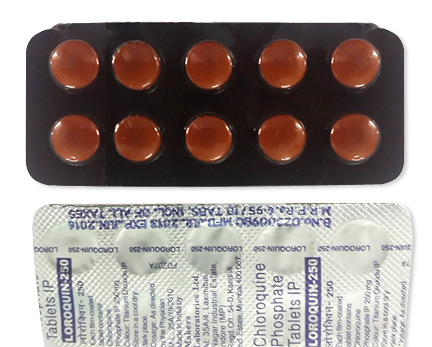
Chloroquine
- Chloroquine is generally sold through pharmacies and authorised suppliers; it is classified as prescription-only (Rx) in nearly all countries, though availability varies and in some pharmacies or online sellers it may be offered without a prescription—always check local regulations and national drug registers.
- Chloroquine is used as an antimalarial and antiprotozoal agent and for some rheumatic diseases (eg rheumatoid arthritis, SLE) and amebiasis; it acts by concentrating in parasite lysosomes, raising intravacuolar pH and inhibiting haemozoin formation, and has immunomodulatory effects in inflammatory conditions.
- Usual doses: for acute malaria adults 600 mg base initial then 300 mg base at 6, 24 and 48 hours (total ~1.5 g base); children 10 mg/kg then 5 mg/kg at 6, 24 and 48 hours; rheumatic disease 250–500 mg daily; amebiasis regimens such as 600 mg daily for 2 days then 300 mg for 2–3 weeks (adjust by weight and clinical context).
- Forms and administration: oral tablets (100, 150, 250, 500 mg), syrup (paediatric 50 mg/5 ml) and limited injectable preparations; usual route is oral, injectable reserved for specialised settings.
- Onset: antimalarial effects begin within hours with symptomatic improvement often within 24–48 hours in chloroquine-sensitive infections; immunological benefits in rheumatic disease may take several weeks to months.
- Duration of action: chloroquine is long‑acting with extensive tissue distribution and a prolonged terminal half‑life, so therapeutic effects and drug presence can persist for days to weeks; long‑term maintenance therapy is continued daily as directed.
- Alcohol warning: avoid excessive alcohol while taking chloroquine; alcohol can worsen side effects and liver strain—abstain or limit intake and seek medical advice if concerned.
- The most common side effect is nausea (other frequent effects include headache, itching, abdominal pain and blurred vision; long‑term or high‑dose use risks retinopathy and cardiomyopathy).
- Would you like to try chloroquine without a prescription?
Chloroquine
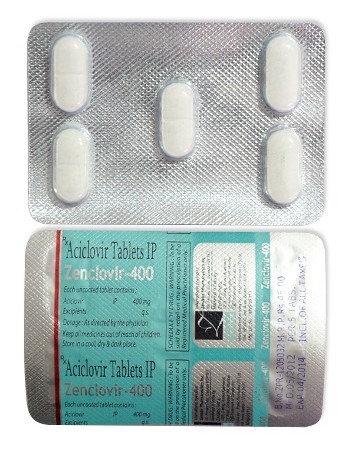
Basic Chloroquine Information
- INN (International Nonproprietary Name): Chloroquine
- Brand Names Available In United Kingdom: not specified
- ATC Code: P01BA01 (Chloroquine; antimalarial agent)
- Forms & Dosages: Tablets 100 mg, 150 mg, 250 mg, 500 mg; Syrup/solution 50 mg/5 ml (paediatric); Injectable forms 150 mg base/ml (limited use)
- Manufacturers In United Kingdom: not specified
- Registration Status In United Kingdom: not specified
- OTC / Rx Classification: Prescription Only (Rx) in nearly all countries
- Chloroquine (INN: Chloroquine) is prescription only in nearly all countries and must be prescribed and dispensed via the NHS or a registered pharmacy.
- Do not buy unverified imports or unlicensed supplies. Check the pharmacy is registered in the UK.
- Emergency: overdose can be life‑threatening (cardiac arrhythmia, convulsions, breathing problems) — call 999 or go to A&E.
- Keep tablets at room temperature (15–25°C) and out of reach of children.
- Take with food if you get stomach upset and avoid alcohol if you feel dizzy or have cardiac symptoms.
- Report adverse effects through the MHRA Yellow Card scheme.
Everyday Use & Best Practices
Worried about when to take chloroquine around a busy UK routine?
Morning Vs Evening Dosing
For acute malaria courses the standard schedule is a split dose over three days.
Adults typically take 600 mg base initially, then 300 mg base at 6, 24 and 48 hours.
For long‑term rheumatology use most patients take 250–500 mg once daily.
Many patients find once‑daily dosing after breakfast reduces nausea and helps adherence.
Taking With Or Without Meals (UK Diet Habits)
UK meals can be high in fat or hearty in the morning for some people.
Taking chloroquine with food can reduce gastrointestinal upset.
Avoid taking the dose with large amounts of alcohol if you experience dizziness.
If you are prone to reflux take chloroquine with breakfast rather than late evening.
Practical Routine
The acute malaria schedule is 600 mg base initially, then 300 mg at 6, 24 and 48 hours (total 1.5 g base).
For long‑term rheumatic use daily doses are commonly 250–500 mg.
For travel prophylaxis follow specialist travel clinic advice and do not self‑prescribe.
- Use a pillbox to organise doses each week.
- Pair dosing with a daily habit, for example tea or coffee after breakfast.
- Set phone reminders for split malaria doses at 6 hours and subsequent times.
- Carry the patient information leaflet when travelling abroad.
Safety Priorities
Who should not take chloroquine and when should you stop normal activities?
Who Should Avoid It (MHRA Warnings)
Absolute contraindications include known hypersensitivity to chloroquine or related compounds.
A history of epilepsy is listed as a contraindication.
Pre‑existing retinal disease or visual field changes mean chloroquine should be avoided.
Relative cautions include liver or kidney impairment, psoriasis, porphyria and myasthenia gravis.
Concurrent use with QT‑prolonging medicines is a relative contraindication requiring careful review.
Activities To Limit (Driving, Work Safety)
Avoid driving or safety‑critical work if you experience dizziness, blurred vision, seizures or profound fatigue.
Report palpitations, fainting or other worrying cardiac symptoms immediately to A&E or 999.
Monitoring
Baseline ophthalmology review is advised if long‑term use is likely.
ECG monitoring is recommended when there are cardiac risk factors or interacting drugs are prescribed.
- Who Should Avoid: Known hypersensitivity; existing retinal/visual changes; history of epilepsy.
- When To Stop Driving: If you get dizziness, blurred vision, fainting or seizures.
Dosage & Adjustments
Need a clear, clinic‑friendly summary of doses for adults and children?
General Regimen (NHS Guidance)
Acute malaria adult regimen: 600 mg base initially, then 300 mg base at 6, 24 and 48 hours (total dose 1.5 g base).
Rheumatic disease maintenance is typically 250–500 mg daily.
Paediatrics use weight‑based dosing for safety and accuracy.
Special Cases (Elderly, Comorbidities)
Reduce dose or increase monitoring in liver or kidney impairment to avoid accumulation.
Start cautiously in the elderly due to higher risk of cardiac arrhythmias and visual toxicity.
For long‑term therapy consider ophthalmology review at baseline and periodically.
| Indication | Adult Dose | Paediatric Dose | Monitoring |
|---|---|---|---|
| Acute Malaria | 600 mg base initial, then 300 mg at 6, 24, 48 hrs (total 1.5 g) | 10 mg/kg base initial, then 5 mg/kg at 6, 24, 48 hrs | Clinical review during treatment |
| Rheumatoid Arthritis / SLE | 250–500 mg once daily | Not typically recommended; weight‑based if used | Baseline and periodic ophthalmology |
| Amebiasis | 600 mg base daily for 2 days, then 300 mg for 2–3 weeks | Weight‑based under supervision | Liver monitoring if prolonged |
User Testimonials
What do UK patients say about chloroquine in forums and at the pharmacy counter?
Positive Reports From UK Patients
Many patients using chloroquine for rheumatic disease describe steady symptom control within weeks.
Travellers who received the correct antimalarial for the infecting Plasmodium strain report quick relief.
Patients value clear pharmacist counselling at chains such as Boots and LloydsPharmacy.
Common Challenges (Patient.info, NHS Forums)
Nausea and itching are commonly discussed side effects, with itching reported more often in some ethnic groups.
Blurred vision and concerns about long‑term eye risks appear frequently in online threads.
Adherence to multi‑dose malaria regimens can be tricky when doses occur at 6 hours.
- Positive: effective symptom control for some rheumatic conditions; fast action in correctly selected malaria cases.
- Challenges: nausea, itching, blurred vision, and adherence to split malaria dosing schedules.
- Practical tip: keep a symptom diary for the first month and bring it to reviews.
Buying Guide
Where and how can you get chloroquine safely in the UK?
Pharmacy Sources (Boots, LloydsPharmacy, Superdrug)
Chloroquine is prescription‑only and is dispensed via NHS prescriptions or private prescriptions at high‑street chains and registered online pharmacies.
Check product packaging and leaflet for tablet strengths; common tablet strengths worldwide include 100 mg, 150 mg, 250 mg and 500 mg.
Ask your pharmacist about generic options and brand names seen overseas such as Aralen and Nivaquine for reference.
Price Comparison (NHS Prescription Charge Vs Private)
In England NHS prescriptions are charged per item; prescriptions are free in Scotland, Wales and Northern Ireland.
Private prescriptions vary in cost between pharmacies and by brand or generic choice.
In our online pharmacy chloroquine is available without a prescription, with discreet delivery to United Kingdom in 5–14 days.
| Step | Action |
|---|---|
| 1 | Obtain a valid prescription from your GP, travel clinic or specialist. |
| 2 | Compare dispensing pharmacies (Boots, LloydsPharmacy, Superdrug or registered online pharmacies). |
| 3 | Ask about generic alternatives and total cost for private prescriptions. |
| 4 | Check packaging for strength (100–500 mg) and expiry before accepting supply. |
What’s Inside & How It Works
Curious about the ingredients and how chloroquine stops malaria or eases autoimmune disease?
Ingredients Overview
The active ingredient is chloroquine, presented as various salts in different formulations.
Tablets commonly come in 100–500 mg strengths and syrup is available as 50 mg/5 ml for children in some markets.
Injectable forms exist but are limited in modern use.
Check the packaging for excipients if you have known allergies.
Mechanism Basics Explained Simply
Chloroquine concentrates inside parasite‑containing vacuoles and raises their internal pH.
This disrupts haem detoxification in Plasmodium species and blocks parasite growth.
In autoimmune disease chloroquine exerts immunomodulatory effects that reduce inflammation over weeks to months.
- Related drug: hydroxychloroquine has a similar mode of action and is often preferred for rheumatic disease due to a better retinal safety profile at common doses.
- Simple patient leaflet diagram idea: parasite in red blood cell → drug enters vacuole → haem detox blocked → parasite dies.
Main Indications
Which conditions is chloroquine approved for and what off‑label uses are seen in UK clinics?
Approved Uses (MHRA Listing)
Chloroquine remains registered as an antimalarial in many countries and is used for acute malaria treatment.
It is also used for certain rheumatological conditions such as rheumatoid arthritis and systemic lupus erythematosus.
Amebiasis may be treated with chloroquine in some regimens with different dosing.
Off‑Label Uses In UK Clinics
Chloroquine was trialled historically in viral conditions such as COVID‑19 but regulators revoked emergency use due to lack of benefit and safety concerns.
Any off‑label use should be directed by specialists with written informed consent and appropriate monitoring.
| Indication | Typical Adult Dose | Monitoring |
|---|---|---|
| Acute Malaria | 600 mg base initial, then 300 mg at 6, 24, 48 hrs | Clinical review during therapy |
| Rheumatoid Arthritis / SLE | 250–500 mg once daily | Baseline and periodic ophthalmology |
| Amebiasis | 600 mg base daily x2 days, then 300 mg x2–3 weeks | Liver tests if prolonged therapy |
Interaction Warnings
Which foods, drinks and medicines could cause problems while taking chloroquine?
Food Interactions (Alcohol, Tea/Coffee)
Alcohol can worsen dizziness and may amplify side effects.
Strong caffeine from tea or coffee does not directly interact but may aggravate GI upset or insomnia.
Take meals to reduce nausea from chloroquine, especially with high‑fat UK breakfasts.
Drug Conflicts (MHRA Yellow Card Reports)
Major concerns include QT‑prolonging agents which increase risk of dangerous arrhythmias.
Other interacting medicines include drugs that lower the seizure threshold and certain antibiotics such as macrolides and some quinolones.
Concomitant use with other antimalarials needs specialist review.
- High‑risk drugs to mention at the GP or pharmacy: amiodarone, sotalol, erythromycin, moxifloxacin, certain antipsychotics and some antidepressants.
- Always tell your pharmacist about OTC medicines, herbal remedies and supplements.
- Use the MHRA Yellow Card scheme to report new suspected interactions or side effects.
Latest Evidence & Insights
What have recent UK and EU studies said about chloroquine between 2022 and 2024?
Key UK & EU Studies 2022–2024
Recent literature confirms chloroquine’s role has declined in malaria treatment where resistance is common.
Artemisinin‑based combination therapies are preferred first‑line in many regions due to higher efficacy.
Rheumatology practice increasingly favours hydroxychloroquine for safety and tolerability, but chloroquine remains an option in selected cases.
Regulatory reviews after the COVID‑19 trials reiterated no routine use for viral indications and highlighted cardiac risks.
Trends & Regulator Updates To Check (To 2025)
Check MHRA advisories, NICE guidance and local travel clinic updates for new safety signals or prescribing cautions.
Clinician handouts benefit from a concise table comparing key systematic reviews and regulator statements.
| Study Type | Outcome | Implication |
|---|---|---|
| Systematic Reviews (Malaria Resistance) | Reduced efficacy where resistance present | Prefer ACTs in many regions |
| Rheumatology Cohort Studies | Symptom control similar; safety concerns higher with chloroquine | Hydroxychloroquine often preferred |
| Regulatory Reviews (Post‑COVID‑19) | No routine antiviral use; highlighted cardiac risk | Restrict off‑label prescribing; emphasise ECG/monitoring |
Alternative Choices
Looking for safer or more effective options depending on your condition?
NHS Prescribing Alternatives With Pros/Cons Checklist
For malaria treatment artemisinin‑based combination therapies (ACTs) are first‑line in many areas where chloroquine resistance exists.
For rheumatic disease hydroxychloroquine is often chosen for a better retinal safety profile at common doses.
For P. vivax radical cure primaquine may be required in addition to blood schizonticides.
- Effectiveness: ACTs are highly effective in resistant malaria; chloroquine is effective where parasites remain sensitive.
- Side‑effect profile: hydroxychloroquine generally better tolerated with lower retinal risk at typical doses.
- Monitoring: chloroquine requires ophthalmology for long‑term use and ECG if cardiac risk factors are present.
- Availability: discuss destination resistance patterns at a travel clinic when choosing antimalarials.
Regulation Snapshot
Who regulates chloroquine in the UK and how should safety be reported?
MHRA Approval & NHS Prescribing Framework
Chloroquine is prescription‑only and UK prescribers follow MHRA and NHS guidance when issuing a prescription.
Many countries still list chloroquine on essential medicines lists, but UK prescribing follows national regulatory advice.
Long‑term use should include baseline and periodic ophthalmology assessment.
Reporting & Monitoring Requirements
Suspected adverse reactions should be reported via the MHRA Yellow Card scheme.
Pharmacists must provide the patient information leaflet and document counselling in the pharmacy record.
- Key reporting channel: MHRA Yellow Card scheme for suspected adverse drug reactions.
- Provide written counselling, check for interacting medicines and note storage advice (15–25°C).
- Prescribers should record justification and monitoring plans for long‑term therapy.
FAQ Section
Quick answers to the most common patient questions.
Can I Buy Chloroquine Without A Prescription?
- No — chloroquine is prescription only in nearly all countries and should be obtained via the NHS or a registered pharmacy.
What If I’m Pregnant Or Breastfeeding?
- Discuss with your obstetrician or specialist; some antimalarials are used in pregnancy if the expected benefit outweighs risk.
How Long Until Benefit For RA?
- Benefits for rheumatic disease can take several weeks to months; regular review and monitoring are required.
Missed Dose?
- Take the missed dose as soon as you remember unless it is nearly time for the next scheduled dose.
- Do not double up doses to make up for a missed one.
- For acute malaria follow the exact regimen and contact your travel clinic or prescriber if you miss a dose.
Guidelines For Proper Use
What to expect when you collect chloroquine from a UK pharmacy.
UK Pharmacist Counselling Style
Pharmacists will confirm indication and dose such as 600 mg base then 300 mg at 6, 24 and 48 hours for acute malaria.
They will review allergies, current medicines (especially QT‑prolonging drugs), pregnancy status and vision history.
Pharmacists advise on storage (15–25°C), actions for missed dose and signs of overdose.
They should provide a written leaflet and record counselling in the pharmacy medication record (PMR).
NHS Patient Support Advice
Signpost to GP, rheumatology, ophthalmology for monitoring and to local travel clinics for malaria prophylaxis advice.
If using a private prescription, remind patients of differing NHS prescription charges between England and the devolved nations.
- Counselling checklist: confirm dose, check allergies, review medicines, advise on food/timing, document counselling.
- Patient handout template: indication, dose schedule, side effects to report, storage, Yellow Card reporting link.
Delivery Across United Kingdom
| City | Region | Delivery Time |
|---|---|---|
| London | Greater London | 5–7 days |
| Birmingham | West Midlands | 5–7 days |
| Manchester | Greater Manchester | 5–7 days |
| Leeds | West Yorkshire | 5–7 days |
| Glasgow | Scotland | 5–7 days |
| Edinburgh | Scotland | 5–7 days |
| Liverpool | Merseyside | 5–7 days |
| Bristol | South West England | 5–7 days |
| Sheffield | South Yorkshire | 5–9 days |
| Newcastle Upon Tyne | North East England | 5–9 days |
| Belfast | Northern Ireland | 5–9 days |
| Cardiff | Wales | 5–9 days |
| Coventry | West Midlands | 5–9 days |
| Leicester | Leicestershire | 5–9 days |
| Bradford | West Yorkshire | 5–9 days |