
Antiviral
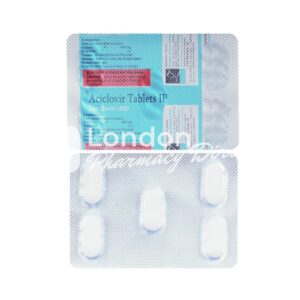
Aciclovir
from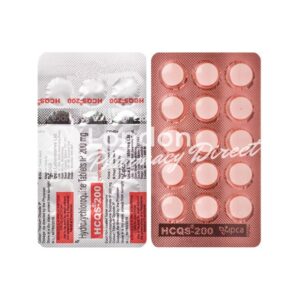
Hydroxychloroquine
from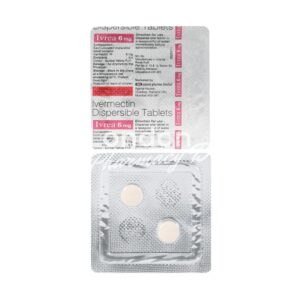
Ivermectin
from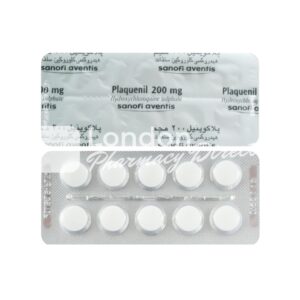
Plaquenil
fromWhat Are Antiviral Medications?
Antiviral medications are pharmaceutical treatments designed to inhibit or stop the growth of viruses in your body. Unlike antibiotics that target bacteria, antivirals work by interfering with viral replication processes. These medications can help reduce the severity and duration of viral infections, boost your immune system’s response, and prevent complications from developing.
Antivirals function through several mechanisms. Some prevent viruses from entering healthy cells, whilst others block viral enzymes needed for reproduction or interfere with protein synthesis. The effectiveness of antiviral treatment depends on starting medication early in infection, choosing the appropriate drug for the specific virus, and completing the full course as prescribed by your healthcare provider.
Different viruses require different antiviral approaches. Some viral infections respond well to antiviral treatment, particularly when medications are taken within specific timeframes. Others may require preventative antivirals for people at high risk or with compromised immune systems. Your pharmacist can advise which antivirals are appropriate for your condition.
Common Viral Infections Treated with Antivirals
Influenza (Flu)
The influenza virus causes seasonal epidemics affecting thousands in the UK annually. Antiviral medications like oseltamivir, commonly known by the brand name Tamiflu, are most effective when taken within 48 hours of symptom onset. These medications can reduce illness duration by approximately one day and help prevent serious complications in vulnerable patients, including elderly individuals and those with chronic health conditions.
Zanamivir, marketed as Relenza, provides another option for influenza treatment and prevention. This inhaled powder medication works similarly to oseltamivir and suits patients who prefer non-oral administration. Both medications require prescription and work best when combined with supportive care including rest, fluids, and paracetamol for symptom relief.
Herpes Simplex Virus (HSV)
Herpes simplex infections affect millions in the UK, causing painful blisters on lips, genitals, or other areas. Aciclovir remains the gold standard treatment, available as tablets, creams, and intravenous solutions. Valaciclovir and famciclovir offer alternative oral medications with improved absorption, requiring fewer daily doses whilst maintaining effectiveness.
These medications work best when started at the first sign of symptoms or tingling sensations. For recurrent infections, some patients benefit from preventative therapy, particularly those experiencing frequent outbreaks. Treatment typically continues for 5-10 days, depending on severity and infection location.
Chickenpox and Shingles
Varicella-zoster virus causes chickenpox in children and shingles in adults. Aciclovir, valaciclovir, and famciclovir effectively treat both conditions. Shingles patients benefit significantly from early antiviral treatment, which reduces pain duration and prevents post-herpetic neuralgia complications.
Adults with shingles should begin treatment within 72 hours of rash onset for optimal benefits. Children with uncomplicated chickenpox may not require antivirals unless immunocompromised. However, pregnant women, immunosuppressed patients, and those with severe symptoms definitely need antiviral therapy.
COVID-19
Since 2020, antiviral treatments for coronavirus have become increasingly important. Nirmatrelvir-ritonavir, sold as Paxlovid, significantly reduces hospitalisation and severe illness risk when taken early. This combination medication targets viral proteases necessary for virus replication.
Molnupiravir offers another oral option for eligible patients. These treatments require prescription and work best within five days of symptom onset. Eligibility depends on age, medical conditions, and vaccination status. NHS guidance determines which patients qualify for COVID-19 antivirals.
Available Antiviral Medications in the United Kingdom
Prescription Antivirals
Aciclovir remains widely prescribed across the UK for herpes infections. Available as 200mg, 400mg, and 800mg tablets, aciclovir typically costs between £3-8 depending on dosage and quantity. The NHS provides aciclovir free to eligible patients through prescription.
Valaciclovir, available as 500mg tablets, represents an improved alternative with better bioavailability. Patients typically take 500mg twice daily for herpes simplex or 1000mg three times daily for shingles. A month’s supply costs approximately £8-15 privately, though NHS prescriptions apply standard charges.
Famciclovir offers another option, particularly for shingles where it may provide superior pain relief compared to aciclovir. This medication typically costs £10-20 monthly without NHS coverage, though prescription charges apply for eligible patients.
Oseltamivir and zanamivir remain standard flu treatments available through NHS prescription during influenza season. These antivirals typically cost £50-100 privately but carry minimal NHS charges for prescription holders.
Over-the-Counter Options
Whilst most antivirals require prescriptions, some complementary products containing lysine or other supportive ingredients are available without prescription. These work alongside primary treatments rather than replacing antivirals.
Antiviral creams containing aciclovir became available over-the-counter for lip herpes in recent years. These topical preparations work best for early-stage cold sores and typically cost £5-8 per tube.
How to Use Antivirals Safely and Effectively
Timing and Dosage
Antiviral effectiveness depends significantly on timing. Starting treatment within 24-48 hours of symptom onset provides maximum benefit for most viral infections. Always take the full prescribed course even if symptoms improve earlier, as incomplete treatment may allow viral replication to continue.
Dosing varies depending on the specific antiviral and infection type. Never adjust doses without consulting your pharmacist or doctor. Some antivirals require dose adjustment for kidney function or other medical conditions. Your pharmacist reviews your prescription to ensure appropriate dosing for your circumstances.
Potential Side Effects
Aciclovir commonly causes headaches, nausea, and diarrhoea in some patients. These side effects typically resolve after stopping medication. Valaciclovir rarely causes serious side effects but may cause dizziness or confusion, particularly in elderly patients.
Flu antivirals like oseltamivir occasionally trigger nausea, which often improves with food consumption. Zanamivir can irritate airways, making it unsuitable for patients with asthma or COPD. Always inform your pharmacist about existing conditions before antiviral prescription.
Drug Interactions
Some antivirals interact with other medications. Aciclovir may affect kidney function, particularly in patients taking other nephrotoxic drugs. Valaciclovir shows similar concerns. Oseltamivir generally shows minimal interactions but careful monitoring applies with immunosuppressive medications.
Your pharmacist checks for interactions when dispensing antivirals. Ensure you provide complete medication lists, including supplements and over-the-counter preparations. This protects your safety and ensures antivirals work effectively.
Prevention Strategies and When to Seek Treatment
Preventative Measures
Regular hand washing, respiratory hygiene, and avoiding contact with infected individuals form the foundation of viral infection prevention. Vaccination remains the most effective prevention tool for influenza, chickenpox, and increasingly COVID-19.
For recurrent herpes infections, stress management, adequate sleep, and immune system support through healthy diet and exercise help reduce outbreak frequency. Sunscreen and lip balm protect against herpes simplex reactivation triggered by sunlight.
When to Contact Your Doctor or Pharmacist
Contact your healthcare provider immediately if symptoms worsen despite antiviral treatment, if new symptoms develop, or if you experience severe side effects. Seek urgent care if you develop breathing difficulties, severe headaches with stiff neck, or confusion.
Your pharmacist provides valuable guidance on whether antivirals suit your circumstances and which options work best for your situation. Many UK pharmacies now offer consultation services for common viral infections, potentially providing faster access to appropriate treatment.
Choosing the Right Antiviral for Your Needs
Personalised Treatment Planning
Your pharmacist or doctor considers numerous factors when selecting antivirals:
- Infection type and severity
- Your medical history and current medications
- Known allergies and sensitivities
- Personal preferences regarding administration method
- Kidney function and liver health
- Age and pregnancy status
Some patients prefer oral tablets, whilst others benefit from intravenous or topical options. Discussing your preferences helps your healthcare provider choose antivirals that you’ll use consistently and effectively.
NHS Access and Private Options
NHS prescriptions provide antivirals for eligible patients at standard prescription charges. Speak with your pharmacist about whether your condition qualifies for NHS treatment. Private prescriptions cost considerably more but may suit patients without NHS eligibility or those requiring urgent treatment outside standard NHS hours.
Many community pharmacies in the UK now offer quick access services for common conditions, including some viral infections. Your local pharmacy can advise whether they provide extended services for antiviral consultation and prescription. Getting the right antiviral at the right time can significantly impact your recovery and overall health outcomes.