
Zinnat
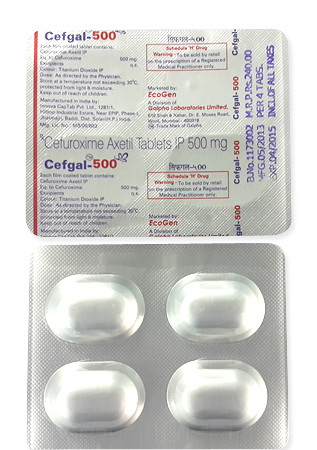
Zinnat
- Zinnat (cefuroxime axetil) is generally a prescription-only medicine in the UK, EU and most countries; you should obtain it from a registered pharmacy with a valid prescription — while some online vendors may offer supply without a prescription, this is variable and not recommended; always check national regulations and use licensed suppliers.
- Zinnat is used to treat bacterial infections such as acute sinusitis, bronchitis, otitis media, pharyngitis, tonsillitis, skin and soft tissue infections, uncomplicated urinary tract infections, early Lyme disease and uncomplicated gonorrhoea. It is a second‑generation cephalosporin that is bactericidal by inhibiting bacterial cell‑wall synthesis via binding to penicillin‑binding proteins.
- Usual adult doses: mild respiratory infections 250 mg orally every 12 hours; severe lower respiratory infections 500 mg every 12 hours; uncomplicated UTI 125 mg every 12 hours; Lyme disease 500 mg every 12 hours (14–21 days); gonorrhoea 1 g single oral dose. Paediatric dosing is weight‑based (commonly 10–15 mg/kg per dose every 12 hours, with specific maximums as above).
- Administered orally as film‑coated tablets (250 mg, 500 mg) or as granules for oral suspension (125 mg/5 mL, 250 mg/5 mL); a related injectable form (cefuroxime sodium) is used in hospital settings. Take oral doses with food to improve absorption.
- Antibacterial activity begins shortly after absorption, but symptomatic improvement is usually seen within 48–72 hours for most infections; if symptoms worsen or fail to improve within this time, consult a clinician.
- The clinical dosing interval is generally every 12 hours, so the therapeutic effect is maintained over about 12 hours per dose; full course durations vary by indication (commonly 5–10 days, 14–21 days for early Lyme disease, single dose for gonorrhoea).
- Avoid excessive alcohol while taking antibiotics — alcohol can worsen side effects (such as nausea or dizziness) and delay recovery; additionally, check the oral suspension for sugar/aspartame content if you have diabetes or phenylketonuria.
- The most common side effect is diarrhoea.
- Would you like to try zinnat without a prescription?
Zinnat
Basic Zinnat Information
- INN (International Nonproprietary Name): Cefuroxime axetil.
- Brand Names Available In United Kingdom: Ceftin (tablets 250 mg, 500 mg; oral suspension 125 mg/5 mL and 250 mg/5 mL). Zinnat is commonly used across parts of Europe and may appear in UK e-pharmacy listings as an imported brand.
- ATC Code: J01DC02 (Second‑generation cephalosporins).
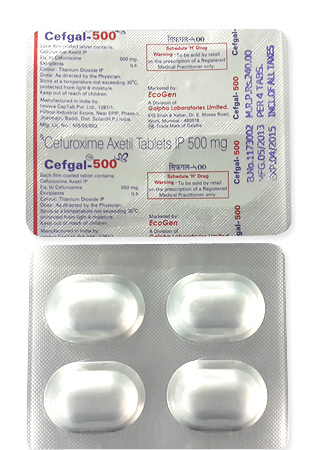
- Forms & Dosages: Film‑coated tablets 250 mg and 500 mg; oral suspension granules 125 mg/5 mL and 250 mg/5 mL; related injectable cefuroxime sodium formulations (750 mg, 1.5 g) exist for hospital use.
- Manufacturers In United Kingdom: GSK is the original branded supplier for Ceftin/Zinnat origin; generics are supplied by manufacturers such as Sandoz and Teva (global suppliers also include Torrent and Sun Pharmaceuticals).
- Registration Status In United Kingdom: Registered for oral use under brand and generic names; classified as prescription only and listed in national formularies for community use.
- OTC / Rx Classification: Prescription only (Rx) across jurisdictions.
Initial Instructions, Warnings And Daily-Life Integration For UK Patients (Read First)
Follow your GP or NHS 111 advice and the printed patient information leaflet exactly when you are prescribed cefuroxime axetil.
Cefuroxime axetil (branded as Zinnat or Ceftin) is prescription only across the UK and regulated under MHRA/EMA frameworks.
Keep an up‑to‑date list of all your medicines and allergies to show your pharmacist or GP before starting treatment.
Oral suspension should be refrigerated after reconstitution and used within ten days; tablets should be stored at 20–25°C.
If you have severe renal impairment, a history of anaphylaxis to β‑lactams, or prior C. difficile infection, notify the prescriber before starting therapy.
- Checklist: show your medicines/allergy list to the pharmacist or GP.
- Checklist: store suspension in the fridge after mixing and use within 10 days.
- Checklist: keep tablets at room temperature (20–25°C) and protect from moisture.
- Checklist: tell your prescriber about kidney problems, serious β‑lactam allergy, or past severe antibiotic‑associated diarrhoea.
Everyday Use & Best Practices
Morning Versus Evening Dosing
How do I fit cefuroxime into a busy UK day?
Take cefuroxime axetil exactly as prescribed by your clinician.
Typical adult regimens are 125–500 mg every 12 hours depending on the infection being treated.
For many mild respiratory infections 250 mg twice daily is commonly used.
For more severe lower respiratory infections or early Lyme disease 500 mg twice daily is commonly advised.
For uncomplicated gonorrhoea a single 1 g oral dose is the standard option in appropriate cases.
When dosing twice daily, aim for roughly 12‑hour spacing, for example 08:00 and 20:00.
This helps keep blood levels steady and makes dosing predictable for work and family routines.
Taking With Or Without Meals (UK Diet Habits)
Will breakfast or the evening meal affect how well it works?
Absorption of the axetil prodrug is improved when taken with food, so take tablets or reconstituted suspension with or immediately after a main meal or a substantial snack.
In the UK that typically means taking the morning dose with a cooked breakfast or substantial cereal and the evening dose after the evening meal.
For children use the suspension strengths (125 mg/5 mL or 250 mg/5 mL) and follow weight‑based dosing given by the prescriber or pharmacist.
- Sample adult schedule for a 7–10 day respiratory course: 250 mg at 08:00 and 20:00.
- Sample adult schedule for a 7–10 day more severe course: 500 mg at 08:00 and 20:00.
- Sample paediatric approach: 10–15 mg/kg every 12 hours using the 125 mg/5 mL or 250 mg/5 mL suspension as directed.
Safety Priorities
Who Should Avoid It (MHRA Warnings)
Who must not take cefuroxime axetil?
Do not take cefuroxime if you have a known severe allergy to cephalosporins.
Do not take cefuroxime if you have had anaphylaxis to penicillins or other β‑lactam antibiotics.
Use caution and discuss with your prescriber if you have significant renal impairment; dosing adjustments are needed when creatinine clearance is below 30 mL/min.
A history of antibiotic‑associated colitis, including C. difficile, should be discussed before starting therapy due to risk of recurrence.
Activities To Limit (Driving, Work Safety)
Can I drive or operate machinery while taking it?
Most people can continue normal activities while taking cefuroxime.
If you develop dizziness, marked fatigue, severe diarrhoea, or an allergic reaction, avoid driving or performing safety‑critical work until symptoms resolve.
Neurotoxic effects such as confusion or seizures are rare and normally only reported in overdose or severe renal failure; if these occur stop treatment and attend A&E.
- Checklist: confirm no severe β‑lactam allergy before you start.
- Checklist: confirm recent renal function if you have chronic kidney disease.
- Checklist: mention pregnancy or breastfeeding to your prescriber for individual advice.
Dosage & Adjustments
General Regimen (NHS Guidance)
What doses are typically used on the NHS?
For many mild to moderate respiratory tract infections the usual adult dose is 250 mg orally every 12 hours for 7–10 days.
Severe lower respiratory infection and some Lyme disease regimens use 500 mg every 12 hours, often for 14–21 days in early Lyme disease.
Uncomplicated urinary tract infection dosing can be 125 mg every 12 hours for 5–7 days in adults.
Skin and soft tissue infections are commonly treated with 250–500 mg every 12 hours for 7–10 days depending on severity and response.
Special Cases (Elderly, Comorbidities)
Do older patients need different doses?
Elderly patients usually require no dosage change unless renal impairment is present; renal function should guide any adjustments.
In severe renal impairment extend the dosing interval to every 24 hours if creatinine clearance is under 30 mL/min and seek specialist advice for dialysis patients.
Paediatric dosing is weight based at around 10–15 mg/kg every 12 hours depending on indication and formulation, with maximum per‑dose limits following age guidelines.
| Indication | Adult/Adolescent Dose | Paediatric Dose | Typical Duration |
|---|---|---|---|
| Respiratory Infections (Mild–Moderate) | 250 mg twice daily | 10 mg/kg per dose (max 250 mg) q12h | 7–10 days |
| Severe Lower Respiratory Tract | 500 mg twice daily | 15 mg/kg per dose (max 500 mg) q12h | 7–10 days |
| Uncomplicated UTI | 125 mg twice daily | 10–15 mg/kg per dose | 5–7 days |
| Skin/Soft Tissue | 250–500 mg twice daily | 10–15 mg/kg per dose | 7–10 days |
| Early Lyme Disease | 500 mg twice daily | 30 mg/kg/day divided q12h (max 500 mg) | 14–21 days |
| Gonorrhoea (Uncomplicated) | 1 g single oral dose | Not generally used | Single dose |
User Testimonials
Positive Reports From UK Patients
Does cefuroxime actually work quickly for common infections?
Patient reports on NHS forums and Patient.info commonly describe symptom improvement for sinusitis, otitis media and some skin infections within 48–72 hours when the pathogen is susceptible.
Many patients praise Ceftin or Zinnat for clear dosing schedules and acceptable tolerability compared with broader‑spectrum agents.
Common Challenges (Patient.info, NHS Forums)
What problems do people report?
Gastrointestinal upset such as diarrhoea and nausea is frequently mentioned by patients.
Some report mild rashes or reduced appetite while a smaller number report issues with the taste of reconstituted suspension for children.
Parents often ask pharmacists about flavouring options or alternative generic suspensions to improve palatability.
Many forum posts ask whether to stop treatment early when feeling better; the NHS advice is generally to complete the prescribed course unless told otherwise.
- Positive: rapid improvement within 48–72 hours for susceptible infections.
- Typical side‑effects: diarrhoea, nausea, mild rash, reduced appetite.
- Support: local pharmacist can advise on suspension flavouring or alternative generics.
Buying Guide
Pharmacy Sources (Boots, LloydsPharmacy, Superdrug)
Where can UK patients collect cefuroxime axetil?
Cefuroxime axetil is prescription only and may be collected from high‑street chains such as Boots, LloydsPharmacy and Superdrug, or from community pharmacies across the UK.
Registered online NHS pharmacies will dispense by post if you supply a valid prescription and registration details.
Private clinics and online private prescribers may issue private prescriptions that local or online pharmacies fulfil.
Price Comparison (NHS Prescription Charge Vs Private)
How much will it cost me?
In England a standard NHS prescription charge usually applies per item, subject to exemptions and prepayment certificates.
Prescriptions are generally free for most patients in Scotland, Wales and Northern Ireland, depending on local rules and exemptions.
Private prescriptions and private online clinics will usually cost more than the NHS prescription charge, and branded Zinnat/Ceftin tends to be more expensive than generic cefuroxime from manufacturers such as Sandoz or Teva.
| Provider | Likely Price Bracket | Typical Dispensing Advice |
|---|---|---|
| Boots / LloydsPharmacy / Superdrug | NHS prescription charge or private price | Collect in person; pharmacist counselling on storage and side effects |
| Community NHS Pharmacy | Standard NHS prescription charge (England) or free (other nations if eligible) | Standard dispensing; supply suspension reconstitution instructions |
| Online NHS‑registered Pharmacy | Postage plus prescription charge where applicable | Prescription required; discreet postal delivery options |
| Private Clinic / Online Prescriber | Higher (private consultation + medicine cost) | Private prescription supplied; check pharmacist advice on interactions |
In our online pharmacy, zinnat is available without a prescription, with discreet delivery to United Kingdom in 5-14 days.
What’s Inside & How It Works
Ingredients Overview
What does a tablet or bottle actually contain?
The active ingredient is cefuroxime axetil, a prodrug that is converted to cefuroxime after absorption.
Tablets are typically film‑coated and available as 250 mg or 500 mg strengths.
Oral suspension granules come in 125 mg/5 mL and 250 mg/5 mL strengths to aid paediatric dosing.
Some formulations or flavourings may contain sucrose or aspartame, which should be noted in patients with diabetes or phenylketonuria.
Mechanism Basics Explained Simply
How does it kill bacteria?
Cefuroxime is a second‑generation cephalosporin that inhibits bacterial cell wall synthesis, causing death of susceptible organisms.
It works well against many common respiratory and skin pathogens but is not active against enterococci or MRSA.
Because the axetil prodrug is absorbed better with food, take doses with or immediately after a meal to maximise blood levels.
Main Indications
Approved Uses (MHRA Listing)
What infections is it approved for in routine community care?
Approved indications include acute otitis media, sinusitis, pharyngitis/tonsillitis, bronchitis and mild–moderate pneumonia, skin and soft tissue infections, uncomplicated urinary tract infection and early Lyme disease.
For uncomplicated gonorrhoea an oral single 1 g dose is used in appropriate settings.
Off‑Label Uses In UK Clinics
Are there other uses clinicians sometimes consider?
Off‑label use may occur in specialist situations or prophylaxis under documented clinical justification and local stewardship policies.
Local NHS antibiotic stewardship and antibiograms guide whether cefuroxime is suitable for a given infection and clinicians will document off‑label decisions in records.
- Checklist: Indication → Usual adult dose → Expected duration should be recorded by the prescriber.
Interaction Warnings
Food Interactions (Alcohol, Tea/Coffee)
Will tea, coffee or alcohol affect the medicine?
Take cefuroxime with food to improve absorption; moderate alcohol will not directly inactivate the antibiotic but avoid excess drinking while unwell.
Strong tea or coffee has no known clinically significant interaction, though vomiting or diarrhoea from alcohol or caffeine may affect how well you can keep doses down.
Drug Conflicts (MHRA Yellow Card Reports)
Which medicines should my prescriber know about?
There are few major interactions, but tell the prescriber about probenecid which can increase cefuroxime levels.
Mention any concurrent nephrotoxic medicines as combined kidney effects may require monitoring.
Any suspected adverse interactions or new safety concerns can be reported to the MHRA Yellow Card scheme for ongoing surveillance.
| Medicine To Flag | Reason |
|---|---|
| Probenecid | Can raise cefuroxime blood levels by reducing renal excretion |
| Other nephrotoxins | Risk of cumulative renal impairment; monitor kidney function |
| Oral suspensions with sugar/aspartame | Inform pharmacist if diabetic or phenylketonuric |
Latest Evidence & Insights
What do recent UK and EU reports say about cefuroxime use?
Surveillance between 2022 and 2025 continues to support cefuroxime axetil for many community respiratory and skin infections where local susceptibility confirms activity.
Antibiotic stewardship programmes emphasise selecting narrow‑spectrum agents such as second‑generation cephalosporins when appropriate to reduce resistance pressure.
Comparative trials show similar clinical outcomes between oral second‑generation cephalosporins and amoxicillin‑clavulanate for many respiratory infections, with differing side‑effect profiles guiding choice.
For early Lyme disease oral cefuroxime at 500 mg twice daily for 14–21 days remains an evidence‑based option.
- Stewardship takeaway: follow local antibiograms and prefer narrow‑spectrum where effective.
- Clinical outcome: many respiratory infections respond within 48–72 hours when pathogen is susceptible.
Alternative Choices
What can clinicians prescribe instead?
NHS alternatives include amoxicillin for streptococcal pharyngitis, amoxicillin‑clavulanate where β‑lactamase producers are suspected, cefalexin for some skin infections and cefixime for certain UTI or gonorrhoea indications.
Pros of cefuroxime include good oral bioavailability when taken with food and availability in child‑friendly suspension formulations.
Cons include lack of activity against MRSA and enterococci and the potential for gastrointestinal side‑effects.
| Indication | Common NHS First‑Line Alternative | Reason To Choose/ Avoid |
|---|---|---|
| Pharyngitis | Amoxicillin | Cheaper and narrow spectrum for streptococcal infections |
| Uncomplicated Lower UTI | Nitrofurantoin | Better UTI‑specific activity in women, avoid in renal impairment |
| Skin Infections | Cefalexin | Effective for many skin pathogens and widely used |
Regulation Snapshot
How is cefuroxime axetil regulated in the UK?
Cefuroxime axetil is prescription only and falls under the ATC code J01DC02 for second‑generation cephalosporins.
Branded versions include Zinnat and Ceftin, with generics supplied by manufacturers such as Sandoz and Teva.
MHRA and EMA oversight applies to product safety, leaflet content and Yellow Card reporting.
NHS prescribing is guided by local formularies and antibiotic stewardship teams who expect prescribers to record the indication and consider local susceptibility patterns before issuing prescriptions.
| Regulatory Body | Common Brand Names | Typical Prescribing Checks |
|---|---|---|
| MHRA / EMA | Ceftin, Zinnat | Indication, allergy check, renal function review |
| NHS Local Formularies | Generics (Sandoz, Teva) | Antibiotic stewardship review and local antibiogram |
FAQ
Can I stop when I feel better?
Generally finish the prescribed course unless your GP advises otherwise and local stewardship policies allow early stop.
Is it safe in pregnancy or breastfeeding?
Discuss with your GP; cephalosporins are used in pregnancy when indicated but the prescriber must weigh benefits and risks for the individual woman.
What if I miss a dose?
Take the missed dose as soon as you remember, but if the next dose is due soon skip the missed dose and do not double up.
How long until it works?
Many patients note improvement within 48–72 hours for infections caused by susceptible organisms; contact your GP or NHS 111 if you see no improvement.
Guidelines For Proper Use
UK Pharmacist Counselling Style
What will the pharmacist tell me when I collect cefuroxime?
Pharmacists will confirm allergies and explain the dosing schedule, emphasising the benefit of taking doses with food.
They will advise on storage: tablets at 20–25°C and reconstituted suspension refrigerated and used within ten days.
They will warn about common GI side‑effects and signs of allergic reaction, and explain when to seek medical review.
To help adherence pharmacists may suggest linking doses to meals, using phone alarms or pill boxes.
NHS Patient Support Advice
Where can I get more help if I have questions?
Use NHS 111 online symptom checker for urgent guidance and contact your GP practice for follow up or repeat queries.
Report suspected side‑effects to the MHRA Yellow Card scheme to support safety monitoring.
- Counselling points: allergy check, dosing with food, storage, side‑effect recognition.
- When to seek help: rash, severe diarrhoea, signs of anaphylaxis, neurological symptoms.
Delivery Across United Kingdom
| City | Region | Delivery time |
|---|---|---|
| London | Greater London | 5-7 days |
| Manchester | Greater Manchester | 5-7 days |
| Birmingham | West Midlands | 5-7 days |
| Glasgow | Scotland | 5-7 days |
| Leeds | West Yorkshire | 5-7 days |
| Liverpool | Merseyside | 5-7 days |
| Bristol | South West England | 5-7 days |
| Newcastle Upon Tyne | North East England | 5-9 days |
| Sheffield | South Yorkshire | 5-9 days |
| Edinburgh | Scotland | 5-7 days |
| Cardiff | Wales | 5-9 days |
| Belfast | Northern Ireland | 5-9 days |
| Nottingham | East Midlands | 5-9 days |
| Plymouth | South West England | 5-9 days |