Xlash
Xlash
- In our pharmacy, you can buy xlash without a prescription, with delivery in 5–14 days throughout the United Kingdom. Discreet and anonymous packaging.
- Xlash contains bimatoprost and is used to lower intraocular pressure in glaucoma/ocular hypertension and to enhance eyelash growth; it is a prostaglandin analogue that increases aqueous humour outflow and stimulates hair follicles.
- The usual dose is 1 drop of 0.03% solution in the affected eye(s) once daily in the evening for glaucoma; for eyelash enhancement apply one drop (with an applicator) to the upper eyelid margin once nightly.
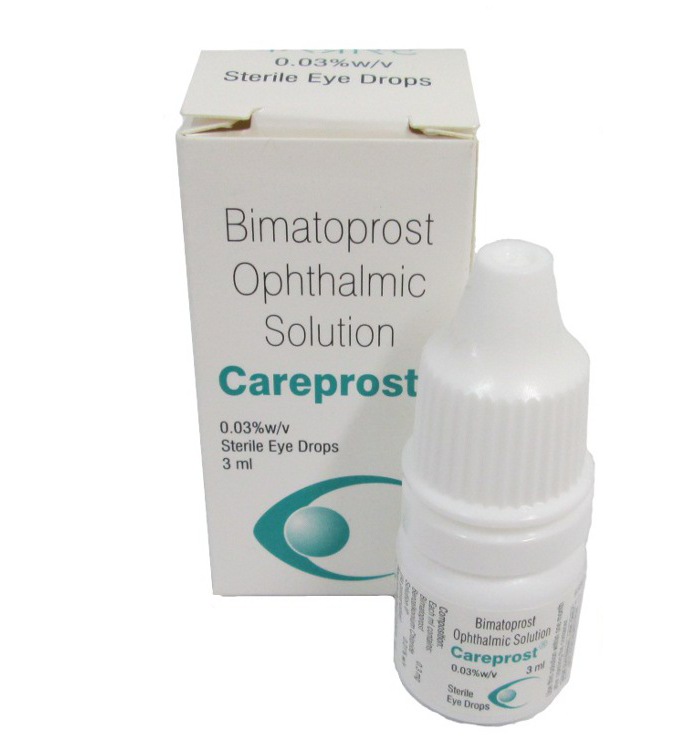
- The form of administration is an ophthalmic solution supplied in a dropper vial (commonly 3 mL) for instillation into the eye or application along the upper lash line with an applicator for cosmetic use.
- The effect for lowering intraocular pressure begins within a few hours (with maximal effect over several hours); eyelash growth is typically noticeable after about 8 weeks and more pronounced by 12–16 weeks.
- The duration of action allows once-daily dosing with around 24-hour IOP control; eyelash improvements require continued use and will gradually reverse after cessation.
- Alcohol warning: there is no well‑documented direct interaction with alcohol, but avoid excessive alcohol as it may worsen eye dryness or irritation and can impair safe use if feeling unwell.
- The most common side effect is conjunctival hyperaemia (eye redness).
- Would you like to try xlash without a prescription?
Xlash
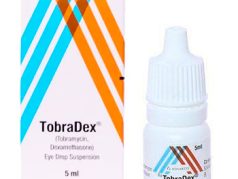
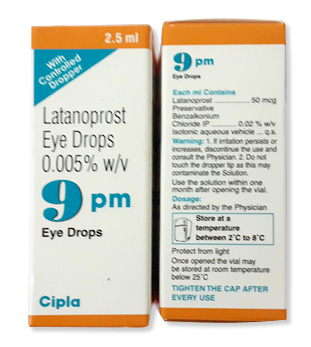
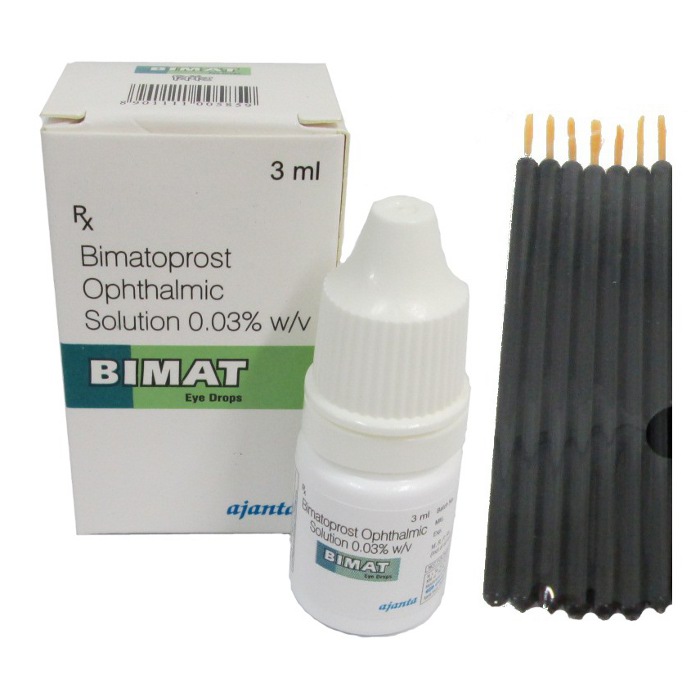
Basic Xlash Information
- INN (International Nonproprietary Name): Bimatoprost.
- Brand Names Available In United Kingdom: Careprost; Lumigan; Latisse.
- ATC Code: S01EE03.
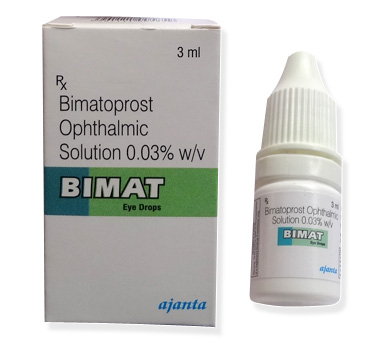
- Forms & Dosages: Ophthalmic solution 0.03% w/v in 3 mL dropper packaging.
- Manufacturers In United Kingdom: not specified.
- Registration Status In United Kingdom: not specified.
- OTC / Rx Classification: Prescription-only (Rx).
Bimatoprost (INN) products such as Careprost (3 mL, 0.03% ophthalmic solution) are prescription-only in the UK.
Obtain via an NHS prescription for glaucoma or via private clinics and online prescribers for cosmetic use.
Avoid buying unregulated imports and follow MHRA guidance.
Report side effects via the Yellow Card scheme.
Remove contact lenses before application and wait at least 15 minutes before reinserting.
If vision blurs or severe irritation occurs, stop use and seek urgent NHS advice.
Keep prescriptions or clinic letters when travelling.
Everyday Use & Best Practices
Morning Vs Evening Dosing
Do you wonder whether morning or evening is best for bimatoprost?
For glaucoma or ocular hypertension the usual regimen is one drop of bimatoprost 0.03% into the affected eye or eyes once daily in the evening.
Evening dosing gives the best intraocular pressure control and steady daily timing helps efficacy.
For eyelash enhancement apply one drop with a sterile applicator to the upper eyelid margin once nightly only.
Do not apply to the lower lashes to avoid unwanted hair growth on surrounding skin.
Taking With Or Without Meals (UK Diet Habits)
There are no food interactions that change dosing for topical bimatoprost eye drops.
Typical UK meal patterns such as tea, coffee or meals do not alter the medicine’s activity.
Alcohol will not change the drug’s eye pressure effects but may make redness or dryness worse for some people.
Practical checklist for daily use:
- For glaucoma: one drop 0.03% into affected eye(s) once nightly at the same time each day.
- For lashes: apply one drop to the upper eyelid margin with an applicator once nightly.
- Remove contact lenses before application and wait at least 15 minutes to reinsert.
- Do not double-dose if you miss a session; take when remembered unless close to next dose.
- Common product facts: bimatoprost 0.03% in 3 mL droppers (Careprost, Latisse, Lumigan versions).
Safety Priorities
Who Should Avoid It (MHRA Warnings)
Are there people who must not use bimatoprost?
Absolute contraindication is known hypersensitivity to bimatoprost or any excipient in the formulation.
Relative cautions include a history of intraocular inflammation such as uveitis.
Aphakia or pseudophakia requires specialist review because of macular oedema risk.
Immunosuppressed patients and pregnant or breastfeeding women should avoid use unless a specialist advises otherwise.
MHRA guidance asks clinicians to weigh benefits for glaucoma and to be cautious when prescribing cosmetically.
Report adverse reactions through the Yellow Card scheme as part of UK safety monitoring.
Activities To Limit (Driving, Work Safety)
What should I avoid after applying bimatoprost?
If you experience blurred vision, eye irritation or acute redness do not drive or operate heavy machinery until vision clears.
Conjunctival hyperaemia and transient blurred vision occur commonly and can impair tasks requiring sharp sight.
Pause safety‑critical work until symptoms settle.
Remove contact lenses before dosing and avoid swimming or exposing eyes to irritants immediately after application.
Red-flag checklist:
- Stop and seek urgent care if vision blurs or severe pain develops.
- Avoid driving while symptoms of blurred vision persist.
- Report serious reactions to the Yellow Card scheme.
Dosage & Adjustments
General Regimen (NHS Guidance)
What is the standard dose for common uses?
Glaucoma or ocular hypertension: one drop of bimatoprost 0.03% into the affected eye or eyes once daily in the evening.
Eyelash enhancement: one drop applied with an applicator to the upper eyelid margin once nightly only.
Children: not recommended due to lack of safety data.
Special Cases (Elderly, Comorbidities)
Elderly patients do not usually require routine dose reduction but should be monitored for ocular or rare systemic effects.
There are no formal adjustment guidelines for liver or kidney impairment; use with caution under specialist oversight.
Missed-dose rule: apply when remembered unless close to the next scheduled dose; do not double-dose.
Overdose: rinse the eye with water and seek advice if symptoms persist or if oral ingestion has occurred.
| Indication | Dose | Frequency | Special Notes |
|---|---|---|---|
| Glaucoma / Ocular Hypertension | 1 drop 0.03% | Once daily, evening | Use same time daily for best effect |
| Eyelash Enhancement | 1 drop to upper lid margin | Once nightly | Avoid lower lashes; expect results by 8–16 weeks |
| Children | Not established | Not recommended | Safety data lacking |
User Testimonials
Positive Reports From UK Patients
What do people say on UK forums and review pages?
Many users report visible eyelash improvement after 8 to 16 weeks of nightly application.
Reported changes include longer, thicker and darker lashes and improved confidence in appearance.
Glaucoma patients often report a simple once‑daily routine and measurable reductions in intraocular pressure compared with more frequent dosing options.
Common Challenges (Patient.info, NHS Forums)
Forums such as Patient.info and NHS‑linked discussion threads note common downsides.
Conjunctival redness is very common and is mentioned frequently.
Some users report eyelid skin darkening and local irritation.
A small minority describe iris colour change which can be permanent.
Pros:
- Effective lash growth with regular nightly use within 8–16 weeks.
- Convenient once‑daily dosing for glaucoma.
- Boosts confidence for many cosmetic users.
Cons:
- Very common redness and occasional irritation.
- Possibility of periocular or iris pigmentation changes.
- Private prescriptions and cost can be a barrier for cosmetic use.
When To Contact GP Or Optometrist:
- Persistent redness, pain, sudden vision changes, or suspected infection.
- If pigmentation or unwanted hair growth appears in treated areas.
Always treat forum posts as anecdote and cross‑check with a clinician.
Buying Guide
Pharmacy Sources (Boots, LloydsPharmacy, Superdrug)
Where can you get bimatoprost in the UK?
For glaucoma, bimatoprost is prescribed via NHS routes and dispensed at community pharmacies including national chains and independents.
For cosmetic eyelash use, private clinics and UK‑registered online prescribers may supply after a consultation and a private prescription.
Beware of international e‑shops offering Careprost without a prescription as these bypass UK regulation.
Price Comparison (NHS Prescription Charge Vs Private)
Prescription funding differs across the UK nations.
England charges an NHS prescription fee per item unless the patient is exempt.
Scotland, Wales and Northern Ireland generally offer free prescriptions for residents.
Private prescriptions for cosmetic use incur clinic and pharmacy charges plus the product cost.
In our online pharmacy xlash is available without a prescription with discreet delivery to United Kingdom in 5-14 days.
| Source | Typical Cost | Notes |
|---|---|---|
| NHS Prescription | Prescription charge in England or free elsewhere | Available for glaucoma where clinically indicated |
| Private Clinic / Private Prescription | Clinic fee + product cost (varies) | Cosmetic use usually not NHS funded |
| Online Overseas Retailers | Variable, often cheaper | May lack UK prescription and regulatory oversight |
Checklist For Safe Purchasing:
- Verify supplier is UK‑registered or pharmacy regulated by the GPhC.
- Obtain a legitimate prescription or private consultation record.
- Avoid unregulated imports and check MHRA guidance before purchase.
What’s Inside & How It Works
Ingredients Overview
What does the bottle contain?
The active ingredient is bimatoprost 0.03% w/v in an ophthalmic solution.
Formulations contain prostaglandin analogue bimatoprost plus excipients to create a sterile eye drop vehicle.
Common pack size for cosmetic and generic versions is a 3 mL dropper vial.
ATC classification is S01EE03, under ophthalmological prostaglandin analogues.
Mechanism Basics Explained Simply
How does bimatoprost work for eyes and lashes?
For glaucoma bimatoprost increases aqueous humour outflow which lowers intraocular pressure.
For eyelashes the drug appears to lengthen the anagen (growth) phase of the hair cycle and increase follicle pigmentation and thickness.
In some patients increased melanin production in ocular tissues can cause iris pigmentation change.
Key points:
- Active: bimatoprost 0.03%.
- Mode: increases outflow for IOP reduction; stimulates lash growth mechanisms locally.
- Risk: pigment changes are uncommon but may be permanent.
Main Indications
Approved Uses (MHRA Listing)
What is bimatoprost licensed to treat?
Bimatoprost ophthalmic products are licensed for lowering intraocular pressure in glaucoma and ocular hypertension.
Branded products such as Lumigan support these ophthalmic indications.
Off-Label Uses In UK Clinics
Many UK clinics prescribe bimatoprost off‑label for eyelash enhancement following private consultation and informed consent.
Cosmetic prescribing is usually private and not funded by the NHS.
Clinicians should document the risk–benefit discussion, especially because iris or periocular pigmentation changes can be long lasting.
| Approved (Ophthalmic) | Off‑Label / Cosmetic |
|---|---|
| Glaucoma / Ocular Hypertension | Eyelash enhancement (Careprost or generics) |
| NHS funded when clinically indicated | Typically private and clinic‑funded |
Interaction Warnings
Food Interactions (Alcohol, Tea/Coffee)
Are there food or drink interactions to worry about?
Topical bimatoprost eye drops have no direct food–drug interactions.
Tea and coffee do not affect topical activity.
Alcohol does not alter intraocular pressure effects but may worsen eye redness or dryness for some users.
Drug Conflicts (MHRA Yellow Card Reports)
Systemic interactions are unlikely because systemic absorption is minimal.
Topical bimatoprost can have additive IOP effects with other ocular hypotensives and therapy changes should be monitored by the prescriber.
Check concurrent ophthalmic medicines when switching or combining prostaglandin analogues such as latanoprost or travoprost.
Also review recent ocular surgery, topical immunosuppressants or systemic immunomodulators.
Use MHRA Yellow Card data to monitor reported interactions and adverse events.
Clinician checklist:
- Double‑check other glaucoma drops when initiating or switching therapy.
- Review recent ocular surgery and immunosuppression status.
- Report suspected interactions to the Yellow Card scheme.
Latest Evidence & Insights
Key UK & EU Studies 2022–2025
What does recent research say about efficacy and safety?
Clinical literature up to mid‑2024 supports bimatoprost’s efficacy in lowering intraocular pressure and producing eyelash growth within 8–16 weeks.
Comparative studies show prostaglandin analogues including bimatoprost, latanoprost and travoprost are effective first‑line agents for glaucoma with differing tolerability profiles.
Cosmetic studies confirm lash lengthening and thickening while also noting local adverse effects such as hyperaemia and periocular pigmentation.
Ongoing research is examining lower concentrations and preservative‑free formulations to improve tolerability.
Keep an eye on MHRA updates and peer‑reviewed journals for long‑term pigmentation risk data and regulatory statements.
Key takeaways:
- Bimatoprost is effective for IOP lowering and lash enhancement.
- Local side effects are the most common safety concern.
- Long‑term pigment risk remains under study and requires monitoring.
Alternative Choices
NHS Prescribing Alternatives With Pros/Cons Checklist
What are the NHS alternatives to bimatoprost?
Other prostaglandin analogues on NHS formularies include latanoprost, travoprost and tafluprost.
These alternatives offer similar intraocular pressure reduction but individual tolerance differs.
For eyelash enhancement, branded Latisse is a bimatoprost cosmetic product in some regions and other topical serums exist with variable evidence.
Pros and cons checklist:
- Pros: Class efficacy for IOP lowering is broadly similar across prostaglandin analogues.
- Cons: Side‑effect profiles vary; some patients tolerate one agent better than another.
- Cost: Generic options are usually cheaper than branded products.
- Licensing: Glaucoma indications are typically NHS-funded; cosmetic uses are private.
If a patient experiences intolerable hyperaemia or pigmentation consider switching to another prostaglandin analogue under specialist advice.
Regulation Snapshot
MHRA Approval & NHS Prescribing Framework
How is bimatoprost regulated in the UK?
Bimatoprost products are classified under the ATC code S01EE03 for ophthalmological prostaglandin analogues.
The MHRA oversees licensing and safety in the UK and product licences differ by brand and formulation.
Bimatoprost is prescription‑only and purchasing from overseas e‑shops without a UK prescription bypasses regulation and carries safety and legal risks.
NHS prescribing funds glaucoma treatment when clinically indicated but cosmetic eyelash use is usually private.
Pharmacists and clinicians should keep records when issuing private cosmetic prescriptions and encourage Yellow Card reporting of adverse events.
Simple flow:
- Licensed indication → NHS funding when clinically needed.
- Cosmetic indication → private prescription and clinician documentation.
- Avoid importation without prescription to reduce regulatory risk.
FAQ Section
3–4 Common UK Patient Questions
Q1: Can I get Careprost on the NHS for eyelash growth?
No.
The NHS provides bimatoprost for medical indications such as glaucoma but not for cosmetic eyelash growth.
Q2: How long before I see results on lashes?
Most users see changes by eight weeks with full effect by 12–16 weeks.
Stopping treatment reverses gains over time.
Q3: Is it safe to wear contact lenses?
Remove lenses before application and wait at least 15 minutes before reinserting.
Q4: What if my eye becomes very red or vision blurs?
Stop using the product and seek urgent advice from your GP, optometrist or ophthalmology clinic.
Report serious reactions to the MHRA Yellow Card scheme and use NHS 111 if unable to contact local services.
Guidelines For Proper Use
UK Pharmacist Counselling Style
How will a pharmacist advise you when dispensing bimatoprost?
Confirm the prescription indication and check allergy history for hypersensitivity to prostaglandin analogues.
Explain the correct application: one drop nightly for glaucoma in the evening, or one drop to the upper eyelid margin for lashes with a single‑use applicator.
Demonstrate applicator technique and advise hand washing before and after application.
Reinforce contact lens advice and the need to wait at least 15 minutes before reinsertion.
Cover storage: room temperature 15–25°C, protect from light and moisture, and use within four weeks of opening.
List common side effects such as conjunctival hyperaemia, itching, eyelid skin darkening and rare iris pigmentation changes.
NHS Patient Support Advice
Advise patients to report adverse effects to the Yellow Card scheme and to contact their GP or optometrist for vision changes.
Provide urgent eye clinic or NHS 111 contacts when red‑flag symptoms occur.
Offer a patient handout summarising dosing, storage and when to seek urgent care.
Delivery Across United Kingdom
| City | Region | Delivery Time |
|---|---|---|
| London | Greater London | 5-7 days |
| Birmingham | West Midlands | 5-7 days |
| Manchester | Greater Manchester | 5-7 days |
| Glasgow | Scotland | 5-7 days |
| Leeds | West Yorkshire | 5-7 days |
| Liverpool | Merseyside | 5-7 days |
| Sheffield | South Yorkshire | 5-7 days |
| Bristol | South West | 5-9 days |
| Newcastle Upon Tyne | North East | 5-9 days |
| Nottingham | East Midlands | 5-9 days |
| Belfast | Northern Ireland | 5-9 days |
| Cardiff | Wales | 5-9 days |
| Coventry | West Midlands | 5-9 days |
| Southampton | South East | 5-9 days |
| Plymouth | South West | 5-9 days |