Mysimba
In brief
- Mysimba is a prescription-only medicine (POM) in the UK.
- Mysimba is used for weight management in adults with obesity or overweight-related risk factors. It works by combining naltrexone and bupropion to affect appetite control and reward pathways in the brain, helping reduce hunger and food cravings.
- The usual dose of Mysimba is started gradually and increased over several weeks to the maintenance dose, as directed by a clinician. Follow the product label exactly.
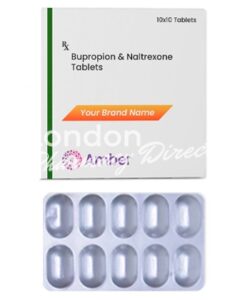
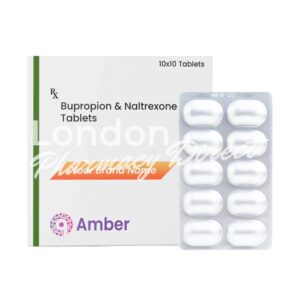
- The form of administration is a tablet for oral use.
- The effect of the medication usually starts gradually over days to weeks, rather than immediately, as the dose is titrated up.
- The duration of action is about 12 hours, and it is typically taken in divided daily doses according to the prescribed schedule.
- Alcohol should be avoided or limited, as it may increase the risk of adverse effects, including dizziness, impaired judgement, and in some cases seizure risk with bupropion-containing medicines.
- The most common side effects are nausea, constipation, headache, vomiting, dizziness, and dry mouth.
- Would you like to try Mysimba without a prescription?
Basic Mysimba information
- INN (international nonproprietary name): Naltrexone hydrochloride / bupropion hydrochloride
- Brand names available in the United Kingdom: Mysimba
- ATC code: A08AA62
- Forms and dosages: Prolonged-release tablets 8 mg naltrexone hydrochloride / 90 mg bupropion hydrochloride
- Registration status in the United Kingdom: MHRA-licensed
- OTC / Rx classification: Prescription-only medicine (POM)
Everyday use and best practices
Trying to fit Mysimba into real life can feel easier once it is tied to something you already do every day.
Mysimba is a prolonged-release tablet available on prescription, so regular use matters more than taking it only when weight loss feels urgent.
It should be used alongside a reduced-calorie diet and increased activity, not as a standalone fix.
A typical daily routine might look like this.
- Take Mysimba tablets at the same time each day.
- Link the dose to breakfast, an evening meal, or another fixed habit.
- Keep the tablets somewhere visible but safe, away from children.
- Use a phone reminder if your schedule changes from weekdays to weekends.
- Keep going even when appetite changes are subtle at first.
Morning versus evening dosing usually comes down to consistency and tolerability.
Some people prefer breakfast because it fits an early routine.
Others find an evening meal easier, especially if they already take other medicines later in the day.
Taking it with food can help with nausea, which is useful for common UK meal patterns such as toast at breakfast, a sandwich lunch, or a cooked evening meal.
If a dose is missed, the patient leaflet should be followed and catch-up dosing avoided.
That simple habit helps steady exposure to the prolonged-release oral tablets and supports better tolerability over time.
Safety priorities
Before starting Mysimba, the key question is not whether it is popular, but whether it is safe for the individual patient.
The medicine contains naltrexone hydrochloride and bupropion hydrochloride, so prescribers check blood pressure, mental health history, seizure risk, and any opioid use before issuing a prescription.
UK pharmacists would usually stress these points first.
- Do not use if you have uncontrolled hypertension.
- Do not use if you have a seizure disorder or a current eating disorder.
- Do not use if you are taking opioid medicines.
- Do not use if you have a history of certain psychiatric risks that your clinician has advised against.
- Do not use if your prescriber has told you it is unsuitable after checking your medicines and medical history.
Prescribers follow UK licensing and safety guidance, so the prescription only label is there for a reason.
When starting or increasing the dose, dizziness, sleep disturbance, or reduced concentration can make driving or workplace machinery less safe.
That matters in everyday jobs, from school runs to warehouse shifts.
Seek urgent help if there is severe agitation, collapse, seizure, chest pain, or a significant change in mood or behaviour.
Dosage and adjustments
Mysimba is not started at full strength.
The dose is built up gradually over several weeks so the body has time to adapt and side effects are less likely to be overwhelming.
Following the prescriber’s titration schedule exactly is essential, because self-adjusting the dose can upset safety and tolerability.
UK pharmacies dispense according to the directions written on the prescription, so the schedule on the label should be treated as the guide, not an optional suggestion.
| Usual titration | When to pause and contact prescriber |
|---|---|
| Stepwise dose increase over several weeks | Severe side effects, missed appointments, or uncertainty about the schedule |
| Tablets taken regularly as directed | Any new opioid medicine, seizure, or marked blood pressure concern |
| Supplied on prescription by a registered pharmacy | Any reason the patient wants to change the dose without clinical advice |
General titration under NHS guidance means the prescriber starts low, reviews response, and then increases only if the medicine is tolerated.
Missing follow-up appointments can interrupt that process and make safe adjustment harder.
Older patients, or those with kidney, liver, blood pressure, or mental health concerns, may need closer monitoring than others.
The same applies if another clinician changes the medicines list, because weight management treatment often sits alongside treatments for long-term conditions.
Legal status and availability in the UK
Mysimba is a prescription-only medicine (POM) in the UK.
In our online pharmacy, Mysimba is available without a prescription, with discreet delivery to the United Kingdom in 9–21 days.
What’s inside and how it works
Mysimba contains naltrexone hydrochloride and bupropion hydrochloride in prolonged-release tablets.
That design means the medicine is released gradually rather than all at once.
It is not meant to feel like an immediate stimulant or appetite suppressant from the first tablet.
The ingredients work together on brain pathways involved in hunger and reward.
- Naltrexone hydrochloride is one active ingredient in the combination.
- Bupropion hydrochloride is the other active ingredient.
- Prolonged-release oral tablets help deliver the medicine steadily.
- Appetite control is part of the overall treatment effect.
In plain language, the combination is thought to help reduce appetite and cravings, which can make it easier to stick with a reduced-calorie diet.
That is why the medicine is usually discussed as part of combination treatment rather than a quick fix.
Naltrexone and bupropion are also available separately as single-ingredient medicines, but Mysimba is the licensed combination product for weight management.
Main indications
The main reason Mysimba is used in the UK is weight management in adults.
It is prescribed as an adjunct to diet and exercise when clinical criteria are met.
That means the medicine supports lifestyle change rather than replacing it.
- Licensed use: adults needing help with weight management under licensed criteria and monitoring.
- Licensed use: treatment chosen and reviewed by a qualified clinician.
- Not suitable for self-treatment: not a product to start or stop casually without medical advice.
Off-label use in UK clinics should be approached cautiously and only by a clinician where appropriate.
Evidence and local policy vary, so off-label treatment is not something to assume from online discussion alone.
For most patients, the focus is straightforward: a prescription medicine for adults when lifestyle measures alone have not been enough.
Interaction warnings
The biggest interaction concern with Mysimba is opioids.
Naltrexone blocks opioid action, so opioid painkillers may work poorly or trigger withdrawal in someone already taking them.
That can matter after dental work, surgery, or when someone uses an OTC product without realising it contains an opioid ingredient.
| Medicine or substance | Possible interaction | Action needed |
|---|---|---|
| Opioid medicines | Reduced pain control or withdrawal | Tell the prescriber before starting or changing treatment |
| Alcohol | May worsen side effects or safety concerns | Use caution and discuss with a clinician |
| Antidepressants or seizure-threshold-lowering medicines | May increase safety risks | Medicines list should be reviewed carefully |
| Caffeine-heavy drinks | May worsen sleep or jitteriness in sensitive people | Keep intake sensible, especially when starting treatment |
Tea and coffee are a normal part of UK life, so the practical advice is simply to notice whether caffeine makes sleep worse or increases restlessness.
Any new or unusual reaction should be reported through the MHRA Yellow Card scheme, especially if the medicine is part of a broader weight loss plan.
All medicines, including OTC products, should be reviewed before starting.
Alternative choices
Alternatives depend on BMI, comorbidities, availability and patient preference.
For weight management, the comparison is usually with other licensed anti-obesity medicines rather than diabetes medicines.
Diabetes medicines such as gliclazide, sitagliptin, pioglitazone and empagliflozin, belong to a different treatment area and are not direct weight-loss substitutes.
| Alternative option | Possible pros | Points to check |
|---|---|---|
| Licensed anti-obesity medicine | May fit weight management criteria under specialist review | Side effects, access, and monitoring needs |
| Lifestyle-only programme | No medicine side effects | May be harder to sustain without extra support |
| Other prescription weight loss medications | Different mechanism or dosing approach | Suitability depends on medical history and current medicines |
A simple checklist helps:
- Does it fit the patient’s BMI and medical history?
- Are the side effects acceptable?
- Is monitoring needed?
- Can the patient access it safely?
When comparing weight management treatments, the best choice is the one that matches both safety and practical access.
Regulation snapshot
UK regulation is clear: Mysimba is MHRA-licensed and prescription only.
That means it should be prescribed and monitored by a qualified clinician, not bought casually without checks.
NHS prescribing decisions are based on clinical suitability, follow-up appointments and ongoing monitoring.
| What patients need to show | What prescribers check |
|---|---|
| Reason for treatment and weight management goals | BMI, health history, and suitability for licensed use |
| Current medicines list | Opioids, antidepressants, and other interaction risks |
| Follow-up ability | Blood pressure, mood, and response to treatment |
Safe supply through registered pharmacies matters as much as the prescription itself.
That is the basis of UK regulation, NHS prescribing, and responsible access to a licensed medicine.
Common questions about Mysimba
Can I get Mysimba on the NHS?
Eligibility depends on local prescribing policy and clinical criteria.
Some patients may qualify, while others may be offered different support first.
How quickly does it work?
It is usually assessed over weeks, not days.
Continuing treatment depends on whether it is helping and whether side effects stay manageable.
Can I drink alcohol?
Alcohol should be discussed with a clinician, because it may affect safety and side effects.
That caution is especially important if other medicines are also being taken.
What if I miss a dose?
Follow the patient leaflet and do not double up.
If you are unsure, ask a pharmacist before taking the next dose.
Guidelines for proper use
Good counselling for Mysimba is usually simple, practical, and repeatable.
Take it exactly as prescribed, keep follow-up appointments, and tell the prescriber about mood changes, opioid use, or any new medicines.
Check blood pressure if advised, because monitoring is part of safe use.
Store the tablets at room temperature and protect them from moisture, just as you would keep other household medicines in their original packs.
- Before starting: share all medicines, medical conditions, and any history of seizures or mental health concerns.
- During treatment: take the tablets regularly, watch for nausea or sleep disturbance, and keep to the titration plan.
- When to seek help: mood change, opioid need, severe dizziness, chest pain, seizure, or unexpected reactions.
NHS patient support can make a real difference, especially when medication is combined with eating and activity changes.
GP follow-up, weight management services, and pharmacy advice all help keep treatment safe and realistic.
For many adults, that steady approach is what turns a prescription into a workable routine.
Delivery across the United Kingdom
| City | Region | Delivery time |
|---|---|---|
| London | Greater London | 9–21 days |
| Birmingham | West Midlands | 9–21 days |
| Manchester | North West England | 9–21 days |
| Leeds | West Yorkshire | 9–21 days |
| Glasgow | Scotland | 9–21 days |
| Edinburgh | Scotland | 9–21 days |
| Liverpool | North West England | 9–21 days |
| Bristol | South West England | 9–21 days |
| Cardiff | Wales | 9–21 days |
| Belfast | Northern Ireland | 9–21 days |
| Nottingham | East Midlands | 9–21 days |
| Sheffield | South Yorkshire | 9–21 days |
| Newcastle upon Tyne | North East England | 9–21 days |
| Leicester | East Midlands | 9–21 days |
| Plymouth | South West England | 9–21 days |