Xenical
In brief
- In pharmacy settings, Xenical may be available without a prescription in some countries and online marketplaces, while the 120 mg strength is prescription-only in many regions; the 60 mg alli version is OTC in select markets such as the UK and the US, and availability depends on local regulations.
- Xenical (orlistat) is used for weight management in adults with obesity or overweight alongside a reduced-calorie, low-fat diet. It works as a gastrointestinal lipase inhibitor, blocking the absorption of about one-third of dietary fat from the intestine.
- The usual dose is 120 mg taken three times daily with each main meal containing fat, or up to 1 hour after the meal. Do not exceed the recommended dose.
- The form of administration is an oral capsule.
- It starts working within hours by reducing fat absorption from the first doses, although noticeable weight-loss benefits usually build over weeks.
- The effect lasts through the meal period and is intended for ongoing daily use; treatment response is typically reviewed after 12 weeks, and long-term use may be continued if effective.
- Alcohol is not specifically contraindicated, but it is best consumed in moderation, as alcohol adds calories and can hinder weight-loss results.
- The most common side effects are oily stools, oily spotting, increased defecation, faecal urgency, flatulence with discharge, abdominal cramping, and rectal discomfort; these are more likely if dietary fat intake is high.
- Would you like to try Xenical without a prescription?
Basic Xenical Information
- INN (International Nonproprietary Name): Orlistat
- Brand names available in United Kingdom: alli; Xenical
- ATC Code: A08AB01
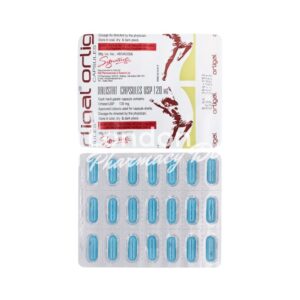
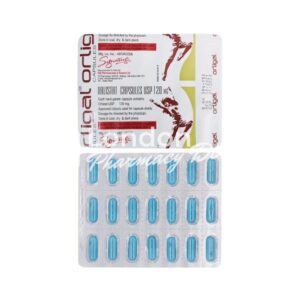
- Forms & dosages: Capsule, 120 mg, oral; Capsule (OTC), 60 mg, oral
- Manufacturers in United Kingdom: Brand (Xenical) produced by F. Hoffmann-La Roche AG; generics available through country-specific wholesalers and pharmacy chains
- Registration status in United Kingdom: Prescription medicine for 120 mg; 60 mg alli available as OTC in select settings
- OTC / Rx classification: Prescription (Rx) for most 120 mg products; OTC for 60 mg alli in some markets
Starting Xenical often raises the same practical question: do you take it in the morning, at lunch, or at night?
The simple answer is that Xenical capsules are usually taken with each main meal containing fat, or up to 1 hour after eating.
There is no special morning or evening preference.
The standard adult dose is Xenical 120mg three times daily, which fits neatly around a normal UK routine of breakfast, lunch and the evening meal.
If a meal is skipped, or if a meal contains no fat, the dose is usually omitted.
Xenical is not taken on an empty stomach in the way some medicines are.
It works in the gut, so food fat needs to be present for it to do its job.
That matters with everyday UK eating habits, whether it is a takeaway curry, a packed lunch, canteen food, or a Sunday roast with all the trimmings.
Higher-fat meals are the main reason people notice oily stools, urgency and leakage, especially early on.
- Take it with the meal, or within 1 hour after eating.
- Skip the dose if the meal had no fat.
- Keep meals lower in fat to reduce oily bowel symptoms.
- Plan ahead for work, commuting and social events if your meal is likely to be rich.
- Choose smaller portions when you know a meal will be heavier than usual.
- Swap fried sides for grilled or baked options where possible.
- Carry spare underwear or wipes if you are still learning how Xenical affects you.
- Use the capsule as part of your weight loss medication plan, not as a stand-alone fix.
Safety Priorities
Who should avoid Xenical, and what should be checked before the first capsule?
Weight loss treatment is generally not suitable in pregnancy, and Xenical should not be used in pregnancy.
It is also not recommended in breastfeeding.
Absolute contraindications include chronic malabsorption syndromes, hypersensitivity to orlistat or excipients, and pregnancy.
People with kidney stones, chronic kidney disease, gallbladder or pancreatic disorders, or those taking warfarin or cyclosporine should get advice first.
In UK practice, that means speaking to a pharmacist, GP, or obesity service before starting an orlistat prescription.
Xenical side effects are usually stomach and bowel related, not sleepy or sedating.
That said, urgent bowel movements, cramping, and oily leakage can make commuting, shift work, school runs, or long drives awkward.
If symptoms are severe, persistent, or linked with dehydration, seek medical help promptly.
| Situation | Advice | Why It Matters |
|---|---|---|
| Avoid | Pregnancy, chronic malabsorption, known hypersensitivity | These are listed contraindications |
| Use Caution | Kidney stones, chronic kidney disease, gallbladder or pancreatic disorders | Extra monitoring may be needed |
| Seek Advice | Warfarin, cyclosporine, severe bowel symptoms, dehydration | Interaction and safety checks matter |
| Plan Ahead | Driving, shift work, public-facing jobs, travel | Urgency or leakage can be disruptive |
Dosage And Adjustments
What is the correct Xenical dose, and does it ever need changing?
The usual regimen is 120 mg capsule orally three times daily with each main meal containing fat.
Doses above 120 mg three times daily do not improve efficacy.
It is normally used alongside a nutritionally balanced reduced-calorie diet containing about 30% of calories from fat.
Progress should be reviewed after 12 weeks, and treatment should be stopped if less than 5% of body weight has been lost.
| Group | Practical Point |
|---|---|
| Children under 12 | Not recommended; safety and efficacy are not established |
| Older adults | No routine dose change, but polypharmacy and comorbidity need consideration |
| Renal impairment | Specific studies are limited; caution is sensible in severe impairment |
| Hepatic impairment | Use caution and seek specialist advice if needed |
For most people looking at orlistat dosage in the UK, the practical message is the same: take Xenical with fat-containing meals, keep the diet lower in fat, and review whether it is helping.
User Experiences
What do people usually say about Xenical reviews in the UK?
Many patients report feeling more in control once they link the capsules with a clear eating plan.
Gradual weight loss is often the main positive, rather than a dramatic change.
People also tend to value straightforward pharmacy advice, which fits the UK habit of asking a pharmacist first.
Typical experiences are not guarantees, but they do help set expectations.
Common frustrations come up again and again in patient forums and on discussion sites.
- What helps: eating lower-fat meals, planning bathroom access, and sticking with the routine.
- What helps: having realistic expectations about slow, steady progress.
- What frustrates people: oily stools, urgency, and needing toilets when out.
- What frustrates people: stopping too early because results are not instant.
Early side effects often improve when meals are lower in fat.
That is why Xenical and diet work best together, rather than on their own.
Buying Guide
Where can Xenical be bought safely in the UK, and what should you check before ordering?
Xenical 120 mg is generally prescription-only in the UK, while alli 60 mg is the lower-strength OTC version in selected settings.
Common access routes include an NHS prescription, a private prescription, and registered online pharmacies.
Well-known UK pharmacy names such as Boots, LloydsPharmacy and Superdrug are familiar to many patients, but any online seller should be checked for General Pharmaceutical Council registration.
That protects you from unregulated sellers and poor-quality products.
For people comparing prices, the route matters as much as the brand.
In England, NHS prescription charges may apply.
Scotland, Wales and Northern Ireland do not charge for NHS prescriptions.
Private prices vary by pharmacy, pack size, and whether the product is branded Xenical or generic orlistat.
| Route | Typical Access | Cost Consideration |
|---|---|---|
| NHS prescription | Usually via GP or specialist service | England charges may apply; free in Scotland, Wales and Northern Ireland |
| Private prescription | Through a private prescriber or clinic | Pharmacy price varies by pack and strength |
| Registered online pharmacy | Assessment and supply through a GPhC-registered site | Check registration before paying |
| OTC alli 60 mg | Lower-strength option in selected settings | Often easier to access, but not the same as Xenical 120mg |
In our online pharmacy, Xenical is available without a prescription, with discreet delivery to United Kingdom in 5-14 days.
What Is Inside And How It Works
What exactly is Xenical, and why does it work differently from appetite suppressants?
The INN is orlistat, and Xenical is the best-known brand.
alli is the lower-dose OTC version used in some markets.
The ATC code is A08AB01.
Xenical capsules are taken by mouth, with 120 mg Rx capsules as the standard strength and 60 mg OTC capsules available in some countries.
In simple terms, orlistat is a lipase inhibitor.
It blocks some of the enzymes in the gut that break down fat, so part of the fat passes through unabsorbed.
That is why the medicine is described as a fat absorption blocker.
The same mechanism explains the common bowel effects.
If more fat stays in the bowel, stools can become oily or urgent, particularly after a rich meal.
| Term | Plain-English Meaning |
|---|---|
| Orlistat | The active ingredient |
| Xenical | The branded prescription capsule |
| Lipase inhibitor | Blocks fat-digesting enzymes in the gut |
| Fat absorption blocker | Reduces how much dietary fat is absorbed |
Main Uses
Who is Xenical meant for, and what is it actually approved to do?
Xenical is used for weight loss in adults.
It is intended to support a reduced-calorie diet, not replace one.
That makes it part of a wider weight-management plan, rather than a lifestyle-only product.
The medicine is most appropriate when there is a clear need for medical weight management.
| Use | Status |
|---|---|
| Adult weight loss support | Approved use |
| Reduced-calorie diet support | Approved use |
| Off-label use in clinics | Only discussed by a clinician; not routine |
| Obesity treatment pathways | Common UK focus, alongside BMI and metabolic risk |
Interaction Warnings
Does Xenical clash with tea, coffee, alcohol, or other medicines?
The main food issue is fatty meals, not tea or coffee.
High-fat meals increase the chance of oily stools, urgency and abdominal discomfort.
Alcohol is not the main interaction, but heavy drinking can make weight goals harder and can affect food choices.
A few small swaps can make daily use easier.
- Choose grilled, baked or boiled foods instead of fried meals.
- Use smaller portions when eating out or ordering takeaway.
- Pick lower-fat sauces and dressings where possible.
- Keep an eye on hidden fats in pastries, creamy dishes and late-night snacks.
Some medicines need extra care, especially cyclosporine and warfarin.
Always mention prescription medicines, over-the-counter products and supplements before starting.
If side effects need reporting, the MHRA Yellow Card system is used in the UK.
| Medicine | Concern | Action |
|---|---|---|
| Cyclosporine | May need monitoring | Check with a pharmacist or prescriber |
| Warfarin | INR monitoring may be needed | Tell the anticoagulation team |
| Other medicines and supplements | Interaction history still matters | Ask before combining with Xenical |
Latest Evidence And Insights
Is Xenical still a sensible option when newer weight loss medicines are around?
Orlistat remains a recognised option, especially when dietary support and follow-up are in place.
Product data include long-term use studies of up to 2 to 4 years.
In real life, adherence often decides the outcome.
If someone cannot manage the lower-fat diet, the bowel side effects are more likely to get in the way.
That is why practical support matters as much as the capsule itself.
Current NHS and MHRA updates should always be checked before starting or switching.
Alternative Choices
What else might be considered if Xenical is not the right fit?
Different medicines suit different people depending on whether they want capsules or injections, how well they tolerate side effects, and what is available on the NHS.
| Medicine | Pros | Cons |
|---|---|---|
| alli 60 mg | Lower strength and easier to access in some settings | Not the same dose as Xenical 120 mg |
| Saxenda | Injectable option for some patients | Injection, prescription only |
| Wegovy / Ozempic | Injectable GLP-1 options | Access, cost and suitability vary |
| Contrave / Mysimba | Tablet option with a different mechanism | Not suitable for everyone |
Xenical alternatives should always be discussed with a prescriber or pharmacist, especially if the main issue is side effects, access, or lack of progress.
Regulation Snapshot
How is Xenical classified, and why do patients hear different things about it online?
Xenical is an approved prescription medicine in the UK context, with orlistat recognised internationally and alli 60 mg available in some settings.
The 120 mg strength is the standard prescription dose.
Regulatory status can differ by country.
FDA approval, EMA approval, and ANMDMR registration in Romania are all part of the wider regulatory picture.
For UK patients, the key point is that supply should come through a registered pharmacy.
That is also why people often ask the pharmacist first when they want straight answers about orlistat prescription rules.
| Market | Strength | Legal Status | Access Route |
|---|---|---|---|
| United Kingdom | 120 mg / 60 mg | Prescription or OTC depending on strength and product | Registered pharmacy |
| United States | 120 mg / 60 mg | Rx and OTC | Pharmacy supply |
| European Union | 120 mg | Prescription only | Registered supply chain |
| Romania | 120 mg | Registered inclusion | ANMDMR-listed supply |
Frequently Asked Questions
Do I take Xenical before or after food?
Take it with meals containing fat, or up to 1 hour after eating.
What happens if I miss a dose?
If the meal was within the last hour, take the dose; if more than 1 hour has passed, skip it and do not double up.
Can I buy Xenical online safely in the UK?
Yes, but only use a registered pharmacy and check General Pharmaceutical Council registration before ordering.
How is Xenical different from alli?
Xenical is the 120 mg prescription capsule, while alli 60 mg is the lower-strength OTC version in some markets.
What if oily stools start early on?
That often means the meal was too high in fat, so lowering fat intake usually helps.
Guidelines For Proper Use
How would a UK pharmacist usually explain Xenical before you leave the counter?
Take one 120 mg capsule three times daily with your main meals containing fat.
Do not increase the dose, because doses above 120 mg three times daily do not improve efficacy.
Keep the capsules in the original packaging, stored at 15 to 30°C, away from moisture and light.
Do not freeze them.
If you miss a dose, follow the meal-based rule rather than trying to catch up later.
Book the 12-week review and be honest about progress, because treatment should be stopped if less than 5% body weight has been lost.
- Start with the first main meal containing fat.
- Keep the diet reduced in calories and lower in fat.
- Expect bowel side effects early if meals are too rich.
- Speak to a pharmacist if the symptoms are troublesome.
- Ask for advice if you have kidney concerns or take warfarin or cyclosporine.
Pairing Xenical with dietitian input, activity goals and regular weight checks gives the treatment the best chance of working.
Delivery Across United Kingdom
| City | Region | Delivery time |
|---|---|---|
| London | Greater London | 5-7 days |
| Birmingham | West Midlands | 5-7 days |
| Manchester | North West England | 5-7 days |
| Liverpool | North West England | 5-7 days |
| Leeds | West Yorkshire | 5-7 days |
| Glasgow | Scotland | 5-7 days |
| Edinburgh | Scotland | 5-7 days |
| Bristol | South West England | 5-7 days |
| Cardiff | Wales | 5-7 days |
| Newcastle upon Tyne | North East England | 5-7 days |
| Sheffield | South Yorkshire | 5-9 days |
| Nottingham | East Midlands | 5-9 days |
| Leicester | East Midlands | 5-9 days |
| Coventry | West Midlands | 5-9 days |
| Aberdeen | Scotland | 5-9 days |