
Vibramycin
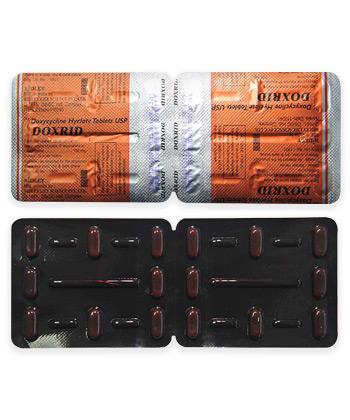
Vibramycin
- Vibramycin can be obtained from pharmacies and online suppliers; officially it is a prescription-only (Rx) medicine in the US, UK, EU and most countries, but in practice it is sometimes sold without a prescription by certain pharmacies or online vendors depending on local regulations and supplier practices.
- Vibramycin (doxycycline) is used to treat a wide range of bacterial infections (acne, respiratory and urogenital infections, tick‑borne diseases, skin/soft tissue infections, malaria prophylaxis, anthrax exposure). It is a tetracycline antibiotic that works by inhibiting bacterial protein synthesis via binding to the 30S ribosomal subunit (bacteriostatic action).
- Typical adult dosing: initial 200 mg on first day followed by 100 mg daily (or 100 mg twice daily for severe infections); acne commonly 50–100 mg daily; malaria prophylaxis 100 mg daily; paediatric dosing ~2.2 mg/kg every 12 hours up to 200 mg/day (used only in children ≥8 years or for severe cases).
- Administration forms include oral tablets and capsules (50 mg, 100 mg), oral suspension, and powder for injection (single‑use IV vials); the usual route is oral, with IV for severe cases.
- Systemic drug levels are reached relatively quickly (oral absorption within about 1–3 hours); clinical improvement is commonly seen within 24–48 hours for many infections once effective levels are achieved.
- Duration of action allows once‑daily dosing for many indications—doxycycline has a long elimination half‑life (approximately 18–22 hours), so therapeutic effect typically persists about 24 hours per dose.
- Avoid excessive alcohol while taking Vibramycin; alcohol does not directly contraindicate use but can worsen gastrointestinal side effects and impair recovery from infection, so moderation is advised.
- The most common side effects are gastrointestinal upset (nausea, vomiting, diarrhoea) and photosensitivity (increased risk of severe sunburn); other common complaints include headache and mild liver enzyme elevations.
- Would you like to try vibramycin without a prescription?
Vibramycin
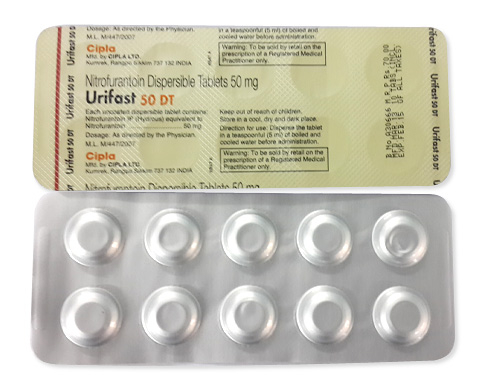
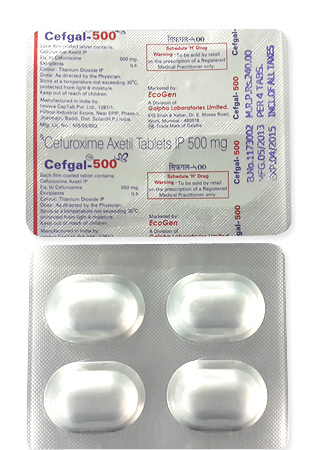
Basic Vibramycin Information
- INN (International Nonproprietary Name): Doxycycline.
- Brand Names Available In United Kingdom: Vibramycin and multiple generic doxycycline products supplied by global and local manufacturers.
- ATC Code: J01AA02 (Tetracyclines, used systemically as broad‑spectrum antibacterials).
- Forms & Dosages: Tablets 100 mg and 50 mg; capsules 100 mg; powder for injection 100 mg vials; oral suspension (rare) 25 mg/5 ml.
- Manufacturers In United Kingdom: Pfizer (originator), with generics from manufacturers such as Hexal AG/Sandoz, Mayne Pharma, Mylan and other regional suppliers.
- Registration Status In United Kingdom: Registered and regulated by the MHRA as a prescription‑only medicine.
- OTC / Rx Classification: Prescription‑only medicine (Rx Only) in the UK.
Everyday Use & Best Practices
Morning Vs Evening Dosing
Are you wondering whether to take doxycycline in the morning or evening?
Many UK patients take a once‑daily 100 mg dose with breakfast to help remember it and to reduce nausea.
When a twice‑daily regimen is prescribed, splitting doses at breakfast and in the evening keeps levels steady and fits most routines.
For a loading dose approach, the common option is 200 mg on day one followed by 100 mg daily, or 100 mg twice daily for severe infections.
Avoid taking a dose immediately before lying down to reduce the risk of oesophageal irritation or ulceration.
If you feel queasy, taking doxycycline with a small snack often helps without affecting absorption significantly.
Taking With Or Without Meals (UK Diet Habits)
Can your tea and bacon sarnie affect absorption?
Dairy products, calcium‑fortified tea or coffee and calcium supplements can reduce doxycycline absorption, so separate these by 2–3 hours when practical.
Strong British tea with milk is common, so if you take your dose around tea time avoid milk in the cup for a couple of hours.
Avoid antacids and iron‑containing foods or supplements close to your dose because multivalent cations bind the drug and lower its effectiveness.
Use a simple dispensing checklist that lists "Drugs and Foods To Avoid" and "When To Take Your Dose" to help adherence.
Patient checklist example: take with a full glass of water, stay upright for 30 minutes, avoid milk and calcium for 2–3 hours, and set a phone reminder.
Safety Priorities
Who Should Avoid It (MHRA Warnings)
Worried whether doxycycline is safe for you?
The MHRA classifies doxycycline as contraindicated in pregnancy and breastfeeding because of risks to fetal development and permanent tooth discolouration.
Children under eight years must avoid doxycycline except in life‑threatening situations, due to risk of permanent tooth staining and effects on bone growth.
Anyone with known hypersensitivity to doxycycline or other tetracyclines must not take it.
Caution is required in severe hepatic impairment and in people with a history of photosensitivity reactions; clinicians will monitor liver function if long courses are needed.
Always tell your prescriber about any history of liver disease, myasthenia gravis or previous severe sun reactions before starting therapy.
Activities To Limit (Driving, Work Safety)
Will doxycycline affect your ability to drive or work?
Photosensitivity is common and can cause severe sunburn, so avoid prolonged sun exposure and tanning beds while taking the drug.
Use high‑factor sunscreen and protective clothing if you must be outdoors, especially for roofing or other outdoor manual jobs.
Occasionally doxycycline causes dizziness or visual disturbance, so do not drive or operate heavy machinery until you know how it affects you.
For safety at dispensing, provide a quick table that shows contraindications on one column and activity advice on the other to hand to patients.
If you develop severe diarrhoea, allergic symptoms or signs of liver injury, seek urgent medical attention via GP, NHS 111 or A&E.
Dosage & Adjustments
General Regimen (NHS Guidance)
Patients often ask what the typical doxycycline course looks like.
For many infections prescribers use a 200 mg loading dose on day one then 100 mg daily maintenance, or 100 mg twice daily for severe infections.
Common durations are 7–10 days for acute infections and up to 12 weeks for acne under specialist supervision.
For malaria prophylaxis the standard adult dose is 100 mg once daily, starting 1–2 days before travel and continuing for 4 weeks after return.
NHS prescribers tailor dose and duration to diagnosis and local antimicrobial guidance and will explain the plan when issuing a prescription.
Always complete the full course as directed to reduce relapse and resistance risks.
Special Cases (Elderly, Comorbidities)
Do older patients need a lower dose?
Elderly people usually require no dose change but monitoring of gastrointestinal tolerance and hepatic or renal status is sensible.
Renal impairment rarely requires adjustment because doxycycline is largely non‑renally eliminated, but severe hepatic dysfunction warrants caution and monitoring.
Paediatric dosing is restricted: for severe, life‑threatening infections clinicians may use 2.2 mg/kg every 12 hours up to 200 mg/day in children over eight years.
Keep a checkbox for monitoring needs at dispensing, including baseline liver checks for prolonged therapy and INR monitoring if the patient is on warfarin.
User Testimonials
Positive Reports From UK Patients
Curious what others in the UK say about their experience?
Many patients report rapid symptom relief for tick‑borne infections and satisfaction with acne control when doxycycline is used under clinical supervision.
Travellers often praise the simplicity of daily malaria prophylaxis compared with other options.
Brand recognition of Vibramycin versus generics influences initial trust, but many accept generic doxycycline as equally effective when dispensed by familiar pharmacies.
Positive comments commonly highlight the convenience of once‑daily dosing and good tissue penetration for respiratory infections.
Short patient quote for leaflets: "Took my 100 mg each morning with breakfast and felt better within days — sunscreen kept me safe on holiday."
Common Challenges (Patient.info, NHS Forums)
What are the usual complaints on forums like Patient.info and NHS message boards?
Gastrointestinal upset such as nausea and reflux is commonly reported, along with unexpected photosensitivity and occasional oesophageal pain when tablets are not taken with enough water.
Many patients struggle to coordinate doses around tea and milk‑rich meals, so practical tips like setting reminders are popular peer suggestions.
Real‑world advice includes taking the tablet with a small snack, carrying high‑factor sunscreen, and staying upright for at least 30 minutes after swallowing a tablet.
Provide a bulleted pros/cons list in leaflets: pros include broad spectrum and simple dosing; cons include photosensitivity and pregnancy contraindications.
Buying Guide
Pharmacy Sources (Boots, LloydsPharmacy, Superdrug)
Where can you collect a prescription for doxycycline in the UK?
Vibramycin and generic doxycycline are prescription‑only and are dispensed at Boots, LloydsPharmacy, Superdrug and independent community pharmacies on presentation of a valid prescription.
Online pharmacies will supply doxycycline on receipt of a valid prescription and may use the NHS Electronic Prescription Service.
Some private travel clinics also dispense doxycycline for malaria prophylaxis after clinical assessment.
Note for patients: in our online pharmacy, vibramycin is available without a prescription, with discreet delivery to United Kingdom in 5-14 days.
Price Comparison (NHS Prescription Charge Vs Private)
How much will it cost you?
NHS prescriptions are free in Scotland, Wales and Northern Ireland, while England has a per‑item charge (check current NHS guidance for the exact amount and exemptions).
Private prescriptions and branded Vibramycin cost more than generics, which are usually the cheaper option at community pharmacies.
Provide a simple comparison table at dispensing showing NHS prescription charge versus typical private cost for branded and generic products to support informed decisions.
Always check whether you qualify for prescription exemptions before paying privately.
What’s Inside & How It Works
Ingredients Overview
What is the active substance in Vibramycin?
The active ingredient is doxycycline, often presented as doxycycline hyclate or doxycycline monohydrate depending on manufacturer formulation.
Forms include 100 mg and 50 mg tablets and capsules, 100 mg vials for injection and occasional oral suspensions for children.
Excipients vary between brands, so check the patient information leaflet if you have known excipient allergies.
Manufacturers listed in supply data include Pfizer as originator and multiple generic makers like Hexal AG/Sandoz, Mayne Pharma and Mylan.
Mechanism Basics Explained Simply
How does doxycycline fight infection?
Doxycycline is a tetracycline antibiotic that works by inhibiting bacterial protein synthesis, acting bacteriostatically to prevent bacterial growth.
Its good oral bioavailability and tissue penetration make it useful for respiratory, urogenital and tick‑borne infections.
Because it suppresses rather than rapidly kills bacteria, completing the full prescribed course is important to avoid relapse.
Patient leaflet diagram line: "Doxycycline → Stops Bacteria Making Proteins → Slows Growth → Body Clears Infection."
Main Indications
Approved Uses (MHRA Listing)
What is doxycycline prescribed for in the UK?
Common indications include acne vulgaris, bacterial respiratory tract infections, urogenital infections such as chlamydia, periodontitis, tick‑borne diseases including Lyme disease, malaria prophylaxis and selected skin and soft tissue infections.
It is also used in some protocols for anthrax exposure and other specialist indications where appropriate.
Clinicians follow MHRA registration and national treatment protocols when selecting doxycycline for these indications.
Provide a table at dispensing listing condition, typical adult dose and usual duration to set expectations.
Off‑Label Uses In UK Clinics
Are there clinic uses that differ from standard licences?
Off‑label uses seen in UK practice include sub‑antimicrobial low‑dose doxycycline for inflammatory skin conditions and adjunct periodontal therapy, prescribed on a clinician‑by‑clinician basis.
Such prescribing is evidence‑led and clinician‑led, with monitoring for benefit and adverse effects.
Always confirm indication and expected duration with the prescriber before starting an off‑label course.
Interaction Warnings
Food Interactions (Alcohol, Tea/Coffee)
Can your cuppa or supplement hamper doxycycline?
Calcium‑rich foods and milk can reduce absorption and should ideally be separated by 2–3 hours from the dose.
Many UK patients drink tea with milk, so avoid milk in your tea or have the dose at a different time to maintain absorption.
Alcohol does not directly interact pharmacologically with doxycycline but may worsen gastrointestinal side effects, so moderation is sensible.
A short checklist for patients: avoid milk and calcium for 2–3 hours, do not take with iron or antacid tablets, and limit alcohol to reduce nausea risk.
Drug Conflicts (MHRA Yellow Card Reports)
Which medicines should you mention to your prescriber?
Avoid antacids, iron supplements and multivalent cation preparations within a few hours of taking doxycycline as they bind and reduce absorption.
Concomitant systemic retinoids increase the risk of intracranial hypertension and should not be combined without specialist advice.
Doxycycline can interact with warfarin, so INR monitoring may be needed if co‑prescribed, and some anticonvulsants may affect doxycycline levels.
Report unexpected adverse events via the MHRA Yellow Card scheme and seek medical advice for severe reactions such as severe diarrhoea or allergic responses.
Latest Evidence & Insights
What do recent UK and EU studies say about doxycycline?
Guidance from 2022–2025 emphasises antibiotic stewardship while maintaining doxycycline’s role for tick‑borne infections and atypical respiratory pathogens because of its pharmacokinetics and tissue penetration.
There is growing interest in sub‑antimicrobial dosing for inflammatory dermatology and ongoing surveillance for resistance patterns in certain settings.
Travel medicine continues to favour doxycycline for malaria prophylaxis in many travellers due to simple daily dosing and proven efficacy when used correctly.
Clinical implications include following local antimicrobial guidelines, limiting treatment duration to what is necessary and choosing targeted therapy where culture data is available.
Alternative Choices
What are common NHS alternatives to doxycycline and when are they used?
Amoxicillin is often chosen for many respiratory infections and is considered safe in pregnancy, so it is used when doxycycline is contraindicated.
Macrolides such as azithromycin or clarithromycin are alternatives for atypical organisms or in patients with penicillin allergy, but they have different interaction profiles.
Minocycline is another tetracycline‑class option for acne, though it has a different side‑effect profile including possible vestibular effects.
Topical agents like benzoyl peroxide and topical retinoids are first‑line for mild acne to minimise systemic antibiotic use.
Provide a simple table comparing indication, pregnancy safety, age limits and key side effects to support shared decision‑making.
Regulation Snapshot
How is doxycycline regulated and prescribed in the UK?
Doxycycline, including the Vibramycin brand, is registered with regulatory agencies and is prescription‑only in the UK under MHRA control.
Pfizer is the originator for Vibramycin and many generics are available from manufacturers such as Hexal AG/Sandoz, Mayne Pharma and Mylan.
Most doxycycline prescriptions are issued by GPs, sexual health and travel clinics and dispensed by community pharmacists under standard NHS frameworks using EPS where available.
Adverse reactions should be reported via the MHRA Yellow Card scheme to support pharmacovigilance.
FAQ
Can I take Vibramycin with milk or tea?
Avoid taking it directly with milk, calcium‑fortified drinks or iron supplements; separate by 2–3 hours where possible.
Is it safe in pregnancy or while breastfeeding?
No, doxycycline is contraindicated in pregnancy and breastfeeding due to fetal risks and tooth discolouration; inform your GP immediately if you become pregnant while taking it.
Can I drive?
Most people can drive, but if you experience dizziness or visual disturbance avoid driving until symptoms resolve; photosensitivity can affect outdoor work.
Can I get it without a prescription?
No — the MHRA classifies doxycycline as prescription‑only in the UK, and it should be supplied only after clinician assessment.
Tell your prescriber if you are pregnant, breastfeeding, under eight years old, allergic to tetracyclines, on warfarin, or taking antacids or iron supplements.
Guidelines For Proper Use
What should pharmacists tell patients at dispensing?
Confirm the indication, dose and duration and emphasise swallowing tablets with a full glass of water while remaining upright for 30 minutes to reduce oesophageal irritation.
Review concurrent medicines and supplements, especially antacids, calcium and iron, and warn about photosensitivity and the need for high‑factor sunscreen.
Explain missed doses: take as soon as remembered unless the next dose is near, and do not double up; for overdose seek urgent medical attention.
For prolonged therapy arrange baseline hepatic monitoring if clinically indicated and provide a printable "What The Pharmacist Told Me" checklist for patients to keep.
For travel malaria prophylaxis confirm timing: start 1–2 days before travel and continue for four weeks after leaving the endemic area.
Delivery Across United Kingdom
| City | Region | Delivery Time |
|---|---|---|
| London | England | 5-7 days |
| Birmingham | England | 5-7 days |
| Manchester | England | 5-7 days |
| Glasgow | Scotland | 5-7 days |
| Edinburgh | Scotland | 5-7 days |
| Leeds | England | 5-7 days |
| Liverpool | England | 5-7 days |
| Bristol | England | 5-7 days |
| Cardiff | Wales | 5-7 days |
| Belfast | Northern Ireland | 5-7 days |
| Newcastle | England | 5-9 days |
| Sheffield | England | 5-9 days |
| Leicester | England | 5-9 days |
| Coventry | England | 5-9 days |
| Aberdeen | Scotland | 5-9 days |