
Glucobay
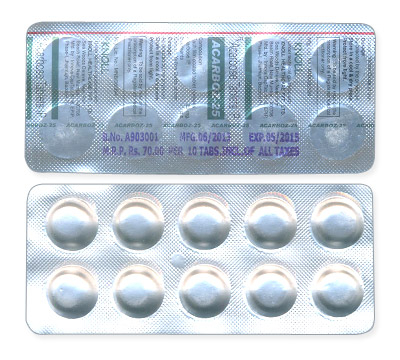
Glucobay
- In our pharmacy, you can buy glucobay without a prescription, with delivery in 5–14 days throughout the United Kingdom. Discreet and anonymous packaging available.
- Glucobay (acarbose) is used to treat type 2 diabetes mellitus; it is an oral alpha‑glucosidase inhibitor that delays the digestion and absorption of carbohydrates to reduce postprandial blood glucose spikes.
- The usual dose is 25 mg three times daily with the first bite of each main meal, titrating to 50 mg or 100 mg three times daily as tolerated; the maximum recommended dose is 100 mg three times daily.
- The form of administration is oral tablet.
- The effect typically begins during the meal and within about 30–60 minutes after administration.
- The duration of action covers the postprandial period and is typically around 4–6 hours per dose, corresponding to meal digestion time.
- Avoid excessive alcohol; alcohol can affect blood glucose control and may worsen gastrointestinal or hepatic side effects when taking antidiabetic medicines.
- The most common side effect is flatulence and abdominal discomfort (including bloating and diarrhoea), which are usually dose‑dependent and often diminish with continued use.
- Would you like to try “glucobay” without a prescription?
Glucobay
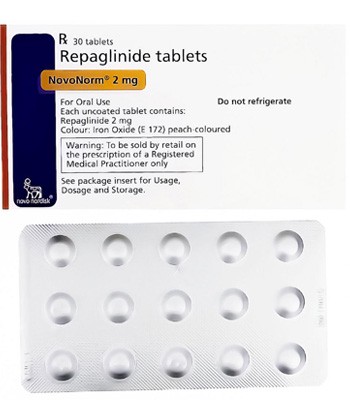
Basic Glucobay Information
- INN (International Nonproprietary Name): Acarbose
- Brand Names Available In United Kingdom: Glucobay (EU/Other); Precose (USA); local generics and branded suppliers as listed by manufacturers — verify local packaging
- ATC Code: A10BF01 — Acarbose (Alpha‑glucosidase inhibitor)
- Forms & Dosages: Tablet 25 mg, 50 mg, 100 mg; oral route
- Manufacturers In United Kingdom: Global supplier Bayer; local generics from multinational firms such as Sun Pharma, Cipla, Lupin — check local market listings
- Registration Status In United Kingdom: Not specified
- OTC / Rx Classification: Prescription Only (Rx)
Instructions, Warnings And Daily-Life Integration For UK Patients
How should I take Glucobay each day?
Take Glucobay (acarbose) with the first bite of each main meal and do not take it between meals.
Starting dose checklist
- Start at 25 mg three times daily with the first bite of each main meal.
- Titrate slowly to 50 mg three times daily as tolerated, then to 100 mg three times daily if needed.
- Maximum single dose regimen is 100 mg three times daily.
Safety checklist for everyday life
- Keep a source of quick‑acting glucose (dextrose) available because ordinary sugar (sucrose) will not reverse hypoglycaemia when on acarbose.
- In case of overdose expect flatulence, diarrhoea and abdominal discomfort; hypoglycaemia is uncommon unless combined with other antidiabetics.
Storage and access
- Store at room temperature, around 25°C, with acceptable excursions 15–30°C and protect from humidity.
- Glucobay is a prescription‑only medicine; obtain supply via NHS prescriptions, community pharmacies such as Boots, LloydsPharmacy and Superdrug, or registered online pharmacies.
- Follow MHRA and NHS guidance for monitoring and report concerns to your diabetes team.
Everyday Use & Best Practices
Morning Vs Evening Dosing
- Glucobay is usually taken three times daily with each main meal to control postprandial glucose.
- There is no clinical advantage to concentrating the dose in the morning or evening; split doses evenly across breakfast, lunch and dinner for steady control.
- If your evening meal is the largest of the day, ensure the evening dose aligns with the first bite to blunt that postprandial spike.
- For shift workers or irregular meal patterns, take each dose with the first bite of whatever you consider your main meal at that time.
Taking With Or Without Meals (UK Diet Habits)
Always take Glucobay with the first bite because acarbose works by delaying carbohydrate breakdown in the gut.
UK meals commonly include bread, potatoes and carbohydrate‑rich sauces, so consistent portion control and steady carbohydrate intake improve tolerability and effectiveness.
If you miss a dose, take it with the next main meal and do not double up to make up for the missed tablet.
Typical NHS regimen is to start at 25 mg three times daily and increase gradually to 50 mg or 100 mg three times daily as tolerated.
Safety Priorities
Who Should Avoid It (MHRA Warnings)
| Contraindication | Reason |
|---|---|
| Hypersensitivity to acarbose or excipients | Risk of allergic reaction |
| Chronic Intestinal Diseases (IBD, colonic ulceration, partial obstruction) | May worsen abdominal condition |
| Cirrhosis | Contraindicated due to hepatic risk |
| Significant Renal Impairment (serum creatinine >2 mg/dL) | Not recommended; renal dysfunction affects safety |
Activities To Limit (Driving, Work Safety)
Flatulence, abdominal pain and diarrhoea are common and may briefly impair comfort or concentration.
If severe gastrointestinal effects occur, avoid driving or operating heavy machinery until symptoms settle.
Keep glucose gel or dextrose tablets in your bag at work and tell a colleague or employer if you use acarbose with insulin or sulfonylureas because of hypoglycaemia risk.
Dosage & Adjustments
General Regimen (NHS Guidance)
- Standard adult dosing for Type 2 diabetes starts at 25 mg three times daily with the first bite of each main meal.
- Increase gradually to 50 mg or 100 mg three times daily based on gastrointestinal tolerability and glycaemic response.
- Maximum recommended dose is 100 mg three times daily.
- Not established for patients under 18 years of age; prescription only and titrate under clinician supervision.
Special Cases (Elderly, Comorbidities)
Elderly patients require close monitoring for gastrointestinal side effects and for any rise in liver enzymes, although no formal dose reduction is specified.
Renal impairment with serum creatinine >2 mg/dL is a contraindication and therapy should not be used in such cases.
In those with liver disease or unexplained transaminase elevation, reassess therapy and consider lower dosing or alternative agents.
Coordinate with the NHS diabetes team when combining acarbose with insulin or sulfonylureas because of added hypoglycaemia risk.
User Testimonials
Positive Reports From UK Patients
- Many report improved post‑meal blood glucose control and fewer large postprandial spikes when using acarbose alongside dietary changes.
- Patients often value that acarbose targets post‑meal glucose rather than increasing insulin secretion.
- Feedback commonly appears on Patient.info forums and local diabetes support groups where people note modest HbA1c improvements with combined therapy.
Common Challenges (Patient.info, NHS Forums)
The most frequent complaint is gastrointestinal side effects such as flatulence, bloating and diarrhoea, especially during dose escalation.
Some patients stop treatment early rather than titrating slowly; gradual dose increases and practical portion‑control advice from pharmacists help adherence.
Practical peer tips include taking tablets with the first bite and carrying dextrose for safety if combined with hypoglycaemia‑causing drugs.
Buying Guide
Pharmacy Sources (Boots, LloydsPharmacy, Superdrug)
- Glucobay (acarbose) is prescription‑only; obtain via an NHS prescription from your GP or diabetes clinic.
- Private prescriptions are available through Boots, LloydsPharmacy and Superdrug, and via registered online pharmacies.
- Verify packaging and tablet strength when collecting: common tablet strengths include 25 mg, 50 mg and 100 mg.
- Community pharmacists can counsel on dosing, titration and side‑effect management.
Price Comparison (NHS Prescription Charge Vs Private)
In England, NHS prescription charges may apply per item or via prescription prepayment certificates, while Scotland, Wales and Northern Ireland have differing policies on charges.
Private prices vary by chain and online supplier and branded Glucobay may cost more than local generics.
Always buy from MHRA‑registered sellers and bring your NHS repeat prescription when possible for continuity of care.
In our online pharmacy, glucobay is available without a prescription, with discreet delivery to United Kingdom in 5-14 days.
What’s Inside & How It Works
Ingredients Overview
| Strength | Common Brand |
|---|---|
| 25 mg | Generic Acarbose (various manufacturers) |
| 50 mg | Glucobay / Precose |
| 100 mg | Glucobay / Precose |
Mechanism Basics Explained Simply
Acarbose is an alpha‑glucosidase inhibitor that slows carbohydrate breakdown in the gut to reduce postprandial glucose peaks.
It does not stimulate insulin secretion but delays absorption so less glucose appears in the bloodstream immediately after a meal.
Because of this mechanism, simple sugars such as sucrose will not rapidly reverse hypoglycaemia caused while on acarbose; use glucose (dextrose) tablets or gel instead.
Main Indications
Approved Uses (MHRA Listing)
- Indicated for adults with Type 2 diabetes mellitus as an adjunct to diet and exercise to control postprandial blood glucose.
- Licensed in the EU as Glucobay and in other regions under brands such as Precose.
- Usable as monotherapy or in combination with metformin, insulin or sulfonylureas under clinician supervision.
Off‑Label Uses In UK Clinics
Off‑label use of acarbose is uncommon but clinicians may consider it for patients with prominent postprandial hyperglycaemia or intolerance to other agents.
Any off‑label prescribing should be documented, discussed with the patient and monitored via the NHS diabetes service.
Interaction Warnings
Food Interactions (Alcohol, Tea/Coffee)
- Avoid excessive alcohol because it can worsen hypoglycaemia risk when used with insulin or sulfonylureas.
- Tea and coffee do not directly interact with acarbose, but caffeine can affect appetite and gastrointestinal motility so aim for consistent meal patterns.
- Remember that acarbose interferes with carbohydrate digestion so always treat hypoglycaemia with glucose (dextrose) rather than ordinary sugar (sucrose).
Drug Conflicts (MHRA Yellow Card Reports)
Combining acarbose with sulfonylureas or insulin increases the risk of hypoglycaemia and may require dose adjustments of the other antidiabetic.
Monitor liver enzymes when using acarbose with potentially hepatotoxic drugs because transient increases in transaminases have been reported.
Report adverse reactions through the MHRA Yellow Card scheme and ask a pharmacist to assist if you need help with reporting.
Latest Evidence & Insights
Key UK & EU Studies 2022–2025
Recent UK and EU literature continues to show acarbose is effective at reducing postprandial glucose excursions with modest HbA1c reductions when combined with lifestyle measures.
Studies across 2022–2025 reaffirm that gastrointestinal side effects are the main limitation and that gradual titration plus dietary counselling improves persistence.
Regulatory bodies, including EMA‑derived frameworks, continue to list acarbose with safety monitoring recommendations for hepatic issues.
What This Means For Patients
For most patients, acarbose is a niche option valuable where post‑meal spikes are the primary problem or when other agents are unsuitable.
Expect modest glycaemic benefit and prioritise adherence to dietary advice and a slow titration plan to reduce the chance of stopping early because of side effects.
Alternative Choices
NHS Prescribing Alternatives With Pros/Cons Checklist
| Option | Pros | Cons |
|---|---|---|
| Metformin | Weight neutral; low hypoglycaemia risk | Gastrointestinal intolerance in some patients |
| SGLT2 Inhibitors | Cardio‑renal benefits for eligible patients | Higher UTI and genital infection risk |
| DPP‑4 Inhibitors | Well tolerated; easy to use | Smaller HbA1c reductions vs other agents |
| GLP‑1 Receptor Agonists | Weight loss and strong glycaemic effect | Injections and cost considerations |
| Acarbose (Glucobay) | Targets postprandial spikes | Gastrointestinal side effects limit use |
Practical Switching Advice
Switching therapies is clinician‑led and should include a plan to monitor postprandial glucose and HbA1c after stopping acarbose.
Consider increasing metformin or adding agents that lower fasting glucose if postprandial control alone is insufficient.
Discuss costs, side‑effect tolerability and local NHS formulary options with your GP or diabetes nurse before making changes.
Regulation Snapshot
MHRA Approval & EMA Status
- Acarbose is authorised in the EU as Glucobay and has an ATC code A10BF01.
- EMA public assessment reports and FDA labelling exist for international reference.
- MHRA follows EU‑derived safety standards and post‑market vigilance; manufacturers include Bayer and several generics.
- For formal regulatory details consult the EMA and MHRA resources.
NHS Prescribing Framework
Prescribing follows local formularies and diabetes care pathways with repeat prescribing via GP or hospital diabetes clinics common.
In England, prescription charges may apply while Scotland, Wales and Northern Ireland have differing policies on prescription fees.
Pharmacists can supply interim advice, counsel on monitoring and help report side effects via the MHRA Yellow Card.
FAQ Section
Will Glucobay Make Me Gain Weight?
- Acarbose is generally weight‑neutral and does not stimulate insulin secretion that leads to weight gain.
- Continue routine weight monitoring with your diabetes care team.
What Should I Do For Hypoglycaemia?
- If hypoglycaemia occurs while on acarbose with insulin or sulfonylurea, treat with glucose (dextrose) tablets or gel — do not use ordinary sugar (sucrose).
- Inform your clinician and always carry a source of pure glucose when you are on combination therapy.
- Other common FAQs include expected duration of therapy (often long‑term as needed) and how to report adverse reactions (MHRA Yellow Card scheme).
Guidelines For Proper Use
UK Pharmacist Counselling Style
- Confirm indication and current diabetic medications before supply and check liver/renal history.
- Explain dosing clearly: take each tablet with the first bite of each main meal and do not take between meals.
- Advise a start‑low, slow‑titration approach and discuss common GI side effects and how to manage them.
- Advise carrying dextrose, safe storage at around 25°C protected from humidity, and offer help reporting on the MHRA Yellow Card scheme.
NHS Patient Support Advice
Signpost patients to NHS diabetes education, Diabetes UK resources and local peer support groups for practical meal planning and adherence tips.
Arrange blood tests for HbA1c and liver enzymes if clinically indicated and discuss prescription options such as NHS repeat prescriptions or prepayment certificates.
Recommend trusted pharmacies such as Boots, LloydsPharmacy, Superdrug and registered online suppliers for continuity of supply and counselling.
Delivery Across United Kingdom
| City | Region | Delivery Time |
|---|---|---|
| London | Greater London | 5-7 days |
| Birmingham | West Midlands | 5-7 days |
| Manchester | North West England | 5-7 days |
| Glasgow | Scotland | 5-7 days |
| Leeds | West Yorkshire | 5-7 days |
| Liverpool | North West England | 5-7 days |
| Sheffield | South Yorkshire | 5-7 days |
| Bristol | South West England | 5-7 days |
| Edinburgh | Scotland | 5-7 days |
| Cardiff | Wales | 5-9 days |
| Belfast | Northern Ireland | 5-9 days |
| Newcastle Upon Tyne | North East England | 5-9 days |
| Nottingham | East Midlands | 5-9 days |
| Southampton | South East England | 5-9 days |
| Kingston Upon Hull | East Yorkshire | 5-9 days |