
Bimatoprost
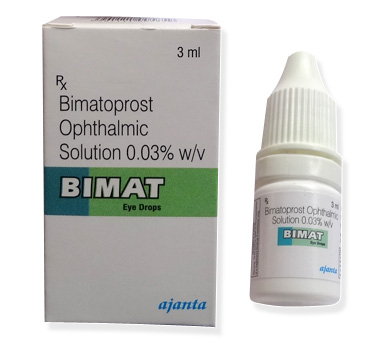
Bimatoprost
- In our pharmacy, you can buy bimatoprost without a prescription, with delivery available in the United Kingdom. It is a prescription-only medicine in regulated markets, but some online pharmacies may offer it without a prescription.
- Bimatoprost is used to reduce raised intraocular pressure in open-angle glaucoma and ocular hypertension. It is a prostaglandin analogue/prostamide that increases the outflow of aqueous humour from the eye, helping to lower eye pressure.
- The usual dose of bimatoprost is 1 drop in the affected eye once daily, usually in the evening or at night.
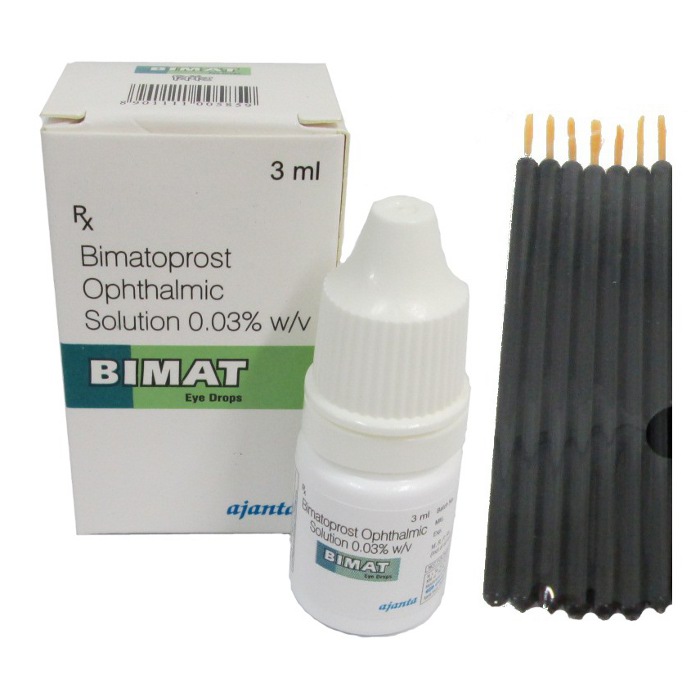
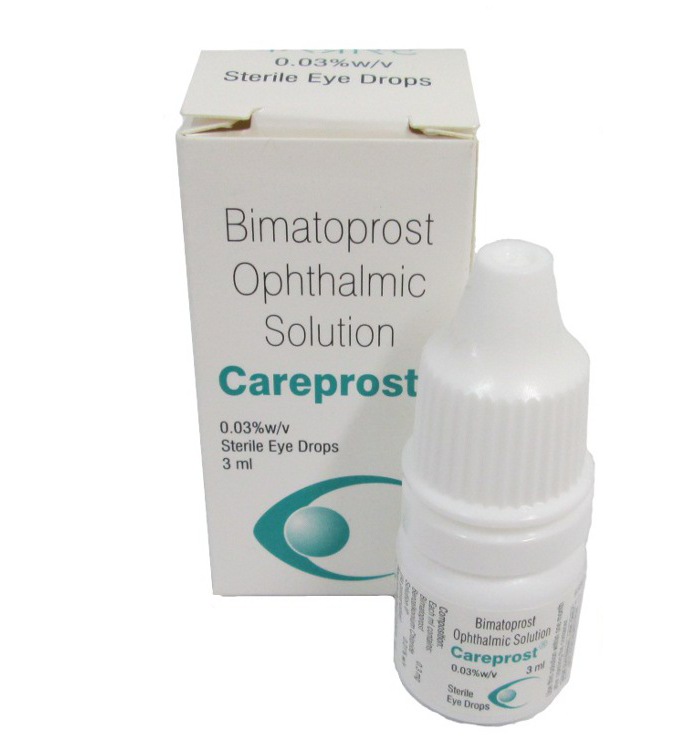
- The form of administration is ophthalmic solution or eye drops, typically in a plastic dropper bottle; an intracameral implant formulation is also available in some markets.
- The effect of the medication usually begins within a few hours, with the full pressure-lowering effect developing over about 8 to 12 hours after dosing.
- The duration of action is about 24 hours, so it is generally used once daily.
- Alcohol does not have a direct known interaction with bimatoprost, but excessive alcohol may worsen dehydration or make it harder to remember doses; it is best to use alcohol cautiously.
- The most common side effects are red eyes (ocular hyperaemia), eyelash growth, eye itching, dry or irritated eyes, and darkening of the eyelid skin.
- Would you like to try bimatoprost without a prescription?
Bimatoprost
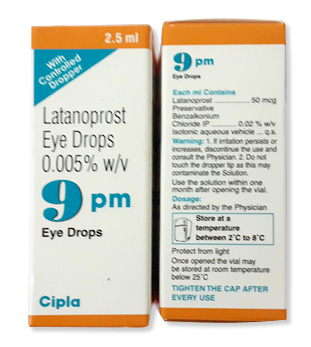
Basic Bimatoprost Information
- INN (International Nonproprietary Name): Bimatoprost
- Brand names available in United Kingdom: Lumigan; multiple generics may be supplied by different manufacturers
- ATC Code: S01EE03
- Forms & dosages: Ophthalmic solution/drops 0.03% (0.3 mg/mL), topical eye use, usually 3 mL or 5 mL bottle; Durysta is a different intracameral implant
- Manufacturers in United Kingdom: AbbVie/Allergan and other global generic suppliers; local packaging varies by manufacturer
- Registration status in United Kingdom: Prescription only (Rx) in regulated markets
- OTC / Rx classification: Prescription Only (Rx)
Everyday Use And Best Practices
Many people want the simplest possible routine, because eye drops are easiest to forget when life is busy.
Morning vs evening dosing is straightforward with bimatoprost.
It is normally used once daily at night for glaucoma or ocular hypertension, which fits the standard regimen for Bimatoprost 0.03% eye drops and Lumigan 0.03%.
A few practical ways to make once-daily night dosing part of daily life are listed below.
- Link the drop to brushing teeth or getting ready for bed.
- Keep the bottle somewhere visible, but safely out of children’s reach.
- Set a phone reminder if your bedtime changes from day to day.
- If a dose is missed, use it when remembered unless it is nearly time for the next one.
- Do not double up to make up for a forgotten dose.
Food does not affect eye-drop use, so meals, tea, coffee, and normal UK eating patterns are not relevant.
For commuters, carers, and older adults managing several medicines, a simple bedtime routine often works best.
Store it below 25°C, away from heat and light, and discard the bottle 4 weeks after opening.
That storage advice matters on hot buses, in parked cars, and in handbags near radiators.
For day-to-day support, NHS and community pharmacists can explain dosing, missed-dose handling, and how to keep bimatoprost safe at home.
Safety Priorities
Which patients should be careful, and when should the drops be avoided altogether?
Bimatoprost is prescription only in regulated markets and should be used under UK prescriber supervision.
Do not use / ask before use:
- Do not use if there is an allergy to bimatoprost or any excipient.
- Do not use with an active ocular infection, such as conjunctivitis.
- Do not use in severe ocular surface disease, including decompensated cornea.
- Ask before use if there is a history of uveitis or iritis.
- Ask before use if there is aphakia or pseudophakia with a ruptured posterior lens capsule.
- Ask before use with ocular inflammatory disease.
- Ask before use if there is severe asthma, bronchospasm, or respiratory distress history.
- Ask before use in pregnancy or breastfeeding, as data are limited and a risk–benefit decision is needed.
Blurred vision or eye irritation can affect driving, machinery use, and shift work after the drop is instilled.
It is sensible to wait until vision is clear before driving, especially after an evening dose that has just been placed.
People in safety-critical work should take extra care if the eyes sting, water, or feel blurred.
Urgent help is needed for severe redness, pain, swelling, or any sign of infection.
Dosage And Adjustments
How much should be used, and does the dose change with age or other health conditions?
| Condition | Usual Dose | Notes |
|---|---|---|
| Open-angle glaucoma | 1 drop in the affected eye(s) once daily, typically at night | Used to lower eye pressure over time; long-term treatment is common |
| Ocular hypertension | 1 drop in the affected eye(s) once daily, typically at night | Follow the exact prescribed frequency and avoid touching the dropper tip |
This regimen reflects NHS-style prescribing and the usual Bimatoprost 0.03% approach seen with Lumigan eye drops.
The medicine is used for open-angle glaucoma and ocular hypertension, and therapy is usually reviewed periodically rather than stopped after a fixed course.
Elderly patients usually do not need a dose adjustment.
Children under 18 are not recommended because safety and efficacy have not been established.
Use with caution in liver or kidney impairment, although systemic absorption is rare.
If pressure targets are not reached, clinicians may add another drop or switch treatment.
User Testimonials
What do UK patients often say after settling into treatment?
These are patient-reported themes rather than proven outcomes.
- “Once-nightly use is easy to remember after a few days.”
- “Local pharmacy support made repeat use less stressful.”
- “Boots, LloydsPharmacy, or Superdrug advice felt familiar and practical.”
- “The eye redness and stinging were the main things to mention to the pharmacist.”
- “I was unsure about eyelash growth and colour changes, so I asked first.”
Common concerns mentioned on Patient.info and NHS forums include red eyes, stinging, cosmetic eyelash growth, and anxiety about iris colour change.
Online forum experiences vary, so they should never replace advice from a clinician or pharmacist.
Buying Guide
Where should bimatoprost be bought, and what matters most when comparing options?
In the UK, bimatoprost is prescription only, so it should be supplied through an NHS prescription or a private prescription from a registered prescriber.
Major high-street pharmacies and online pharmacies can dispense it when the prescription is valid.
Our online pharmacy also offers bimatoprost without a prescription, with discreet delivery to United Kingdom in 5-14 days.
- Buy only from a registered pharmacy with proper checks.
- Check that the medicine matches the prescribed strength and pack size.
- Avoid cosmetic eyelash serum products marketed outside regulated medicine supply.
- Compare brand and generic options if the prescriber is happy for either to be used.
- Ask whether an exemption or prepayment certificate applies if you live in England.
Price varies across the UK because England has prescription charges, while Scotland, Wales, and Northern Ireland provide NHS prescriptions free at the point of dispensing.
Private prices vary by brand, bottle size, and pharmacy, including generic options.
For many patients, the cheapest route is the one that combines safe supply, valid prescribing, and reliable follow-up.
What Is Inside And How It Works
Bimatoprost 0.03% is an ophthalmic solution at 0.3 mg/mL, usually supplied in 3 mL or 5 mL plastic bottles with a dropper top.
Brand names include Lumigan, while multiple generics are also available in different markets.
Durysta is a different intracameral implant and is not the same as standard drops.
In plain English, bimatoprost helps lower eye pressure by improving fluid drainage inside the eye.
That is why it is used in glaucoma treatment and ocular hypertension, where reducing pressure helps protect vision over time.
It belongs to the prostaglandin analogue and prostamide group, with ATC code S01EE03.
Patients usually do not need the pharmacology in detail, but it helps to know that this is a pressure-lowering eye medicine rather than a simple lubricating drop.
Main Indications
What is bimatoprost actually approved to do?
| Approved use | Benefit | Typical frequency |
|---|---|---|
| Open-angle glaucoma | Lowers intraocular pressure to help protect vision | Once daily, typically at night |
| Ocular hypertension | Reduces raised eye pressure over time | Once daily, typically at night |
The approved use is prescription only and follows standard prescriber pathways in the UK.
Off-label cosmetic eyelash or eyebrow use is unapproved and should be approached with caution.
Products marketed as Bimatoprost eyelash growth treatment or prescription eyelash treatment may look similar, but medical supervision is essential because eye safety matters.
If a patient is considering any cosmetic use, that discussion should happen with a qualified clinician or pharmacist first.
Interaction Warnings
Do tea, coffee, or meals matter with eye drops?
- Food and drinks do not meaningfully interact with bimatoprost.
- Tea, coffee, and alcohol are not the main issue for dosing.
- Alcohol may worsen dehydration-related eye comfort in some people.
- Contact lens wearers may need advice on how long to wait after instilling the drop.
Most interaction concerns involve other eye medicines or conditions that increase the chance of irritation or inflammation.
It is important to tell the prescriber about all eye drops, including combination therapy such as bimatoprost with timolol.
If side effects are suspected, they can be reported through the MHRA Yellow Card scheme.
For practical safety, keep an up-to-date list of every eye medicine, especially if more than one prescriber is involved.
Latest Evidence And Insights
What does the recent evidence say, and does it change day-to-day use?
| Finding | Patient Impact |
|---|---|
| Recent UK and EU sources continue to support bimatoprost as an effective pressure-lowering option | It remains a standard choice for glaucoma treatment and ocular hypertension |
| Redness and pigmentation changes still need monitoring | Side effects should be reviewed rather than ignored |
| Individual response varies | Follow-up eye pressure checks remain important |
| The medicine has a substantial regulatory history, with numerous clinical trials registered | Its long-standing use gives prescribers a broad evidence base |
Public information from the EMA, FDA DailyMed, and UK ophthalmology practice continues to support its established place in care.
If tolerability is poor or pressure control is not enough, switching to an alternative may be the right next step.
Persistent use matters, because glaucoma treatment depends on regular lowering of eye pressure over time rather than occasional use.
Alternative Choices
What if bimatoprost causes side effects, is unavailable, or does not lower pressure enough?
- Latanoprost — similar prostaglandin analogue.
- Pros: once-daily use, widely familiar in glaucoma care.
- Cons: may still cause redness or irritation.
- Travoprost — another prostaglandin analogue.
- Pros: option when a switch is needed.
- Cons: tolerability may still be an issue for some patients.
- Tafluprost — prostaglandin analogue option.
- Pros: alternative if another medicine is not well tolerated.
- Cons: may not suit every target pressure plan.
- Timolol — beta-blocker eye drop.
- Pros: useful in some treatment plans and combination regimens.
- Cons: may be unsuitable in people with asthma or bronchospasm history.
Combination therapy, including bimatoprost plus timolol, is often used when one medicine is not enough.
Clinicians choose based on side effects, pressure target, prior response, asthma history, and whether the patient prefers once-daily dosing.
That decision is usually practical rather than brand-led, and the aim is steady long-term control.
Regulation Snapshot
How tightly is bimatoprost controlled in the UK and across regulated markets?
| Regulatory point | What it means |
|---|---|
| Prescription only | Supply requires a valid prescription in regulated markets |
| MHRA and NHS pathways | Prescribing usually follows ophthalmology assessment and review |
| Brand and generic variation | The active substance remains bimatoprost even when packaging changes |
| Registered pharmacy supply | Online pharmacies must carry out proper checks |
Imported or cosmetic products may not meet UK regulatory standards.
For patients, the key point is simple: use a registered supply route and keep the prescriber informed of any changes in symptoms or response.
Frequently Asked Questions
Can I use bimatoprost in the morning? It is normally used once daily at night for glaucoma or ocular hypertension.
What happens if I miss a dose? Use it when remembered unless it is nearly time for the next dose, then skip it and continue normally.
Will it make my eyelashes grow? Eyelash growth is a known side effect, along with possible eyelid skin darkening.
Is it available on the NHS? Yes, it may be prescribed on the NHS when clinically appropriate.
Guidelines For Proper Use
What is the safest way to use it at home, especially if the routine is new?
- Wash hands before handling the bottle.
- Instil one drop in the affected eye(s) at night.
- Avoid touching the dropper tip against the eye or skin.
- Use punctal occlusion if a clinician advises it, to reduce systemic absorption.
- Keep the bottle below 25°C and do not freeze it.
- Keep it away from heat and light.
- Discard it 4 weeks after opening.
Routine eye-pressure reviews are important, because treatment is meant to be monitored over time.
Community pharmacists are often the first place UK patients go for repeat prescription advice, technique reminders, and practical support.
Seek medical help urgently for severe eye pain, sudden vision changes, or suspected infection.
Delivery Across United Kingdom
| City | Region | Delivery time |
|---|---|---|
| London | Greater London | 5-7 days |
| Birmingham | West Midlands | 5-7 days |
| Manchester | North West England | 5-7 days |
| Glasgow | Scotland | 5-7 days |
| Edinburgh | Scotland | 5-7 days |
| Leeds | West Yorkshire | 5-7 days |
| Liverpool | North West England | 5-7 days |
| Bristol | South West England | 5-7 days |
| Sheffield | South Yorkshire | 5-9 days |
| Newcastle upon Tyne | North East England | 5-7 days |
| Nottingham | East Midlands | 5-9 days |
| Cardiff | Wales | 5-7 days |
| Belfast | Northern Ireland | 5-7 days |
| Coventry | West Midlands | 5-9 days |