
Aciclovir Cream
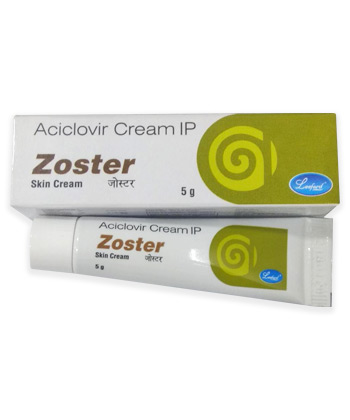
Aciclovir Cream
- In our pharmacy you can buy aciclovir cream without a prescription, with delivery in 5–14 days throughout the United Kingdom. Discreet and anonymous packaging; note that in some countries the cream is prescription-only.
- Aciclovir cream is used to treat herpes simplex infections such as cold sores (herpes labialis) and as an adjunct for topical genital herpes; it is a guanosine nucleoside analogue that is activated by viral thymidine kinase and then inhibits viral DNA polymerase, preventing viral replication.
- The usual dosage is to apply a thin layer to the affected area five times daily, typically for 4–5 days for cold sores (extend to 5–10 days for genital lesions if advised by a clinician); start at the first sign of symptoms.
- Administration is topical — a 5% (50 mg/g) cream applied to the skin; aciclovir is also available as an ointment and in oral/injectable forms for systemic use.
- The cream begins to act within a few hours of application; symptomatic relief is often noticed within 24–48 hours, and treatment is most effective if started at the prodromal stage.
- Duration of action corresponds to the treatment course (typically 4–5 days for cold sores); regular application during this period helps shorten healing time and resolve lesions sooner than no treatment.
- There is no specific alcohol prohibition for topical aciclovir, but avoid applying alcoholic products to treated skin and consult your clinician if you are drinking heavily or using systemic antiviral drugs.
- The most common side effect is local irritation such as burning or stinging at the application site; mild dryness, flaking, itching or redness can also occur.
- Would you like to try “aciclovir cream” without a prescription?
Aciclovir Cream
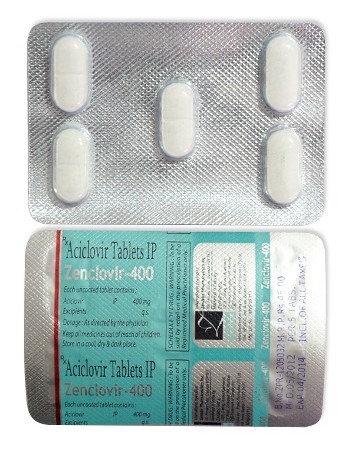
Basic Aciclovir Cream Information
- INN (International Nonproprietary Name): Aciclovir (also spelled Acyclovir in US references; known in some languages as aciclovirum or acycloguanosine).
- Brand Names Available In United Kingdom: Zovirax is the principal branded 5% cream available in the UK, with multiple generic suppliers such as Teva, Actavis and Rosemont producing equivalent 5% cream and ointment formulations in 2g–10g tubes.
- ATC Code: D06BB03.
- Forms & Dosages: Cream 5% (50 mg/g) commonly in 2g, 5g and 10g tubes; ointment 5% in 3g, 5g and 10g tubes; oral tablets 200 mg, 400 mg and 800 mg; oral suspension 200 mg/5 mL; injectable forms (250 mg, 500 mg vials) for hospital use.
- Manufacturers In United Kingdom: GlaxoSmithKline (Zovirax) and multiple generics supplied by companies such as Teva, Actavis and other EU/UK-based manufacturers.
- Registration Status In United Kingdom: Aciclovir topical products are authorised and widely used in the UK; most topical 5% creams are prescription-only though availability may vary by brand and pharmacy.
- OTC / Rx Classification: Generally prescription-only for topical 5% aciclovir cream, but select branded short-course cold-sore creams may be available OTC in specific outlets or under pharmacy supply schemes.
Everyday Use & Best Practices
Do you want a simple cold sore routine that fits into a busy UK day?
Apply aciclovir cream 5% at the very first tingle or visible spot for best results.
Standard guidance is to use the cream up to five times daily for cold sores and continue until the lesion crusts and heals.
A practical daily routine is to apply after your morning wash and again before bed, with two to three evenly spaced daytime applications in between.
If you wear make-up, put the cream on first and allow it to absorb fully for a few minutes before applying cosmetics.
Avoid occlusive dressings over the lesion unless your clinician specifically advises them.
Keep the area clean, avoid picking at the sore and practise hand hygiene to stop spreading the virus to others or other skin sites.
For travel or busy pockets, carry a small tube in a clean pouch and replace it if the nozzle becomes contaminated.
- Daily Routine: Morning wash, daytime reapplications, pre-bed application, avoid touching sore, hand-wash after use.
- Checklist For Carry-Kit: Small tube (2–10g), clean pouch, tissues, lip balm (not shared), antiseptic wipes.
Morning Vs Evening Dosing
Apply aciclovir cream 5% cream at the first tingle or spot and continue as directed—standard guidance is up to five applications daily for cold sores.
For most people a simple routine is applying after morning wash and before bed, plus 2–3 evenly spaced daytime applications.
If you wear make-up, apply cream first, allow full absorption (a few minutes), then use make-up.
Avoid occlusive dressings over the lesion unless advised by a clinician.
Taking With Or Without Meals (UK Diet Habits)
Topical aciclovir cream has no food interactions, so normal UK meals, tea or coffee do not affect its action.
If you've eaten a greasy meal such as a full English fry-up, wash the area first to remove oils for better absorption.
When out and about carry a small tube in a clean pouch; discard if contaminated.
Safety Priorities
Worried whether aciclovir cream is safe for you or a family member?
Do not use topical aciclovir cream if you have a known allergy to aciclovir, penciclovir or any excipients found in the product.
People who are immunocompromised should seek medical advice before using topical aciclovir, as systemic therapy may be more appropriate.
Pregnant or breastfeeding people should check with their clinician or pharmacist before use.
Avoid applying the cream to open wounds or mucous membranes such as inside the mouth, eyes or vagina because of the risk of irritation and inappropriate exposure.
Local adverse effects are usually mild: transient burning, stinging, dryness or redness at the application site.
Systemic side effects are very rare with proper topical use but stop treatment and seek advice if you see signs of widespread allergic reaction.
- Contraindications Checklist: Known allergy to aciclovir/penciclovir; severe hypersensitivity to excipients; avoid mucosal or ocular application.
| Who To Consult | When |
|---|---|
| GP | If outbreaks are frequent, prolonged or severe, or during pregnancy. |
| Pharmacist | For OTC availability, counselling on correct use and local side-effects. |
| Hospital Specialist | For immunocompromised patients or suspected complications near the eye. |
Who Should Avoid It (MHRA Warnings)
Do not use topical aciclovir cream if you have a known allergy to aciclovir, penciclovir or any excipient.
MHRA-style caution recommends that immunocompromised people seek medical advice before topical use.
Pregnant and breastfeeding people should consult a clinician.
Avoid use on open wounds and on mucous membranes as irritation can occur.
Activities To Limit (Driving, Work Safety)
Topical use will not normally affect driving or operating machinery.
If you experience unexpected dizziness or significant local discomfort, avoid driving until symptoms resolve.
For customer-facing roles such as teaching, food service or healthcare, cover lesions where possible and maintain good hand hygiene to reduce transmission.
Dosage & Adjustments
Can elderly relatives or teens use the same aciclovir dosing as adults?
For herpes labialis the standard topical dosing is to apply aciclovir 5% cream five times daily to the affected area for 4–5 days or until healed, starting at prodrome when possible.
Topical application for genital herpes is similar as adjunct therapy (five times daily), usually for 5–10 days, but many prescribers favour oral antivirals for genital disease.
Children under 12 should be checked against the product literature and a pharmacist or GP consulted because many labels restrict routine use to older adolescents.
Elderly patients generally do not require topical dose adjustment but may have increased skin sensitivity and should be monitored for local irritation.
If someone has severe renal impairment or very large-area application is anticipated, discuss with a GP or pharmacist because systemic absorption could become relevant.
- Dosage Summary: Apply 5 times daily for 4–5 days for cold sores; extend to 10 days if healing is incomplete.
| Condition | Typical Duration |
|---|---|
| Cold Sores | 4–5 days (up to 10 days if needed) |
| Genital Herpes (Adjunct) | 5–10 days |
General Regimen (NHS Guidance)
Apply the cream five times daily to the lesion and continue until the sore is crusted and healed.
Starting treatment at the prodromal stage gives the best chance to shorten the outbreak.
Special Cases (Elderly, Comorbidities)
No routine topical dose adjustment is normally required for older patients, but patch-testing or supervised application is sensible where skin fragility exists.
Large-area or prolonged use in severe renal impairment should prompt GP discussion.
User Testimonials
Curious how aciclovir cream performs for other people in the UK?
Many patients report faster crusting and reduced pain when they apply aciclovir cream at the first tingle.
High-street brands such as Zovirax 5% cream and generics from Teva or Actavis get praise for portability and ease of use.
Users often value quick absorption and the ability to carry a small tube in a bag for discreet daytime reapplications.
Common challenges noted on Patient.info and NHS forums include remembering multiple daily applications, mild stinging on application, and sometimes needing to extend treatment when healing slows.
Patients with frequent or severe outbreaks commonly perceive oral antivirals as more effective, and many seek GP-prescribed oral therapy for suppression or rapid control.
- “Applied at first tingle and it crusted quicker than before.” — quoted style feedback seen in UK forums.
- “Good for occasional cold sores; I keep a 2g tube in my bag.”
- Common Issues & Solutions: Forgetting doses — set phone reminders; mild stinging — stop and consult pharmacist if severe; incomplete healing — extend to 10 days or see GP.
Positive Reports From UK Patients
Patients commonly say the cream helps reduce pain and speeds crusting when used promptly.
Common Challenges (Patient.info, NHS Forums)
Remembering up to five daily applications and occasional local stinging are frequently discussed.
Buying Guide
Where can you pick up aciclovir cream quickly and affordably in the UK?
Major pharmacy chains such as Boots, LloydsPharmacy and Superdrug stock aciclovir cream, alongside independent pharmacies and online suppliers.
Zovirax 5% cream is the recognisable branded option and multiple generics from Teva and Actavis are widely available in 2g–10g tubes.
Some pharmacies may supply short-course OTC for cold-sore self-treatment, but many 5% cream products remain prescription-only; always ask the pharmacist if unsure.
Private purchase prices vary by retailer and pack size; in England NHS prescription charges apply unless you are exempt, while prescriptions are generally free in Scotland, Wales and Northern Ireland.
Consider whether frequent outbreaks justify an NHS prescription to save on long-term costs compared with private purchases.
Our online pharmacy stocks aciclovir cream available without a prescription, with discreet delivery across the United Kingdom in 5–14 days.
| Source | Typical Price Range |
|---|---|
| Boots / Superdrug | Varies by brand and size; check instore or online |
| Independent Pharmacy | Comparable to chains; may offer pharmacy-supplied options |
| NHS Prescription | Cost depends on national rules and exemptions |
- Shopping Tips: Compare pack sizes, ask the pharmacist about generic alternatives, and check prescription status before buying.
Pharmacy Sources (Boots, LloydsPharmacy, Superdrug)
Major chains and online pharmacies commonly stock Zovirax and generics; availability for OTC short courses varies by outlet.
Price Comparison (NHS Prescription Charge Vs Private)
Prescription cost considerations differ across UK nations; weigh frequent-use needs against NHS prescription access or private purchase costs.
What’s Inside & How It Works
Want to know exactly what you are putting on your lip and how it helps?
The active ingredient is aciclovir (INN), present at 5% strength (50 mg per gram) in typical creams and ointments.
Excipients vary by manufacturer so check the package leaflet if you have known sensitivities to creams or preservatives.
Both Zovirax cream and Zovirax ointment contain the same amount of aciclovir even if the vehicle differs, so choice may be down to texture preference.
Aciclovir is an antiviral that inhibits viral DNA replication in infected cells and, when applied topically, reduces local viral replication and speeds lesion healing.
The cream is not a cure for herpes simplex virus but shortens outbreak duration and reduces symptom severity when used early.
Systemic absorption from topical application is minimal and systemic side effects are rare; local irritation such as burning or stinging is the commonest complaint.
- Mechanism: Inhibits viral DNA replication in infected cells to reduce lesion growth and speed healing.
- Key Ingredients: Aciclovir 5% active plus manufacturer-specific excipients listed on the leaflet.
Ingredients Overview
Active ingredient: aciclovir 5% (50 mg/g).
Excipients differ by brand; consult product leaflet for allergy information.
Mechanism Basics Explained Simply
Aciclovir blocks viral DNA replication in infected cells, reducing local virus activity and allowing quicker healing.
Main Indications
What is aciclovir cream licensed to treat and where might clinicians use it off-label?
Topical aciclovir 5% cream is primarily licensed for herpes labialis, commonly called cold sores, and is classified under ATC code D06BB03 for topical antivirals.
Typical packs contain 2g to 10g tubes and MHRA-registered brands include Zovirax alongside multiple generics.
Clinicians sometimes use topical aciclovir adjunctively for limited genital herpes, usually alongside or after considering systemic therapy.
Oral antivirals tend to be preferred for systemic protection, frequent recurrences or more severe disease, while topical therapy is useful for mild, localised outbreaks.
Topical aciclovir should not be used on mucous membranes or large open wounds without clinical supervision.
| Indication | Typical Duration |
|---|---|
| Herpes Labialis (Cold Sores) | 4–5 days, extend to 10 days if needed |
| Genital Herpes (Adjunct) | 5–10 days |
- Off-Label Notes: Adjunct topical use for limited genital lesions is sometimes practised, but oral agents are preferred for systemic effect.
Approved Uses (MHRA Listing)
Licensed mainly for herpes labialis and authorised in the UK and EU under topical antiviral dermatological use.
Off-Label Uses In UK Clinics
Occasional adjunctive topical use for genital herpes; clinicians generally favour oral therapy for systemic control.
Interaction Warnings
Wondering if your cup of tea or other medicines will interfere with aciclovir cream?
Topical aciclovir cream has no significant food or drink interactions, so tea, coffee or moderate alcohol do not affect local action.
Bear in mind that excessive alcohol can delay wound healing indirectly and follow prescriber advice if you are also on oral antivirals.
Systemic drug interactions are rare with correctly used topical aciclovir, but the MHRA Yellow Card scheme includes reminders to be vigilant when multiple topical antivirals are used or when very large areas are treated.
If you have renal impairment or take multiple medications, mention this to your pharmacist so they can check for potential concerns if unusually large topical application is expected.
- What To Tell Your Pharmacist: Current prescription and OTC medicines, kidney disease, pregnancy or breastfeeding, and any allergies.
Report suspected adverse reactions through the MHRA Yellow Card service as recommended by your pharmacist or GP.
Food Interactions (Alcohol, Tea/Coffee)
There are no expected interactions with tea, coffee or food for topical aciclovir cream.
Drug Conflicts (MHRA Yellow Card Reports)
Systemic interactions are unlikely but tell your pharmacist about all medicines; report side-effects via Yellow Card if needed.
Latest Evidence & Insights
What do recent studies say about topical aciclovir compared with oral antivirals?
Analyses from 2022–2025 have concentrated on the benefit of very early topical application and how topical antivirals compare to oral agents.
Evidence supports that topical aciclovir applied at prodrome can shorten lesion healing time for mild, occasional cold sores.
However, for moderate-to-severe outbreaks or frequent recurrences, oral antivirals such as valacyclovir or famciclovir generally show superior reduction in duration and viral shedding.
Practical advice from recent research: keep a tube of aciclovir 5% cream handy for occasional outbreaks and start treatment at first tingle.
Discuss oral suppressive options with your GP if outbreaks are frequent and disruptive to quality of life.
- Key Trial Takeaways: Topical aciclovir helps when started early; oral agents often more effective for recurrent or severe disease.
For the latest MHRA or NHS guidance, consult official sites or ask your pharmacist for current recommendations.
Recent Trials 2022–2025
Trials continue to evaluate timing and relative benefit of topical versus oral antivirals; early topical use shows best topical benefit.
Practical Takeaways For Patients
If you get occasional cold sores, keeping a small tube of aciclovir 5% cream and treating at first tingle is sensible.
Alternative Choices
Looking for options beyond aciclovir cream?
NHS alternatives include topical penciclovir where available, and oral antivirals such as acyclovir tablets, valacyclovir and famciclovir, which are commonly prescribed for better systemic control.
Oral agents are usually preferred for severe, frequent or genital outbreaks and for suppression strategies.
Topical aciclovir remains useful for mild, localised cold sores and has the advantage of limited systemic exposure.
| Option | Pros | Cons |
|---|---|---|
| Topical Aciclovir | Few systemic effects; OTC in some settings; targeted | Less effective than oral for severe/frequent outbreaks; frequent applications needed |
| Oral Antivirals | Better systemic control; effective suppression | Prescribed; possible systemic side-effects; interactions in renal impairment |
- Pros/Cons Checklist: Consider outbreak frequency, impact on daily life, pregnancy status and kidney function when discussing options with your GP.
NHS Prescribing Alternatives
Prescribers may opt for topical penciclovir, or oral acyclovir, valacyclovir or famciclovir depending on clinical needs.
Pros/Cons Checklist
Topical therapy: targeted and low systemic risk but requires frequent application; oral therapy: stronger and favoured for frequent recurrences.
Regulation Snapshot
How is aciclovir cream regulated in the UK and what about costs?
Aciclovir topical products are authorised in the UK and Europe and are classified under ATC code D06BB03 for topical antivirals.
Most 5% cream formulations are prescription-only in the UK although availability can vary by brand and pharmacy supply arrangements.
NHS prescribing follows clinical need and cost effectiveness; in England the standard NHS prescription charge applies unless exempt, while prescriptions are generally free in Scotland, Wales and Northern Ireland.
Pharmacies and GPs will follow MHRA guidance and local formularies when selecting brands or generics for supply.
Keep receipts and ask your pharmacist for the patient information leaflet if you need product details or to check excipients.
| Nation | Prescription Rule |
|---|---|
| England | Standard NHS prescription charge applies unless exempt |
| Scotland | Prescriptions generally free |
| Wales | Prescriptions generally free |
| Northern Ireland | Prescriptions generally free |
MHRA Approval & Status
Topical aciclovir products are authorised in the UK and carry ATC classification D06BB03.
NHS Prescribing Framework & Costs
NHS prescribing varies by nation; pharmacists can advise on cost implications and exemptions.
FAQ Section
Got quick questions? Here are practical answers patients commonly look for.
- Can I buy aciclovir cream without a prescription in the UK? Sometimes — certain branded formulations or pharmacy-supplied short-course options may be available OTC in specific outlets, but many 5% cream products remain prescription-only. Ask your pharmacist for current availability and guidance.
- How soon will it heal and when should I see a GP? If started early, expect crusting and symptom improvement within 4–5 days; extend treatment to 10 days if healing lags. See your GP if lesions are severe, recurrent (for example monthly), on the face near the eyes, in immunocompromised individuals, during pregnancy, or if you suspect secondary bacterial infection.
- What if I miss an application? Apply as soon as you remember and continue as scheduled; do not double the next application.
Decision checklist for seeking GP advice: frequency of outbreaks, lesion location (near eyes), pregnancy, immunosuppression, signs of spreading infection or severe pain.
Can I Buy Aciclovir Cream Without A Prescription In The UK?
Availability varies by brand and pharmacy; ask your pharmacist if an OTC or pharmacy-supply short course is possible.
How Soon Will It Heal And When To See A GP?
Expect improvement in 4–5 days when started early; seek GP review for severe, recurrent or complicated cases.
Guidelines For Proper Use
What will your pharmacist ask and what support can the NHS provide?
Pharmacists typically ask about symptom onset, frequency of outbreaks, pregnancy status and any regular medications before recommending or supplying aciclovir cream.
Expect advice to start treatment at the first sign, apply five times daily for 4–5 days, avoid mucous membranes and practise strict hand hygiene after application.
Pharmacists may recommend oral antivirals for frequent or severe episodes and can supply patient information leaflets and supportive self-care tips.
NHS advice emphasises early self-care, prevention steps such as avoiding sharing lip products, covering lesions and using sun protection to reduce trigger risk.
For recurrent outbreaks discuss suppressive therapy options with your GP; pharmacies often have leaflets or can arrange follow-up advice where appropriate.
- Pharmacy Counselling Checklist: Ask about pregnancy, immunosuppression, other meds, outbreak history, and advise on dosing and hand hygiene.
- Patient Handout Template: When to start treatment, how to apply, common side-effects, when to seek GP help, and prevention tips.
UK Pharmacist Counselling Style
Expect a practical, confidentiality-respecting check on suitability, dosing and whether referral for oral therapy is needed.
NHS Patient Support Advice
NHS guidance focuses on early care, prevention and when to consult a GP for extended or complicated disease.
Delivery Across United Kingdom
| City | Region | Delivery Time |
|---|---|---|
| London | England | 5-7 days |
| Birmingham | England | 5-7 days |
| Manchester | England | 5-7 days |
| Glasgow | Scotland | 5-7 days |
| Leeds | England | 5-7 days |
| Edinburgh | Scotland | 5-7 days |
| Cardiff | Wales | 5-7 days |
| Belfast | Northern Ireland | 5-7 days |
| Liverpool | England | 5-9 days |
| Bristol | England | 5-9 days |
| Newcastle Upon Tyne | England | 5-9 days |
| Nottingham | England | 5-9 days |
| Southampton | England | 5-9 days |