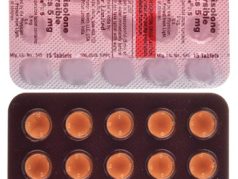
Zyloric
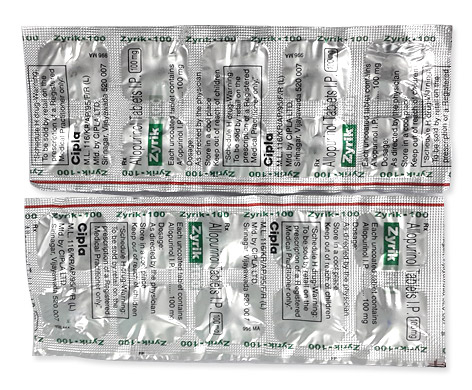
Zyloric
- In most countries Zyloric (allopurinol) is a prescription-only medicine, but availability varies and in some pharmacies it may be possible to buy Zyloric without a prescription or receipt; check local pharmacy practice and legal requirements.
- Zyloric is used to treat gout and other forms of hyperuricaemia (including tumour lysis syndrome and prevention of recurrent calcium oxalate stones) by inhibiting xanthine oxidase, which reduces production of uric acid.
- The usual starting dose for adults is 100 mg once daily, increased by 100 mg every week as needed to control serum uric acid; maintenance is commonly 200–300 mg daily, and the maximum dose is 800 mg/day (often split if >300 mg); for TLS higher short‑term doses (600–800 mg/day) may be used; children 10–20 mg/kg/day (max 400 mg/day) with specialist guidance.
- Zyloric is usually given orally as tablets (commonly 100 mg and 300 mg scored tablets); an intravenous powder for injection (500 mg vial) exists under other brand names for hospital use.
- The biochemical urate‑lowering effect begins within days (oxypurinol appears and reduces xanthine oxidase activity), but clinical improvement and stable target uric acid levels may take weeks to months; gout symptoms may not improve immediately and flares can occur after starting treatment.
- Zyloric is taken once daily and its therapeutic effect is maintained with daily dosing (the active metabolite oxypurinol has a prolonged half‑life, giving effect over 24 hours); long‑term therapy is commonly required to keep uric acid controlled.
- Avoid heavy alcohol intake while taking Zyloric — alcohol increases uric acid and the risk of gout attacks; moderate alcohol can still precipitate attacks and may worsen liver function, so minimise consumption and discuss with your prescriber.
- The most common side effect is skin rash; other frequent adverse effects include gastrointestinal upset (nausea, vomiting, diarrhoea), drowsiness and headache; watch for rare but serious hypersensitivity reactions (severe skin reactions, DRESS/SJS/TEN) and seek urgent care if they occur.
- Would you like to try zyloric without a prescription?
Zyloric
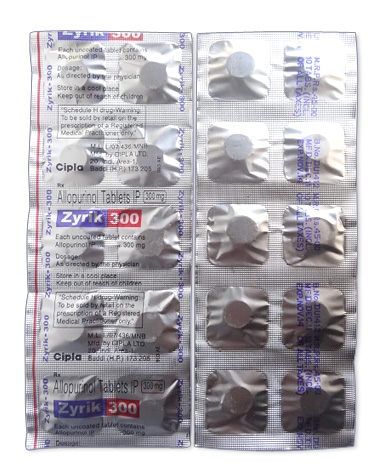
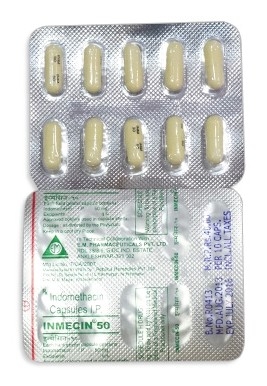
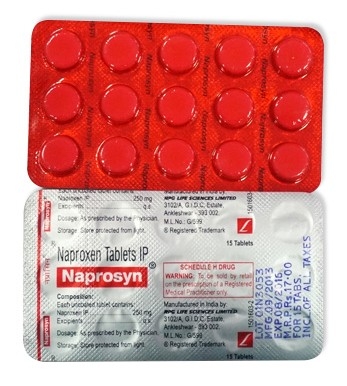
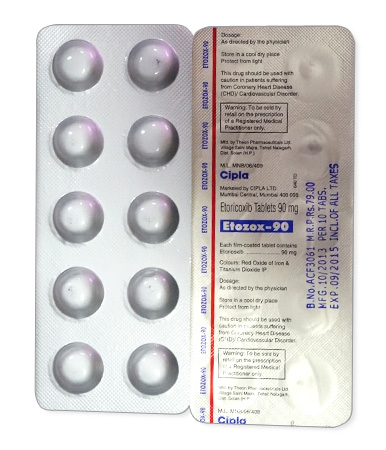
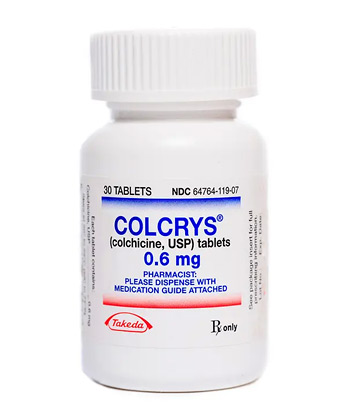
Basic Zyloric Information
- INN (International Nonproprietary Name): Allopurinol
- Brand Names Available In United Kingdom: Zyloric; generics labelled as allopurinol are widely available
- ATC Code: M04AA01 — M: Musculo-Skeletal System; 04: Antigout Preparations; AA: Preparations Inhibiting Uric Acid Production; 01: Allopurinol
- Forms & Dosages: Oral tablets 100 mg (scored) and 300 mg (scored); powder for injection/IV 500 mg vial available in some markets
- Manufacturers In United Kingdom: Multiple licensed generics and suppliers including Sandoz, Teva, Accord, Zentiva and Mylan (national suppliers and distributors supply Zyloric and allopurinol generics)
- Registration Status In United Kingdom: Licensed and regulated by the MHRA; prescription-only medicine
- OTC / Rx Classification: Prescription (Rx-only); not available over the counter
Everyday Use & Best Practices
Worried about missing doses or whether to take Zyloric in the morning or evening?
Morning Vs Evening Dosing
Take Zyloric at the same time each day to build a routine and improve adherence.
Many UK patients prefer evening dosing, for example with a glass of water after dinner, as this fits daily routines and reduces missed doses.
Starting allopurinol at 100 mg daily is standard for gout, then the dose is increased gradually to reach the target serum uric acid.
Taking With Or Without Meals (UK Diet Habits)
Zyloric may be taken with or without food, so choose what suits your routine and stomach comfort.
Having the tablet after a typical British evening meal can help patients remember it while avoiding stomach upset for those who find tablets easier with food.
- Daily Checklist For New Starters:
- Take allopurinol 100 mg at the same time each day (many choose after dinner).
- Keep a glass of water to swallow the tablet and help digestion.
- Set a phone reminder or link dosing to a fixed habit such as the evening TV programme.
- Use a dosette box or pharmacy repeat dispensing to avoid missed doses.
- Do not stop Zyloric during an acute gout flare unless your GP advises it.
| Renal Function (eGFR) | Typical Starter Dose | Titration Notes |
|---|---|---|
| Normal Renal Function | 100 mg daily | Increase by 100 mg weekly to effect; many stabilise on 200–300 mg/day |
| eGFR < 30 mL/min | Start low; consider 50–100 mg or extended interval | Individual adjustment by GP or specialist |
| eGFR < 10 mL/min | Usually ≤100 mg/day | Specialist oversight recommended |
Store tablets at room temperature 20–25°C away from moisture and direct heat.
Practical adherence tips include phone reminders, dosette boxes and linking dosing to meals or TV routines.
Safety Priorities
Worried about serious reactions or whether Zyloric is safe for you?
Who Should Avoid It (MHRA Warnings)
- Known hypersensitivity to allopurinol or any tablet component — do not take Zyloric.
- Previous severe cutaneous adverse reactions such as Stevens‑Johnson syndrome or toxic epidermal necrolysis — absolute contraindication.
- Severe hepatic or renal impairment without specialist supervision — avoid unless under specialist care.
- People who carry the HLA‑B*5801 allele (more common in certain Asian ancestry) have a higher risk of severe skin reactions — discuss ancestry and testing with your clinician.
Activities To Limit (Driving, Work Safety)
Most people are unaffected in terms of driving and machinery, but dizziness or drowsiness can occur.
Avoid driving or hazardous manual work until you know how Zyloric affects you.
- Seek urgent review if you develop any of the following symptoms:
- New widespread rash or blistering rash.
- Fever or sore throat with a rash.
- Yellowing of the skin or eyes (jaundice).
- Unexplained bruising, persistent bleeding or significant tiredness.
If any urgent symptom appears, stop the medicine and contact your GP, 111 or emergency services immediately.
Dosage & Adjustments
Wondering what dose of Zyloric you should start on and how blood tests shape the plan?
General Regimen (NHS Guidance)
| Situation | Starter Dose | Titration / Maintenance |
|---|---|---|
| Adult Gout/Hyperuricaemia | 100 mg once daily | Increase by 100 mg weekly until serum urate target reached; many on 200–300 mg/day |
| Tumour‑Lysis Syndrome / Acute Hyperuricaemia | 600–800 mg daily (specialist care) | Short course then step down to maintenance |
| Recurrent Calcium Oxalate Stones | 200–300 mg daily | Review after months of control |
Special Cases (Elderly, Comorbidities)
- Elderly patients: start low and monitor renal, hepatic function and full blood count.
- Renal impairment: dose reduction or longer intervals are required — eGFR <10 mL/min often limited to ≤100 mg/day.
- Children: specialist prescribing only; typical paediatric dosing 10–20 mg/kg/day in divided doses, max 400 mg/day.
- Monitor serum urate, renal and liver function and full blood count at baseline and periodically during titration.
Regular monitoring helps guide titration safely and reduces risk of adverse events while achieving urate targets.
User Testimonials
Curious how Zyloric works for people like you in the UK?
Positive Reports From UK Patients
- "After three months on allopurinol my night pain eased and my walking got easier." — anonymised UK patient report.
- "Repeat dispensing from my community pharmacy and a dosette box made it almost automatic to take my tablet each evening." — anonymised UK patient report.
- "My GP slowly increased my dose to 300 mg and flares are much less frequent now." — anonymised UK patient report.
Common Challenges (Patient.info, NHS Forums)
- Initial side effects such as mild nausea, rash or dizziness are commonly reported and usually settle.
- Some patients experience a short rise in flare frequency early in treatment; GPs often advise short‑term colchicine or an NSAID rather than stopping allopurinol.
- Anxiety about the rare severe skin reaction motivates extra caution and blood monitoring.
- Practical Solutions Checklist:
- Use dosette boxes and pharmacy repeat dispensing for adherence.
- Request pharmacist counselling and NHS leaflets for privacy and clear information.
Buying Guide
Where can you collect Zyloric and what will it cost you in the UK?
Pharmacy Sources (Boots, LloydsPharmacy, Superdrug)
Zyloric is prescription-only and can be supplied after a GP or hospital clinic prescription and collected from high-street pharmacies such as Boots, LloydsPharmacy and Superdrug, independent pharmacies or licensed online pharmacies.
For repeat prescriptions consider electronic repeat dispensing or NHS online booking through your GP to make collection easier.
Price Comparison (NHS Prescription Charge Vs Private)
| Route | Typical Cost Notes |
|---|---|
| NHS Prescription (England) | Standard prescription charge applies; prescriptions free in Scotland, Wales and Northern Ireland; prepayment certificates reduce repeat costs |
| Private Prescription | Varies by clinic and pharmacy; brand and generic choice affects price |
| Generic Brands | Manufacturers such as Aurobindo, Accord, Milpharm and Wockhardt supply lower-cost generics |
In our online pharmacy, zyloric is available without a prescription, with discreet delivery to United Kingdom in 5-14 days.
- Checklist For Safe Online Pharmacies:
- Ensure the pharmacy is MHRA-registered or displays UK pharmacy credentials.
- Check packaging and leaflet for manufacturer and batch details on receipt.
- Use NHS repeat dispensing where possible to reduce cost and improve supply continuity.
What’s Inside & How It Works
Want to know how Zyloric lowers uric acid and what’s in the tablet?
Ingredients Overview
- Active Ingredient: Allopurinol (INN).
- Common Tablet Strengths: 100 mg and 300 mg scored tablets.
- IV Formulation: 500 mg powder for injection available in some markets.
- Excipients vary by manufacturer — check the patient information leaflet for allergen information.
Mechanism Basics Explained Simply
- Allopurinol is a xanthine oxidase inhibitor that reduces production of uric acid.
- Lowering serum urate allows existing urate crystals to dissolve over time and prevents new crystal formation.
- Clinical benefit builds over weeks to months, so initial protection and patience are required.
- Urate mobilisation can trigger short-term flares when starting therapy, so prophylaxis with colchicine or an NSAID is often advised.
Onset of urate lowering is gradual; full reduction in flare frequency usually takes several months while monitoring continues.
Main Indications
Is Zyloric appropriate for your condition?
Approved Uses (MHRA Listing)
| Indication | Typical Starting Dose | Monitoring Needs |
|---|---|---|
| Chronic Gout / Hyperuricaemia | 100 mg daily, titrate to effect | Serum urate, renal and liver function, FBC at baseline and periodically |
| Recurrent Calcium Oxalate Kidney Stones | 200–300 mg daily | Renal function and stone surveillance |
| Prevention Of Tumour‑Lysis Syndrome | 600–800 mg daily for short course under specialist care | Frequent urate and renal monitoring during chemotherapy |
Off‑Label Uses In UK Clinics
- Specialist rheumatology or nephrology teams may use tailored urate-lowering strategies for asymptomatic hyperuricaemia with comorbidity.
- Combination therapy with uricosurics or switching to alternatives is used for refractory cases under specialist oversight.
- Treatment duration for chronic gout is typically long-term and based on reaching and maintaining serum urate targets.
Interaction Warnings
What should you tell your GP or pharmacist before taking Zyloric?
Food Interactions (Alcohol, Tea/Coffee)
Alcohol increases gout risk and can counteract treatment benefits, so advise moderation.
Tea and coffee do not meaningfully interact with allopurinol, though dehydration from excessive caffeine can exacerbate gout.
Drug Conflicts (MHRA Yellow Card Reports)
- Major drug interactions to discuss with your clinician include:
- Azathioprine or mercaptopurine — co‑administration increases toxicity and requires dose adjustment or avoidance.
- Ciclosporin — interactions may require monitoring and dose changes.
- Thiazide diuretics — associated with higher risk of rash when combined with allopurinol.
- Colchicine and OTC NSAIDs are commonly used short-term for flare prophylaxis; confirm safe doses with your GP or pharmacist.
| Drug | Action | Management |
|---|---|---|
| Azathioprine / Mercaptopurine | Increased toxicity risk | Avoid combination or adjust dose; specialist advice required |
| Thiazide Diuretics | Increased rash risk | Monitor closely; consider alternatives if rash develops |
| Ciclosporin | Possible interaction | Monitor levels and renal function |
Suspected severe reactions should be reported via the MHRA Yellow Card scheme.
Latest Evidence & Insights
What do recent UK and EU studies tell us about allopurinol vs alternatives?
Key UK & EU Studies 2022–2025
- Recent evidence continues to support allopurinol as first‑line urate‑lowering therapy for gout, with febuxostat as an alternative when allopurinol is not tolerated.
- Updated guidance emphasises individualised dosing and careful renal adjustment to reduce hypersensitivity and improve outcomes.
- Pharmacist-led monitoring and repeat-dispensing interventions have been shown to improve adherence and reduce flare rates in real-world UK cohorts.
- Surveillance studies continue to report rare but serious cutaneous reactions, underlining early recognition and reporting.
Practical Implications For Patients
| Comparison | Allopurinol | Febuxostat |
|---|---|---|
| Effectiveness | First-line, effective when titrated to target | Alternative when allopurinol not tolerated; effective urate lowering |
| Safety Notes | Rare severe skin reactions; renal-adjusted dosing advised | Fewer HLA‑B*5801 skin concerns but cardiovascular considerations exist |
Discuss options with your GP or rheumatologist if targets are not met or side effects occur; shared decision-making is recommended.
Alternative Choices
Not tolerating Zyloric or not reaching targets — what are the NHS alternatives?
NHS Prescribing Alternatives With Pros/Cons Checklist
- Febuxostat (Adenuric/Uloric): Pros — effective urate lowering without the same HLA‑B*5801 skin risk; Cons — cardiovascular safety considerations, discuss cardiac history.
- Probenecid (uricosuric): Pros — increases uric acid excretion; Cons — needs good renal function, less suitable with recurrent uric acid stones.
- Pegloticase / Rasburicase: Pros — options for severe refractory disease or rapid urate breakdown; Cons — specialist care, high cost and infusion setting.
When To Discuss Specialist Referral
- Target serum urate not reached on maximally tolerated therapy.
- Severe or recurrent tophi causing functional problems.
- Complex comorbidities such as severe renal disease or haematologic issues.
- Suspected drug hypersensitivity or adverse reaction requiring specialist assessment.
Referral to rheumatology or nephrology is appropriate for complex management, refractory disease or specialist options such as pegloticase.
Regulation Snapshot
How is Zyloric regulated and where does it sit in NHS practice?
MHRA Approval & Licence Status
- Allopurinol (marketed as Zyloric in the UK/EU) is licensed, prescription-only and regulated by the MHRA.
- Multiple generic manufacturers supply licensed formulations.
- ATC classification is M04AA01.
NHS Prescribing Framework
| Regulatory Body | Role |
|---|---|
| MHRA | Licensing and safety surveillance |
| NHS Formularies / NICE | Local prescribing guidance and recommended pathways |
Adverse events should be reported via the MHRA Yellow Card, and pharmacists support repeat dispensing and medication reviews to improve safety and adherence.
FAQ Section
Quick answers to the common worries people ask the pharmacy about Zyloric.
Common Patient Questions
- Can I stop Zyloric if I get a flare? — No; do not stop without advice as stopping can worsen flares; short-term flare treatment is preferred.
- How soon will I feel better? — Urate lowering is gradual and reductions in flare frequency are commonly seen after months, although some benefit may appear earlier.
- Do I need blood tests? — Yes; baseline and periodic renal and liver tests and a full blood count are needed; serum urate guides titration.
- Can I take with other medicines? — Tell your GP or pharmacist about all medicines; important interactions include azathioprine/mercaptopurine, ciclosporin and some diuretics.
For more detailed patient leaflets consult NHS and MHRA information on allopurinol.
Guidelines For Proper Use
What should pharmacists cover when counselling a new Zyloric starter?
UK Pharmacist Counselling Style
- Confirm the indication and ask about any previous adverse reactions to allopurinol or related medicines.
- Explain the dosing schedule and titration plan clearly, emphasising starting at 100 mg daily and gradual increases.
- Warn the patient about an early rash and advise immediate medical review if it appears.
- Discuss adherence strategies such as dosette boxes, electronic repeat dispensing and phone reminders.
- Explain flare prophylaxis options and reassure about long-term benefits once serum urate is controlled.
NHS Patient Support Advice
| Test | When |
|---|---|
| Serum Uric Acid | Baseline and periodically during titration to target |
| Renal & Liver Function, FBC | Baseline and periodically as advised by clinician |
Pharmacists should signpost patients to local rheumatology clinics and NHS patient information and offer medication review appointments to support safe long-term use.
Delivery Across United Kingdom
| City | Region | Delivery Time |
|---|---|---|
| London | Greater London | 5-7 days |
| Birmingham | West Midlands | 5-7 days |
| Manchester | Greater Manchester | 5-7 days |
| Glasgow | Scotland | 5-7 days |
| Liverpool | Merseyside | 5-7 days |
| Leeds | West Yorkshire | 5-7 days |
| Sheffield | South Yorkshire | 5-7 days |
| Bristol | South West England | 5-7 days |
| Edinburgh | Scotland | 5-7 days |
| Cardiff | Wales | 5-7 days |
| Belfast | Northern Ireland | 5-7 days |
| Newcastle | Tyne and Wear | 5-9 days |
| Nottingham | Nottinghamshire | 5-9 days |
| Leicester | Leicestershire | 5-9 days |
| Southampton | Hampshire | 5-9 days |