
Norfloxacin
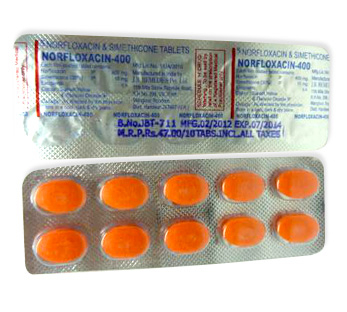
Norfloxacin
- In most countries norfloxacin is a prescription-only medicine and is supplied by pharmacies and hospital suppliers (commonly as 400 mg film‑coated tablets); it is withdrawn in the US, though in some places or via some online vendors it may be obtainable without a valid prescription (this is against regulations in many jurisdictions).
- Norfloxacin is an antibacterial (a fluoroquinolone) used mainly for uncomplicated and complicated urinary tract infections, bacterial prostatitis, some gastrointestinal infections and as an alternative for certain sexually transmitted infections; it acts by inhibiting bacterial DNA gyrase (topoisomerase II) and topoisomerase IV, blocking bacterial DNA replication.
- Typical adult doses are 400 mg twice daily for most UTIs (3–7 days for uncomplicated, 7–10 days for complicated), 400 mg twice daily for prostatitis (usually 4–6 weeks), and occasional single higher doses (e.g. 800 mg) have been used for gonorrhoea; reduce dose in severe renal impairment (for example 400 mg once daily if creatinine clearance <30 mL/min) and avoid in children.
- Administered mainly orally as film‑coated tablets (400 mg); oral suspension is rare and 0.3% eye drops are used in some markets for ocular infections (route depends on formulation: oral for systemic infections, topical for eye infections).
- The drug is absorbed relatively quickly with peak plasma levels typically within 1–2 hours, so antibacterial activity begins soon after dosing and some patients may notice symptomatic improvement within 24–48 hours.
- The elimination half‑life is approximately 3–4 hours, which supports twice‑daily dosing for systemic infections; actual treatment courses vary by infection (e.g. 3–7 days for uncomplicated UTI, weeks for chronic prostatitis).
- Avoid or limit alcohol while taking norfloxacin as it can worsen side effects such as dizziness and gastrointestinal upset and may impede recovery.
- The most common side effect is nausea (other frequent effects include abdominal pain, diarrhoea, headache, dizziness and rash; more serious risks include tendinitis, CNS effects and QT prolongation).
- Would you like to try norfloxacin without a prescription?
Norfloxacin
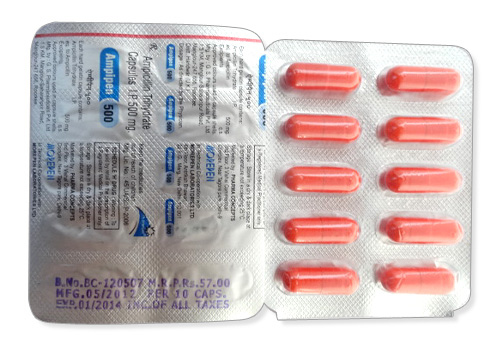
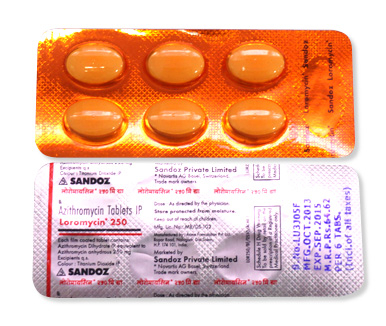
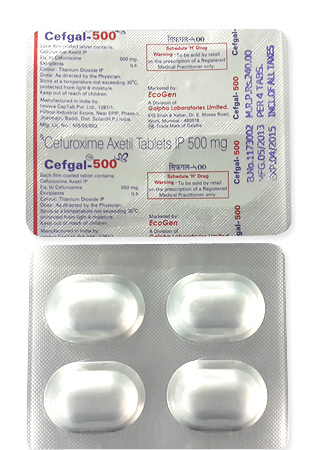
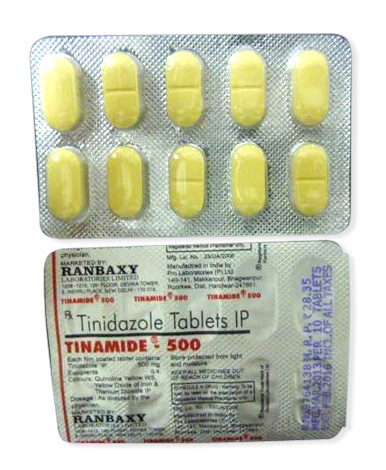
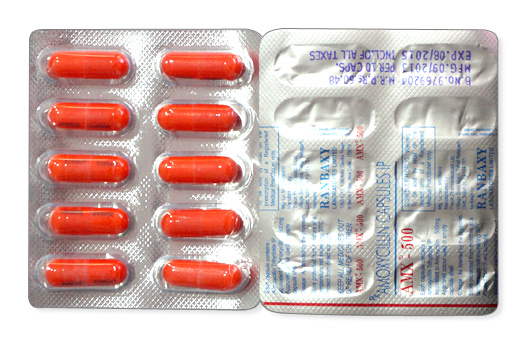
Basic Norfloxacin Information
- INN (International Nonproprietary Name): Norfloxacin
- Brand Names Available In United Kingdom: not specified
- ATC Code: J01MA06 (Norfloxacin, fluoroquinolone antibacterial, for systemic use).
- Forms & Dosages: Film‑coated tablets 400 mg are the most common pharmaceutical form.
- Manufacturers In United Kingdom: not specified
- Registration Status In United Kingdom: not specified
- OTC / Rx Classification: Prescription‑only medicine (Rx) in nearly all jurisdictions; sale without a valid prescription is prohibited.
Important Instructions & Warnings (For UK Patients)
Always follow a prescriber’s directions and NHS or MHRA advice regarding norfloxacin.
- Prescription status: Norfloxacin is prescription‑only in nearly all jurisdictions and should only be used under clinical guidance.
- Absolute contraindications: Pregnancy, breastfeeding, children and adolescents under 18 years, and known hypersensitivity to fluoroquinolones.
- Previous tendon issues: Avoid norfloxacin if you have had tendon problems with quinolones before.
- Drug absorption: Take tablets at similar times each day and separate doses from milk, calcium or iron supplements and antacids because these chelate norfloxacin and reduce absorption.
- Daily precautions: Avoid heavy exercise if you develop tendon pain, limit sun exposure due to photosensitivity risk, and keep well hydrated.
- Storage: Store at room temperature (15–30°C) in the original pack and protect from moisture and light.
- Urgent actions: Stop taking the medicine and seek urgent care if you get severe muscle or tendon pain, sudden weakness, severe dizziness or signs of an allergic reaction.
- Reporting: Report suspected adverse reactions to the MHRA Yellow Card scheme.
Quick Checklist — Immediate Actions
- Stop the drug if you develop severe tendon or muscle pain.
- Seek urgent medical review for allergic symptoms, breathing difficulty or sudden weakness.
- Tell your prescriber about other medicines, especially antacids, iron, calcium, or QT‑prolonging drugs.
- Report side effects on the MHRA Yellow Card site if appropriate.
Everyday Use & Best Practices
Morning Vs Evening Dosing
Do you struggle to keep a steady antibiotic routine over a busy work week?
Norfloxacin tablets are most commonly 400 mg film‑coated tablets and typical adult regimens use 400 mg twice daily for many infections.
For uncomplicated urinary tract infections the usual dose is 400 mg twice daily and doses should be roughly 12 hours apart to maintain steady levels.
If your prescriber sets a different schedule you must follow that tailored plan rather than general advice.
If you find antibiotics affect your sleep, take the later dose earlier in the evening rather than right at bedtime.
Use phone alarms, a dosette box or a simple paper chart to reduce missed doses and to track start and finish dates.
| Sample Purpose | Typical Dosing Times |
|---|---|
| Twice‑daily regimen (400 mg bd) | 08:00 and 20:00 |
| Once‑daily modified for renal impairment | 08:00 |
| Missed morning dose remembered mid‑day | Take when remembered unless next dose is soon |
Taking With Or Without Meals (UK Diet Habits)
Take norfloxacin tablets with a full glass of water to ease swallowing and help absorption.
A small snack is acceptable if you feel nauseous, but avoid large dairy meals or calcium‑fortified breakfasts close to dosing.
If you have a hearty English breakfast or regular tea with milk, plan at least a 2–4 hour gap between those calcium‑containing foods and your norfloxacin dose.
Avoid antacids, sucralfate and iron supplements within 2–4 hours of each dose because chelation can markedly reduce drug absorption.
If you drink caffeinated tea or coffee, note caffeine may add to insomnia or nervousness but does not directly chelate norfloxacin.
Set dosing around habitual meals; for example take the morning dose before breakfast if breakfast includes milk or calcium‑fortified cereal.
Foods To Avoid Near Dosing
- Dairy milk and cheese within two hours of a dose.
- Calcium‑fortified cereals or drinks within two to four hours.
- Iron supplements, antacids and sucralfate within two to four hours.
Missed Dose Checklist
- If you miss a dose, take it as soon as you remember unless the next dose is due soon.
- Do not double up to make up a missed dose.
- If unsure, call your pharmacist or prescriber for specific advice for your regimen.
Safety Priorities
Who Should Avoid It (MHRA Warnings)
Strict contraindications include pregnancy and breastfeeding due to potential effects on fetal and infant cartilage development.
Children and adolescents under 18 are generally contraindicated because of potential joint and cartilage toxicity.
Do not use norfloxacin if you have a known hypersensitivity to fluoroquinolones or a history of tendon disorders linked to quinolones.
Exercise particular caution and discuss risks with your prescriber if you have severe renal impairment, myasthenia gravis, known QT prolongation or a history of seizures.
Activities To Limit (Driving, Work Safety)
Norfloxacin may cause dizziness, visual disturbance, confusion or tendon pain which can impair ability to drive or operate machinery.
If you experience any of these symptoms, you must not drive, operate heavy machinery or perform safety‑critical work until symptoms settle and you have medical advice.
Athletes and manual workers should stop high‑impact activity if tendon pain or inflammation appears and seek assessment.
Photosensitivity can make sunburn easier; use sun protection and avoid prolonged UV exposure during treatment.
Stop/Call Symptoms
- Severe or sudden tendon pain, swelling or difficulty moving a joint — stop the drug and seek urgent care.
- Sudden severe dizziness, fainting, or new confusion — stop driving and seek immediate assessment.
- Signs of allergic reaction such as hives, swelling of face or throat, difficulty breathing — call emergency services.
Carry a medication card showing you are taking norfloxacin, list start and expected finish dates, and inform your employer if safety‑critical tasks are affected.
Report serious adverse effects to the MHRA Yellow Card scheme to contribute to pharmacovigilance.
Dosage & Adjustments
General Regimen (NHS Guidance)
Standard adult tablets are 400 mg film‑coated and are commonly used for urinary and certain gastrointestinal infections.
Typical adult dosing for uncomplicated urinary tract infection is 400 mg twice daily for 3–7 days.
Complicated urinary tract infections are commonly treated with 400 mg twice daily for 7–10 days depending on clinical response.
Bacterial prostatitis usually requires 400 mg twice daily for four to six weeks under specialist guidance.
Some cases of infectious gastroenteritis or shigellosis may be treated with 400 mg twice daily for 3–5 days when clinically appropriate.
Always follow the exact course length and dose prescribed by your clinician rather than general guidelines.
Special Cases (Elderly, Comorbidities)
Children and adolescents are generally contraindicated and norfloxacin should not be used in those under 18 except in exceptional specialist circumstances.
In renal impairment with creatinine clearance below 30 mL/min reduce dosing to 400 mg once daily and monitor carefully for toxicity.
Elderly patients may receive standard dosing but require renal function review and closer monitoring due to higher risk of adverse effects.
For severe hepatic dysfunction consult the product leaflet or specialist; only minor adjustments are typically required but individual advice is necessary.
| Condition | Typical Adult Dosage | Typical Duration |
|---|---|---|
| Uncomplicated UTI | 400 mg twice daily | 3–7 days |
| Complicated UTI | 400 mg twice daily | 7–10 days |
| Bacterial Prostatitis | 400 mg twice daily | 4–6 weeks |
| Gastroenteritis / Shigellosis | 400 mg twice daily | 3–5 days |
When To Contact Your Prescriber
- If renal function tests show a creatinine clearance under 30 mL/min.
- If you develop severe side effects such as tendon pain, severe dizziness or neurological symptoms.
- If symptoms do not improve within 48–72 hours or worsen during therapy.
User Testimonials
Positive Reports From UK Patients
Many UK patients report rapid improvement in urinary symptoms when the infecting organism is susceptible to norfloxacin.
Patients often notice reduced frequency and burning within 48–72 hours when antibiotics are effective against the pathogen.
Some appreciate the convenience of a 400 mg tablet formulation and generic brand availability in international supply chains.
Common Challenges (Patient.info, NHS Forums)
Online forums and NHS discussion pages highlight common side effects such as nausea, headache, dizziness and occasional sleep disturbance.
Reports of tendon pain and photosensitivity appear in patient discussions and sometimes lead to early cessation of therapy.
Availability can be a practical issue; norfloxacin is less commonly used in some UK primary‑care settings so patients are often prescribed alternatives.
Patient Tips
- Note the time you start treatment and record symptom changes day by day.
- Photograph any new rash or skin reaction to show your clinician.
- Keep a short symptom diary indicating when symptoms improved or worsened.
- Report serious or unexpected events via the MHRA Yellow Card system.
Buying Guide
Pharmacy Sources (Boots, LloydsPharmacy, Superdrug)
Norfloxacin is a prescription‑only medicine and should be obtained using a GP, urgent care or specialist prescription.
Collect your prescription from community pharmacies such as Boots, LloydsPharmacy or Superdrug, or from hospital pharmacies where available.
Online pharmacies require an electronic or paper prescription and should verify prescriptions before supply; avoid suppliers that do not check.
In our online pharmacy, norfloxacin is available without a prescription, with discreet delivery to United Kingdom in 5–14 days.
Price Comparison (NHS Prescription Charge Vs Private)
On the NHS, prescriptions follow current NHS charging rules and many patients in Scotland, Wales and Northern Ireland receive free prescriptions.
In England a standard per‑item prescription charge usually applies unless you are exempt under NHS rules.
Private prescriptions may incur a higher cost and pharmacies may add a dispensing fee; branded generics from international manufacturers vary by supplier.
Ask your pharmacist about therapeutic alternatives that are on local NHS formularies to reduce private cost where appropriate.
Practical Steps To Buy
- Obtain a valid prescription from a GP, urgent care clinic or specialist.
- Compare total cost including consultation and dispensing fee.
- Use reputable community chains or registered online pharmacies that verify prescriptions.
What’s Inside & How It Works
Ingredients Overview
The active ingredient is norfloxacin, commonly presented as 400 mg film‑coated tablets internationally.
Excipients vary by manufacturer and packaging but typically include tablet binders, film coating and inert fillers listed on the product leaflet.
International brand names include Noroxin, Norflox and Nolicin, while major generic manufacturers include Cipla, Sun Pharmaceutical and Ranbaxy among others.
Mechanism Basics Explained Simply
Norfloxacin is a fluoroquinolone antibiotic that inhibits bacterial DNA replication by targeting DNA gyrase and topoisomerase IV.
Blocking these enzymes prevents bacteria from replicating their DNA and so halts bacterial growth and spread.
The drug is primarily active against gram‑negative organisms commonly implicated in urinary tract infections and certain gastrointestinal infections.
Because it targets bacterial DNA processes it has no effect on viruses.
Ingredient / Role
- Norfloxacin 400 mg — Active antibacterial agent targeting DNA replication enzymes.
- Film coating and excipients — Aid tablet stability, swallowing and shelf life; specific excipients depend on manufacturer.
Main Indications
Approved Uses (MHRA Listing)
Norfloxacin is used systemically for urinary tract infections both uncomplicated and complicated, bacterial prostatitis and select gastrointestinal infections such as shigellosis when suitable.
Typical UTI dosing is 400 mg twice daily and prostatitis requires longer courses, usually several weeks under specialist supervision.
Off‑Label Uses In UK Clinics
Clinicians may occasionally use norfloxacin off‑label for infections resistant to first‑line agents or where the microbiology demonstrates susceptibility and benefits outweigh risks.
Ocular formulations exist in some markets but are not universally authorised and local approval varies.
Gonorrhoea treatment with norfloxacin is limited by resistance and is rarely a first‑line option in the UK.
Indications Checklist
- Uncomplicated UTI — 400 mg twice daily for 3–7 days.
- Complicated UTI — 400 mg twice daily for 7–10 days.
- Bacterial prostatitis — 400 mg twice daily for 4–6 weeks under specialist care.
- Selected gastroenteritis — 400 mg twice daily for 3–5 days when indicated.
Interaction Warnings
Food Interactions (Alcohol, Tea/Coffee)
Avoid taking norfloxacin close to calcium‑rich foods, dairy or calcium‑fortified drinks to prevent reduced absorption.
Moderate alcohol can worsen side effects such as dizziness or nausea, so it is safer to avoid alcohol until you know how the drug affects you.
Caffeinated tea or coffee do not directly interact with norfloxacin but may exacerbate insomnia or nervousness.
Drug Conflicts (MHRA Yellow Card Reports)
Avoid taking antacids, iron or calcium supplements and sucralfate within two to four hours of norfloxacin because they form chelates that reduce absorption.
Norfloxacin may prolong the QT interval when used with other QT‑prolonging drugs and can increase the risk of cardiac arrhythmia in predisposed patients.
Concomitant NSAID use has been associated with increased CNS adverse effects such as seizures in susceptible individuals.
Warfarin and other oral anticoagulants may require monitoring as norfloxacin can affect INR in some patients.
Avoid Within 2–4 Hours
- Antacids containing aluminium, magnesium or calcium.
- Iron tablets and multivitamins with iron.
- Sucralfate and calcium supplements.
Latest Evidence & Insights
Key UK & EU Studies 2022–2025
Recent regulatory and clinical reviews between 2022 and 2025 increasingly recommend restricting fluoroquinolone use because of safety concerns such as tendinopathy and CNS effects.
EMA and other regulatory bodies have emphasised antimicrobial stewardship and selective use of fluoroquinolones where no safer alternatives exist.
Resistance & Safety Trends
Rising resistance among common gram‑negative uropathogens has narrowed norfloxacin’s role in many regions and encouraged use of narrow‑spectrum alternatives where appropriate.
UK guidance typically favours first‑line agents such as nitrofurantoin for uncomplicated lower UTIs and reserves fluoroquinolones for documented susceptibility or specialist direction.
Pharmacovigilance continues via MHRA Yellow Card reporting and local antimicrobial stewardship teams monitor prescribing trends closely.
Key Points
- Fluoroquinolones should be restricted in routine primary care when safer alternatives are suitable.
- Resistance trends have reduced the clinical role of norfloxacin for many common infections.
- Report safety concerns to the MHRA to assist monitoring and regulatory decisions.
Alternative Choices
NHS Prescribing Alternatives With Pros/Cons Checklist
Common NHS alternatives for uncomplicated UTIs include nitrofurantoin and trimethoprim where local susceptibility allows.
Nitrofurantoin is narrow spectrum, has low collateral damage and is generally preferred for lower UTIs but is not suitable for upper UTIs or severe renal impairment.
Trimethoprim may be used depending on local resistance patterns and patient factors.
Ciprofloxacin has similar gram‑negative potency but shares fluoroquinolone safety concerns and stewardship restrictions.
Pros/Cons Snapshot
- Nitrofurantoin — Pros: narrow spectrum, low resistance in many areas; Cons: not for pyelonephritis or severe renal impairment.
- Trimethoprim — Pros: oral option for lower UTIs; Cons: resistance varies and local guidance matters.
- Ciprofloxacin — Pros: strong gram‑negative coverage; Cons: similar safety profile and stewardship limitations as norfloxacin.
When Norfloxacin May Still Be Chosen
Norfloxacin may be selected when microbiology shows susceptibility and first‑line agents are unsuitable or contraindicated.
Specialist urology guidance may favour norfloxacin for prostatitis in certain clinical scenarios where long oral therapy is required and isolates are susceptible.
Always balance resistance data, patient risk factors and stewardship policies when considering norfloxacin.
Regulation Snapshot
MHRA Approval & NHS Prescribing Framework
Norfloxacin is prescription‑only in most countries and use in the UK is subject to NHS clinical governance and MHRA pharmacovigilance.
Local NHS formularies and antimicrobial stewardship teams guide whether norfloxacin is preferred or restricted within each trust.
International Registration Notes
Norfloxacin is registered under various brand names internationally such as Noroxin, Norflox and Nolicin and is commonly supplied as 400 mg tablets.
It remains registered in selected countries including parts of the EU, India, Russia, Romania and Brazil, while it has been discontinued in other markets such as the US.
Legal classification is Rx in nearly all jurisdictions according to available registration data.
Checklist For UK Patients
- Verify prescriptions and supply through recognised pharmacies and prescribers.
- Use MHRA and NHS sources for current safety and regulatory guidance.
FAQ
Is Norfloxacin Available And Legal In The UK?
Norfloxacin is a prescription‑only medicine and availability can vary by region and by prescriber preference.
Many UK prescribers favour alternatives due to resistance and safety concerns, so check with your GP, local pharmacy or specialist for current options.
What To Do If I Miss A Dose / Experience Side Effects?
If you miss a dose, take it as soon as you remember unless the next dose is due soon, and do not double up.
Common mild side effects include nausea, diarrhoea, headache and photosensitivity, and these often settle without stopping treatment.
Stop the medicine and seek urgent medical assessment for severe tendon pain, allergic reactions, severe dizziness or unusual neurological symptoms.
Report serious adverse events to the MHRA Yellow Card scheme.
Emergency Checklist
- Severe tendon pain or sudden weakness — stop the drug and seek urgent medical care.
- Difficulty breathing, facial swelling or hives — call emergency services immediately.
- New severe dizziness or fainting — do not drive and seek immediate assessment.
Guidelines For Proper Use
UK Pharmacist Counselling Style
On supply, the pharmacist should confirm the indication, dose and duration and review allergies and contraindications including pregnancy and age under 18.
The pharmacist should warn about interactions with antacids, calcium, iron, and QT‑prolonging drugs and advise on photosensitivity and dizziness risks.
They should explain when to stop the medicine and when to seek urgent care for serious side effects.
Pharmacists should record supply and advise on safe disposal of unused tablets.
NHS Patient Support Advice
Patients should ask for a written medicine plan and request follow‑up if symptoms persist beyond 48–72 hours or worsen.
For long courses such as prostatitis, regular clinical monitoring and renal function checks may be arranged by the prescriber.
Patients should be shown how to report adverse events to the MHRA Yellow Card scheme and given clear contact details for follow‑up queries.
Pharmacist Counselling Checklist
- Confirm indication, dose and expected finish date.
- Review pregnancy, age, tendon history and other contraindications.
- Advise on interactions and sun exposure precautions.
- Provide written advice and explain Yellow Card reporting.
Delivery Across United Kingdom
| City | Region | Delivery Time |
|---|---|---|
| London | England | 5–7 days |
| Birmingham | England | 5–7 days |
| Manchester | England | 5–7 days |
| Glasgow | Scotland | 5–7 days |
| Leeds | England | 5–7 days |
| Liverpool | England | 5–7 days |
| Bristol | England | 5–7 days |
| Newcastle Upon Tyne | England | 5–7 days |
| Sheffield | England | 5–7 days |
| Edinburgh | Scotland | 5–7 days |
| Cardiff | Wales | 5–9 days |
| Belfast | Northern Ireland | 5–9 days |
| Coventry | England | 5–9 days |
| Leicester | England | 5–9 days |
| Bradford | England | 5–9 days |