
Clarithromycin
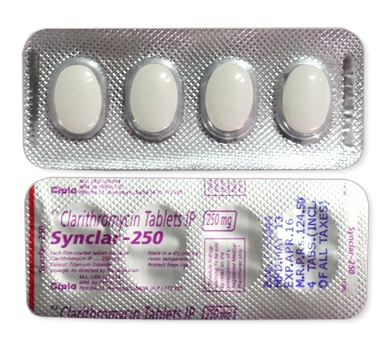
Clarithromycin
- In many countries clarithromycin is officially prescription-only (MHRA in the UK and equivalent agencies elsewhere), but availability varies and some pharmacies or online suppliers may supply it without a prescription; local rules, delivery options and packaging vary by country.
- Clarithromycin is a macrolide antibiotic used for respiratory infections, skin and soft-tissue infections, H. pylori eradication (in combination regimens) and certain mycobacterial infections; it works by inhibiting bacterial protein synthesis via binding to the 50S ribosomal subunit.
- Usual adult doses are 250–500 mg every 12 hours (many regimens use 500 mg twice daily for H. pylori or more severe infections); paediatric dosing is typically 7.5 mg/kg twice daily (up to 500 mg per dose) with higher weight‑based regimens for some mycobacterial infections.
- Administration is oral: film‑coated tablets (250 mg, 500 mg), extended‑release tablets (500 mg), and oral suspensions/granules for paediatric use (125 mg/5 mL, 250 mg/5 mL).
- Plasma concentrations rise within 1–2 hours after an oral dose with peak levels around 2–3 hours; symptomatic improvement is often seen within 24–72 hours for many infections.
- Standard formulations are dosed twice daily and provide about 12 hours of antimicrobial effect per dose; extended‑release formulations provide once‑daily coverage (≈24 hours).
- Avoid excessive alcohol while taking clarithromycin as alcohol may worsen gastrointestinal side effects and general tolerance; there are no specific severe interactions with moderate alcohol intake but caution is advised.
- The most common side effects are gastrointestinal (nausea, vomiting, diarrhoea), plus taste disturbance (metallic taste), headache and sometimes transient increases in liver enzymes.
- Would you like to try “clarithromycin” without a prescription?
Clarithromycin
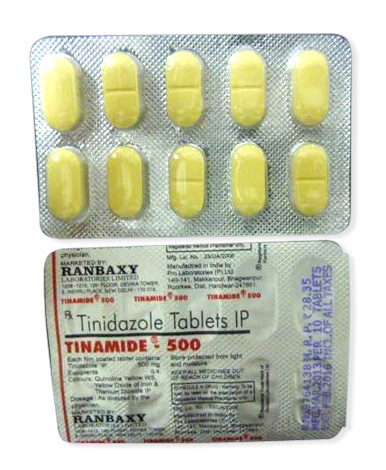
Basic Clarithromycin Information
- INN (International Nonproprietary Name): Clarithromycin (INN‑latin: Clarithromycinum).
- Brand Names Available In United Kingdom: Klaricid, Klaricid XL; generic clarithromycin is also widely available.
- ATC Code: J01FA09 (macrolides).
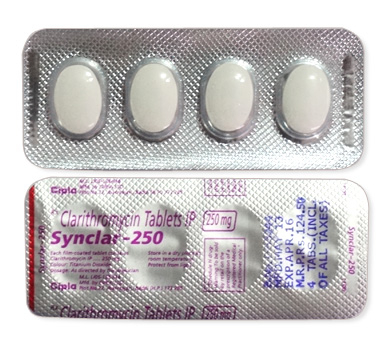
- Forms & Dosages: Film‑coated tablets 250 mg and 500 mg; extended‑release 500 mg tablets; oral suspension powders/granules 125 mg/5 mL and 250 mg/5 mL for reconstitution.
- Manufacturers In United Kingdom: Brown & Burk UK, Sandoz, Ranbaxy and multiple generic suppliers (brands such as Klaricid are marketed in the UK).
- Registration Status In United Kingdom: MHRA registered and prescription‑only.
- OTC / Rx Classification: Prescription‑only medicine (Rx) in the UK.
Instructions And Warnings For UK Patients
Read these quick safety notes before using clarithromycin.
Clarithromycin is a prescription‑only macrolide antibiotic and must be taken exactly as your prescriber and pharmacist advise.
Keep an up‑to‑date medicines list and show it at every GP, walk‑in or A&E appointment.
If you suspect an allergic reaction (rash, swelling, breathing difficulty) stop the medicine and seek urgent care.
Report suspected side effects via the MHRA Yellow Card scheme.
Store tablets below 25°C and use reconstituted suspensions within 14 days.
Scotland, Wales and Northern Ireland currently have free NHS prescriptions; in England check exemptions or a Prescription Prepayment Certificate.
Use only GPhC‑registered online pharmacies and set phone reminders for twice‑daily dosing.
Prefer a short checklist and a pocket‑sized reminder card to carry with you.
Everyday Use & Best Practices
Morning Vs Evening Dosing
Many adults take clarithromycin 250–500 mg every 12 hours depending on the infection and prescriber's plan.
For twice‑daily regimens aim for roughly 12 hours apart, for example 08:00 and 20:00, to keep blood levels steady.
When prescribed 500 mg twice daily for H. pylori protocols, maintain strict timing to support eradication success.
Use phone alarms, the NHS app or a pill box to avoid missed doses during shift work.
Record the start date on your repeat prescriptions list so GP and pharmacist can see when treatment began.
Taking With Or Without Meals
Clarithromycin may be taken with or without food, though food can reduce stomach upset for some people.
If you have a substantial UK breakfast, take the morning tablet with it; if supper is lighter, still keep the 12‑hour gap.
Shake reconstituted suspension well and follow the pharmacist’s instructions for measuring doses.
If you vomit within 30 minutes of a dose, contact your GP or pharmacist for advice about re‑dosing.
- Set two daily alarms for 12‑hour spacing.
- Keep a small pill box in your bag for work or travel.
- Note start and finish dates in your repeat medication list.
- Carry the medicine leaflet when seeing other clinicians.
| Example Schedule | 08:00 Start | 20:00 Start |
|---|---|---|
| Twice Daily (Typical) | 08:00 and 20:00 | 20:00 and 08:00 |
| Shift Worker (Night Shift) | Wake time +1 hour / 12 hours later | Align to wake/sleep pattern |
Safety Priorities
Who Should Avoid It (MHRA Warnings)
Avoid clarithromycin if there is a known macrolide allergy or previous clarithromycin‑related cholestatic jaundice.
Do not combine clarithromycin with drugs that have dangerous CYP3A4 interactions such as cisapride, pimozide or ergot derivatives.
Use caution in uncontrolled QT prolongation or significant arrhythmias and in patients with marked hepatic or renal impairment.
Avoid extended‑release formulations in severe hepatic disease and consult specialist care for pregnancy or breastfeeding decisions.
Activities To Limit (Driving, Work Safety)
Clarithromycin can cause dizziness, headache and visual disturbance in some people.
Avoid driving or operating heavy machinery if these occur until symptoms resolve.
If employed in safety‑critical roles (HGV driver, pilot, industrial operator) inform occupational health about potential side effects.
Report palpitations, syncope or fainting and seek urgent review.
- Absolute contraindications: macrolide allergy, previous clarithromycin‑related hepatic injury.
- High‑risk interactions: cisapride, pimozide, ergot derivatives.
- Limit driving and hazardous tasks if affected by dizziness or visual problems.
Dosage & Adjustments
General Regimen (NHS Guidance)
Typical adult dosing is 250–500 mg every 12 hours for most infections as per standard guidance.
For H. pylori eradication clarithromycin is commonly used at 500 mg twice daily in combination therapy.
Children receive an oral suspension dosed by weight, around 7.5 mg/kg twice daily with a maximum of 500 mg per dose.
Course lengths depend on the indication and range from 5 to 14 days for many respiratory or skin infections.
Special Cases (Elderly, Comorbidities)
Elderly patients may often use standard doses but require close review for renal, hepatic function and interactions.
Reduce the dose by 50% if creatinine clearance is under 30 mL/min and avoid ER forms in severe liver disease.
Longer courses for mycobacterial therapy are specialist‑led with routine monitoring of liver enzymes and ECG for QT interval.
| Patient Group | Adjustment |
|---|---|
| Renal Impairment (CrCl <30 mL/min) | Reduce dose by 50% |
| Severe Hepatic Disease | Avoid extended‑release formulations; use caution |
| Children | 7.5 mg/kg twice daily (use suspension) |
- Check creatinine clearance for renal dosing.
- Avoid ER tablets in severe hepatic impairment.
- Specialist monitoring for long‑term or mycobacterial use.
User Testimonials
Positive Reports From UK Patients
Many UK patients report cough and sputum improvements within 48–72 hours when clarithromycin is prescribed for chest infections.
Patients often mention preferring clarithromycin to older macrolides because dosing is straightforward and stomach upset seems milder.
Common UK brand names encountered include Klaricid and Klaricid XL, which patients frequently recognise from pharmacy leaflets.
Pharmacy teams note that clear counselling about dosing and interactions raises patient confidence in treatment.
Common Challenges (Patient.info, NHS Forums)
Frequently reported issues include a metallic taste, mild diarrhoea and occasional sleep disruption from GI discomfort.
Concerns about interactions with statins or warfarin appear commonly on forums; many users seek pharmacist advice.
Forums and Patient.info emphasise contacting a GP for rash, severe diarrhoea or jaundice and using the Yellow Card to report adverse events.
| Reported Experience | Typical Advice |
|---|---|
| Rapid symptom relief (respiratory) | Continue course; seek review if no improvement in 48–72 hours |
| Metallic taste or mild diarrhoea | Discuss with pharmacist; maintain hydration |
- "Cleared my chest infection in three days" — common positive comment.
- "Worried about my statin" — common query resolved by pharmacist review.
Buying Guide
Pharmacy Sources (Boots, LloydsPharmacy, Superdrug)
Clarithromycin is prescription‑only in the UK and can be dispensed from NHS or private pharmacies such as Boots, LloydsPharmacy and Superdrug.
Many GP surgeries and local dispensing pharmacies supply clarithromycin and can advise on brand options such as Klaricid.
For convenience, use GPhC‑registered online pharmacies that accept an electronic prescription and display their pharmacy registration details.
In our online pharmacy, clarithromycin is available without a prescription, with discreet delivery to United Kingdom in 5‑14 days.
Price Comparison (NHS Prescription Charge Vs Private)
In England prescriptions usually incur the NHS charge unless the patient is exempt or has a Prescription Prepayment Certificate.
Scotland, Wales and Northern Ireland currently have free NHS prescriptions for residents, which reduces out‑of‑pocket cost.
Generic clarithromycin is typically less costly than branded Klaricid or Klaricid XL when paying privately.
| Source | Typical Cost If Private | Regulatory Check |
|---|---|---|
| NHS Pharmacy | Prescription charge in England (varies) | MHRA registered supply |
| High‑Street Private Pharmacy | Lower cost for generics; branded higher | Check GPhC registration |
| GPhC‑Registered Online Pharmacy | Varies; may include delivery | Check online pharmacy logo and details |
- Ask your GP for a generic prescription if cost is a concern.
- Always confirm pharmacy GPhC registration for online orders.
What’s Inside & How It Works
Ingredients Overview
Active ingredient: clarithromycin (INN; Latin: Clarithromycinum).
Common UK preparations include 250 mg and 500 mg film‑coated tablets, 500 mg extended‑release tablets and 125/250 mg per 5 mL paediatric suspensions.
Excipients vary between manufacturers and brand leaflets should be checked for specific allergy concerns.
Mechanism Basics Explained Simply
Clarithromycin is a macrolide antibiotic that works by binding to the 50S bacterial ribosomal subunit and inhibiting protein synthesis.
This stops bacteria growing and allows the immune system to clear the infection more effectively.
The drug concentrates well in respiratory tissues, which is why it is useful for chest and sinus infections but it does not treat viral colds.
- Form: tablets, extended‑release, oral suspension.
- ATC classification: J01FA09 (macrolides).
- Mechanism: 50S ribosomal inhibition, bacteriostatic effect.
Main Indications
Approved Uses (MHRA Listing)
Clarithromycin is used for respiratory tract infections, skin and soft‑tissue infections and as part of H. pylori eradication regimens.
Adult dosing for these indications is commonly 250–500 mg every 12 hours, with H. pylori therapy often using 500 mg twice daily.
It is MHRA‑registered and prescription‑only in the UK.
Off‑Label Uses In UK Clinics
Specialist clinics may use clarithromycin for atypical mycobacterial infections or as suppressive therapy under close monitoring.
Off‑label use should be discussed explicitly with the prescriber and documented in the medical record.
| Indication | Typical Adult Dose | Typical Duration |
|---|---|---|
| Respiratory Infection | 250–500 mg twice daily | 5–14 days |
| Skin/Soft Tissue | 250–500 mg twice daily | 5–14 days |
| H. pylori (Combination) | 500 mg twice daily | 7–14 days |
Interaction Warnings
Food Interactions (Alcohol, Tea/Coffee)
There are no major food interactions that demand avoiding common UK drinks such as tea or coffee.
Moderate alcohol is usually permissible but avoid excess if experiencing dizziness or when taking other liver‑metabolised medicines.
If acidic drinks increase stomach upset, consider taking your dose with food to reduce GI symptoms.
Drug Conflicts (MHRA Yellow Card Reports)
Clarithromycin is a known CYP3A4 inhibitor and can raise levels of drugs including some statins, benzodiazepines, certain antiarrhythmics and colchicine.
Avoid concomitant use with cisapride, pimozide and ergot derivatives because of serious risks.
Always check with a pharmacist before starting OTC medicines or herbal supplements such as St John’s wort.
| High‑Risk Drug | Concern |
|---|---|
| Simvastatin | Increased statin levels; consider withholding or alternative |
| Colchicine | Risk of toxicity when combined |
| Certain Antiarrhythmics | QT prolongation risk increased |
- Report suspected interactions via MHRA Yellow Card.
- Always show your full medication list to the pharmacist.
Latest Evidence & Insights
Key UK & EU Studies 2022–2025
Recent literature emphasises antimicrobial stewardship and targeted macrolide use to reduce resistance within communities.
Clarithromycin remains useful for community respiratory infections when beta‑lactams are unsuitable and when atypical coverage is required.
For H. pylori, triple therapy with clarithromycin shows variable eradication depending on local resistance rates and testing where possible is advised.
Practical Implications For Prescribers & Patients
Clinicians should check local resistance patterns and patient cardiac risk factors before prescribing clarithromycin.
Patients are encouraged to complete the prescribed course and seek review if symptoms do not improve in 48–72 hours.
Public health guidance stresses avoiding unnecessary antibiotic use to preserve effectiveness for the community.
- Stewardship: use targeted therapy based on local data.
- Patients: report lack of improvement and any adverse events.
Alternative Choices
NHS Prescribing Alternatives
Common NHS alternatives include amoxicillin for many respiratory infections, doxycycline or azithromycin for atypical coverage, and erythromycin as an older macrolide.
Choice depends on the infection site, allergy history and local guidance; doxycycline is often used for penicillin allergy where appropriate.
Pros/Cons Checklist
Consider efficacy against the target organism, dosing convenience, side‑effect profile, interaction risk and cost when choosing an antibiotic.
Azithromycin may be preferred for once‑daily dosing but has a different interaction and resistance profile.
Doxycycline covers atypicals but is contraindicated in pregnancy and young children.
| Option | Pros | Cons |
|---|---|---|
| Amoxicillin | Effective for many chest infections; low cost | Not suitable for some atypical pathogens |
| Azithromycin | Once‑daily dosing | Different interaction and resistance issues |
| Doxycycline | Good atypical coverage | Contraindicated in pregnancy; photosensitivity |
Regulation Snapshot
MHRA Approval & Status
Clarithromycin is MHRA‑registered and prescription‑only in the United Kingdom.
It is available as both branded products such as Klaricid and numerous generic formulations.
The ATC code is J01FA09, classifying it among macrolide antibacterials.
NHS Prescribing Framework & Charges
Prescribers should follow NHS antimicrobial guidance and local formularies when selecting clarithromycin.
In England most prescriptions attract the standard NHS charge unless the patient is exempt; Scotland, Wales and Northern Ireland provide free NHS prescriptions.
Pharmacists can query antibiotic requests and provide medicine use reviews when appropriate.
- MHRA registration: prescription‑only medicine in the UK.
- Prescribe generically where appropriate to reduce cost.
- Follow local stewardship policy when choosing an antibiotic.
FAQ Section
Q1: Can I Drive While Taking Clarithromycin?
If you experience dizziness, visual problems or drowsiness do not drive.
Most people may drive if unaffected, but check with a pharmacist if unsure.
Q2: What If I Miss A Dose?
Take the missed dose as soon as you remember unless the next dose is due soon.
Do not double up doses; if several doses are missed, contact your GP or pharmacist.
Q3: Is It Safe In Pregnancy/Breastfeeding?
Discuss with your GP or maternity team as clarithromycin is used with caution in pregnancy and alternatives may be preferred depending on trimester and indication.
Q4: What About Side Effects Like Diarrhoea?
Mild GI upset and a metallic taste are common and often self‑limiting.
Stop and seek urgent care for severe diarrhoea, blood in stool, rash or signs of jaundice and report adverse effects via the MHRA Yellow Card.
- When To Seek Help: severe diarrhoea, rash, breathing difficulty, jaundice.
- Minor Issues: consult pharmacist first for management advice.
Guidelines For Proper Use
UK Pharmacist Counselling Style
Confirm the indication and explain the dosing schedule clearly using alarms or a pill box where needed.
Discuss common side effects like nausea and metallic taste and counsel on interactions with statins, anticoagulants and colchicine.
Check pregnancy status, current medicines and offer a written leaflet with MHRA Yellow Card reporting details.
Give simple practical examples, for instance advising a commuter to set workplace reminders for doses.
NHS Patient Support Advice
Advise patients to complete the full course unless instructed otherwise by their prescriber.
Return any unused antibiotics to the pharmacy for safe disposal.
If symptoms worsen or fail to improve within 48–72 hours recommend GP review and consider culture or resistance testing for recurrent infections.
- Pharmacist Counselling Checklist: indication, dosing, side effects, interactions, pregnancy check.
- Patient Handout Template: start/finish dates, emergency contacts (GP, NHS 111), Yellow Card link.
Delivery Across United Kingdom
| City | Region | Delivery Time |
|---|---|---|
| London | Greater London | 5–7 days |
| Birmingham | West Midlands | 5–7 days |
| Manchester | Greater Manchester | 5–7 days |
| Glasgow | Scotland | 5–7 days |
| Leeds | West Yorkshire | 5–7 days |
| Sheffield | South Yorkshire | 5–7 days |
| Leicester | Leicestershire | 5–9 days |
| Brighton | East Sussex | 5–9 days |
| Newcastle | Tyne and Wear | 5–7 days |
| Norwich | Norfolk | 5–9 days |
| Bristol | Avon | 5–7 days |
| Cardiff | Wales | 5–7 days |
| Stirling | Scotland | 5–9 days |
| Exeter | Devon | 5–9 days |