
Stugeron

Stugeron
- In our pharmacy, you can buy Stugeron (cinnarizine) without a prescription; it is sold over the counter in the UK and many EU countries and can be delivered nationwide with discreet packaging.
- Stugeron is used for prevention and treatment of motion sickness, vertigo and other vestibular disorders and for certain cerebral/peripheral circulatory disorders; cinnarizine acts mainly as a calcium channel blocker reducing vestibular stimulation and has antihistaminic effects that help prevent nausea and dizziness.
- The usual dose for adults is 25 mg — for motion sickness take 25 mg about 2 hours before travel and repeat every 8 hours if needed; for vertigo and vestibular disorders 25 mg three times daily (total 75 mg/day); children aged 5–12 generally receive 12.5 mg two to three times daily, and it is not recommended under 5 years.
- Stugeron is administered orally, most commonly as 25 mg tablets; extended‑release tablets and syrups are available in some regions.
- The effect typically starts within about 30–120 minutes, which is why a dose is usually taken approximately 2 hours before travel for motion sickness.
- The duration of action for a single dose is approximately 8 hours, which is why doses are often repeated every 8 hours for ongoing symptoms.
- Do not consume alcohol while taking Stugeron — alcohol and other CNS depressants can increase drowsiness and impair alertness, reaction time and driving ability.
- The most common side effect is drowsiness.
- Would you like to try stugeron without a prescription?
Stugeron

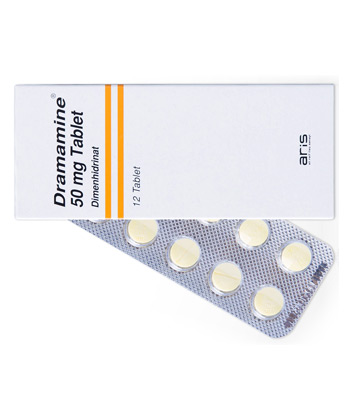

Basic Stugeron Information
- INN (International Nonproprietary Name): Cinnarizine.
- Brand Names Available In United Kingdom: Stugeron (25 mg tablet, 15/30/50-pack).
- ATC Code: N07CA02 — nervous system; other nervous system drugs; calcium channel blockers for vestibular disorders.
- Forms & Dosages: Oral tablet 25 mg most common; extended‑release tablets (rare) and syrup/suspension in select regions.
- Manufacturers In United Kingdom: Janssen Pharmaceuticals listed as original brand owner; multiple regional generics and suppliers supply Stugeron.
- Registration Status In United Kingdom: Approved and available, mostly as over‑the‑counter for motion sickness and for vertigo under clinician direction.
- OTC / Rx Classification: Mostly OTC in the UK for motion sickness; prescription used for longer or specialist indications.
Important Instructions And Everyday Warnings For UK Patients (Read First)
Worried about taking a new travel or vertigo medicine?
Follow MHRA and NHS advice: if you are pregnant, breastfeeding or have parkinsonian symptoms do not take Stugeron (cinnarizine) unless a specialist recommends it.
Keep tablets out of reach of children and store them at room temperature away from sunlight and moisture.
Report any side effects you notice to the MHRA Yellow Card scheme online or via your pharmacist.
A practical daily tip is to avoid driving or operating machinery until you know how Stugeron affects you because many users report drowsiness.
For travel, take a dose before the journey and carry a small blister pack in hand luggage for easy access on ferries or trains.
Pharmacists at Boots, LloydsPharmacy or Superdrug can advise and supply OTC packs or explain prescription options for longer use.
Quick safety checklist:
- Pregnancy or breastfeeding? — consult your GP before using.
- Existing Parkinson’s disease or movement disorder? — avoid unless advised by a specialist.
- On other CNS depressants or using alcohol heavily? — ask your pharmacist for interaction advice.
- Elderly or known liver disease? — dose adjustment and monitoring may be needed.
Everyday Use & Best Practices
Morning Vs Evening Dosing
Do you need to stay alert for work, childcare or driving during the day?
For motion sickness take one Stugeron 25 mg tablet about two hours before travel and repeat every eight hours if required.
For chronic vertigo clinicians commonly advise 25 mg three times daily, commonly spaced through the day.
If daytime alertness matters, many people schedule doses to avoid peak drowsiness by taking a dose an hour before bed when used for vertigo.
Others split doses across breakfast, mid‑afternoon and early evening to keep balance benefits while reducing daytime sleepiness.
Taking With Or Without Meals (UK Diet Habits)
Can I take Stugeron with my English breakfast of tea and toast?
Stugeron can be taken with or without food, and a typical UK breakfast with a small snack often reduces mild gastrointestinal upset and supports adherence.
On ferries or flights a light snack plus the tablet tends to improve tolerance for sensitive travellers.
Dosing schedule examples:
- Motion sickness: 25 mg two hours before travel, then every 8 hours as needed.
- Vestibular disorder (day plan): 25 mg at breakfast, 25 mg mid‑afternoon, 25 mg early evening.
- Vestibular disorder (night‑biased): 25 mg at bedtime to reduce daytime sedation for some people.
| Time | Sample Dose |
|---|---|
| 08:00 (Breakfast) | 25 mg |
| 14:30 (Snack) | 25 mg |
| 19:30 (Early Evening) | 25 mg |
Safety Priorities
Who Should Avoid It (MHRA Warnings)
Are you on the lookout for who must not take Stugeron?
Do not take Stugeron if you are pregnant or breastfeeding unless a specialist specifically advises it, as per MHRA guidance.
Avoid if you have porphyria or severe hepatic impairment, or if you have a known allergy to cinnarizine or any excipient.
People with Parkinson’s disease or parkinsonian tendencies should not take cinnarizine because it can worsen movement symptoms.
Activities To Limit (Driving, Work Safety)
Worried about safety at work or on the road?
Do not drive, cycle or operate heavy machinery until you know how Stugeron affects you because drowsiness and slowed reactions are common.
Combining Stugeron with alcohol or other central nervous system depressants increases the risk of impairment.
Elderly patients face higher risks of confusion and excessive sedation and may require lower doses or alternative treatments.
Quick checklist:
- Contraindications: pregnancy, porphyria, severe liver disease, allergy to cinnarizine.
- High‑risk activities to delay: driving, shift‑work, safety‑critical tasks until effect is known.
- Who to call: your pharmacist for same‑day advice or GP/999 for severe reactions.
Remember to report adverse events to the MHRA Yellow Card — pharmacists at Boots, LloydsPharmacy and Superdrug can help with reporting.
Dosage & Adjustments
General Regimen (NHS Guidance)
How should you dose Stugeron for travel or vertigo?
Adults typically use 25 mg tablets: for motion sickness take 25 mg two hours before travel and repeat every eight hours if required.
For vertigo or vestibular disorders the common adult regimen is 25 mg three times daily (total 75 mg/day).
NHS pharmacists usually recommend short courses for travel and clinician‑directed longer regimens for chronic vertigo.
Special Cases (Elderly, Comorbidities)
What about children, older people and those with liver issues?
Children under five are not recommended to take cinnarizine, while those aged five to twelve typically receive around 12.5 mg two to three times daily under advice.
For elderly patients consider reducing dose and monitoring closely for sedation, confusion or extrapyramidal symptoms.
Cinnarizine is mainly hepatically metabolised via CYP pathways, so liver impairment requires caution and prescriber discussion about dose reduction.
| Age/Group | Typical Dose |
|---|---|
| Children <5 years | Not recommended |
| Children 5–12 years | 12.5 mg two–three times daily |
| Adults | 25 mg (travel) or 25 mg three times daily (vertigo) |
| Elderly / Liver impairment | Consider lower doses and monitor |
User Testimonials
Positive Reports From UK Patients
Wondering what other UK patients say about Stugeron?
Many report that one 25 mg tablet taken before travel greatly reduces seasickness and car‑sickness during short journeys.
Patients with chronic vertigo often describe improved balance after several weeks of treatment when combined with physiotherapy.
Pharmacy customers buying OTC at Boots or LloydsPharmacy value fast access and pharmacist counselling on dose timing and side effects.
Common Challenges (Patient.info, NHS Forums)
Are there downsides users commonly share online?
Drowsiness and dry mouth are commonly reported and may interfere with daytime work or childcare for some people.
A minority mention mood changes, tremor or movement‑like symptoms, which should prompt immediate review by a GP.
Long‑term users sometimes note mild weight gain, and UK patients frequently prefer trying a single journey with Stugeron before committing to prolonged use.
- Typical positives: effective relief for motion sickness and some vestibular symptoms.
- Typical issues: sedation, dry mouth, occasional movement symptoms — stop and seek review if these appear.
Buying Guide
Pharmacy Sources (Boots, LloydsPharmacy, Superdrug)
Where can you buy Stugeron in the UK?
Stugeron 25 mg tablets are commonly stocked OTC by major pharmacy chains such as Boots, LloydsPharmacy and Superdrug and by reputable online pharmacies.
Pharmacists can provide dosing advice, single‑use travel packs and guidance on whether a GP prescription is needed for longer courses.
Price Comparison (NHS Prescription Charge Vs Private)
How much will it cost you?
If prescribed on the NHS in England the standard prescription charge applies unless you are exempt, while Scotland, Wales and Northern Ireland have free prescriptions.
Private purchase costs vary by retailer and pack size, so compare prices online but only buy from MHRA‑approved or well‑known pharmacies.
In our online pharmacy, Stugeron is available without a prescription, with discreet delivery to United Kingdom in 5-14 days.
| Source | Typical Pack Sizes | Cost Notes |
|---|---|---|
| Boots / LloydsPharmacy / Superdrug | 15 / 30 / 50 packs | OTC price varies by pack; pharmacist advice available |
| NHS Prescription (England) | As prescribed | Standard prescription charge unless exempt |
| Online Pharmacies | 15–50 packs | Compare reputation and MHRA marking |
What’s Inside & How It Works
Ingredients Overview
What is in a Stugeron tablet?
The active ingredient is cinnarizine at 25 mg per standard oral tablet, with excipients varying by manufacturer.
Formulations are mainly standard tablets, while extended‑release and syrup forms exist in some regions but are uncommon in the UK.
Mechanism Basics Explained Simply
How does cinnarizine combat motion sickness and vertigo?
Cinnarizine acts as a calcium channel blocker targeted at the vestibular system, reducing vestibular sensory input and improving certain microcirculatory effects.
It also has mild antihistaminic and anticholinergic properties that contribute to its antiemetic effects but can cause drowsiness.
In practical terms patients usually experience fewer dizzy spells and less nausea during motion once the drug is effective.
| Item | Notes |
|---|---|
| Active Ingredient | Cinnarizine 25 mg |
| Common Excipients | Manufacturer dependent; see pack leaflet |
| Mechanism | Vestibular calcium channel blocker; mild antihistaminic effects |
Because cinnarizine is metabolised hepatically, please tell your pharmacist about other medicines to check for interactions.
Main Indications
Approved Uses (MHRA Listing)
What conditions is Stugeron authorised for?
Stugeron (cinnarizine) is used for motion sickness such as seasickness and travel sickness, and for vestibular vertigo and certain circulatory disorders.
In the UK it is commonly available OTC for short‑term motion sickness relief and used under GP direction for longer vestibular therapy.
Off‑Label Uses In UK Clinics
Are there specialist or off‑label uses?
Some clinicians may use cinnarizine adjunctively for chronic imbalance or migraine‑associated vertigo, but such uses are clinician‑led and monitored.
Alternatives like betahistine or vestibular rehabilitation are often recommended for Ménière’s disease or chronic vestibular migraine.
- OTC suitable: short‑term motion sickness prevention.
- See GP/ENT if vertigo is severe, recurrent, or associated with neurological signs.
- Red flags: sudden severe vertigo, weakness, slurred speech, visual changes — seek urgent review.
Interaction Warnings
Food Interactions (Alcohol, Tea/Coffee)
Can what you eat or drink affect Stugeron?
Avoid alcohol around dosing because it markedly increases dizziness and sedation with cinnarizine.
Strong caffeine from tea or coffee will not reliably counteract drowsiness and can disturb sleep after evening doses.
There are no major food restrictions, but taking the tablet with a light snack often reduces nausea.
Drug Conflicts (MHRA Yellow Card Reports)
Which medicines should you check with your pharmacist?
Cinnarizine can increase sedation when combined with other CNS depressants such as opioids, benzodiazepines or some antihistamines.
It can worsen parkinsonism if used with dopamine antagonists and should be scrutinised in polypharmacy reviews.
Hepatic enzyme interactions are possible due to hepatic metabolism; always disclose current medications to your pharmacist.
- Major drug classes to check: CNS depressants, antipsychotics/dopamine antagonists, strong CYP inhibitors.
- If you suspect an interaction: stop new substance if safe, seek pharmacist or GP advice, and report via Yellow Card if adverse.
Latest Evidence & Insights
Key UK & EU Studies 2022–2025
What does recent research say about cinnarizine?
Reviews from 2022–2025 reaffirm cinnarizine’s role for motion sickness and some vestibular disorders but highlight sedation and movement disorder risk with prolonged use.
Comparative studies report similar short‑term efficacy to meclizine for travel sickness, while chronic vestibular dysfunction benefits most from multimodal care.
Practical Takeaways For Patients And Clinicians
How should this affect everyday prescribing and use?
UK clinicians favour short‑term cinnarizine for travel and cautious titration for chronic vertigo with baseline monitoring for movement symptoms.
For elderly or polypharmacy patients, consider alternatives with lower sedative burden and combine medication with vestibular rehabilitation where possible.
| Study Type | Key Finding |
|---|---|
| Comparative Trials | Similar short‑term efficacy to meclizine for motion sickness |
| Guideline Reviews | Recommend short courses for travel and multimodal care for chronic vertigo |
Patients should discuss recent guidance with their GP or pharmacist and report effects to help shared decision making.
Alternative Choices
NHS Prescribing Alternatives With Pros/Cons Checklist
Not liking the side effects of Stugeron?
Alternatives include dimenhydrinate, meclizine, promethazine (prescription) and non‑drug approaches such as vestibular physiotherapy or betahistine for Ménière’s disease.
Pros and cons checklist:
- Dimenhydrinate — rapid onset but sedating; commonly used for motion sickness.
- Meclizine — sometimes less sedating for some patients; availability varies.
- Betahistine — used for Ménière’s syndrome; evidence is mixed and it is prescription only.
- Non‑drug — vestibular rehabilitation avoids sedative risks and is effective for many chronic vestibular patients.
When To Consider Switching
When should a switch be discussed?
Consider switching if Stugeron causes intolerable drowsiness, worsening tremor or parkinsonism, or if symptom control is inadequate.
Elderly patients or those with significant liver disease may be better served by physiotherapy or a lower‑sedation drug.
Always discuss cost and NHS prescribing rules with your GP or pharmacist before changing treatment.
Regulation Snapshot
MHRA Approval & Labeling
Is Stugeron regulated in the UK?
Cinnarizine (Stugeron) is authorised and its ATC code N07CA02 places it among nervous system drugs for vestibular disorders.
MHRA labelling reflects contraindications such as porphyria, pregnancy and severe hepatic impairment and advises caution in older adults and those with parkinsonian disorders.
NHS Prescribing Framework
How does NHS handle supply and monitoring?
In the UK Stugeron is often available OTC for short‑term motion sickness, with longer‑term use typically prescribed and monitored by a GP or specialist.
Prescribing differences across the UK affect cost: England has prescription charges unless exempt, while Scotland, Wales and Northern Ireland have free prescriptions.
Pharmacies must follow MHRA reporting rules and patients are encouraged to report adverse events via the Yellow Card system.
| Nation | OTC Availability | Prescription Cost Note |
|---|---|---|
| England | Yes (OTC for travel) | Standard prescription charge unless exempt |
| Scotland | Yes | Prescriptions free |
| Wales | Yes | Prescriptions free |
| Northern Ireland | Yes | Prescriptions free |
FAQ Section
Common UK Patient Questions
Can I take Stugeron while pregnant?
No; pregnancy and breastfeeding are contraindicated unless a specialist explicitly recommends it.
Will it make me sleepy?
Yes; drowsiness is common and you should avoid driving until you know how you react.
Can children use it?
Not recommended under five years; children aged five to twelve typically use 12.5 mg two to three times daily under professional advice.
Is it available on the NHS?
It is available OTC for short‑term use; GPs can prescribe for longer needs and NHS prescribing rules vary by nation.
Where To Get Help And Report Problems
Who should you contact for advice or to report a side effect?
Speak to your pharmacist at Boots, LloydsPharmacy or Superdrug for immediate advice; contact your GP for ongoing vertigo or if you notice movement symptoms.
Report serious or unexpected side effects via the MHRA Yellow Card scheme.
For urgent reactions such as severe allergy or seizures call 999 or attend A&E.
- Tell your pharmacist/GP about current medicines, pregnancy status, previous reactions and your occupation (driving, safety‑critical work).
Guidelines For Proper Use
UK Pharmacist Counselling Style
What will a UK pharmacist ask and advise when you request Stugeron?
They will confirm the indication (motion sickness vs vertigo), check contraindications such as pregnancy or porphyria and review current medicines for interactions.
Pharmacists will advise on dose and timing, warn about drowsiness and suggest a trial dose before a long journey.
They will advise avoiding alcohol and other sedatives and provide written or verbal dosing schedules where useful.
NHS Patient Support Advice
What support can the NHS provide for chronic vertigo?
For ongoing vertigo your GP may refer you to ENT, neurology or vestibular physiotherapy services and provide patient leaflets and supervised rehab programmes.
Be aware of prescription charge differences across UK nations and available exemptions.
Checklist for patients leaving the pharmacy: confirm dose, note side effects to watch for, know who to call for urgent review and report any unexpected problems via Yellow Card.
Delivery Across United Kingdom
| City | Region | Delivery Time |
|---|---|---|
| London | England | 5–7 days |
| Birmingham | England | 5–7 days |
| Manchester | England | 5–7 days |
| Glasgow | Scotland | 5–7 days |
| Leeds | England | 5–7 days |
| Edinburgh | Scotland | 5–7 days |
| Bristol | England | 5–7 days |
| Liverpool | England | 5–9 days |
| Sheffield | England | 5–9 days |
| Newcastle | England | 5–9 days |
| Nottingham | England | 5–9 days |
| Leicester | England | 5–9 days |
| Belfast | Northern Ireland | 5–7 days |
| Cardiff | Wales | 5–7 days |