
Women's Health
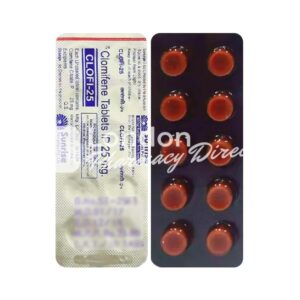
Clomid
from
Provera
from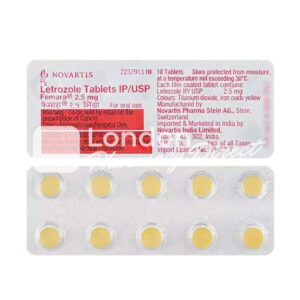
Femara
from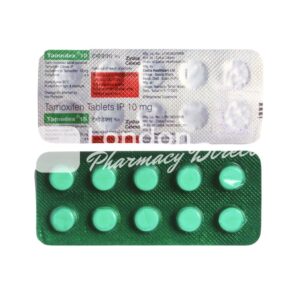
Nolvadex
from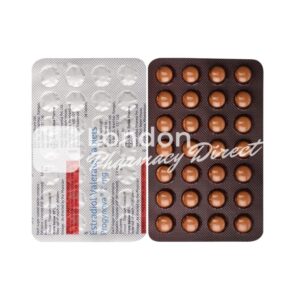
Estradiol
from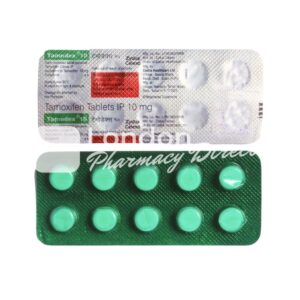
Tamoxifen
from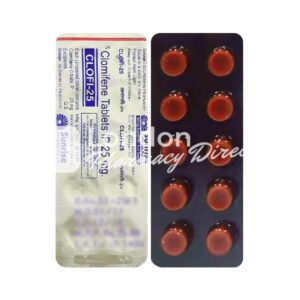
Clomiphene
from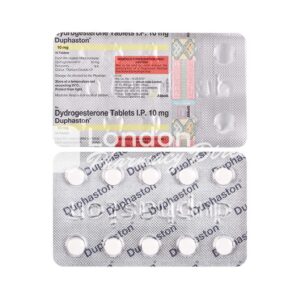
Duphaston
from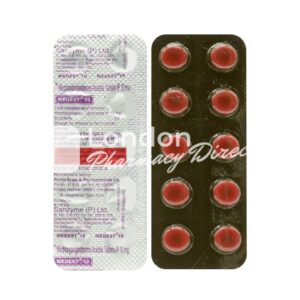
Medroxyprogesterone
from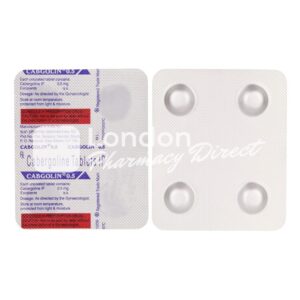
Cabergoline
from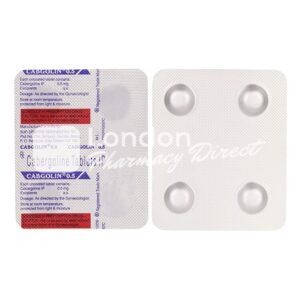
Dostinex
from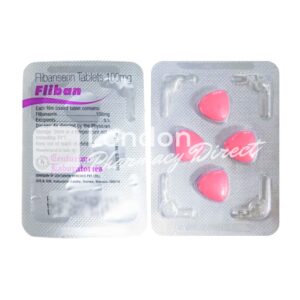
Addyi
from
Parlodel
from
Cyclogest
from
Premarin
fromContraception and Birth Control
Contraception plays a vital role in family planning and reproductive autonomy. It allows women to manage their fertility, plan pregnancies, and maintain control over their life choices. Various contraceptive methods are available in the United Kingdom, each offering different levels of effectiveness and convenience.
Oral Contraceptives (The Pill)
The combined oral contraceptive pill, commonly known as “the pill,” remains one of the most popular contraceptive methods in the UK. Popular brands include Yasmin, Microgynon, and Levora. These pills contain hormones that prevent ovulation. When taken correctly, they offer over 99% effectiveness. The progestin-only pill, such as Cerazette and Noriday, provides an alternative for women who cannot take oestrogen.
Long-Acting Reversible Contraception (LARC)
LARC methods, including the intrauterine device (IUD) and intrauterine system (IUS), offer protection for several years without user intervention. The copper IUD (Paragard) and hormonal IUS (Mirena, Skyla, Kyleena) are highly effective options available through the NHS and private healthcare providers.
Barrier Methods
Condoms and diaphragms provide contraception whilst offering protection against sexually transmitted infections. These remain accessible over-the-counter options for women seeking immediate solutions without prescriptions.
Hormonal Health and Menopause Management
Hormonal fluctuations affect women throughout their lives, with particular significance during menopause. Understanding and managing hormonal changes helps women maintain quality of life during this natural transition.
Menopause Symptoms
Menopause typically occurs between 45 and 55 years of age, bringing hot flushes, night sweats, mood changes, and sleep disturbances. These symptoms can significantly impact daily activities and wellbeing.
Hormone Replacement Therapy (HRT)
HRT remains an effective treatment for moderate to severe menopausal symptoms. Available formulations include tablets, patches, gels, and sprays. Common UK brands include Estradot, Elleste Duet, and Premique. HRT can be oestrogen-only for women without a uterus or combined therapy for those with a uterus.
Natural Alternatives
Many women explore plant-based remedies and lifestyle modifications. Black cohosh, red clover, and sage leaf are popular herbal supplements. Vitamin E, calcium supplements, and regular exercise also provide supportive benefits during this transitional period.
Menstrual Health and Period Support
Menstrual wellbeing is fundamental to overall health. Addressing common menstrual issues helps women manage discomfort and maintain normal functioning during their cycle.
Period Pain Relief
Dysmenorrhoea, or painful periods, affects many women. Over-the-counter pain relief options include ibuprofen (Nurofen), naproxen (Feminax Ultra), and paracetamol (Panadol). These medications reduce inflammation and alleviate cramping. Some women find extended-release formulations more effective for sustained relief.
Heavy Menstrual Bleeding
Excessive bleeding can cause anaemia and significantly impact quality of life. Treatments include tranexamic acid (Cyklokapron), which reduces bleeding by up to 50%, and mefenamic acid (Ponstan), which combines pain relief with bleeding reduction. Hormonal contraceptives also regulate heavy periods effectively.
Period Products and Hygiene
Beyond medications, various sanitary products support menstrual health. The range of options available includes:
- Traditional tampons and pads in various absorbencies
- Menstrual cups for eco-friendly, reusable protection
- Period pants designed to absorb menstrual flow
- Organic cotton alternatives for sensitive skin
Maintaining proper hygiene prevents infections and ensures comfort throughout the menstrual cycle.
Urinary and Vaginal Health
The urinary and reproductive tracts require specific attention and care. Infections and dryness can cause discomfort and affect quality of life, yet effective treatments exist.
Urinary Tract Infections (UTIs)
UTIs are common in women and cause burning during urination, frequency, and urgency. Antibiotics such as trimethoprim and nitrofurantoin (Macrobid) effectively treat bacterial infections. Cranberry supplements and increased water intake provide preventative support. Over-the-counter products like Cystopurin offer alkalising relief.
Vaginal Health and Dryness
Vaginal dryness, often related to hormonal changes, menopause, or medication side effects, causes discomfort during intercourse. Vaginal moisturisers such as Hyalo Gyn and Regelle provide daily hydration. Lubricants offer immediate relief during sexual activity. Oestrogen-based vaginal creams (Premarin) or tablets (Vagifem) address hormone-related dryness.
Candida and Thrush
Vaginal thrush causes itching, discharge, and discomfort. Antifungal treatments including clotrimazole (Canesten), miconazole (Gyno-Daktarin), and fluconazole (Diflucan) are readily available. Single-dose treatments offer convenience, whilst topical creams provide localised relief.
Bone and Joint Health
Maintaining bone density and joint strength becomes increasingly important as women age, particularly following menopause when oestrogen decline accelerates bone loss.
Osteoporosis Prevention
Osteoporosis affects millions of women, increasing fracture risk. Calcium and vitamin D supplementation forms the foundation of prevention. Products containing both minerals support bone density maintenance. Adequate intake includes dairy products, fortified foods, and supplements when necessary.
Bone-Strengthening Medications
Bisphosphonates such as alendronic acid (Fosamx) reduce bone loss and improve density. These medications require specific administration instructions but significantly reduce fracture risk in women with established osteoporosis. Regular bone density screening helps identify risk early.
Joint and Muscle Support
Glucosamine and chondroitin supplements support joint cartilage health. Omega-3 fatty acids, found in fish oil supplements, reduce inflammation. Regular exercise, particularly weight-bearing activities, strengthens bones and improves overall musculoskeletal health throughout all life stages.
Nutritional Support and Wellness
Proper nutrition underpins all aspects of women’s health. Targeted supplementation addresses specific needs and supports optimal functioning across the lifespan.
Iron Supplementation
Women of reproductive age require adequate iron due to menstrual blood loss. Iron supplements prevent anaemia, which causes fatigue and reduces physical performance. Ferrous sulphate remains the most common form, though other derivatives reduce side effects for sensitive women.
Prenatal and Postnatal Vitamins
Women planning pregnancy or expecting benefit from prenatal vitamins containing folic acid, which prevents neural tube defects. Brands like Pregnacare provide comprehensive nutritional support. Postnatal vitamins support recovery and maintain health during breastfeeding.
General Wellness Supplements
Multivitamins specifically formulated for women address unique nutritional needs. B-vitamins support energy metabolism, whilst vitamin D strengthens bones and supports immunity. Mineral supplements including magnesium and zinc promote overall wellbeing. Women’s specific formulations often include herbs like evening primrose oil, supporting hormonal balance and skin health.