Flavoxate Hcl
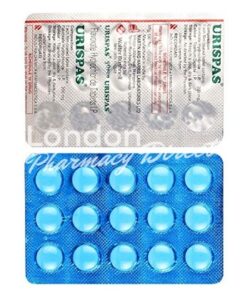
In stock
200mg
from 48,09 £
In brief
- Flavoxate HCl is a bladder antispasmodic, taken when urgency, frequency, discomfort or difficulty passing urine are troublesome.
- The only strength listed is 200 mg, supplied in boxes of 30, 60, 90, 120 or 180 tablets.
- UK status: prescription-only. A doctor or prescriber has to judge whether flavoxate is appropriate.
What Flavoxate HCl does for the bladder
Flavoxate HCl is short for flavoxate hydrochloride. It belongs to the antispasmodics, which act straight on smooth muscle and make it relax. Applied to the bladder wall, that means more room before the urge arrives and lower pressure during urination, so the need to rush to the toilet fades. UK product information describes it as symptomatic relief for painful or difficult urination, urgency, getting up at night to pass water, pain above the pubic bone, frequency and incontinence, where these accompany inflammation of the bladder, urethra or prostate or follow certain urinary tract procedures. It soothes; it does not kill germs. Stinging, burning or a pressing need to go can have many origins, including infection, stones, an enlarged prostate or an overactive bladder, and each needs its own assessment.
Strength and boxes on offer
One strength of Flavoxate HCl is listed, 200 mg, which is the same as the licensed British tablet. Boxes hold 30, 60, 90, 120 or 180. Only one flavoxate brand, Urispas, sits on the UK register, and all flavoxate tablets need a prescription, so use sits within medical care. The imported tablets sold here do not replace a proper search for the reason the bladder is irritable.
The adult dose and what happens after swallowing
Adults take a 200 mg tablet three times in the day, after meals. On that schedule 30 tablets last ten days, and a box of 180 lasts two months. Older adults need no different amount. Once swallowed, the tablet is rapidly converted into an active breakdown product which reaches its peak in about half an hour to an hour, and more than half is passed out by the kidneys, which is why kidney impairment calls for care. Flavoxate is not recommended for children under 12 because safety and efficacy have not been established in this age group. Because the tablets contain lactose, people with an intolerance should check. If symptoms linger, the underlying cause needs tracking down.
When flavoxate is not an option
Anybody with a blocked or paralysed gut, bleeding in the digestive tract or achalasia should not take Flavoxate HCl. The same applies to urinary retention, glaucoma and myasthenia gravis, each of which this kind of medicine can aggravate. The SmPC reports no formal studies of interactions with other drugs. During pregnancy it is better not to use it, and mothers who are breastfeeding should leave it alone.
Unwanted effects
Of all the effects of Flavoxate HCl, only nausea is common. Vomiting, a dry mouth, indigestion, drowsiness, problems with vision and a rash are uncommon. Rare ones include hives, itching, inability to pass urine and fatigue. Since the medicine reached the market, confusion, palpitations, liver disorders with jaundice, glaucoma and anaphylaxis have also been reported. If you feel drowsy or your sight blurs, do not drive or use machinery.
Signs that call for a prompt appointment
A temperature, pain in the loin or back, or blood in the urine suggests more than a simple spasm, so see a GP without delay. A swollen face or struggling to breathe means calling 999. Unless you have been told otherwise, keep drinking normally, and tell your prescriber about every medicine and supplement you use. Flavoxate HCl should be taken only on the advice of your doctor or prescriber, who may ask for a urine sample, a scan or a prostate examination before treatment is continued.
Practical points while you are taking it
Many people find it useful to keep a short diary of how often they pass urine and how urgent the need feels, as it gives the prescriber something concrete to compare. Cutting back on caffeine and fizzy drinks may calm an irritable bladder, and so may spacing out fluids sensibly through the day. Store the tablets in their blister, somewhere cool and dry, away from children, and look at the expiry date because the carton is printed for another market.