
Antiparasitic
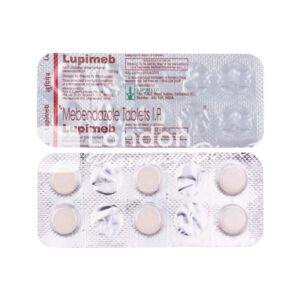
Mebendazole
from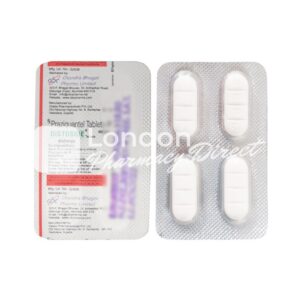
Biltricide
from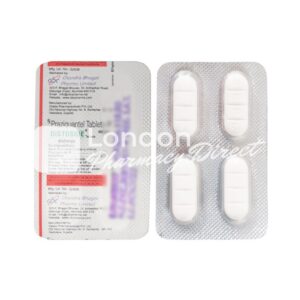
Praziquantel
from
Albendazole
from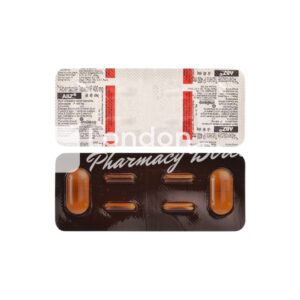
Zentel
fromUnderstanding Parasitic Infections
Parasitic infections are conditions caused by parasites that live on or inside the human body, feeding off nutrients and causing various health complications. These infections are more common than many people realise, affecting millions of people worldwide, including those in the United Kingdom. Parasites can range from microscopic organisms to visible worms, and they enter the body through contaminated food, water, or insect bites. Common symptoms include digestive discomfort, fatigue, skin irritation, and unexplained weight loss. Understanding how these infections develop is crucial for effective treatment and prevention.
Antiparasitic medications work by either killing the parasites directly or inhibiting their ability to reproduce and survive within the host body. Early detection and treatment can prevent serious complications and restore overall health and wellbeing. Many people don’t realise they have a parasitic infection until symptoms become severe, making awareness and education important aspects of healthcare.
Types of Parasites
Different types of parasites require different treatment approaches. The main categories include:
- Intestinal worms, including roundworms and tapeworms, are among the most common parasitic infections
- Protozoan parasites like Giardia and Cryptosporidium cause severe gastrointestinal issues
- Bloodborne parasites such as those causing malaria are transmitted through insect vectors
- Skin parasites like scabies and head lice cause surface infections
Each type has specific characteristics, transmission methods, and treatment protocols that healthcare providers must consider when prescribing antiparasitic medications.
Common Antiparasitic Medications Available in the UK
The United Kingdom has access to various antiparasitic medications prescribed through the NHS and available in pharmacies. These medications are carefully regulated and approved by the Medicines and Healthcare products Regulatory Agency (MHRA) to ensure safety and efficacy.
Prescription Antiparasitics
Mebendazole is one of the most commonly prescribed antiparasitics in the UK, particularly for treating threadworms and roundworms. It works by disrupting the worm’s ability to absorb glucose, causing paralysis and death. Albendazole is another popular choice for various intestinal worm infections and is often used for treating certain tapeworm infections. Praziquantel is specifically designed for treating tapeworm and fluke infections, making it invaluable for patients with these particular parasitic conditions.
Metronidazole is prescribed for protozoan infections like Giardia and works by damaging the parasite’s DNA. Permethrin cream is widely used for treating scabies and head lice, applied directly to the affected areas of skin or scalp. Ivermectin, though less commonly used in the UK, is occasionally prescribed for specific parasitic conditions under specialist guidance.
Over-the-Counter Options
Several antiparasitic treatments are available without prescription in UK pharmacies. Permethrin-based lotions and creams for head lice and scabies can be purchased directly. Niclosamide tablets, whilst not always readily available, can sometimes be obtained over the counter for certain tapeworm infections. Herbal and natural antiparasitic products are also available, though their efficacy varies and should be discussed with a pharmacist before use.
Treating Intestinal Worm Infections
Intestinal worm infections are among the most frequently treated parasitic conditions in the United Kingdom, though they’re more common in developing countries. However, they do occur locally, particularly in children attending schools or individuals with poor sanitation exposure.
Symptoms and Diagnosis
Common symptoms of intestinal worm infections include abdominal pain, diarrhoea, constipation, and visible worms in faeces. Children may experience stunted growth, malnutrition, and poor school performance. Adults might suffer from anaemia and general weakness. Diagnosis typically involves stool samples analysed in laboratories to identify the specific worm species present. Once identified, appropriate antiparasitic medication can be prescribed based on the worm type and infection severity.
Treatment Protocol
Mebendazole is often the first-line treatment for threadworms, requiring a single dose followed by a second dose two weeks later. Roundworm infections typically respond well to albendazole or mebendazole. Treatment for tapeworms may require praziquantel, sometimes administered as a single dose. Family members should also be treated simultaneously to prevent reinfection. Following treatment completion, proper hygiene practices must be maintained to prevent future infections.
Skin Parasites and Surface Infections
Skin parasitic infections like scabies and head lice are particularly common in the UK and can spread rapidly through close contact in schools, care facilities, and households.
Head Lice Treatment
Head lice infestations cause itching and visible nits (lice eggs) in hair. Permethrin lotions and shampoos are standard treatments available without prescription. Malathion-based products offer an alternative option. Treatment requires application to damp hair, leaving it for the recommended time, then combing through with a fine-toothed comb. A second application after seven to ten days ensures any newly hatched lice are eliminated. All family members should be treated simultaneously, and personal items like pillows, hairbrushes, and combs should be thoroughly cleaned.
Scabies Management
Scabies causes intense itching and visible burrows on the skin, particularly on wrists, fingers, and between toes. Permethrin cream is the preferred treatment, applied to the entire body from the neck downwards and left for eight to fourteen hours. Benzyl benzoate is an alternative option. The entire household should receive treatment simultaneously, as scabies spreads easily through skin contact. Clothing, bedding, and towels must be washed in hot water and dried thoroughly.
Giardia and Protozoan Infections
Protozoan parasites like Giardia lamblia cause severe gastrointestinal distress and are sometimes contracted through contaminated water sources.
Symptoms and Impact
Giardiasis presents with watery diarrhoea, abdominal cramps, bloating, and malabsorption of nutrients. Symptoms can persist for weeks if untreated, leading to dehydration and weight loss. Some individuals become chronic carriers, continuing to shed parasites in faeces and potentially infecting others. Diagnosis involves stool samples or sometimes upper gastrointestinal endoscopy.
Treatment Options
Metronidazole is the standard treatment for Giardia, typically given for five to seven days. Tinidazole offers an alternative with a shorter treatment course. Both medications work by disrupting the parasite’s DNA structure. Treatment success rates are high, though reinfection is possible through continued exposure to contaminated water. Patients should avoid untreated water sources and maintain strict hygiene practices following treatment completion.
Prevention and When to Seek Help
Preventing parasitic infections is significantly easier than treating established infections, making preventive measures essential for good health.
Prevention Strategies
Practising good hygiene by washing hands regularly, particularly before eating and after toilet use, substantially reduces infection risk. Ensuring food is properly cooked, especially meat and seafood, eliminates parasites that might survive cooking temperatures. Drinking clean, treated water and avoiding swimming in potentially contaminated water sources prevents many waterborne parasitic infections. When travelling to endemic areas, following health authority guidelines and considering prophylactic medications protects against serious infections like malaria.
Consulting Healthcare Professionals
If you suspect a parasitic infection, consult your GP who can arrange appropriate testing and prescribe effective treatment. Pharmacists can also provide valuable advice about available medications and prevention strategies. Persistent symptoms like chronic diarrhoea, unexplained weight loss, or visible worms warrant immediate medical attention. Children, elderly individuals, and immunocompromised persons should receive prompt treatment as parasitic infections can cause serious complications in these vulnerable populations. Your healthcare provider will recommend the most appropriate antiparasitic medication based on infection type, severity, and individual health considerations.