
Antiallergic
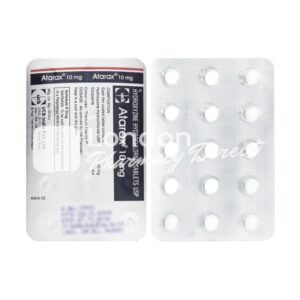
Atarax
from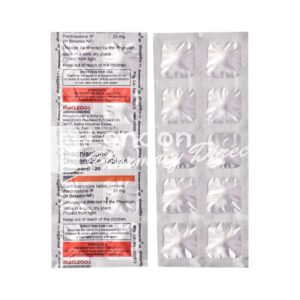
Deltacortril
from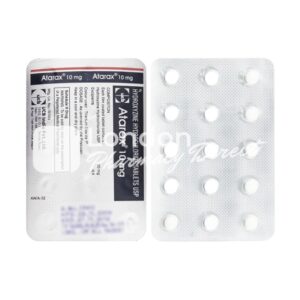
Hydroxyzine
from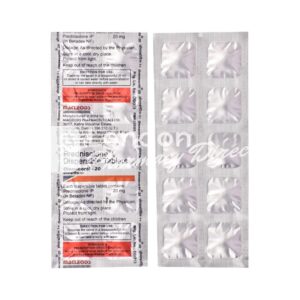
Prednisolone
fromUnderstanding Allergies and Antiallergic Medications
Allergies affect millions of people across the United Kingdom, causing uncomfortable symptoms that can significantly impact daily life. An allergy occurs when the immune system overreacts to a foreign substance, such as pollen, dust mites, pet dander, or certain foods. When exposed to these allergens, the body releases histamine, a chemical that triggers inflammation and various allergic symptoms including sneezing, itching, and swelling.
Antiallergic medications work by reducing or preventing these allergic reactions. They are designed to block histamine or suppress the immune response that causes allergy symptoms. These medications come in various forms including tablets, liquids, sprays, and creams, making them convenient for different types of allergies and patient preferences. Understanding which antiallergic medication suits your needs depends on the type and severity of your allergic reaction.
Antihistamines: The Most Common Antiallergic Treatment
Antihistamines are the primary treatment for allergic reactions and are widely available in the United Kingdom. They work by blocking histamine receptors, preventing histamine from triggering allergic symptoms. There are two main types of antihistamines available:
- First-generation antihistamines, such as chlorphenamine and promethazine, are older medications that work quickly but often cause drowsiness. These are suitable for short-term use or when sedation is beneficial, particularly for nighttime relief.
- Second-generation antihistamines, including cetirizine, loratadine, and fexofenadine, are newer and cause minimal drowsiness. Popular brands available in the UK include Piriteze, Clarityn, and Telfast. These are ideal for daytime use as they allow you to remain alert while managing your symptoms.
Cetirizine is one of the most popular choices, available in tablets and liquid forms for both adults and children. Many antihistamines are available over-the-counter without prescription, making them easily accessible. However, some stronger formulations may require a prescription from your GP.
Nasal and Topical Antiallergic Treatments
Beyond oral tablets, many people benefit from localised antiallergic treatments designed for specific areas of the body. Nasal sprays containing antihistamines or corticosteroids are highly effective for allergic rhinitis, also known as hay fever. These medications reduce inflammation and congestion directly in the nasal passages.
Popular nasal spray options in the UK include fluticasone propionate and mometasone, which are available under brand names like Flixonase. These are particularly effective for seasonal allergies caused by pollen during spring and summer months. Nasal sprays work quickly and provide relief within hours.
Eye drops containing antihistamines are ideal for treating itchy, watery eyes caused by allergies. Brands like Opticrom and various antihistamine eye drops are available without prescription and provide rapid relief when applied directly to the affected area.
Topical creams and ointments containing antihistamines or hydrocortisone are used for skin allergies and itchy rashes. These are applied directly to affected skin areas and help reduce inflammation and itching associated with contact dermatitis, urticaria, and other allergic skin conditions.
Corticosteroids for Severe Allergic Reactions
For more severe allergies, corticosteroids are often prescribed as they provide stronger anti-inflammatory effects than antihistamines alone. These medications suppress the immune system’s overreaction to allergens and are particularly useful for moderate to severe allergic rhinitis, asthma triggered by allergies, and inflammatory skin conditions.
Inhaled corticosteroids like fluticasone and beclomethasone are commonly prescribed for allergic asthma in the United Kingdom. These deliver medication directly to the airways where it’s needed most, minimising systemic side effects.
Oral corticosteroids such as prednisolone may be prescribed for acute severe allergic reactions but are typically used for short periods only due to potential side effects with long-term use. Your GP will determine if corticosteroids are appropriate for your specific condition.
Topical corticosteroid creams and ointments are available in various strengths for treating allergic skin reactions. Milder formulations are available over-the-counter, whilst stronger versions require a prescription.
Specialist Antiallergic Medications and Immunotherapy
For patients with severe, persistent allergies that don’t respond well to standard treatments, specialist antiallergic medications are available through the NHS. Monoclonal antibodies like omalizumab work by targeting specific immune pathways involved in allergic reactions, providing relief for severe asthma and chronic urticaria.
Allergen immunotherapy, commonly known as desensitisation or allergy shots, is available in the United Kingdom for certain allergens. This treatment involves gradually introducing increasing amounts of allergen to help your immune system build tolerance over time. Whilst not a medication in the traditional sense, it represents a long-term approach to managing severe allergies.
Some antiallergic medications are specifically designed for food allergies or anaphylaxis. Adrenaline auto-injectors like EpiPen are essential emergency treatments for severe allergic reactions and are available through prescription. These should be carried by anyone with severe allergies.
Choosing and Using Antiallergic Medications Safely
When selecting antiallergic medications, consider the type and severity of your symptoms, the time of day they occur, and any other medications you’re taking. Over-the-counter options like cetirizine and loratadine are suitable for mild to moderate allergies affecting multiple body systems.
For seasonal allergies, starting treatment before the allergy season begins often provides better results. Many people combine different treatments, such as taking an oral antihistamine whilst using a nasal spray, for comprehensive symptom relief.
Always read the packaging instructions carefully, as different medications have different recommended doses and age restrictions. Children’s antiallergic medications are available in lower doses and child-friendly formulations.
If your symptoms persist despite using over-the-counter antiallergic medications, or if you experience severe reactions, consult your GP. Your healthcare provider can prescribe stronger medications or investigate whether your symptoms result from something other than a simple allergy. Some people benefit from allergy testing to identify specific triggers, which helps guide treatment choices.
Store antiallergic medications in cool, dry places away from direct sunlight, and always check expiry dates before use to ensure effectiveness.