Atarax
In brief
- Atarax (hydroxyzine) is a prescription-only medicine (POM) in the UK and should be used under medical supervision.
- Atarax is used for itching due to allergies or skin conditions, anxiety relief, and as a sedative before procedures. It is a first-generation antihistamine that works by blocking H1 histamine receptors and also has sedative and anxiolytic effects on the central nervous system.
- The usual dose depends on the reason for use: for itching, 25 mg 3–4 times daily; for anxiety, 50–100 mg per day divided; for pre-operative sedation, 50–100 mg as a single dose. Doses should be lower in children, older adults, and people with kidney or liver problems.
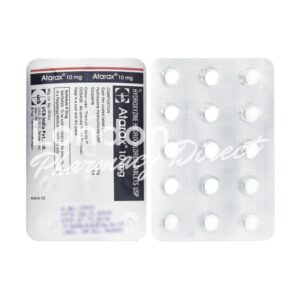
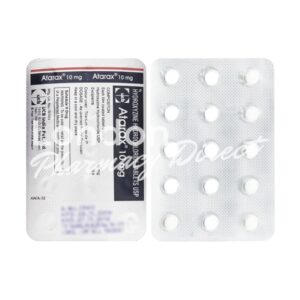
- Atarax is usually taken as tablets or oral solution. Tablets are 10 mg or 25 mg, and the oral solution is 10 mg/5 ml.
- It usually starts to work within 15–30 minutes, although the sedative effect may be felt sooner in some people.
- The duration of action is typically around 4–6 hours, sometimes longer depending on the dose, formulation, and the individual patient.
- Avoid alcohol while taking Atarax, as it can increase drowsiness, dizziness, and impaired concentration, and may make side effects more severe.
- The most common side effect is drowsiness. Other frequent side effects include dry mouth, dizziness, headache, blurred vision, fatigue, and sometimes nausea or constipation.
- Would you like to try Atarax without a prescription?
Basic Atarax information
- INN (international nonproprietary name): Hydroxyzine
- Brand names available in the United Kingdom: Atarax (phased out), generic hydroxyzine hydrochloride tablets
- ATC code: N05BB01
- Forms and dosages: Tablets 10 mg, 25 mg; oral solution 10 mg/5 ml
- Manufacturers in the United Kingdom: Generic hydroxyzine hydrochloride is supplied by several manufacturers
- Registration status in the United Kingdom: Prescription-only medicine (POM); Atarax branding has been phased out in the UK
- OTC / Rx classification: Prescription-only medicine (POM); not available over the counter
Atarax in everyday use
Morning vs evening dosing
Wondering when to take hydroxyzine so it fits around work, school runs, or a late shift?
Atarax is hydroxyzine, a prescription-only medicine in the UK, and most people are supplied hydroxyzine hydrochloride tablets rather than the old Atarax brand.
Because drowsiness is common, many patients take hydroxyzine in the evening if sedation is a problem, especially when they need to stay alert for the commute or the school run.
For anxiety or itch, the prescriber may recommend divided doses through the day, but the timing is always tailored to the symptoms and response.
- Best daily-use tips: take it exactly as prescribed.
- Plan ahead if you drive, cycle in traffic, or do safety-sensitive work.
- Try an evening dose if daytime sleepiness is getting in the way.
- Keep a routine that suits your day, whether that means a breakfast dose or a bedtime dose.
- Ask a pharmacist if you are unsure about your tablet strength or how it fits into your schedule.
Before you take it: check the label, confirm the dose, and make sure you are not already taking another sedating medicine.
Safety priorities
Who should avoid it
Warning: hydroxyzine safety starts with the big red flags.
This sedating antihistamine can cause drowsiness, blurred vision, and slower reactions, so UK patients should be careful with driving, cycling, machinery, and any work that needs quick judgement.
MHRA warnings also focus on QT prolongation risk, which means hydroxyzine should be avoided in people with a known prolonged QT interval, certain heart rhythm problems, or when taking other QT-prolonging medicines unless a clinician specifically advises otherwise.
Early pregnancy, severe liver disease, severe kidney disease, and known allergy to hydroxyzine are all situations where it should not be used without medical advice, and in some cases not at all.
- Check the label before starting hydroxyzine tablets.
- Do not double up with other sedating medicines.
- Ask a pharmacist before combining it with cough and cold remedies or sleep aids.
- Tell your prescriber about any heart condition, fainting history, or electrolyte problems.
- Use extra caution if you are older, because falls and confusion are more likely.
If in doubt, a quick pharmacy check is better than guessing.
Dosage and adjustments
General regimen
| Indication | Typical adult dose | Typical paediatric dose |
|---|---|---|
| Allergic pruritus | 25 mg, 3 to 4 times daily | 0.5 to 1 mg/kg/dose, 3 to 4 times daily |
| Anxiety/tension | 50 to 100 mg/day divided | Usually around 1 mg/kg or per doctor |
| Sedation, pre-operative use | 50 to 100 mg as a single dose | 0.6 mg/kg as a single dose or as directed |
The key point about dosage is that treatment is individualised rather than fixed.
Adults commonly use 25 mg doses for itch, but the prescriber may adjust the amount depending on symptom severity and how well it works.
For anxiety, the dose is usually split through the day, with review if the person feels too sleepy or the symptoms are not settling.
Special cases
Older adults usually need a cautious start, often around 10 to 25 mg per dose, because confusion, urinary retention, falls, and heavy sedation are more likely.
Children need mg/kg dosing, and syrup may be easier for accuracy when appropriate, since small measuring errors can matter.
People with liver or kidney impairment may need a lower dose and closer monitoring because the medicine can build up in the body.
- Ask whether the dose is for itch, anxiety, or short-term sedation.
- Check whether a lower starting dose is better for you.
- Confirm what to do if symptoms improve quickly.
- Ask if the tablet strength you have matches the prescription.
Legal status and availability in the UK
Atarax (hydroxyzine) is a prescription-only medicine (POM) in the UK.
In our online pharmacy, Atarax is available without a prescription, with discreet delivery to the United Kingdom in 9–21 days.
What is inside and how it works
Ingredients overview
The active ingredient is hydroxyzine, the INN used in the UK market.
Most UK supplies are hydroxyzine hydrochloride tablets, and hydroxyzine is classed as a first-generation antihistamine with the ATC code N05BB01.
Mechanism basics explained simply
| Part | Plain-English explanation |
|---|---|
| Histamine blocking | Helps reduce itching and allergic symptoms |
| Calming effect | Can reduce anxiety and cause sedation |
Its antihistamine action is what makes it useful for itch, while its sedative effect is what can help with anxiety or short-term sedation.
It is not the same as newer non-drowsy antihistamines such as cetirizine or loratadine.
Main indications
Approved uses
| Condition | How it helps | Typical duration |
|---|---|---|
| Allergic pruritus | Reduces itch and scratching | Until symptoms settle, with long-term use kept under review |
| Anxiety/tension | Offers short-term calming | Short term, with regular review |
| Pre-operative sedation | Provides single-dose sedation | Single administration |
Hydroxyzine is commonly used for allergic or dermatological itch, and for anxiety it may suit selected patients when the prescriber feels the benefit outweighs the sedation risk.
If symptoms point to eczema, urticaria, hay fever-related itch, or broader anxiety, it is worth asking whether a wider treatment plan is needed rather than just relying on one tablet.
Off-label uses in UK clinics
Some UK clinicians may use hydroxyzine short term where sedation or anxiety relief is helpful, but only with careful risk assessment.
That can include short stretches of distress or sleep disruption, provided the heart rhythm risk and sedation warnings have been checked first.
Interaction warnings
Food interactions
Can you take hydroxyzine with a pint, a cuppa, or your evening meal?
Alcohol should be avoided because it can intensify drowsiness and impair judgement.
Tea and coffee do not have a dangerous direct interaction, but caffeine may not fully offset sedation and can worsen anxiety in some people.
- Avoid alcohol completely if you are drowsy already.
- Check cough, cold, and sleep remedies for extra sedating ingredients.
- Tell the pharmacist about all over-the-counter and herbal products.
- Do not assume caffeine will make it safe to drive.
Drug conflicts
Hydroxyzine interactions are most important with other sedatives, sleep tablets, opioids, antipsychotics, some antidepressants, and any medicine that may prolong QT interval.
MHRA Yellow Card reporting helps monitor side effects and keeps safety advice up to date, so new problems should be reported rather than ignored.
If a regular medicine list already includes something that makes you sleepy, a pharmacist should review it before hydroxyzine is started.
Alternative choices
NHS prescribing alternatives with pros and cons
| Option | Pros | Cons |
|---|---|---|
| Cetirizine | Less sedating for allergy and itch | May not give the same calming effect |
| Loratadine | Usually less drowsy | Not as helpful if sedation is wanted |
| Promethazine | Can help with sedation and allergy symptoms | Also sedating and not ideal for everyone |
| Buspirone | Used for anxiety in suitable patients | Not an antihistamine and not for itch |
Alternatives are chosen according to the main problem, not just the strongest effect.
- Hydroxyzine may suit people needing itch relief plus sedation.
- Cetirizine or loratadine may suit people who need to stay alert.
- Older adults and drivers often need less sedating options.
- NHS prescribing usually aims for the safest, most targeted choice.
Regulation snapshot
MHRA approval and NHS prescribing framework
Hydroxyzine is a prescription medicine in the UK and is used within NHS and private prescribing frameworks.
The old Atarax brand is phased out, but generic hydroxyzine tablets remain available.
MHRA oversight matters because the product information includes QT prolongation warnings, dose limits, and advice on who should not take it.
| Regulatory point | UK context |
|---|---|
| Prescription status | Prescription-only medicine (POM) |
| Brand supply | Atarax phased out; generics commonly supplied |
| Pharmacist role | Checks the medicine against the prescription and advises on safe use |
Pack sizes and brands can vary, so the medicine supplied may not look exactly like the last one you had.
Frequently asked questions
Can I drive after taking Atarax?
Only if it does not make you sleepy, and many people should avoid driving until they know how hydroxyzine affects them.
Is hydroxyzine available on the NHS?
Yes, hydroxyzine can be prescribed on the NHS when a clinician thinks it is suitable, although availability and brand supply may vary.
What if I miss a dose?
Take it when you remember unless it is nearly time for the next dose, and never double up.
Is it the same as a non-drowsy antihistamine?
No, hydroxyzine is more sedating than cetirizine or loratadine, so it is not the same as a non-drowsy antihistamine.
Proper use and patient support
UK pharmacist counselling style
Take hydroxyzine exactly as prescribed, and keep to the lowest effective dose for the shortest time needed.
Alcohol should be avoided, and extra care is needed with driving, falls risk, and any task where slowed reactions could cause harm.
Store the tablets at room temperature, protect them from moisture, do not freeze syrup, and keep everything out of reach of children.
If a dose is missed, take it when remembered unless the next dose is due soon; if too much is taken, get urgent help because overdose symptoms can include extreme drowsiness, confusion, seizures, and palpitations.
NHS patient support advice
- Contact your GP, pharmacist, or NHS 111 if side effects are severe.
- Call emergency services if there are palpitations, seizures, collapse, or severe confusion.
- Use the same pharmacy where possible so your medicines can be reviewed together.
Delivery across the United Kingdom
| City | Region | Delivery time |
|---|---|---|
| London | England | 9–21 days |
| Birmingham | England | 9–21 days |
| Manchester | England | 9–21 days |
| Leeds | England | 9–21 days |
| Liverpool | England | 9–21 days |
| Edinburgh | Scotland | 9–21 days |
| Glasgow | Scotland | 9–21 days |
| Cardiff | Wales | 9–21 days |
| Belfast | Northern Ireland | 9–21 days |
| Bristol | England | 9–21 days |
| Sheffield | England | 9–21 days |
| Newcastle upon Tyne | England | 9–21 days |
| Nottingham | England | 9–21 days |
| Aberdeen | Scotland | 9–21 days |