Tizanidine
In brief
- In our pharmacy, you can buy tizanidine without a prescription, with delivery in 9–21 days throughout the United Kingdom. Discreet and anonymous packaging.
- Tizanidine is used to relieve muscle spasticity (for example in multiple sclerosis or spinal cord injury). It is a centrally acting alpha-2 adrenergic agonist that reduces muscle tone by inhibiting presynaptic motor neurons and decreasing excitatory neurotransmitter release.
- The usual dose is to start at 2 mg, then increase by 2 mg every 3–4 days as needed; typical dosing is 2–4 mg every 6–8 hours with a usual daily range of about 6–36 mg (maximum commonly 36 mg/day), adjusted for response and tolerability.
- The form of administration is oral tablets (commonly 2 mg and 4 mg), taken by mouth with or without food.
- The effect of the medication begins within about 30–60 minutes, with peak effects often around 1–2 hours.
- The duration of action is generally around 3–6 hours per dose, so multiple daily doses are usually required for sustained effect.
- Do not consume alcohol while taking tizanidine as it increases sedation, dizziness and the risk of low blood pressure and respiratory depression.
- The most common side effect is drowsiness/sedation; other frequent effects include dry mouth, dizziness and weakness (rarely liver enzyme elevations or clinically significant hypotension).
- Would you like to try tizanidine without a prescription?
Basic tizanidine information
- INN (international nonproprietary name): Tizanidine (as tizanidine hydrochloride)
- Brand names available in the United Kingdom: Zanaflex; generic tizanidine
- ATC code: M03BX02
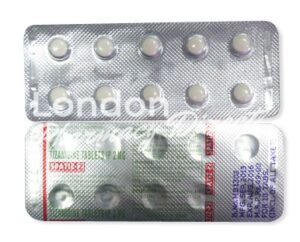
- Forms and dosages: Tablets 2 mg, 4 mg
- Registration status in the United Kingdom: MHRA-licensed
- OTC / Rx classification: Prescription-only medicine (POM)
Instructions and daily-life warnings for UK patients (start here)
Immediate practical instructions
Are you sure this is the right medicine for you today?
Confirm the prescription from your GP or hospital specialist before taking any doses.
Read the patient information leaflet supplied with your pack and ask the pharmacist if anything is unclear.
Tizanidine is a prescription-only central muscle relaxant commonly supplied as 2 mg or 4 mg tablets, as generic tizanidine or under the brand name Zanaflex.
Store the medicine below 25°C in its original packaging and keep it out of reach of children.
Avoid driving or operating heavy machinery until you know how tizanidine affects you because drowsiness and dizziness are common.
Do not mix tizanidine with alcohol or other sedating drugs such as strong opiates or benzodiazepines.
If you have significant liver or kidney problems, a recent myocardial infarction, or uncontrolled low blood pressure, speak to your prescriber before starting tizanidine.
MHRA guidance emphasises particular caution in hepatic impairment and with many drug interactions; ensure follow-up monitoring is arranged.
Report side effects via the MHRA Yellow Card scheme and attend follow-up appointments for liver and blood pressure checks as advised.
Key daily-life integrations (work, travel, alcohol)
Preferable: use this checklist at dispensing and tick each item before you leave the pharmacy.
- Tick: Prescription confirmed by GP or specialist.
- Tick: Dispensing label checked (medicine name, strength, directions).
- Tick: Patient information leaflet read and queries raised.
- Tick: Follow-up monitoring arranged (BP, LFTs).
Contraindications and daily actions you must note include avoiding driving until you know your response, not drinking alcohol around doses, and not combining with strong CYP1A2 inhibitors like ciprofloxacin without specialist advice.
For work and travel, carry a small card stating you take tizanidine and list an emergency contact and your prescriber.
If in a safety‑critical role, check occupational health guidance before starting or up‑titrating the medicine.
Everyday use and best practices
Morning vs evening dosing
Worried about falling asleep at your desk?
Many UK clinicians advise starting tizanidine with a low dose in the evening—often 2 mg at bedtime—to assess overnight drowsiness before increasing daytime doses.
Tizanidine dosing is usually tailored: common regimens aim for 2 mg to 4 mg every 6–8 hours as tolerated, with careful upward titration under medical supervision.
A typical approach is to build up slowly, keeping the largest dose at night if night‑time spasm control is the main goal.
Avoid taking more than prescribed and never double-dose to “catch up”.
Taking with or without meals (UK diet habits)
Does food change how strongly the medicine makes you sleepy?
Tizanidine absorption can be affected by meals; taking it with food may slow absorption and reduce sudden peaks of sedation.
Very fatty meals, however, can increase bioavailability and intensify effects, so be consistent about how you take it—either always with food or always without.
Given typical British eating patterns—breakfast, lunch and an evening meal—consider taking tizanidine with or shortly after a meal to reduce variability in drowsiness.
If you experience nausea, taking the tablet with a small snack can help.
Practical tips include planning dosing around times when rest is possible and avoiding starting or up‑titrating before long journeys or busy workdays.
Carry information on your medication for airport security and travel healthcare checks, and coordinate with your pharmacist when arranging repeat prescriptions.
Safety priorities
Who should avoid it (MHRA warnings)
Is tizanidine safe for people with liver or kidney disease?
Tizanidine is contraindicated or should be used with caution in people with severe hepatic impairment because of increased risk of adverse effects.
MHRA safety alerts emphasise the danger of combining tizanidine with potent CYP1A2 inhibitors such as ciprofloxacin and fluvoxamine, which can raise blood levels and cause severe hypotension and sedation.
Discuss use with your GP if you have significant renal impairment; dose reductions are often necessary and specialist advice may be required for advanced kidney disease.
Avoid use in untreated severe hypotension and review the full medical history before starting the drug.
Activities to limit (driving, work safety)
What should I avoid while my body adjusts?
Tizanidine commonly causes drowsiness, dizziness and slowed reaction times, so the NHS advises not driving, cycling or operating machinery until you know how it affects you.
Patients in safety‑critical jobs—commercial drivers, heavy plant operators, or healthcare staff administering sedation—should inform occupational health and consider alternatives.
Avoid alcohol and recreational sedatives for several hours before and after dosing because they amplify sedative effects.
Practical monitoring includes regular blood pressure checks and reporting signs of liver injury such as yellowing of the skin or eyes, dark urine, or persistent nausea.
Report concerning side effects through the MHRA Yellow Card scheme and seek pharmacist advice when collecting repeats from your community pharmacy.
Dosage and adjustments
General regimen (NHS guidance)
How will the GP decide my dose?
UK prescribers commonly start with 2 mg at night to assess tolerability and increase in small steps, for example to 2–4 mg every 6–8 hours, guided by effect and side effects.
Maximum daily doses vary by clinical judgement; prescribers balance relief from spasm against risks such as sedation, hypotension and hepatic effects.
Expect follow-up reviews after initiation or dose changes; NHS repeat prescriptions usually require monitoring within weeks to months.
Hospital-initiated prescriptions should include a clear monitoring and shared‑care plan for primary care teams.
Special cases (elderly, comorbidities)
Do older people need a different approach?
Elderly patients are often more sensitive to sedative and hypotensive effects and should be started on lower doses with slower titration and closer review.
Frail older adults frequently have lower maximum daily targets prescribed and require regular medication reviews.
In renal impairment, dose reductions or extended dosing intervals may be needed and specialist input should be sought in significant disease.
In liver disease, avoid tizanidine where possible; baseline and periodic liver function tests are standard when the medicine is used.
Legal status and availability in the UK
Tizanidine is a prescription-only medicine (POM) in the UK.
In our online pharmacy, tizanidine is available without a prescription, with discreet delivery to the United Kingdom in 9–21 days.
What’s inside and how it works
Ingredients overview
What is in the tablet itself?
The active ingredient is tizanidine hydrochloride, typically presented as 2 mg or 4 mg tablets.
Excipients vary by manufacturer; check the pack leaflet if you have known allergies or intolerances.
Always verify the international nonproprietary name and tablet strength on your dispensed pack to avoid confusion with other products.
Mechanism basics explained simply
How does tizanidine reduce spasms?
Tizanidine is a centrally acting alpha‑2 adrenergic agonist that reduces spasticity by dampening excessive nerve signalling in the spinal cord, which lowers muscle tone and the frequency of spasms.
The effects are relatively rapid in onset and short in duration, so dosing multiple times a day is common for ongoing control.
Because it acts centrally, common side effects include sedation, dry mouth and lowered blood pressure.
Pharmacokinetic interactions matter: drugs that inhibit CYP1A2 can raise tizanidine levels substantially and increase the risk of severe sedation and hypotension.
Main indications
Approved uses (MHRA listing)
What conditions is tizanidine usually prescribed for?
Tizanidine is primarily prescribed for short‑term relief of spasticity associated with conditions such as multiple sclerosis, spinal cord injury and other neurological disorders where muscle tone and spasms affect function and comfort.
It is an option alongside baclofen and diazepam and is chosen based on symptom pattern, comorbidities and interaction risks.
Use is typically part of a multidisciplinary plan including physiotherapy.
Off‑label uses in UK clinics
Are there other uses in specialist practice?
Some UK clinics use tizanidine for focal spasm management—such as severe neck or back spasm—or in combination with other agents to support rehabilitation.
Off‑label use should be documented, consented and monitored with blood pressure and liver function checks.
Interaction warnings
Food interactions (alcohol, tea/coffee)
Can I counteract drowsiness with caffeine?
Alcohol markedly increases sedation and should be avoided around dosing times.
Caffeine from tea or coffee does not prevent drowsiness and may mask fatigue, which can be dangerous.
High‑fat meals can alter absorption and may unpredictably increase effects, so maintain a consistent routine for taking the medicine.
Drug conflicts
Which medicines must I tell the pharmacist about?
The most critical interaction is with potent CYP1A2 inhibitors such as ciprofloxacin and fluvoxamine; these raise tizanidine plasma concentrations and can cause severe hypotension and sedation, and concurrent use is generally contraindicated.
Other CNS depressants—opioid analgesics, benzodiazepines and gabapentinoids—have additive sedative effects and require careful review.
Certain antihypertensives can also potentiate blood pressure lowering.
Such interactions can cause severe sedation and hypotension; always provide your full medication list, including OTC and herbal products, to the dispensing pharmacist and report suspected adverse reactions via Yellow Card.
Alternative choices
NHS prescribing alternatives with pros/cons checklist
What could I ask my GP about if tizanidine is unsuitable?
Common NHS alternatives include baclofen, diazepam, gabapentin or pregabalin, and botulinum toxin injections for focal spasticity.
- Baclofen: effective for generalised spasticity; may cause sedation and requires careful withdrawal to avoid worsening symptoms.
- Diazepam: useful for acute severe spasms but associated with daytime sedation and dependence risks.
- Gabapentin/pregabalin: helpful when neuropathic pain coexists; can cause dizziness and gait disturbance in older adults.
- Botulinum toxin: targeted for focal problems with minimal systemic effects but requires specialist administration.
Checklist for choosing an alternative: consider whether spasm is generalised or focal, existing liver or kidney disease, occupation and interaction risks, and patient preference about sedation versus spasm control.
Discuss options with your GP, physiotherapist and specialist as part of an NHS care plan.
Regulation snapshot
Who oversees tizanidine use in the UK?
Tizanidine is a prescription‑only medicine in the UK and prescribers must follow MHRA guidance on safety monitoring and labelling.
Clinicians generally prescribe by the INN—tizanidine—or by brand in hospital settings, while community pharmacies dispense generic packs.
The MHRA emphasises reporting hepatic adverse events and serious interactions via Yellow Card submissions, and many NHS trust formularies require specialist initiation and monitoring arrangements to ensure safe use.
Shared‑care agreements commonly place initial prescribing with specialists and repeat prescribing with GPs following a stabilisation period; pharmacists check monitoring before dispensing repeats.
FAQ
Q1: Will tizanidine make me drowsy every day?
A1: Many patients experience drowsiness, especially during dose titration. Taking your first dose at night and avoiding large daytime doses can help; discuss adjustments with your prescriber and monitor work and driving safety.
Q2: Can I drink alcohol while taking it?
A2: No—avoid alcohol close to dosing because it increases sedation and the risk of falls. Tell your GP about regular drinking patterns as chronic misuse may contraindicate use.
Q3: What monitoring will I need on the NHS?
A3: Expect baseline blood pressure and liver function tests and periodic checks thereafter; local trust protocols vary and pharmacists usually check monitoring before dispensing repeats.
Q4: What if I miss a dose?
A4: Take it when remembered unless the next dose is near; do not double up. If unsure, call NHS 111 or ask your pharmacist or GP.
Quick wallet card text: If unsure, call NHS 111 or your pharmacist.
Guidelines for proper use
UK pharmacist counselling style
What will the pharmacist tell me when they hand over the medicine?
Pharmacists should confirm the indication and dosing schedule and warn about sedation and driving risks.
They must check for CYP1A2 inhibitors such as ciprofloxacin and for other CNS depressants, advise on avoiding alcohol and instruct on baseline and follow‑up liver and blood pressure tests.
Community pharmacists should provide written information and document counselling, flagging any missing monitoring when dispensing repeats.
NHS patient support advice
Where can I get more help on the NHS?
Ask for a structured medication review or medicines use review if you experience side effects or take multiple medicines.
Use NHS 111 for urgent queries out of hours and report adverse reactions via the MHRA Yellow Card scheme.
For employment or driving concerns, request a written note from your prescriber and discuss workplace adjustments with occupational health.
A referral to physiotherapy can often reduce reliance on medication and should be discussed as part of long‑term management.
Delivery across the United Kingdom
| City | Region | Delivery Time |
|---|---|---|
| London | England | 9–21 days |
| Birmingham | England | 9–21 days |
| Manchester | England | 9–21 days |
| Glasgow | Scotland | 9–21 days |
| Edinburgh | Scotland | 9–21 days |
| Leeds | England | 9–21 days |
| Bristol | England | 9–21 days |
| Cardiff | Wales | 9–21 days |
| Belfast | Northern Ireland | 9–21 days |
| Newcastle | England | 9–21 days |
| Southampton | England | 9–21 days |
| Norwich | England | 9–21 days |
| Stirling | Scotland | 9–21 days |
| Swansea | Wales | 9–21 days |