
Muscle Relaxant
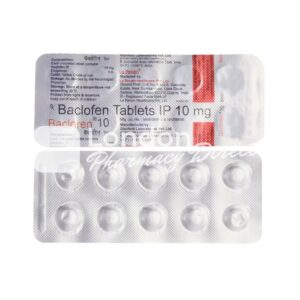
Baclofen
from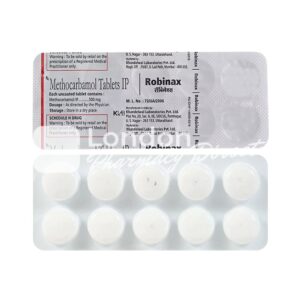
Robaxin
from
Tizanidine
from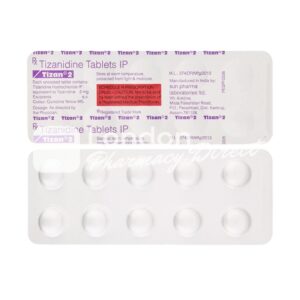
Zanaflex
fromWhat Are Muscle Relaxants and How Do They Work?
Muscle relaxants are medications designed to reduce muscle tension and alleviate discomfort caused by muscle spasms and stiffness. These medications work by affecting the central nervous system or directly targeting muscle fibres to provide relief from acute and chronic musculoskeletal conditions. There are two main categories: centrally acting muscle relaxants that work on the brain and spinal cord, and peripherally acting agents that target muscles directly.
Muscle relaxants are commonly prescribed alongside physiotherapy and other treatments to enhance recovery and improve quality of life. They provide temporary relief that allows patients to engage in rehabilitation exercises more effectively. Most muscle relaxants begin working within 30 minutes to an hour after administration. Understanding how these medications function helps patients make informed decisions about their treatment options and manage expectations regarding symptom relief.
Common Conditions Treated with Muscle Relaxants
Muscle relaxants are prescribed for various musculoskeletal conditions affecting millions of people in the United Kingdom. Lower back pain is one of the most common reasons patients receive muscle relaxant prescriptions, particularly when accompanied by muscle spasms. Neck stiffness and cervical strain often benefit from muscle relaxant therapy, especially following whiplash injuries or poor posture-related problems.
Athletes and active individuals frequently use these medications to manage sports-related muscle injuries and strains. Fibromyalgia patients sometimes receive muscle relaxants to address widespread muscle pain and tension. Multiple sclerosis sufferers may use muscle relaxants to control spasticity and involuntary muscle contractions. Post-operative pain management often includes muscle relaxants to reduce tension around surgical sites and accelerate healing. Tension headaches and migraines can be relieved with appropriate muscle relaxant therapy. Arthritis-related muscle tension also responds well to these medications when combined with other treatment approaches. General muscle tightness from repetitive strain injuries is another common indication for muscle relaxant use.
Popular Muscle Relaxant Medications Available in the United Kingdom
Several effective muscle relaxant options are readily available through NHS prescriptions and private pharmacies across the United Kingdom. Each medication has distinct characteristics, benefits, and potential side effects that healthcare professionals carefully consider when selecting appropriate treatment for individual patients:
- Diazepam – One of the most prescribed muscle relaxants, known for its effective spasm-relieving properties and rapid action
- Baclofen – Widely used, particularly for spasticity management and chronic muscle tension conditions
- Tizanidine – Has gained popularity as an alternative with a favourable side effect profile for many patients
- Methocarbamol – Commonly recommended for acute muscle strain and injury recovery
- Chlorzoxazone – Offers effective short-term spasm relief for various musculoskeletal conditions
- Dantrolene sodium – Prescribed for more severe spasticity cases, particularly in neurological conditions
- Carisoprodol – Available through prescription for acute musculoskeletal discomfort
- Cyclobenzaprine – Used by some patients for its potent muscle-relaxing effects
Dosage, Usage Guidelines, and Safety Considerations
Proper dosage and usage of muscle relaxants are crucial for achieving optimal therapeutic benefits whilst minimising potential risks. Most muscle relaxants are taken orally, typically starting with lower doses that may be gradually increased based on patient response and tolerance. Standard recommendations usually involve taking doses two to three times daily, though specific instructions vary by medication type. Treatment duration is typically limited to two or three weeks, as muscle relaxants are generally considered short-term solutions.
Patients should always follow their healthcare provider’s specific instructions and never exceed recommended dosages. Taking muscle relaxants with or without food depends on the particular medication and individual stomach sensitivity. Alcohol consumption should be avoided whilst taking muscle relaxants due to increased risk of drowsiness and impaired coordination. Patients operating vehicles or machinery must exercise particular caution, as many muscle relaxants cause sedation and reduced alertness. Older adults and pregnant women require special dosage considerations and medical supervision. Regular communication with healthcare providers helps monitor effectiveness and adjust treatment as needed. Missing doses should be addressed by taking the next scheduled dose rather than doubling up on medication.
Potential Side Effects and When to Seek Medical Advice
Understanding possible side effects helps patients recognise normal responses versus serious complications requiring immediate medical attention. Common mild side effects include drowsiness, dizziness, and slight headaches that often diminish as the body adjusts to medication. Some patients experience dry mouth, blurred vision, or mild stomach upset during initial treatment phases. Muscle weakness is a recognised side effect, though this typically resolves with continued use.
More serious side effects requiring immediate medical consultation include difficulty breathing, chest pain, or severe allergic reactions. Patients experiencing persistent dizziness, confusion, or unusual mood changes should contact their healthcare provider promptly. Liver function changes occasionally occur, particularly with certain medications, making regular monitoring important for long-term users. Dependency risks exist with some muscle relaxants, requiring careful adherence to prescribed dosages and duration. Interactions with other medications, including over-the-counter drugs and supplements, should be discussed with pharmacists before starting treatment. Women taking hormonal contraceptives should inform their doctors, as some muscle relaxants may affect contraceptive effectiveness. Reporting all side effects, even minor ones, helps healthcare providers make informed decisions about continuing or adjusting treatment.
Tips for Maximising Muscle Relaxant Effectiveness and Recovery
Combining muscle relaxants with complementary therapies and lifestyle modifications significantly enhances treatment outcomes and accelerates recovery. Physiotherapy exercises, when recommended by healthcare professionals, work synergistically with muscle relaxants to restore strength and flexibility. Applying heat or ice to affected muscles, depending on the injury type, provides additional relief and supports medication effectiveness. Maintaining good posture throughout daily activities prevents muscle strain and reduces the need for continued medication.
Regular stretching routines, performed gently and consistently, help prevent muscle tension recurrence once acute pain subsides. Adequate sleep and rest are essential, as muscles repair and recover primarily during sleep cycles. Staying hydrated supports muscle function and reduces cramping tendencies in some individuals. Stress management techniques, including meditation and breathing exercises, help reduce muscle tension caused by psychological factors. Gradual return to normal activities prevents re-injury and supports sustainable recovery without medication dependency. Regular check-ups with healthcare providers ensure treatment remains appropriate and necessary. Keeping detailed notes about symptom progression helps identify patterns and informs discussions with medical professionals about ongoing care needs.