Acamprosate
In brief
- In our pharmacy, you can buy acamprosate without a prescription, with delivery available throughout the United Kingdom. Discreet and anonymous packaging.
- Acamprosate is used to help maintain abstinence in alcohol dependence after stopping drinking. It is thought to help restore the balance of brain chemicals involved in alcohol-related cravings.
- The usual dose of acamprosate for adults is 666 mg (two 333 mg tablets) three times daily, or 333 mg three times daily in people under 60 kg or with moderate kidney impairment, as directed by a clinician.
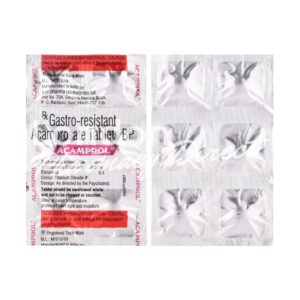
- The form of administration is a gastro-resistant tablet, taken by mouth.
- Acamprosate does not work like a fast-acting painkiller; it is usually started after alcohol withdrawal and begins helping over several days of regular use.
- The duration of action is about 8 hours per dose, which is why it is commonly taken three times a day.
- Avoid alcohol while using acamprosate, as it is intended to support alcohol abstinence and drinking may reduce its benefit.
- The most common side effects are diarrhoea, abdominal discomfort, nausea, flatulence, and itching.
- Would you like to try acamprosate without a prescription?
Basic acamprosate information
- INN (international nonproprietary name): Acamprosate (as acamprosate calcium)
- Brand names available in the United Kingdom: Campral EC and generic acamprosate
- ATC code: N07BB03
- Forms and dosages: gastro-resistant tablets 333 mg
- Manufacturers in the United Kingdom: Merck Serono (Campral EC) and generic manufacturers
- Registration status in the United Kingdom: Licensed by the MHRA; prescription-only medicine
- OTC / Rx classification: Prescription-only medicine (POM), not available over the counter
Everyday use and best practices
Morning vs evening dosing
Wondering when acamprosate fits best into a day that already feels full enough?
In the UK, Campral EC tablets are usually taken three times a day, but the exact schedule on the pharmacy label always comes first.
Keeping doses evenly spaced helps build a steady routine and makes it less likely that a dose will be missed.
- Set phone reminders for breakfast, lunch, and evening.
- Link each dose to a normal habit, such as a meal or a tea break.
- Use a pill organiser if you are juggling work, school runs, or shift work.
- Keep the medicine somewhere visible but safe, away from children.
Many people find that a simple pattern works best for adherence, especially when they are already adjusting to alcohol recovery and trying to keep life predictable.
Taking with or without meals
Acamprosate can be taken with or without food, so it can usually slot into normal mealtimes without much fuss.
Plenty of patients find it easier to take after breakfast, lunch, and the evening meal because the routine is easier to remember.
- If your stomach feels unsettled, taking it with food may feel gentler.
- If you are fasting or eating irregularly, keep the timing consistent anyway.
- Do not change the dose schedule without speaking to your GP, practice pharmacist, or addiction service.
- For daily dosing questions, UK pharmacist support can help you fit treatment around your normal routine.
That small bit of planning often makes more difference than people expect, especially with alcohol dependence medication that works best when taken regularly.
Safety priorities
Who should avoid it
Could acamprosate be unsuitable for you or someone you care about?
The main UK safety warnings are severe kidney problems, a known allergy to acamprosate, and significant renal impairment that needs clinician review.
Campral EC and other acamprosate calcium tablets are prescription only medicines in the UK and are normally monitored by the NHS or a specialist service.
- Do not take it if you have severe kidney impairment.
- Check with a clinician first if kidney function is reduced or uncertain.
- Tell your GP if you are pregnant, breastfeeding, or living with an ongoing illness.
- Report allergy symptoms such as rash, swelling, or breathing problems straight away.
Because kidney safety matters so much with acamprosate, a clinician may want blood tests before and during treatment.
Activities to limit
Acamprosate itself is not usually sedating, but early alcohol recovery can still affect concentration, mood, and sleep.
That means extra care is sensible if you are back behind the wheel, using machinery, or doing safety-sensitive work.
- Be cautious about driving if you feel unwell, distressed, or not fully alert.
- Avoid hazardous tasks if withdrawal symptoms are still settling.
- Get urgent medical help for severe mood change, suicidal thoughts, or confusion.
- Ask for review if sleep problems or anxiety are making recovery harder.
The MHRA and UK prescribing guidance both place mental health warning signs high on the list of things to act on quickly, especially in alcohol recovery.
Dosage and adjustments
General regimen
Acamprosate is typically started after alcohol withdrawal, once the person is abstinent and ready to focus on recovery support.
The usual UK regimen is prescribed by a clinician and is given in divided doses during the day, so the label should be followed exactly rather than copied from someone else’s medicine.
That is important because the timing is part of the treatment plan, not just the tablet count.
If side effects make routine difficult, speak to the GP or addiction team rather than skipping doses and hoping for the best.
Missed-dose habits matter with Campral for alcohol dependence because regular use is what keeps the plan on track.
Special cases
Are you older, or has anyone mentioned kidney issues at a recent appointment?
Renal function matters because acamprosate is cleared by the kidneys, so clinicians may reduce or avoid treatment depending on eGFR.
| Who needs adjustment | Action needed |
|---|---|
| Older adults | Check renal function before starting and review if health changes. |
| People with kidney impairment | Prescriber may reduce the dose or decide treatment is not suitable. |
| Children | Not usually suitable. |
| Liver disease | Often considered only under specialist guidance. |
| Surgery or hospital admission | Tell staff you are taking acamprosate and show the medicine label. |
Any hospital team should know about your alcohol recovery medication, especially if you are admitted urgently or need a procedure.
Legal status and availability in the UK
Acamprosate is a prescription-only medicine (POM) in the UK.
In our online pharmacy, acamprosate is available without a prescription, with discreet delivery to the United Kingdom in 9–21 days.
What is inside and how it works
Ingredients overview
The active ingredient is acamprosate calcium.
In the UK, it may appear on the box as Campral EC, acamprosate gastro-resistant tablets, or a similar supplier label.
That is the part patients need to recognise most clearly when checking the box, the blister strip, or the pharmacy label.
Other ingredients vary by manufacturer, so if you have a known allergy, ask the dispensing pharmacy to check the pack insert before you start.
Mechanism basics explained simply
So what does the medicine actually do?
Acamprosate is used to help maintain abstinence from alcohol after withdrawal.
It is thought to support brain balance after long-term drinking, which may reduce cravings or the urge to drink.
It does not replace counselling, practical planning, or support for high-risk situations, but it can help recovery routines work better.
A simple way to picture it is this: the tablet supports the plan, while the plan supports the person.
Main indications
Approved uses
When is acamprosate usually offered?
The approved use is alcohol dependence, specifically to help maintain abstinence after detoxification or withdrawal under NHS or specialist care.
It is not for treating intoxication, and it is not used for acute withdrawal symptoms.
- May be offered once the person has stopped drinking.
- Usually used alongside recovery support such as counselling.
- Best suited to someone aiming to stay abstinent rather than cut down gradually.
That timing matters because treatment works best after withdrawal has settled and the recovery plan is in place.
Off-label uses in UK clinics
Some services may discuss broader recovery strategies, but acamprosate should only be used where the prescriber thinks it is appropriate.
Off-label use is not routine, and it should never be assumed to be right just because another person found it helpful.
Ask the GP, alcohol service, or pharmacist if it fits your situation, especially if you have kidney disease or complex mental health needs.
Specialist review is particularly important when there are other medicines, unstable health problems, or a more complicated recovery journey.
Interaction warnings
Food interactions
There are no major food restrictions with acamprosate, but alcohol is the main issue.
The medicine is intended to support abstinence, so continuing to drink can undermine the treatment plan.
| Situation | Practical action |
|---|---|
| Alcohol-free drinks | Check labels carefully, as some contain a small amount of alcohol. |
| Social events | Plan ahead for pubs, work events, and family gatherings. |
| “Just one” at a celebration | Have a prepared answer and a non-alcoholic alternative ready. |
Simple habits like reading labels and planning for risky settings can make a surprisingly big difference.
Drug conflicts
Tell the prescriber about every medicine you take, including over-the-counter products and supplements.
Kidney-related medicines and anything that affects hydration or renal function deserve particular attention.
- Bring an up-to-date medicines list to appointments.
- Ask the pharmacist before starting a new painkiller, supplement, or cold remedy.
- Report side effects or suspected problems through the MHRA Yellow Card scheme or to your pharmacist.
That medicines check is especially important in alcohol dependence medication reviews, where more than one factor can affect safety.
Alternative choices
NHS prescribing alternatives
How does acamprosate compare with other alcohol dependence medication options in the UK?
Where suitable, prescribers may also consider naltrexone or disulfiram.
The best choice depends on the person’s goal, whether the aim is abstinence or craving reduction, whether regular dosing is realistic, and whether liver or kidney status affects suitability.
- Acamprosate: Often chosen for abstinence support and is non-sedating for most people.
- Naltrexone: May suit some people who need craving reduction.
- Disulfiram: Needs careful supervision and a clear avoidance plan.
Switching medicines should always be done with a GP or alcohol specialist rather than by self-directed trial and error.
Pros and cons checklist
A quick way to think about suitability can help in a consultation.
- May suit people aiming for abstinence.
- May suit people who want a non-sedating option.
- May be less suitable if kidney function is reduced.
- May be less suitable if daily dosing is hard to remember.
- May be less suitable if the recovery plan is not yet settled.
That kind of checklist is often more useful than trying to rank medicines as “best” or “worst”.
Regulation snapshot
MHRA approval and NHS prescribing framework
Acamprosate is a prescription only medicine in the UK and is regulated by the MHRA.
It is normally supplied through NHS prescription or specialist alcohol services, with treatment decisions based on clinical need, kidney function, and ongoing review.
Treatment stays legal, traceable and clinically monitored when it is supplied on prescription.
Frequently asked questions
Can I take acamprosate if I’m still drinking?
It is designed to support abstinence, so prescribers usually start it after withdrawal and when the patient is no longer drinking.
How long do I need to take it?
Treatment can last months or longer depending on recovery progress, side effects, and clinician review.
What if I miss a dose?
Take it when remembered unless the next dose is due soon, and never double up.
Does it cause weight gain?
It is not generally linked to weight gain.
Guidelines for proper use
UK pharmacist counselling style
A pharmacist would usually keep the advice practical and clear.
Take doses regularly, keep to the same daily routine, and store tablets at room temperature away from moisture and excessive heat.
Tell the prescriber about kidney problems, surgery, or any worsening health.
Support from the GP, practice nurse, or local alcohol service is often essential for staying on track with Campral EC treatment.
- Keep tablets in the original pack until needed.
- Check the label each time you take a dose.
- Bring up any side effects at review appointments.
NHS patient support advice
Everyday support can make treatment much easier to manage.
Set reminders, plan for social triggers, keep follow-up appointments, and ask for help early if cravings return or side effects become troublesome.
It is also sensible to ask about medication reviews, community alcohol services, and emotional support options.
- Get urgent medical help for severe symptoms or allergic reactions.
- Do not ignore new confusion, chest symptoms, or sudden deterioration.
- Seek advice quickly if the recovery plan starts to feel unmanageable.
Used properly, acamprosate works best as part of a wider recovery plan rather than as a stand-alone fix.
Delivery across the United Kingdom
| City | Region | Delivery Time |
|---|---|---|
| London | England | 9–21 days |
| Birmingham | England | 9–21 days |
| Manchester | England | 9–21 days |
| Leeds | England | 9–21 days |
| Liverpool | England | 9–21 days |
| Newcastle upon Tyne | England | 9–21 days |
| Bristol | England | 9–21 days |
| Sheffield | England | 9–21 days |
| Nottingham | England | 9–21 days |
| Leicester | England | 9–21 days |
| Cardiff | Wales | 9–21 days |
| Swansea | Wales | 9–21 days |
| Glasgow | Scotland | 9–21 days |
| Edinburgh | Scotland | 9–21 days |
| Belfast | Northern Ireland | 9–21 days |