Clomid
In brief
- Clomid (clomifene) is listed at London Pharmacy Direct in 25mg and 50mg (10 to 360 tablets) and 100mg (10 to 180 tablets), with UK delivery in 9–21 days.
- By blocking oestrogen receptors in the hypothalamus, it tricks the brain into releasing extra FSH and LH, which stimulates the ovaries and is used where infertility stems from irregular or absent ovulation.
- Of the three strengths, 50mg alone is licensed in the UK, so 25mg and 100mg are not; a cycle usually begins on day two to five, and a progesterone blood test in the mid-luteal phase shows whether an egg was released.
- Active liver disease, undiagnosed abnormal bleeding and ovarian cysts that are not caused by polycystic ovary syndrome are reasons not to use it, and treatment is limited to a few cycles because of ovarian safety concerns.
- Pelvic pain with swelling may signal ovarian overstimulation, blurred vision needs urgent assessment, and twins are more likely than usual. It is a POM.
Basic Clomid information
- INN (international nonproprietary name): Clomifene
- Brand names available in the United Kingdom: Clomid; generic clomifene citrate tablets
- ATC code: G03GB02
- Forms and dosages: Oral tablets, 50 mg; no creams, injections or other non-oral forms
- Manufacturers in the United Kingdom: Sanofi and generic suppliers
- Registration status in the United Kingdom: Prescription-only medicine (POM)
- OTC / Rx classification: Prescription-only medicine (POM)
Everyday use and best practices
Wondering how to fit Clomid tablets into a normal routine without missing a dose?
The simplest approach is to take clomifene citrate exactly as prescribed, usually for 5 days early in the menstrual cycle, and keep a short diary of dates, symptoms, and any side effects.
Many people find it easier to use the same time each day, whether that is morning or evening, because consistency matters more than the clock time itself.
If nausea is an issue, taking clomifene after breakfast or with a light meal is a common, practical choice.
Clomid 50 mg tablets can be taken with or without food, so the routine should suit tolerance and daily habits rather than effectiveness.
For storage, keep the tablets in a cool, dry place below 25°C and out of children’s reach.
A quick checklist helps:
- Take the tablet at the same time each day.
- Record the first day of the cycle and each dose taken.
- Note hot flushes, bloating, headaches, mood changes, or any visual symptoms.
- If a dose is missed, take it as soon as remembered unless the next dose is nearly due.
- Do not double up.
- Contact the prescribing clinic if vomiting, severe discomfort, or uncertainty about cycle timing occurs.
A simple diary often prevents confusion when a fertility clinic reviews response at the end of the cycle.
Safety priorities
Who should avoid Clomid, and which symptoms mean treatment needs urgent review?
Safety comes first with clomifene, especially because it is prescription-only and normally started with monitoring rather than guesswork.
It should not be used if any of the following apply:
- Current pregnancy.
- Liver disease or abnormal liver function.
- Unexplained uterine bleeding.
- Ovarian cysts not due to polycystic ovary syndrome.
- Pituitary or other hormone-dependent tumours.
- Known hypersensitivity to clomifene or tablet ingredients.
Urgent medical advice is needed for visual disturbances, severe pelvic pain, marked abdominal swelling, or symptoms that could suggest ovarian hyperstimulation.
If blurred vision or spots appear, do not drive or operate machinery until symptoms have settled and a clinician has reviewed them.
UK patients can seek advice from their fertility clinic, GP, NHS 111, or urgent care if symptoms are severe or worsening.
Pharmacists may reinforce MHRA warnings and day-to-day safety advice, but the prescribing clinician should make treatment decisions.
Clomifene should not be started without proper monitoring, because the balance between benefit and side effects matters in fertility treatment.
Dosage and adjustments
What dose is usually used, and when does a specialist change it?
For ovulatory failure or anovulation, the usual starting dose is 50 mg daily for 5 days, started on days 2 to 5 of the cycle.
If there is no ovulation, the dose may be increased to 100 mg daily for 5 days under fertility clinic monitoring.
Treatment may be repeated for up to 6 cycles, depending on response and specialist review.
Off-label male use is typically 25 to 50 mg daily and should only be managed by a physician experienced in hormonal treatment.
Children are not indicated, and clomifene is not routinely used in older adults.
There is no routine dose adjustment guidance for renal impairment, while severe hepatic dysfunction is a contraindication.
| Condition | Usual starting dose | Typical maximum | Notes |
|---|---|---|---|
| Ovulatory failure / Anovulation | 50 mg daily for 5 days | 100 mg daily | Start days 2 to 5 of the cycle; repeat for up to 6 cycles |
| Male infertility / Hypogonadism | 25 to 50 mg daily | Titrate to response | Physician-monitored, off-label use |
Cycle timing should never be self-adjusted, even if a previous month felt “off”, because fertility clinic monitoring depends on accurate dates.
Before each follow-up, check the schedule, the starting day of the cycle, and any advice about blood tests or ultrasound.
Legal status in the UK
Clomid is a prescription-only medicine (POM) in the UK.
What is inside and how it works
How does a small tablet help with ovulation?
Clomid contains clomifene (ATC code G03GB02), a synthetic ovulation stimulant.
Its action is best described simply: it influences hormone signalling so the body may release an egg, which is why it is used for ovulation induction.
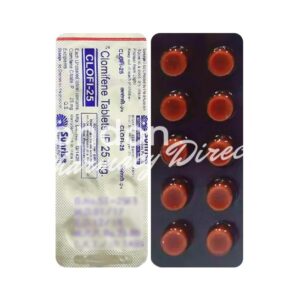
The medicine is an oral tablet, 50 mg.
No creams, injections, or other non-oral forms are approved.
Different manufacturers may make the tablets look slightly different, so UK patients should always check the label rather than relying on colour or shape.
The active ingredient is the same even when the brand name changes.
Main indications
Why is clomifene prescribed, and when is it not the right treatment?
The principal use is ovulatory failure or anovulation, including some cases linked with PCOS when specialist assessment says it is suitable.
It is also used off-label in male infertility and hypogonadism, but only under a clinician experienced in hormonal treatment.
It is not a contraceptive and not a long-term hormone-modulating medicine.
- Approved or standard use: ovulatory failure, anovulation, and selected ovulatory disorders.
- Off-label use: male infertility and hypogonadism under specialist monitoring.
- Not a substitute for diagnosis: treatment choice should follow testing, not simply a wish to “boost fertility”.
If cycles are irregular, the fertility clinic may monitor ovulation, cervical mucus, blood tests, or ultrasound depending on the service.
That practical monitoring is what turns clomifene from a general idea into a targeted treatment plan.
Interaction warnings
Do food or everyday drinks cause problems with Clomid?
There are no major food interactions, and tea or coffee are not known to cause direct interactions.
Alcohol is best kept modest if dizziness or nausea appears, because those side effects can make a stressful cycle feel worse.
The main issue is medicines, so every prescription, over-the-counter product, and fertility medicine should be disclosed to the prescriber.
That includes hormone treatments, supplements, and anything bought without a prescription.
Patients should report significant side effects through UK channels such as the Yellow Card scheme if advised by a clinician.
- Fertility medicines already being used.
- Hormone treatments.
- Over-the-counter pain relief or cold remedies.
- Supplements and herbal products.
- Any past reaction to clomifene side effects or similar treatments.
Alternative choices
What happens if clomifene is not the best fit?
NHS fertility services may suggest alternatives based on diagnosis, convenience, side effects, and how much monitoring the patient can manage.
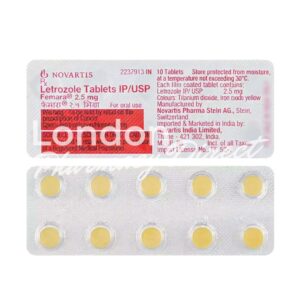
Letrozole is increasingly used as an oral alternative and may suit some PCOS patients better.
Gonadotropins, such as FSH or HMG, can be effective but require injections and closer monitoring.
Metformin may be used alongside treatment in some PCOS cases, particularly where insulin resistance is relevant, but it is not a direct replacement for ovulation induction.
| Option | Advantage | Drawback |
|---|---|---|
| Letrozole | Oral and often suitable in PCOS | Not the right choice for everyone |
| Gonadotropins | Very effective in specialist care | Injections and more monitoring |
| Metformin | Helpful where insulin resistance matters | Not a direct ovulation inducer |
For many people, the decision comes down to how much monitoring is acceptable and whether an oral option or an injectable option fits life better.
Regulation snapshot
How is clomifene regulated in the UK?
Clomifene is prescription-only and used under specialist or GP-supervised fertility care.
It is supplied by pharmacies on prescription in line with MHRA and NHS standards.
Clomifene is also on the World Anti-Doping Agency’s Prohibited List, so athletes should not use it without clearance.
Frequently asked questions
How long does Clomid take to work?
It is usually taken for 5 days per cycle, and response is then checked through fertility monitoring.
Can I take it with food?
Yes, food is generally fine, and many people prefer to take it after breakfast or with a light meal if nausea occurs.
What if I miss a dose?
Take it as soon as remembered unless the next dose is nearly due, and do not double up.
Is Clomid a prescription-only medicine?
Yes. In the UK clomifene is a prescription-only medicine (POM) and is used under specialist or GP-supervised fertility care.
If hot flushes, blurred vision, or spots appear, contact the clinic promptly for advice.
Guidelines for proper use
What does good clomifene use look like in everyday life?
Take exactly as prescribed, record cycle dates, watch for side effects, and attend every monitoring appointment.
Normal meals can continue as usual, and hydration may help if nausea appears.
If vision is affected, do not drive until the symptom has cleared and the clinician has reviewed it.
Do not change the dose independently, even if previous cycles felt too strong or too weak.
Treatment beyond 6 cycles is generally not recommended and should only continue if a fertility specialist advises it.
- Before each cycle: confirm pregnancy status.
- Before each cycle: review all medicines and supplements.
- Before each cycle: check the start day and dosing plan.
- Before each cycle: note the monitoring appointment date.
- Seek help for severe pelvic pain, swollen abdomen, visual changes, or possible pregnancy.
For practical questions, contact the GP, fertility clinic, NHS 111, or a pharmacist rather than altering the regimen on your own.
Delivery across the United Kingdom
| City | Region | Delivery time |
|---|---|---|
| London | England | 9–21 days |
| Birmingham | England | 9–21 days |
| Manchester | England | 9–21 days |
| Leeds | England | 9–21 days |
| Liverpool | England | 9–21 days |
| Glasgow | Scotland | 9–21 days |
| Edinburgh | Scotland | 9–21 days |
| Cardiff | Wales | 9–21 days |
| Belfast | Northern Ireland | 9–21 days |
| Sheffield | England | 9–21 days |
| Newcastle upon Tyne | England | 9–21 days |
| Nottingham | England | 9–21 days |
| Southampton | England | 9–21 days |
| Aberdeen | Scotland | 9–21 days |
Further reading and practical support
Clomifene is an established oral fertility drug, but the best results usually come from the right diagnosis, clear cycle timing, and sensible monitoring.
Patients who keep a diary, check side effects early, and stay in touch with their clinic often find the process easier to manage.
For some people, clomid is a short, structured part of fertility care; for others, the clinic may suggest an alternative from the start.
Either way, accurate advice and clinical monitoring matter more than speed alone.