
Mental Disorders
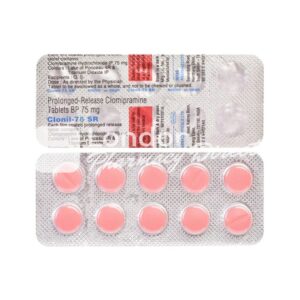
Anafranil
from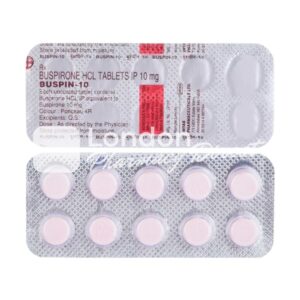
Buspar
from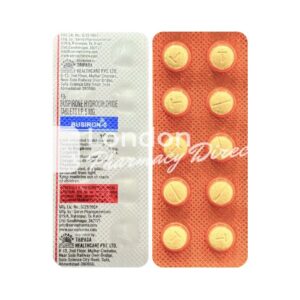
Buspirone
from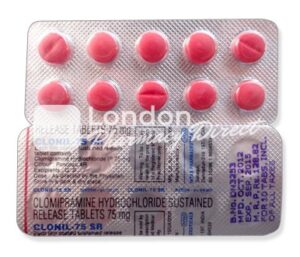
Clomipramine
from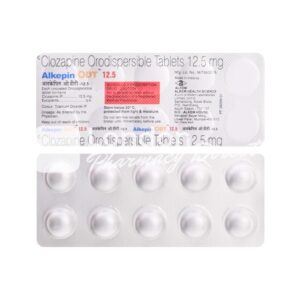
Clozaril
from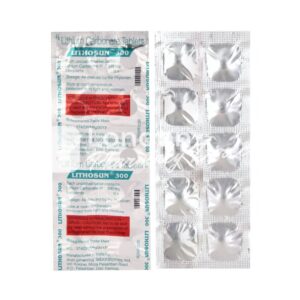
Lithium
from
Olanzapine
from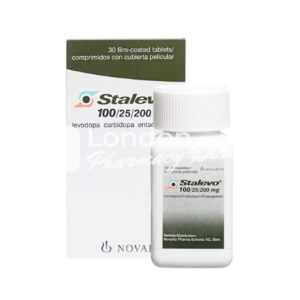
Stalevo
from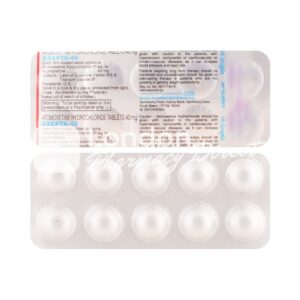
Strattera
from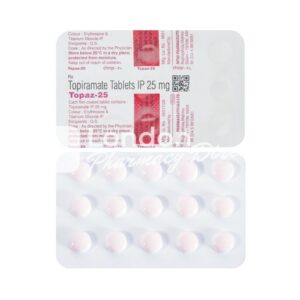
Topiramate
fromDepression
Depression is one of the most common mental health conditions affecting millions of people across the United Kingdom. It goes beyond occasional sadness and involves persistent feelings of hopelessness, low mood, and loss of interest in daily activities. Depression can significantly impact work, relationships, and overall quality of life, making professional support and treatment essential for recovery.
What Depression Treatment Is Used For
Depression treatment aims to restore emotional balance, improve mood, and help individuals regain interest in activities they once enjoyed. Antidepressant medications work by adjusting chemical imbalances in the brain that contribute to depressive symptoms, allowing patients to engage more fully with their lives and relationships.
Available Medications in the UK
Common antidepressants prescribed in the United Kingdom include:
- Sertraline (Lustral)
- Citalopram (Cipramil)
- Fluoxetine (Prozac)
- Paroxetine (Seroxat)
These selective serotonin reuptake inhibitors (SSRIs) are typically first-line treatments. Tricyclic antidepressants like Amitriptyline are also available for those who don’t respond to SSRIs, ensuring that most patients can find an effective medication option.
Additional Information
Most antidepressants take 2-4 weeks to show full effects, so patience is important during the initial treatment phase. It’s vital to continue taking medication as prescribed, even when feeling better, to prevent relapse. Combining medication with therapy often produces the best results for managing depression effectively and maintaining long-term wellbeing.
Anxiety Disorders
Anxiety disorders involve excessive worry, panic, or fear that interferes with daily functioning. Unlike normal stress, anxiety disorders cause persistent symptoms that affect work performance, social relationships, and physical health. Various types include generalised anxiety disorder (GAD), social anxiety, and panic disorder, each requiring tailored treatment approaches.
What Anxiety Treatment Is Used For
Anti-anxiety medications reduce excessive worry, calm racing thoughts, and alleviate physical symptoms like rapid heartbeat and tension. These medicines help individuals function better in social and work environments, enabling them to pursue relationships and career opportunities without debilitating fear.
Available Medications in the UK
Several medication options are available for anxiety management:
- Selective serotonin reuptake inhibitors such as Sertraline and Paroxetine for long-term management
- Benzodiazepines including Diazepam (Valium) and Lorazepam (Ativan) for short-term acute relief
- Buspirone (Buspar) as a non-addictive alternative for ongoing anxiety management
Additional Information
Benzodiazepines are typically prescribed for short periods due to potential dependency risks associated with long-term use. Long-term anxiety management usually involves SSRIs combined with cognitive-behavioural therapy (CBT). Regular exercise, mindfulness, and relaxation techniques complement medical treatment effectively, supporting overall mental health and wellbeing.
Bipolar Disorder
Bipolar disorder is characterised by extreme mood swings between manic highs and depressive lows. Individuals with bipolar disorder experience periods of intense energy, decreased need for sleep, and impulsive behaviour, followed by phases of depression and withdrawal. This condition requires ongoing management and medication to maintain stability and prevent serious episodes.
What Bipolar Treatment Is Used For
Mood stabilisers prevent extreme mood episodes, reduce the severity of manic and depressive states, and help maintain emotional stability. These medications are essential for preventing hospitalisations and maintaining relationships and employment, significantly improving quality of life for those living with bipolar disorder.
Available Medications in the UK
Several medication options are available for bipolar disorder management:
- Lithium as a gold standard mood stabiliser
- Anticonvulsants such as Valproate (Depakote) and Lamotrigine (Lamictal)
- Atypical antipsychotics including Quetiapine (Seroquel) and Aripiprazole (Abilify)
Additional Information
Lithium requires regular blood tests to monitor levels and kidney function, ensuring safe long-term use. Different individuals respond to different medications, so finding the right combination may take time and require dose adjustments. Regular sleep patterns and stress management significantly impact bipolar disorder stability, making lifestyle factors crucial to treatment success.
Schizophrenia and Psychotic Disorders
Schizophrenia is a serious mental health condition affecting how individuals perceive reality. Symptoms include hallucinations, delusions, disorganised speech, and reduced emotional expression. Early treatment significantly improves long-term outcomes and quality of life for those affected, making prompt intervention essential.
What Antipsychotic Treatment Is Used For
Antipsychotic medications reduce hallucinations, delusions, and disorganised thinking patterns. These drugs help individuals distinguish reality from psychotic symptoms and improve their ability to function in daily life and social situations, supporting their independence and relationships.
Available Medications in the UK
Several antipsychotic medications are available:
- First-generation antipsychotics like Haloperidol (Haldol), less commonly prescribed due to side effects
- Second-generation atypical antipsychotics including Risperidone (Risperdal) and Olanzapine (Zyprexa)
- Clozapine (Clozaril) for treatment-resistant cases
- Lurasidone (Latuda) offering a modern option with fewer metabolic side effects
Additional Information
Antipsychotics work best when combined with psychological support and family involvement in the treatment plan. Regular monitoring for metabolic side effects is important to ensure long-term health. Finding the right medication often requires patience, as different individuals respond differently to various antipsychotics available in the UK.
Obsessive-Compulsive Disorder (OCD)
Obsessive-compulsive disorder involves unwanted intrusive thoughts (obsessions) and repetitive behaviours or mental acts (compulsions). Individuals with OCD recognise their thoughts are irrational but feel unable to stop them. This condition significantly impacts daily functioning and causes considerable distress without appropriate treatment.
What OCD Treatment Is Used For
OCD medications reduce the intensity of obsessive thoughts and decrease the urge to perform compulsive behaviours. Treatment helps individuals regain control over their thoughts and engage more fully in work, relationships, and social activities, restoring quality of life.
Available Medications in the UK
OCD treatment typically involves specific medications:
- Selective serotonin reuptake inhibitors as first-line treatments, often at higher doses
- Fluoxetine (Prozac), Sertraline (Lustral), and Paroxetine (Seroxat)
- Clomipramine, a tricyclic antidepressant showing effectiveness for OCD
Additional Information
OCD medication often requires higher doses and longer treatment periods than other conditions. Exposure and response prevention therapy combined with medication produces the best outcomes for managing symptoms effectively. Treatment typically involves a long-term commitment to maintaining symptom reduction and preventing relapse.
Attention-Deficit/Hyperactivity Disorder (ADHD)
Attention-deficit/hyperactivity disorder affects concentration, impulse control, and activity levels. Adults and children with ADHD struggle with organisation, time management, and maintaining attention on tasks. Proper diagnosis and treatment significantly improve academic and work performance, enhancing overall functioning and self-esteem.
What ADHD Treatment Is Used For
ADHD medications improve focus, reduce impulsivity, and help individuals better manage their time and responsibilities. Treatment enables better performance at school and work whilst improving relationships and self-confidence, supporting personal and professional development.
Available Medications in the UK
ADHD treatment options include:
- Methylphenidate (Ritalin, Concerta) as a commonly prescribed stimulant medication
- Atomoxetine (Strattera) as a non-stimulant alternative for those who cannot tolerate stimulants
- Lisdexamfetamine (Vyvanse) available through NHS and private prescriptions
Additional Information
ADHD medication works best alongside behavioural strategies and environmental modifications tailored to individual needs. Regular monitoring ensures the medication remains effective and side effects stay minimal. Treatment often involves adjusting doses to find the optimal balance between symptom relief and tolerability, supporting sustained improvement in attention and behaviour.