Allopurinol
In brief
- In our pharmacy, you can buy allopurinol without a prescription, with delivery in 9–21 days throughout the United Kingdom. Discreet and anonymous packaging.
- Allopurinol is used to lower uric acid for gout, chronic hyperuricaemia, uric acid kidney stones and for tumour lysis syndrome prophylaxis; it is a xanthine oxidase inhibitor that blocks uric acid synthesis.
- Usual adult dosing starts at 100 mg daily and is titrated by serum uric acid — common maintenance doses are 200–300 mg/day (mild) or 400–600 mg/day (severe), with a maximum reported up to 800 mg/day; lower doses are used in renal impairment and children (typically 10–20 mg/kg/day, max 400 mg/day).
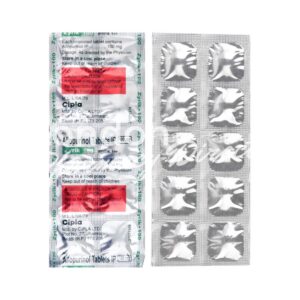
- Administered orally as tablets (100 mg and 300 mg tablets), usually once daily.
- Biochemical effects begin within 24–48 hours and reductions in serum uric acid are usually seen within a week; clinical benefit (reduced flares/tophi shrinkage) may take several weeks to months.
- Duration of action is effectively around 24 hours due to the long‑lived active metabolite oxipurinol, allowing once‑daily dosing; chronic indications require continuous long‑term treatment.
- Avoid excessive alcohol—alcohol increases uric acid production and the risk of gout flares and may worsen liver toxicity; moderate/acute alcohol intake should be discussed with your prescriber.
- The most common side effect is skin rash (which can signal a severe hypersensitivity reaction and requires immediate stopping and medical review); other common effects include nausea, vomiting, diarrhoea and elevated liver enzymes.
- Would you like to try allopurinol without a prescription?
Basic allopurinol information
- INN (international nonproprietary name): Allopurinol
- Brand names available in the United Kingdom: Allopurinol generics supplied by Teva, Sandoz, Mylan, Accord and Zentiva, and the originator brand Zyloric
- ATC code: M04AA01
- Forms and dosages: Tablets 100 mg and 300 mg
- Manufacturers in the United Kingdom: Teva, Sandoz, Mylan, Accord, Zentiva and Sanofi (Zyloric)
- Registration status in the United Kingdom: Licensed by the MHRA; prescription-only medicine
- OTC / Rx classification: Prescription-only medicine (POM)
Instructions, warnings and daily-life integration
Worried about safety when starting allopurinol or how it fits into day-to-day life?
Allopurinol is prescription-only and should only be started under NHS or MHRA guidance because rare but serious skin and organ reactions can occur.
If you develop a new rash, fever or flu-like symptoms, stop the medicine immediately and contact your GP, NHS 111 or your nearest A&E.
Keep tablets in their original packaging and store them below 25°C, avoiding freezing during transport or storage.
Order repeat prescriptions in good time so that you do not run out.
Integrate dosing into an existing routine such as a morning pill box or bedtime habit to improve adherence.
Always tell your pharmacist about other medicines, recent chemotherapy, or known kidney or liver problems before starting allopurinol.
Use a medicine checklist and photograph your tablets for clarity when picking up or ordering repeats.
Keep a printed checklist and a medicine card with dose, start date and prescriber details.
Everyday use and best practices
Morning vs evening dosing
Which time of day fits your life matters more than perfect timing.
Most people take allopurinol once daily in 100 mg or 300 mg tablet forms prescribed by their clinician.
If prescribed once-daily dosing, pick a consistent time that suits routines such as bedtime or with breakfast to avoid missed doses.
Many patients prefer bedtime to avoid any daytime drowsiness and because renal excretion is steady overnight.
Others take it with a morning meal if that fits family or work routines.
If your total daily dose is higher and divided dosing is needed, use alarms or a dosette box to prevent missed doses.
Taking with or without meals (UK diet habits)
Does food help or hinder allopurinol?
Take allopurinol with food if you experience stomach upset after dosing.
British dietary habits such as tea, coffee or later breakfasts mean some people find evening dosing reduces gastric complaints.
Avoid starting allopurinol during an acute gout flare; NHS and product information advise beginning treatment once the flare has settled.
Practical routine beats perfect timing: choose a time you will remember and stick with it.
- Routine step: Check the prescribed dose (100 mg or 300 mg).
- Routine step: Pair with an existing habit such as brushing teeth or bedtime.
- Routine step: Use a dosette box or phone alarm if divided doses required.
- Routine step: Bring a list of current medications to every review.
| Dosing pattern | Typical example |
|---|---|
| Once daily | 100 mg or 300 mg at bedtime or with breakfast, per prescriber |
| Split dosing | Higher total daily doses divided and taken morning and evening with alarms or dosette box |
Safety priorities
Who should avoid it (MHRA warnings)
Who must not take allopurinol?
Absolute contraindications include known hypersensitivity to allopurinol or any excipients and a history of severe cutaneous reactions such as Stevens-Johnson Syndrome or toxic epidermal necrolysis.
Do not start allopurinol during an acute gout attack because it may worsen the flare.
Discuss HLA-B*5801 testing with your clinician if you have ancestry associated with higher risk of severe skin reactions, particularly certain Asian groups.
Use caution and adjusted dosing in significant renal or hepatic impairment with closer monitoring.
Activities to limit (driving, work safety)
Will allopurinol affect your ability to work or drive?
Allopurinol can cause dizziness or drowsiness in some people, so avoid driving or operating heavy machinery until you know how it affects you.
If employed in safety-critical roles such as professional driving or construction, inform your employer and pharmacist about the new medicine.
Always carry an alert card listing allopurinol and other medicines you take, and report suspected adverse effects via the MHRA Yellow Card scheme.
- Red-flag symptoms: New widespread rash, blistering, fever, difficulty breathing, or swollen face.
- Red-flag action: Stop the medicine and seek urgent medical review or A&E.
| Contraindication | Notes |
|---|---|
| Known hypersensitivity | Avoid; document allergy in medical records |
| Prior severe cutaneous reaction | Absolute contraindication |
| Acute gout attack | Do not initiate during flare |
Dosage and adjustments
General regimen (NHS guidance)
How is allopurinol started and adjusted?
Standard adult starting dose is commonly 100 mg once daily, titrated by serum uric acid results to achieve target levels.
Typical maintenance doses are 200–300 mg/day for mild disease and 400–600 mg/day for more severe cases, with specialist doses up to 800 mg/day in exceptional circumstances.
NHS practice stresses a “start low, go slow” approach to reduce the risk of hypersensitivity and to limit the chance of provoking acute gout flares.
Clinicians often advise prophylactic cover with colchicine or an NSAID during initiation to reduce early flare risk.
Baseline blood tests including renal function, liver enzymes and a full blood count are commonly taken before and during titration.
Special cases (elderly, comorbidities)
What about older patients and those with comorbidities?
In renal impairment, dose reductions are required with cautious titration; severe renal impairment may limit dosing to around 100 mg/day depending on creatinine clearance.
In the elderly, clinicians usually start at the lowest effective dose and monitor for adverse effects.
Children are rarely treated outside oncology or rare inherited disorders; typical paediatric dosing is approximately 10–20 mg/kg/day in divided doses with a usual maximum of 400 mg/day.
- Dosing checklist: Confirm baseline kidney and liver tests before starting.
- Dosing checklist: Use lowest starting dose for elderly or renal impairment.
- Dosing checklist: Schedule regular uric acid checks during titration.
| Renal function | Suggested adjustment |
|---|---|
| CrCl ≥50 mL/min | Standard titration, usual maintenance 200–600 mg/day |
| CrCl 20–50 mL/min | Consider lower starting dose and slower titration |
| CrCl <20 mL/min | Limit doses; specialist advice often required (example max ~100 mg/day) |
Legal status and availability in the UK
Allopurinol is a prescription-only medicine (POM) in the UK.
In our online pharmacy, allopurinol is available without a prescription, with discreet delivery to the United Kingdom in 9–21 days.
What’s inside and how it works
Ingredients overview
What do the tablets contain?
The active ingredient is allopurinol (the International Nonproprietary Name or INN) and tablets commonly come as 100 mg and 300 mg film-coated tablets in blister packs.
Excipients vary by manufacturer, so ask your pharmacist if you have known excipient allergies.
ATC classification is M04AA01, placing it in the xanthine oxidase inhibitors.
| Ingredient | Purpose |
|---|---|
| Allopurinol | Active ingredient to reduce uric acid synthesis |
| Excipients | Binders, coatings and stabilisers specific to manufacturer |
Mechanism basics explained simply
How does allopurinol lower uric acid?
Allopurinol blocks xanthine oxidase, the enzyme responsible for converting purines into uric acid.
Reducing uric acid levels decreases the risk of gout flares, tophi formation and uric acid kidney stones.
Starting therapy can temporarily mobilise urate and provoke gout flares, which is why prophylactic cover with colchicine or an NSAID is often advised when beginning treatment.
One-line summary: xanthine oxidase inhibitor that reduces uric acid production and prevents long-term gout complications.
Main indications
Approved uses (MHRA listing)
What conditions is allopurinol licensed for?
MHRA-authorised indications include long-term urate lowering in chronic gout with hyperuricaemia, prevention of uric acid nephrolithiasis and prophylaxis in tumour lysis risk settings.
The common UK indication is long-term urate lowering to prevent recurrent gout and treat tophi.
Off-label uses in UK clinics
Are there other uses in specialist settings?
Off-label or less common uses include short courses to prevent chemotherapy-related hyperuricaemia in some oncology pathways, though rasburicase may be preferred in severe cases.
Clinicians may consider allopurinol for rare metabolic disorders under specialist advice.
Important: Never initiate during an acute flare and always titrate to serum urate targets agreed with the prescriber.
| Indication | Usual dose / notes |
|---|---|
| Chronic gout | Start ~100 mg/day, titrate to maintenance 200–600 mg/day |
| Uric acid kidney stones | Managed as per gout dosing, tailored to uric acid levels |
| Tumour lysis prophylaxis | Higher divided doses (600–800 mg/day) for short-term use in oncology |
Interaction warnings
Food interactions (alcohol, tea/coffee)
Will diet change how allopurinol works?
Alcohol can raise uric acid and reduce the effectiveness of urate-lowering therapy, so limit intake and maintain good hydration.
There is no strong evidence that tea or coffee prevents harm from allopurinol, but excessive caffeine with poor hydration may increase GI discomfort.
Steady hydration supports kidney function and uric acid excretion.
Drug conflicts
Which medicines must be checked before starting?
Allopurinol increases the toxicity of azathioprine and mercaptopurine; co-prescribing requires dose reductions or use of alternatives and careful monitoring.
It may interact with certain diuretics and can be associated with observed changes when used with warfarin, so regular review is advised.
Report suspected interactions or adverse reactions via the MHRA Yellow Card scheme and consult your pharmacist if in doubt.
- High-risk interactions: Azathioprine, mercaptopurine, certain diuretics.
- Checklist for prescriber: Current medicines including chemo, over-the-counter NSAIDs, herbal remedies and supplements.
Alternative choices
NHS prescribing alternatives
What are the main alternatives if allopurinol is unsuitable?
Febuxostat is a xanthine oxidase inhibitor used when allopurinol is not tolerated or contraindicated.
Uricosuric agents such as probenecid or sulfinpyrazone are less commonly used and depend on adequate renal function.
Rasburicase is a specialist, hospital-only agent for rapid urate lowering in tumour lysis syndrome, often chosen in severe oncology cases or renal impairment.
Pros / cons checklist
Which option might suit an individual patient?
| Option | Pros | Cons |
|---|---|---|
| Allopurinol | Long-established, with a well-known safety profile when monitored | Requires caution in renal impairment and rare hypersensitivity possible |
| Febuxostat | Useful when allopurinol intolerance occurs | Cardiovascular safety signals require clinician review |
| Probenecid | Effective in patients with good renal function | Less effective if renal function poor; more interactions |
| Rasburicase | Rapid urate lowering in acute oncology use | Hospital use only |
Regulation snapshot
MHRA approval and safety notices
How is allopurinol regulated in the UK?
Allopurinol is licensed by the MHRA and is a prescription-only medicine (POM) because of the potential for rare serious adverse reactions.
MHRA safety notices and Yellow Card reports inform clinicians and pharmacists when guidance is updated, particularly around initiation and hypersensitivity risk.
NHS prescribing framework
What are NHS rules on prescribing?
GPs prescribe under local formularies and may use repeat dispensing and the Electronic Prescription Service to maintain continuity of supply.
| Aspect | Summary |
|---|---|
| Regulatory status | MHRA authorised, prescription-only |
| Preferred brands | Local formularies may favour generics (Teva, Sandoz, Mylan) or branded Zyloric |
Top patient questions
Quick answers checklist
What do patients ask most often?
Q1: Can I start allopurinol during a gout flare?
A: No — do not start during an acute flare; begin after the flare settles and consider prophylaxis.
Q2: How long before I see benefit?
A: Benefits are seen over months as uric acid levels fall; early flares can occur during initiation.
Q3: Do I need blood tests?
A: Yes — baseline and periodic renal and liver tests and uric acid checks during titration are standard.
Q4: What if I get a rash?
A: Stop immediately and seek urgent medical review as rash may indicate a serious reaction.
Quick consultation checklist: current medicines including chemotherapy, kidney or liver disease, ethnicity/family history of reactions (HLA-B*5801 risk), pregnancy or breastfeeding plans, and repeat prescription arrangements.
Guidelines for proper use
UK pharmacist counselling style
What will the pharmacist say when dispensing allopurinol?
Pharmacists follow an NHS- and MHRA-aligned counselling script confirming indication, dose, storage below 25°C, how to take with or without food, warning signs such as rash or fever, interactions and monitoring schedules.
They will check for other medicines particularly azathioprine/mercaptopurine and for any recent chemotherapy before dispensing.
Pharmacists will advise on reporting adverse reactions via the Yellow Card scheme and provide a medicine information leaflet for the specific brand dispensed.
NHS patient support advice
How will the NHS support patients on allopurinol?
The NHS arranges baseline blood tests, sets follow-up uric acid targets and uses repeat prescriptions or EPS to maintain supply.
If side effects occur, patients should contact their GP or NHS 111, and attend A&E for serious reactions.
Keep an up-to-date list of all medicines and allergy history, and ask the pharmacist for printed information on the prescribed brand.
- Pharmacist counselling checklist: Confirm dose and schedule, check concomitant meds, advise on storage and red-flag symptoms.
- NHS support flowchart: Baseline tests → Start low → Titration with monitoring → Routine reviews.
Delivery across the United Kingdom
| City | Region | Delivery Time |
|---|---|---|
| London | England | 9–21 days |
| Birmingham | England | 9–21 days |
| Manchester | England | 9–21 days |
| Glasgow | Scotland | 9–21 days |
| Leeds | England | 9–21 days |
| Liverpool | England | 9–21 days |
| Bristol | England | 9–21 days |
| Edinburgh | Scotland | 9–21 days |
| Sheffield | England | 9–21 days |
| Nottingham | England | 9–21 days |
| Newcastle Upon Tyne | England | 9–21 days |
| Belfast | Northern Ireland | 9–21 days |
| Swansea | Wales | 9–21 days |
Final notes and safe-practice reminders
Need a quick recap before speaking to your GP or pharmacist?
Allopurinol is an effective xanthine oxidase inhibitor used to reduce uric acid and prevent gout complications, but it is prescription-only and requires monitoring.
Start low and go slow, expect months for full benefit, and report any rash, fever or flu-like symptoms immediately.
Keep medicines in original packaging, store below 25°C and make use of pharmacist counselling to review interactions, particularly with azathioprine or mercaptopurine.
Carry a medicine card, photograph tablets, and use repeat dispensing where available to simplify ongoing supply.