Priligy
In brief
- Priligy (dapoxetine) is a prescription-only medicine (POM) in the UK.
- Priligy is used for the treatment of premature ejaculation in men aged 18–64 years. Its active ingredient, dapoxetine, is a short-acting selective serotonin reuptake inhibitor (SSRI) that helps delay ejaculation by increasing serotonin activity in the nervous system.
- The usual starting dose is 30 mg taken as needed, 1–3 hours before anticipated sexual activity. If needed and tolerated, the dose may be increased to 60 mg, with a maximum of one dose per 24 hours.
- The form of administration is an oral film-coated tablet.
- Priligy usually starts working within about 1–3 hours after taking it.
- The duration of action is short, which is why it is used on demand rather than daily; its effect covers the planned sexual activity and does not provide continuous all-day action.
- Alcohol should be avoided or kept to a minimum, as it can increase dizziness, fainting, and other side effects.
- The most common side effects are dizziness, nausea, headache, diarrhoea, insomnia, fatigue, sweating, and feeling anxious or irritable.
- Would you like to try Priligy without a prescription?
Basic Priligy information
- INN (international nonproprietary name): Dapoxetine
- Brand names available in the United Kingdom: Priligy
- ATC code: G04BX14
- Forms and dosages: Film-coated tablets, 30 mg and 60 mg
- Manufacturers in the United Kingdom: Menarini
- Registration status in the United Kingdom: Approved by the MHRA as Priligy for premature ejaculation in men aged 18–64 years
- OTC / Rx classification: Prescription-only medicine (POM)
Everyday use and best practices
Morning vs evening dosing
Wondering whether Priligy fits better into a morning routine or an evening plan?
With this medicine, the usual UK question is not “what time of day?” but “when is sex anticipated?”
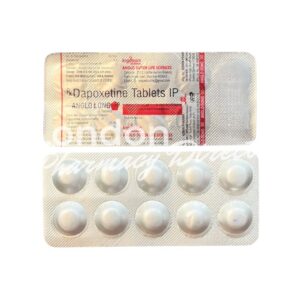
Priligy tablets, also called Dapoxetine tablets, are taken on demand, usually 1–3 hours before anticipated sexual activity.
It is not a daily SSRI schedule and it should not be used more than once in 24 hours.
The standard starting dose is 30 mg, with 60 mg as the maximum single dose if the lower strength is not enough and is well tolerated.
That makes it a practical pill for premature ejaculation when plans are fairly predictable, such as a weekend away or a night out that may lead to intimacy.
There is no special “best time” in the UK lifestyle sense, only the right timing for the situation.
Because it is film-coated tablet only, the dose is straightforward to take discreetly and without special preparation.
Taking with or without meals
Priligy can be taken with or without food, which suits typical UK eating patterns, whether that is a quick bite after work or a later meal out.
A large glass of water is sensible, as it may help reduce dizziness.
Alcohol-heavy occasions are best avoided because alcohol can make light-headedness and fainting more likely.
If a meal out, overnight stay, or romantic plan is on the cards, it helps to think ahead so the Dapoxetine tablets are taken within the 1–3 hour window.
- Do: take the 30 mg tablet as needed before sex.
- Do: keep to one dose in 24 hours.
- Do: drink a full glass of water.
- Avoid: heavy drinking before or after the dose.
- Avoid: taking it like a daily antidepressant.
Safety priorities
Who should avoid it
Could this medicine be unsafe for you even if it is effective for someone else?
That is the key safety question with Priligy, because dapoxetine has several important MHRA warnings.
It must not be used if there is allergy to dapoxetine or any excipient, heart failure, arrhythmia, a history of syncope, moderate or severe liver impairment, significant psychiatric illness such as severe depression or mania, or if the person is taking MAO inhibitors, other SSRIs or SNRIs, thioridazine, or certain antifungals and macrolides.
Priligy is prescription-only in the UK and is approved by the MHRA for men aged 18–64 years.
The most common side effects include dizziness, with reports up to 10%, plus nausea, headache, insomnia, fatigue, diarrhoea, sweating, anxiety, or irritability.
Taking the tablet with water and standing up slowly can help lower the chance of fainting.
Activities to limit
Dizziness, blurred judgement, and fainting risk can affect driving, cycling, and using machinery.
Anyone in a safety-sensitive job should be cautious after the first dose, especially before they know how their body reacts.
If light-headedness starts, stop activity, sit down, and stand again slowly when it feels safe.
- Watch for: dizziness, fainting, severe drowsiness, palpitations, or blurred judgement.
- Seek urgent help: chest symptoms, collapse, severe allergic reaction, or a prolonged faint.
- Be extra careful: during the first use and after alcohol.
Dosage and adjustments
General regimen
Most people start with 30 mg once as needed.
If needed and tolerated, the dose may be increased to 60 mg, but not beyond that single-dose maximum.
The tablet should be taken 1–3 hours before sex, and not more than once per 24 hours.
This is on-demand treatment, not a daily SSRI schedule.
Special cases
What if there are other health issues in the background?
That can change whether dapoxetine is suitable at all, or whether a lower strength and closer monitoring are needed.
| Patient group | Guidance | Reason |
|---|---|---|
| Under 18 | Not indicated | Use is not established |
| Over 65 | Not generally recommended | Limited data and higher adverse risk |
| Mild liver impairment | Use only with caution | May need a lower dose and monitoring |
| Moderate or severe liver impairment | Avoid | Contraindicated |
| Mild renal impairment | Close review needed | Clinical judgement required |
| Moderate or severe renal impairment | Use with caution | Safety data are limited |
| Seizure disorder, orthostatic hypotension, serotonergic medicine use | Specialist advice needed | Higher interaction and adverse event risk |
Legal status and availability in the UK
Priligy is a prescription-only medicine (POM) in the UK.
In our online pharmacy, Priligy is available without a prescription, with discreet delivery to the United Kingdom in 9–21 days, but responsible use and suitability checks still matter.
What’s inside and how it works
Ingredients overview
The active ingredient is dapoxetine, the INN for this medicine, and it is classified under ATC G04BX14.
Priligy comes as 30 mg or 60 mg film-coated tablets only.
There is no cream, injection, or other alternative form.
- What it is: a film-coated tablet containing dapoxetine.
- What it is not: a daily antidepressant for routine use.
- What exists: 30 mg and 60 mg strengths only.
Mechanism basics
In simple terms, dapoxetine is a short-acting SSRI used for premature ejaculation.
It increases serotonin activity, which can help delay ejaculation.
That is why Priligy for premature ejaculation is different from many other SSRIs used in mental health care.
Main indications
Approved uses
What is Priligy actually for?
The approved UK use is premature ejaculation in men aged 18–64 years who meet clinical criteria and experience distress.
It is MHRA approved and licensed for that specific purpose, not for general sexual performance enhancement.
Off-label uses in UK clinics
Some clinicians may discuss alternative approaches to sexual function concerns, but Priligy itself is not a general sexual medicine and should not be used as monotherapy for depression.
That distinction matters, because dapoxetine use is about a targeted PE indication rather than broad mood treatment.
| Approved use | Not approved use |
|---|---|
| Premature ejaculation in men 18–64 | Depression treatment |
| Men with distress and clinical criteria for PE | General sexual enhancement |
Interaction warnings
Food interactions
Can alcohol, tea, or coffee matter?
Alcohol is the main concern, because it can worsen dizziness and fainting risk.
There is no major tea or coffee interaction listed, but caffeine may worsen anxiety or palpitations in sensitive people.
Drug conflicts
Medicines and herbal products should always be declared at the pharmacy, because the biggest risks are with other serotonergic medicines and CYP3A4-related interactions.
That includes SSRIs, SNRIs, MAO inhibitors, thioridazine, certain antifungals, certain macrolides, and herbal St John’s Wort.
Serotonin-related medicines should not be combined, since interaction can intensify CNS or cardiac problems.
- Tell the pharmacist about: antidepressants, migraine medicines, antipsychotics, antifungals, antibiotics, and herbals.
- Also mention: St John’s Wort, even if it seems harmless.
- Be cautious with: any medicine that has previously caused fainting, palpitations, or severe dizziness.
Alternative choices
NHS prescribing alternatives with pros and cons
What if Priligy is not a good fit?
UK clinicians may consider off-label SSRIs such as paroxetine, sertraline, or fluoxetine, plus clomipramine, tramadol, and topical lidocaine-prilocaine.
The main difference is simple: many alternatives are daily medicines or work differently, while Priligy is used on demand.
| Option | How it is used | Main trade-off |
|---|---|---|
| Paroxetine | Daily | Not on-demand |
| Sertraline | Daily | Timing flexibility is lower |
| Fluoxetine | Daily | Chronic use rather than planned use |
| Clomipramine | Off-label | Different side effect profile |
| Tramadol | Off-label | Not a first choice for many patients |
| Lidocaine-prilocaine topical | Topical use | Different method and effect |
Which option may suit which patient
Some men prefer on-demand convenience, especially when timing can be planned.
Others choose a daily option if they do not want to think about dosing before sex or if they do not tolerate dapoxetine side effects.
The safest decision is usually made with a GP or sexual health clinician, since the best treatment option depends on health history, medication list, and personal preference.
Regulation snapshot
MHRA approval and NHS prescribing framework
Priligy is MHRA approved and prescription-only in the UK.
NHS prescribing depends on clinical suitability, age limits, and contraindication checks.
The product is intended for men aged 18–64 years with premature ejaculation, not for everyone asking for a quick fix.
What UK patients should verify
Before taking any pack home, check the strength and pack size.
Packaging shows the dosage strength, quantity, and storage instructions.
Most packs are 1-, 3-, or 6-tablet blister packs.
| What to check on the box | Why it matters |
|---|---|
| Strength | Confirms 30 mg or 60 mg tablet |
| Pack size | Helps match the prescription and treatment plan |
| Storage instructions | Supports safe keeping at home |
Frequently asked questions
How long before sex should I take Priligy?
Take it 1–3 hours before anticipated sexual activity.
Do not take more than one dose in 24 hours.
Can I drink alcohol with it?
It is best to limit alcohol, because it can raise the risk of dizziness and fainting.
That advice is especially important if you have already felt light-headed with dapoxetine 30 mg.
Is it available on the NHS?
Yes, it can be prescribed on the NHS if a clinician decides it is suitable.
What if I get dizzy or faint?
Stop what you are doing, sit or lie down, and stand up slowly when the feeling passes.
If fainting is severe, repeated, or accompanied by chest symptoms or breathing problems, seek urgent medical help.
Guidelines for proper use
UK pharmacist counselling style
Take exactly as prescribed, use only when needed, and never double up.
If a dose has already been taken, do not repeat it the same day, even if timing feels inconvenient.
Store the tablets at 25°C, protect them from moisture and sunlight, keep them in the original packaging, and keep them away from children.
- How to use safely: 30 mg start, 60 mg maximum, on-demand only.
- Store correctly: at 25°C, away from light and moisture.
- Do not do: take a second dose in the same 24 hours.
NHS patient support advice
Speak to a GP or pharmacist if you have fainting, heart problems, liver disease, or are taking interacting medicines.
Pharmacists are often the first trusted point of contact in the UK and can explain referral routes, prescription options, and safer alternatives if Priligy is not suitable.
That support helps avoid unnecessary risks.
Delivery across the United Kingdom
| City | Region | Delivery Time |
|---|---|---|
| London | England | 9–21 days |
| Birmingham | England | 9–21 days |
| Manchester | England | 9–21 days |
| Leeds | England | 9–21 days |
| Liverpool | England | 9–21 days |
| Newcastle upon Tyne | England | 9–21 days |
| Sheffield | England | 9–21 days |
| Bristol | England | 9–21 days |
| Glasgow | Scotland | 9–21 days |
| Edinburgh | Scotland | 9–21 days |
| Cardiff | Wales | 9–21 days |
| Belfast | Northern Ireland | 9–21 days |
| Aberdeen | Scotland | 9–21 days |
| Norwich | England | 9–21 days |