
Urinary Tract

Furosemide
from
Lasix
from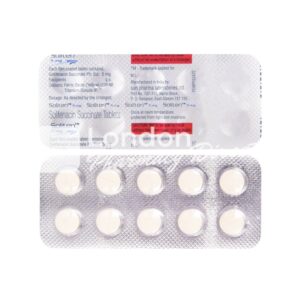
Vesicare
fromUnderstanding Urinary Tract Infections
Urinary tract infections (UTIs) are common conditions affecting millions of people in the UK each year. These infections occur when bacteria enter the urinary system, which includes the kidneys, bladder, ureters, and urethra. Women are more prone to UTIs than men due to anatomical differences, though anyone can develop one at any age.
Symptoms and Causes
Common symptoms of UTIs include a burning sensation during urination, frequent urges to urinate, cloudy or strong-smelling urine, and pelvic pain. Some people may experience fever or back pain if the infection has reached the kidneys. UTIs typically develop when bacteria from the bowel contaminate the urethra and travel upwards into the bladder. Sexual activity, poor hygiene, and certain medical conditions can increase your risk of developing an infection.
When to Seek Medical Advice
It’s important to contact your GP if you suspect you have a UTI, particularly if you have fever, back pain, or if symptoms persist for more than a few days. Your doctor can arrange a urine test to confirm the infection and recommend appropriate treatment. Seeking medical advice early ensures you receive the right medication quickly and prevents the infection from developing into something more serious.
Antibiotics for Urinary Tract Infections
Antibiotics are the primary treatment for bacterial UTIs and work by killing the bacteria responsible for the infection. Your GP will prescribe the most suitable antibiotic based on the type of bacteria found in your urine and any allergies you may have.
Common Antibiotics Available in the UK
Several antibiotics are commonly prescribed for UTIs across the United Kingdom:
- Trimethoprim is one of the most frequently prescribed antibiotics for uncomplicated UTIs and is often a first-line treatment option
- Nitrofurantoin is another popular choice, particularly for lower urinary tract infections, and is often taken with food to improve tolerance
- Cephalexin is a cephalosporin antibiotic used when other options aren’t suitable or when allergies are a concern
- Amoxicillin may be prescribed in some cases, though resistance is becoming more common
- Fluoroquinolones like ciprofloxacin are recommended for more complicated infections by your healthcare provider
How to Use Antibiotics Effectively
Always complete the full course of antibiotics as prescribed, even if symptoms improve before finishing the medication. Taking antibiotics exactly as directed helps prevent antibiotic resistance and ensures complete eradication of the infection. Most UTI antibiotics require a course of three to seven days, depending on the specific medication and severity of infection. It’s essential not to stop taking your antibiotics early, as this can allow bacteria to survive and cause the infection to return.
Pain Relief and Symptom Management
Whilst antibiotics treat the underlying infection, over-the-counter pain relief medications can help manage the uncomfortable symptoms associated with UTIs whilst waiting for treatment to take effect.
Pain Relief Options
Paracetamol is widely available and effective for reducing pain and fever associated with urinary tract infections. Ibuprofen, a non-steroidal anti-inflammatory drug, can also relieve pain and reduce inflammation in the urinary tract. Both medications are available without prescription at supermarkets, pharmacies, and other retailers throughout the UK. Phenazopyridine is a urinary analgesic that specifically targets urinary pain, though it’s less commonly prescribed in the UK than other options. Your pharmacist can advise on which pain relief option is most suitable for your circumstances.
Additional Comfort Measures
Alongside medication, drinking plenty of water helps flush bacteria from your system and dilutes urine, making urination less painful. Applying a heating pad to your lower abdomen or back can provide temporary relief from discomfort. Avoiding caffeine, alcohol, and spicy foods may help reduce irritation during the infection. These simple measures, combined with appropriate medication, can significantly improve your comfort whilst your body recovers.
Prevention and Long-Term Management
Preventing urinary tract infections is often easier than treating them, and several lifestyle changes can significantly reduce your risk of developing recurrent infections.
Daily Prevention Strategies
Maintaining good personal hygiene is essential for UTI prevention. Women should wipe from front to back after using the toilet to prevent bacteria from the bowel reaching the urethra. Drinking adequate water throughout the day helps maintain healthy urinary function and flushes the system regularly. Urinating soon after sexual intercourse can help eliminate bacteria that may have entered the urethra. Wearing breathable cotton underwear and avoiding tight clothing reduces moisture that bacteria thrive in. These straightforward habits can make a considerable difference in preventing future infections.
Supplements and Natural Remedies
Cranberry products are popular in the UK and may help prevent UTIs by preventing bacteria from adhering to urinary tract walls. D-mannose is a natural sugar that some people use for UTI prevention, though scientific evidence is still emerging. Probiotics containing beneficial bacteria may help maintain a healthy urinary microbiome and reduce infection risk. Your pharmacist can provide guidance on which supplements might be appropriate for you.
When Recurrent Infections Occur
If you experience three or more UTIs in a year, your GP may recommend preventative antibiotics taken at a low dose over several months. Some people benefit from taking a single antibiotic dose after sexual intercourse as a preventative measure. Regular follow-up appointments help your doctor monitor your condition and adjust your prevention strategy as needed to reduce future infections.
Bladder and Kidney Health
Maintaining overall urinary tract health is crucial for preventing serious complications and ensuring your kidneys and bladder function properly.
Understanding Different Infection Types
Cystitis is inflammation of the bladder, the most common type of UTI, usually affecting the lower urinary tract and causing typical UTI symptoms. Pyelonephritis is a more serious kidney infection that requires prompt treatment with stronger antibiotics and may cause more severe symptoms. Urethritis affects the urethra and may cause different symptoms than other UTIs. Understanding which part of your urinary tract is affected helps your doctor prescribe the most appropriate treatment and prevents complications.
Regular Health Checks
Regular GP appointments are important, particularly if you have a history of UTIs or other urinary tract concerns. Your doctor can monitor your kidney function through blood tests and ensure your urinary system remains healthy. Post-menopausal women may benefit from discussing additional prevention strategies with their healthcare provider, as hormonal changes increase UTI risk during this life stage.
Available Products at UK Pharmacies
UK pharmacies stock various products specifically designed to support urinary tract health and manage UTI symptoms.
Over-the-Counter Medications
Cystitis sachets containing sodium citrate alkalinise urine and may help reduce urinary discomfort. These are available without prescription and can provide quick relief from symptoms whilst you wait for antibiotics to work. Urine test strips help you monitor your urinary health at home and can indicate whether medical attention is needed. Various branded cystitis relief products combine pain relief with alkalising agents for comprehensive symptom management.
Prescription Medications
Your pharmacist can dispense prescription antibiotics quickly once your GP has confirmed a UTI diagnosis. Many patients find it convenient to receive their antibiotic prescription directly at their local pharmacy. Pharmacy staff can provide advice on taking medications correctly and managing any side effects if they occur, ensuring you get the most from your treatment.
Hygiene and Prevention Products
Intimate hygiene products designed specifically for urinary tract health are available throughout UK pharmacies. Specialised underwear and clothing designed for comfort and breathability may help prevent future infections. Your pharmacist can recommend appropriate products and answer questions about preventative measures tailored to your individual needs.