Stop Smoking

Understanding Nicotine Addiction and Why Quitting is Important
Nicotine addiction is one of the most challenging dependencies to overcome, affecting millions of people across the United Kingdom. When you smoke, nicotine reaches your brain within seconds, creating powerful physical and psychological dependencies. The substance triggers the release of dopamine, a chemical that creates pleasurable sensations, making smokers return to cigarettes repeatedly. Understanding this mechanism is the first step towards successful cessation.
Quitting smoking offers immediate and long-term health benefits. Within just 20 minutes of your last cigarette, your heart rate and blood pressure begin to normalise. After three months, your lung function improves significantly, and within a year, your risk of heart disease drops to half that of a smoker. Long-term benefits include reduced risk of cancer, stroke, and chronic diseases. Beyond health improvements, quitting saves substantial money – a pack-a-day smoker spends over £2,000 annually on cigarettes.
The psychological aspects of addiction are equally important to address. Many smokers use cigarettes as a stress relief mechanism, a social activity, or a habit linked to specific situations. Successful quitting requires addressing both the physical nicotine withdrawal and the behavioural patterns associated with smoking.
Nicotine Replacement Therapy (NRT) Options Available in the UK
Nicotine Replacement Therapy remains one of the most popular and proven methods for smoking cessation in the United Kingdom. NRT products deliver nicotine without the harmful chemicals found in cigarette smoke, helping reduce cravings whilst your body adjusts to functioning without smoking.
Available NRT Products
- Nicotine Patches – Transdermal systems that release nicotine gradually through your skin, available in 7mg, 14mg, and 21mg strengths. They provide consistent nicotine levels throughout the day and are particularly useful for heavy smokers. Popular brands include Nicorette and NiQuitin, both readily available across UK pharmacies.
- Nicotine Gum – Offers flexibility and allows you to control nicotine intake based on cravings. Available in 2mg and 4mg strengths, this option gives you something to do with your hands and mouth, addressing the behavioural aspect of smoking. Proper technique involves chewing slowly until you notice a peppery taste, then parking it between your cheek and gum.
- Nicotine Lozenges – Dissolve slowly in your mouth, providing steady nicotine absorption. Available in 1mg, 2mg, and 4mg strengths, lozenges are discreet and can be used anywhere, making them ideal for work environments or public spaces.
- Nicotine Nasal Spray and Oral Spray – Deliver nicotine quickly, making them effective for sudden cravings. These options work faster than other NRT methods and are particularly helpful for heavily dependent smokers.
Prescription Medications for Smoking Cessation
Beyond nicotine replacement, prescription medications offer alternative pathways to quitting. These medicines work through different mechanisms, either reducing cravings or blocking nicotine’s pleasurable effects.
Varenicline (Champix)
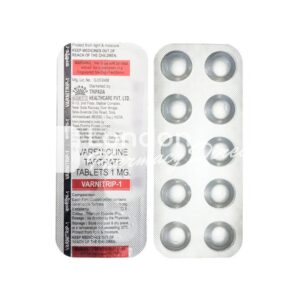
Varenicline is one of the most effective prescription medications available in the UK. This drug partially stimulates nicotine receptors whilst blocking nicotine from reaching them. This dual action reduces both cravings and the rewarding sensation if you do smoke. Treatment typically lasts 12 weeks, with higher success rates compared to willpower alone. Many smokers report that Champix significantly reduces their desire to smoke.
Bupropion (Zyban)
Bupropion is an antidepressant medication that reduces nicotine cravings and withdrawal symptoms. Originally developed as an antidepressant, it was discovered to help with smoking cessation. Zyban is particularly useful for smokers who experience depression or anxiety when attempting to quit. The medication must be prescribed by your GP and requires a 7-9 week treatment course.
Both medications require a prescription and should be discussed with your healthcare provider. Your GP will assess your medical history, current medications, and individual circumstances to determine which option suits you best. These prescription options often show higher success rates when combined with behavioural support.
Combination Therapy Approaches
Research demonstrates that combining different cessation methods significantly improves success rates. Many smokers benefit from using multiple NRT products simultaneously or combining NRT with prescription medications.
Effective Combination Strategies
Combination NRT often pairs a long-acting method with a short-acting option. For example, wearing a nicotine patch throughout the day provides baseline nicotine levels, whilst nicotine gum or lozenges address sudden cravings. This approach prevents peaks and troughs in nicotine levels, reducing withdrawal symptoms and cravings.
Medication Plus NRT combines prescription medications like Champix or Zyban with nicotine replacement therapy. This dual approach tackles addiction from multiple angles – the medication reduces cravings whilst NRT provides controlled nicotine without smoking. Your pharmacist or GP can advise whether this combination is appropriate for your circumstances.
Behavioural Support Integration enhances all pharmacological approaches. Combining medication or NRT with counselling, cognitive behavioural therapy, or support groups significantly increases quit rates. The NHS offers free Stop Smoking Services across the UK, providing trained advisors who work alongside your chosen medication or NRT.
Over-the-Counter Stop Smoking Products and Supplements
Numerous over-the-counter products are available without prescription, making them accessible choices for many smokers. These products vary in evidence base but offer additional options for your cessation journey.
Nicotine Products Available OTC include patches, gum, lozenges, nasal spray, and oral spray from brands such as Nicorette, NiQuitin, and Boots Nicotine range. These are accessible directly from pharmacies without requiring a prescription, though pharmacists can provide guidance on appropriate strengths and usage.
Herbal and Natural Products claim to support smoking cessation, though evidence varies. Some smokers find herbal throat lozenges, vitamin supplements, or herbal preparations helpful as psychological aids. Whilst these won’t replace nicotine dependency treatment, they may support your overall quit attempt.
Specialist Products include Stop Smoking mouthwash, herbal cigarettes, and breathing devices designed to address the behavioural habit of smoking. These address the hand-to-mouth action many smokers miss after quitting.
Professional Support and Resources Available in the UK
Successfully quitting smoking often requires professional guidance alongside medication or NRT. The United Kingdom offers extensive free and paid support services.
Support Services and Resources
- NHS Stop Smoking Services – Provide personalised support completely free of charge. Local services offer one-to-one counselling, group sessions, and telephone support. Your GP can refer you, or you can contact your local service directly. These services provide evidence-based support and can prescribe certain medications like Champix or Zyban.
- Pharmacist Support – Readily available across UK high streets. Your community pharmacist can advise on appropriate NRT options, explain proper usage techniques, and provide ongoing encouragement. Many pharmacies now offer specialist smoking cessation consultations.
- Online and Telephone Resources – Services like Quit.org.uk and the NHS Smokefree helpline offer free advice, downloadable resources, and support plans tailored to individual needs.
- Quit Smoking Apps – Help track progress, identify triggers, and manage cravings. These digital tools provide motivation through achievement milestones and often connect you with community support.
Starting your smoking cessation journey with professional support dramatically improves success rates. Combining appropriate medication or NRT with behavioural support creates a comprehensive approach to overcoming nicotine addiction. Whether you choose pharmacy-based support, NHS services, or a combination of resources, taking that first step towards a smoke-free life is an investment in your health and future.