
Sleeping Aids
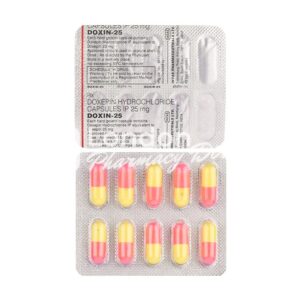
Doxepin
from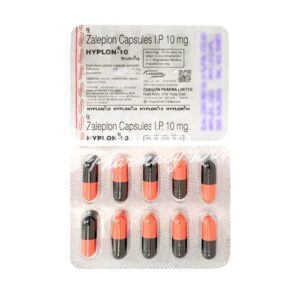
Hyplon
from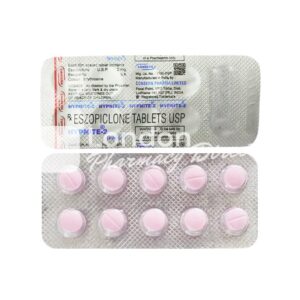
Hypnite
from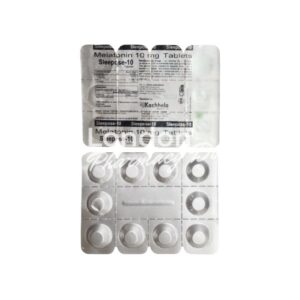
Sleepose
from
Zopiclone
fromUnderstanding Sleep Problems and When to Seek Help
Sleep difficulties affect millions of people across the UK, impacting their daily productivity, mood, and overall health. Insomnia, characterised by difficulty falling asleep or staying asleep, is one of the most common sleep disorders. Many people experience occasional sleeplessness due to stress, lifestyle changes, or environmental factors. However, chronic sleep problems can significantly affect your quality of life and wellbeing.
Common causes of poor sleep include anxiety, depression, shift work, caffeine consumption, and irregular sleep schedules. Before considering sleeping aids, it’s important to evaluate your sleep habits and environment. Simple changes like maintaining a consistent bedtime, reducing screen time before sleep, and creating a dark, quiet bedroom can make a substantial difference.
If you’ve tried lifestyle modifications without success and sleep problems persist for more than a few weeks, consulting your GP is advisable. Your healthcare provider can identify underlying conditions and recommend appropriate sleeping aids tailored to your specific needs.
Types of Sleeping Aids Available in the UK
The UK pharmacy market offers various sleeping aid options, ranging from over-the-counter products to prescription medications. Understanding the different types helps you make an informed choice with your pharmacist or doctor.
Antihistamines
Antihistamines are commonly available over-the-counter sleeping aids. Diphenhydramine and promethazine are popular antihistamine options used to promote sleep. These work by causing drowsiness as a side effect. Many multipack cold and flu remedies also contain antihistamines, making them readily accessible in supermarkets and pharmacies.
Herbal and Natural Remedies
Herbal and natural remedies have gained popularity in recent years. Valerian root, passionflower, and lavender are traditional herbal ingredients believed to promote relaxation and sleep. These products are available as tablets, capsules, and teas. Melatonin supplements are also sold in UK pharmacies and are used to regulate sleep-wake cycles, particularly helpful for shift workers and those experiencing jet lag.
Prescription Medications
Prescription medications such as benzodiazepines and non-benzodiazepine hypnotics are prescribed by doctors for more severe insomnia. Zopiclone, zaleplon, and zolpidem are commonly prescribed non-benzodiazepine options. These medications work quickly and are typically used for short-term management. Benzodiazepines like diazepam and temazepam are also prescribed but are usually reserved for acute situations due to potential dependency risks.
Over-the-Counter Sleeping Aid Products
Many effective sleeping aids can be purchased without a prescription from UK pharmacies and retailers. These products provide a convenient first option for those experiencing mild to moderate sleep difficulties.
Popular Over-the-Counter Options
Antihistamine-based products remain the most widely available option. Brands such as Nytol contain diphenhydramine, whilst others like Sominex use promethazine. These are available in various formats including tablets, capsules, and liquid formulations. They typically take 30 to 60 minutes to take effect and can help establish a regular sleep pattern.
Herbal sleep products offer a natural alternative for those preferring plant-based remedies. Boots Herbal Sleeping Aid, containing valerian and passionflower, is widely stocked. Pukka Night Time Tea combines chamomile, passionflower, and lavender for a relaxing bedtime beverage. Kalms Sleep tablets contain valerian root and are popular for their gentle approach to promoting sleep.
Combination products often contain multiple active ingredients to address various aspects of sleep difficulties. Some products combine antihistamines with herbal extracts to enhance effectiveness. These are ideal for those seeking a multi-action approach to sleep support.
Melatonin supplements are available as standalone products or combined with other ingredients. Circadin is a prescription-only melatonin product available on the NHS for those over 55 with insomnia, whilst lower-dose melatonin supplements are available without prescription for general use.
Prescription Sleeping Medications
When over-the-counter options prove insufficient, your GP may prescribe stronger sleeping medications. These are typically reserved for short-term use and require professional supervision due to their potency and potential side effects.
Types of Prescription Medications
Non-benzodiazepine hypnotics are often the first choice for prescription sleep medication. Zopiclone is one of the most commonly prescribed options in the UK. It works by slowing brain activity to allow sleep and is typically taken 30 minutes before bedtime. Zaleplon is another option with a shorter duration, making it suitable if you wake during the night. Zolpidem is prescribed for those struggling with sleep onset and maintenance.
Benzodiazepines such as temazepam and diazepam are prescribed for acute insomnia or in specific circumstances. These medications are effective but carry risks of dependency with prolonged use. They’re usually prescribed for short periods, typically 2 to 4 weeks, and are often reserved for situations where other medications haven’t worked.
Antidepressants are sometimes prescribed off-label for insomnia, particularly in patients with concurrent depression or anxiety. Amitriptyline, a tricyclic antidepressant, is frequently used due to its sedative properties. These medications work differently than traditional hypnotics and may take several weeks to show full effectiveness.
Melatonin receptor agonists like Circadin offer a newer approach to prescription sleep support. Designed specifically for age-related insomnia, these medications help regulate your natural sleep-wake cycle without the dependency risks associated with older medications.
Usage Guidelines and Safety Information
Using sleeping aids safely and effectively requires understanding proper usage, potential side effects, and interactions. Always follow the guidance provided with your medication or as advised by your healthcare professional.
Safe Usage Practices
- Over-the-counter products should generally be used according to package instructions, with antihistamine-based aids typically taken 30 to 60 minutes before your intended bedtime
- Herbal products may take several days of consistent use before you notice improvement
- Prescription medications require strict adherence to dosing instructions provided by your GP or on the prescription label
- Never increase your dose without medical advice or use products for extended periods without consulting your pharmacist
- Most prescription sleeping aids should only be used for short-term management, typically 2 to 4 weeks
Potential side effects vary depending on the medication type. Antihistamines may cause drowsiness the following day, dry mouth, and dizziness. Prescription hypnotics can cause headaches, dizziness, and in rare cases, complex sleep behaviours. Always report unusual side effects to your GP or pharmacist.
Drug interactions are important to consider. Sleeping aids can interact with alcohol, other medications, and certain foods. Always inform your pharmacist about all medications, supplements, and herbal products you’re taking. Alcohol should be avoided when taking any sleeping aid as it can enhance sedative effects and increase risks.
Establishing Good Sleep Habits Alongside Medication
Sleeping aids work most effectively when combined with good sleep hygiene practices. Developing healthy sleep habits supports long-term improvement and reduces dependency on medication.
Building Healthy Sleep Routines
Sleep schedule consistency is fundamental. Try to sleep and wake at the same time daily, even weekends. This helps regulate your body’s internal clock and improves sleep quality over time. Aim for 7 to 9 hours nightly, though individual needs vary.
Environmental optimisation creates ideal sleeping conditions. Keep your bedroom cool, dark, and quiet. Invest in comfortable bedding and consider blackout curtains or white noise machines if necessary. Remove electronic devices or use night mode settings to reduce blue light exposure before sleep.
A pre-sleep routine signals your body it’s time to sleep. Establish a calming routine 30 to 60 minutes before bedtime. This might include reading, gentle stretching, meditation, or a warm bath. Avoid stimulating activities, heavy meals, and caffeine in the evening.
Lifestyle factors significantly impact sleep quality. Regular daytime exercise improves sleep, but avoid vigorous exercise close to bedtime. Limit caffeine intake, particularly after 2 PM. Manage stress through relaxation techniques, and consider cognitive behavioural therapy for insomnia if problems persist.
Regular check-ins with your GP ensure your medication remains appropriate and effective. Your healthcare provider can adjust treatments as needed and help you gradually reduce medication whilst maintaining improved sleep patterns.