
COVID-19

Hydroxychloroquine
from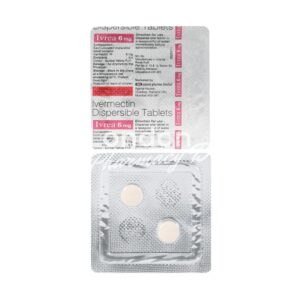
Ivermectin
from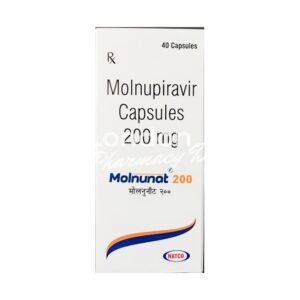
Lagevrio
from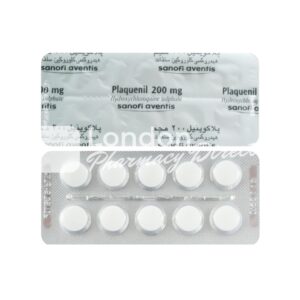
Plaquenil
from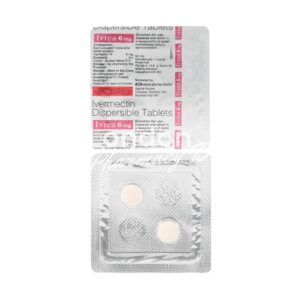
Stromectol
from
Zithromax
fromUnderstanding COVID-19 and Its Symptoms
COVID-19 is a respiratory illness caused by the SARS-CoV-2 virus that has affected millions of people worldwide. The condition ranges from mild to severe, and understanding its symptoms is crucial for early identification and treatment. Common symptoms include a persistent dry cough, fever, tiredness, and difficulty breathing. Some people may also experience loss of taste or smell, sore throat, headaches, or body aches.
Symptoms can appear between 2 to 14 days after exposure to the virus. Most people with COVID-19 recover within a few weeks, whilst others may experience prolonged symptoms known as “long COVID.” It’s important to recognise these signs early and seek appropriate medical advice. If you experience severe symptoms such as chest pain, confusion, or inability to stay awake, you should contact emergency services immediately.
Testing remains an important step in confirming COVID-19 and helping to prevent transmission to others in your household and community.
COVID-19 Testing and Diagnosis
Testing is essential for confirming whether you have COVID-19. The NHS provides free lateral flow tests and PCR tests to eligible individuals. Lateral flow tests are rapid antigen tests that provide results within 15 to 30 minutes, making them convenient for home use. PCR tests are more accurate and are processed in laboratories, typically providing results within 24 to 48 hours.
Private testing options are also available through various healthcare providers and pharmacies across the United Kingdom. Pharmacy teams can often advise on the most suitable testing option for your circumstances. Self-testing kits are widely available and allow you to conduct tests at home with clear instructions provided.
If you test positive, it’s important to inform close contacts and follow isolation guidance from the NHS. Testing is particularly important if you work in healthcare, education, or care settings, or if you have symptoms that concern you. Home testing provides privacy and convenience, whilst professional testing may be recommended if you have severe symptoms or underlying health conditions.
Medications and Treatments Available in the UK
Several medications are available in the United Kingdom to help manage COVID-19 symptoms and support recovery. Over-the-counter options can help relieve common symptoms whilst your body fights the infection.
Over-the-Counter Medications
Paracetamol remains a popular option for reducing fever and managing aches and pains associated with COVID-19. Ibuprofen is also available without prescription and can help with pain relief and inflammation, though guidance should be sought from pharmacists regarding its use in individual cases. Cough suppressants and expectorants are available to help manage persistent coughs, which are common with COVID-19. Throat lozenges and honey-based products can provide comfort for sore throats. Antihistamines may help with congestion and sinus symptoms.
Prescription Medications and Support Measures
For those with more severe cases, the NHS may prescribe antiviral medications such as Paxlovid or molnupiravir, which are designed to reduce the severity of illness and hospitalisation risk. These prescription medications are typically offered to people aged 75 and over, those with weakened immune systems, or those at higher clinical risk.
Vitamin supplements, particularly vitamin C and vitamin D, are often recommended as supportive measures, though they should not replace medical treatment. Always consult with a pharmacist or healthcare professional before taking any medication, especially if you’re already taking other medicines or have underlying health conditions.
Vaccination and Prevention Strategies
COVID-19 Vaccination Programme
Vaccination remains the most effective way to prevent severe COVID-19 and reduce hospitalisation risk. The NHS offers COVID-19 vaccines to all adults and many children across the United Kingdom. Various vaccines are available, including Pfizer-BioNTech, Moderna, Oxford-AstraZeneca, and others, all approved by the Medicines and Healthcare products Regulatory Agency.
The primary vaccination programme typically involves two doses, with booster vaccines recommended for certain groups. Vaccines are free on the NHS for eligible people, and pharmacies provide convenient vaccination services in many communities. Eligibility for boosters depends on age, health status, and time since previous doses. Pregnant women are encouraged to have the vaccine to protect themselves and their babies. People with certain health conditions or weakened immune systems may be offered additional doses.
Prevention Measures
Beyond vaccination, several prevention strategies can help reduce your risk of infection:
- Maintain good hand hygiene by washing your hands regularly with soap and water for at least 20 seconds
- Cover your mouth and nose when coughing or sneezing using a tissue or your elbow
- Maintain good ventilation indoors by opening windows and doors regularly
- Wear face masks in crowded or healthcare settings, particularly during peak transmission periods
- Isolate if you test positive, typically for five days from symptom onset or positive test result
- Maintain healthy lifestyle choices such as regular exercise, adequate sleep, and a balanced diet to support your immune system
Managing Long COVID and Recovery
Some people experience symptoms that persist beyond the initial COVID-19 infection, a condition known as long COVID or post-COVID syndrome. Common persistent symptoms include fatigue, breathlessness, brain fog, joint pain, and heart palpitations. These symptoms can significantly affect quality of life and work capacity, lasting weeks or months after the initial illness.
The NHS provides guidance and support through dedicated clinics for people with long COVID. Healthcare professionals can help diagnose long COVID and recommend appropriate management strategies tailored to individual symptoms. Rehabilitation services may include physiotherapy for those with breathing difficulties or reduced exercise tolerance.
Mental health support is also important, as many people with long COVID experience anxiety or depression related to their ongoing symptoms. Graded exercise therapy and cognitive behavioural therapy have shown benefits in some cases, though individual responses vary. Medications may be prescribed to manage specific symptoms such as pain, fatigue, or breathing difficulties.
Lifestyle adjustments including pacing activities, adequate rest, and stress management are important components of recovery. Keeping in contact with your GP is essential, as new treatment options and support services continue to develop. Support groups and online communities can provide valuable peer support and practical advice from others with long COVID experience.
Information and Support Resources
Reliable information and professional guidance are essential for managing COVID-19 effectively. Several resources are available to support you throughout your recovery journey.
The NHS website provides comprehensive, regularly updated information about COVID-19, including symptoms, testing, treatment, and vaccination. Your local pharmacy team is an excellent resource for advice about over-the-counter medications, symptom management, and vaccine eligibility. GP practices can assess individual circumstances and provide personalised medical advice. NHS 111 offers telephone guidance for those uncertain about their symptoms or unsure whether they need emergency care.
The UK Health Security Agency publishes current epidemiological data and guidance on COVID-19 transmission and prevention. Occupational health services can advise those working in healthcare, education, or care settings about workplace-specific protocols. Employers may offer occupational health support and guidance on returning to work after COVID-19.
Charities and voluntary organisations support people with long COVID, offering information and community resources. Healthcare professionals continue to monitor new variants and evolving guidance, which is communicated through official NHS channels. Staying informed through reliable sources helps you make appropriate decisions about testing, treatment, and prevention. Your pharmacy team remains available to discuss any concerns about COVID-19, medications, or vaccines, providing accessible health advice in your local community.