
Antibiotics
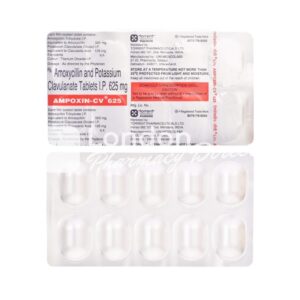
Augmentin
from
Zithromax
from
Ciproxin
from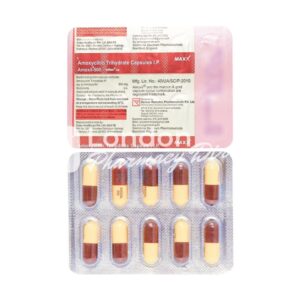
Amoxil
from
Cefalexin
from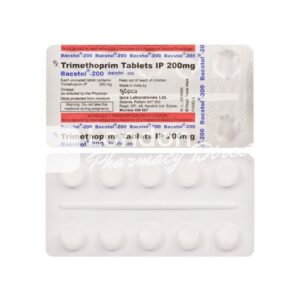
Bactrim
from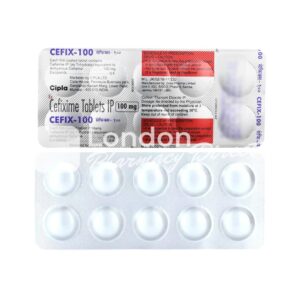
Suprax
from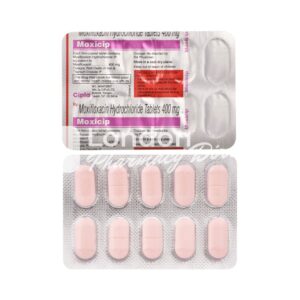
Avelox
from
Flagyl
from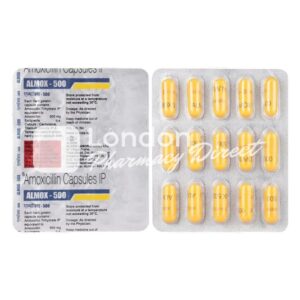
Amoxicillin
from
Rifampin
from
Doxycycline
from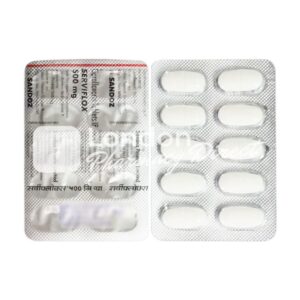
Ciprofloxacin
from
Metronidazole
from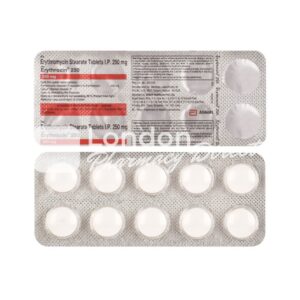
Erythromycin
from
Exocin
fromWhat Are Antibiotics and How Do They Work?
Antibiotics are powerful medicines designed to fight bacterial infections in the human body. These medications work by either killing bacteria directly or stopping them from multiplying and spreading. Different antibiotics target different types of bacteria, which is why your doctor prescribes specific ones based on the type of infection you have.
There are several ways antibiotics combat bacteria. Some antibiotics damage the bacterial cell wall, causing the bacteria to die. Others interfere with the bacteria’s ability to produce proteins or replicate their DNA. Understanding how antibiotics work helps explain why you must complete the full course of treatment, even if you feel better after a few days. Stopping early can allow remaining bacteria to develop resistance to the medication.
Antibiotics have revolutionised modern medicine since their discovery. They treat everything from minor skin infections to serious pneumonia and urinary tract infections. However, it’s crucial to use them responsibly, as overuse and misuse contribute to antibiotic resistance, a growing health concern worldwide.
Common Types of Antibiotics Available in the UK
Penicillins and Beta-Lactams
Penicillin-based antibiotics remain among the most commonly prescribed in the United Kingdom. Amoxicillin is one of the most popular choices, available as tablets, capsules, and liquid suspension. It’s effective against various bacterial infections including ear infections, throat infections, and urinary tract infections. Penicillin V is another commonly prescribed variant, particularly for strep throat and dental infections. Co-amoxiclav (a combination of amoxicillin and clavulanic acid) is prescribed when standard amoxicillin might not be strong enough.
Cephalosporins
Cephalosporins are similar to penicillins and work well for patients who need a broader spectrum of coverage. Cephalexin is frequently dispensed in UK pharmacies for skin infections, respiratory tract infections, and urinary tract problems. These antibiotics are generally well-tolerated and come in various strengths suitable for different age groups.
Macrolides
Azithromycin and erythromycin represent the macrolide class of antibiotics. Azithromycin is particularly popular for chest infections, whooping cough, and certain sexually transmitted infections. It’s available as tablets and as a liquid suspension for children. These antibiotics are often chosen for patients with penicillin allergies.
Fluoroquinolones
Ciprofloxacin is a widely used fluoroquinolone antibiotic in the UK, particularly effective against urinary tract infections and certain respiratory infections. Levofloxacin is another option in this class. These antibiotics are powerful broad-spectrum agents but are typically reserved for cases where other antibiotics aren’t suitable.
Tetracyclines
Doxycycline is an extremely common tetracycline antibiotic prescribed across the UK. It’s used for acne, chest infections, urinary tract infections, and Lyme disease. Tetracyclines are often favoured for certain conditions because they’re well-absorbed and have good penetration into tissues.
Conditions Treated with Antibiotics
Respiratory Infections
Chest infections, bronchitis, and pneumonia are commonly treated with antibiotics when caused by bacteria. Conditions like acute exacerbation of chronic bronchitis often require courses of amoxicillin or azithromycin. Pneumonia, depending on severity, might require stronger antibiotics like fluoroquinolones or cephalosporins.
Urinary Tract Infections
Urinary tract infections (UTIs) are among the most frequent bacterial infections treated with antibiotics. Nitrofurantoin and trimethoprim are first-line treatments in the UK for uncomplicated cystitis. For more complicated cases or pyelonephritis, doctors often prescribe fluoroquinolones or cephalosporins. These infections are particularly common in women and can cause significant discomfort if left untreated.
Skin and Soft Tissue Infections
Minor cuts, wounds, and skin infections like impetigo respond well to topical and oral antibiotics. Flucloxacillin is commonly prescribed for skin infections caused by Staphylococcus bacteria. Cellulitis, a more serious skin infection, typically requires oral antibiotics like penicillins or cephalosporins.
Throat and Ear Infections
Strep throat and other bacterial throat infections are treated with penicillin V or amoxicillin. Ear infections in children and adults often require antibiotics, with amoxicillin being a first-line choice. Dental infections and abscesses frequently necessitate antibiotic therapy alongside dental treatment.
Sexually Transmitted Infections
Certain sexually transmitted infections require antibiotic treatment. Chlamydia is commonly treated with azithromycin or doxycycline. Gonorrhoea requires stronger antibiotics, often given as injections combined with oral medication.
Using Antibiotics Safely and Effectively
Completing Your Course
One of the most important rules when taking antibiotics is to complete the entire prescribed course, even if symptoms disappear. Stopping early allows resistant bacteria to survive and multiply, potentially causing a relapse of infection. A typical course might last seven to ten days, depending on the infection type and antibiotic prescribed. Set reminders on your phone if this helps you remember to take doses regularly.
Taking Antibiotics Correctly
Always take antibiotics exactly as prescribed by your doctor or as instructed on the packaging. Some antibiotics must be taken with food, whilst others work better on an empty stomach. Spacing doses evenly throughout the day helps maintain consistent levels of medication in your bloodstream. If you forget a dose, take it as soon as you remember, unless it’s almost time for your next dose—never double up.
Potential Side Effects
Common side effects include nausea, diarrhoea, and allergic reactions. Most side effects are mild and temporary. However, if you experience severe allergic reactions like difficulty breathing or facial swelling, seek emergency help immediately. Inform your doctor if you’re experiencing significant side effects, as alternative antibiotics might be available.
Drug Interactions
Always inform your doctor about other medications you’re taking, as some drugs interact with antibiotics. Certain antibiotics can reduce the effectiveness of contraceptive pills, so use additional contraception during your course. Discuss any herbal supplements or over-the-counter medications as well.
Antibiotic Resistance and Responsible Use
Antibiotic resistance occurs when bacteria evolve and become immune to antibiotics that previously killed them. This serious global health threat develops when antibiotics are overused, misused, or used inappropriately. Taking antibiotics when you have a viral infection (like colds or flu) contributes to resistance because antibiotics don’t treat viral infections.
To combat resistance, follow these essential guidelines:
- Use antibiotics only when prescribed by a healthcare professional
- Never share antibiotics with others or use leftover antibiotics from previous treatments
- Complete the entire course as prescribed for your specific infection
- Don’t pressure your doctor to prescribe antibiotics if they believe your condition is viral
- Report any symptoms that don’t improve after your course finishes
Public health campaigns across the UK emphasise responsible antibiotic use. Your local pharmacy provides excellent resources and advice about using these medications wisely. Healthcare professionals continually monitor resistance patterns to adjust treatment guidelines accordingly.
When to Contact Your Doctor About Antibiotics
Symptoms Not Improving
If your symptoms haven’t improved after three to four days of taking antibiotics, contact your doctor. This might indicate that the prescribed antibiotic isn’t effective against your particular infection, requiring a different medication or further investigation.
Allergic Reactions
Any signs of allergic reaction warrant immediate medical attention. Even if you’ve taken penicillin before without problems, allergies can develop. Common signs include rash, itching, swelling, or difficulty breathing.
Severe Side Effects
Whilst mild nausea or diarrhoea might be expected, severe symptoms require medical advice. Persistent diarrhoea can indicate a serious condition called C. difficile infection and needs immediate attention.
Pregnancy and Breastfeeding
If you’re pregnant or breastfeeding, inform your doctor before taking antibiotics, as some aren’t safe during these periods. Fortunately, many antibiotics are considered safe for both pregnant women and nursing mothers when prescribed appropriately.