Quetiapine
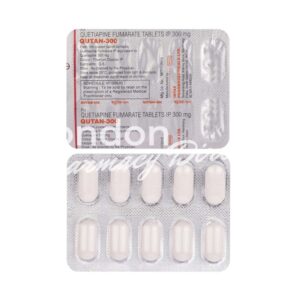
In brief
- Quetiapine tablets sold by London Pharmacy Direct range from 25mg (packs of 30 to 360) through 50mg and 100mg (30 to 180) to 200mg (30 to 120) and 300mg (30 to 90); UK delivery is 9–21 days.
- Acting on both dopamine and serotonin receptors, this second-generation antipsychotic is used in schizophrenia, in mania, and in the depressive phase of bipolar disorder.
- It is not licensed for behavioural symptoms in dementia, because older patients face a higher chance of stroke and death; any increase in dose should be agreed with the care team.
- Taking it alongside strong CYP3A4 inhibitors, including clarithromycin, ketoconazole and certain HIV drugs, is contraindicated, and the heart tracing may show a longer QT interval.
- Weight gain, constipation and a racing heartbeat are common; stopping suddenly can cause sleeplessness and sickness, and fever or a sore throat needs reporting straight away. It is a POM.
Basic quetiapine information
- INN (international nonproprietary name): Quetiapine
- Brand names available in the United Kingdom: Seroquel, Seroquel XL (prolonged-release), and generic quetiapine tablets
- ATC code: N05AH04
- Forms and dosages: immediate-release tablets 25 mg, 100 mg, 150 mg, 200 mg, 300 mg (generics also 50 mg); prolonged-release tablets 50 mg, 150 mg, 200 mg, 300 mg, 400 mg
- Manufacturers in the United Kingdom: AstraZeneca (Seroquel) and several generic manufacturers
- Registration status in the United Kingdom: Licensed by the MHRA; prescription-only medicine
- OTC / Rx classification: Prescription-only medicine (POM)
Everyday use and best practices
Morning vs evening dosing
Most people ask the same practical question first: should quetiapine be taken in the morning or at night?
Quetiapine is often taken in the evening because drowsiness is common, and that can make daytime tasks harder.
Some people on Seroquel XL or quetiapine XL are advised to take it once daily at the same time each day.
In the UK, the right timing often has to fit around work, school runs, and family routines, not just the label on the box.
If it makes you sleepy, avoid taking it just before driving or before a shift that needs concentration.
Quetiapine is available as immediate-release tablets (25 mg to 300 mg) and as prolonged-release tablets in 50 mg, 150 mg, 200 mg, 300 mg and 400 mg strengths.
That range makes dose changes easier for prescribers, but it also means the dosing routine should be followed carefully.
Taking with or without meals
Quetiapine can usually be taken with or without food, so there is no special British diet restriction to worry about.
Some people prefer taking it with breakfast, tea, or a light supper simply because it helps them stick to a daily routine.
What matters most is consistency, especially when the prescribed dose is changed gradually over time.
Alcohol is the main thing to avoid, because it can add to sedation and dizziness.
- Set phone reminders for your daily routine.
- Keep tablets in their original packaging so strength and expiry date stay clear.
- Check NHS repeat prescriptions before you run out.
- Plan ahead if you work nights or rotate shifts.
- Ask your pharmacist if your quetiapine tablets have changed manufacturer.
Safety priorities
Who should avoid it
Before starting quetiapine, the key question is whether anything in your history makes it unsuitable or needs closer monitoring.
It should not be used if you have a known allergy to quetiapine or to any of the excipients in the tablet.
Extra caution is needed with certain strong CYP3A4 inhibitors, because they can raise quetiapine levels and increase side effects.
UK prescribers also review heart rhythm problems, liver disease, seizures, diabetes, and dementia-related psychosis before continuing treatment.
Common quetiapine side effects include drowsiness, dizziness or orthostatic hypotension, dry mouth, weight gain, constipation, mild tachycardia and headache.
That is why a prescription review matters, even when the medicine has been working well for a long time.
Activities to limit
Sedation and dizziness can affect driving, using machinery, and jobs involving ladders, tools, or lone working.
NHS-style advice is simple: see how you react before you drive, especially after a dose increase or a formulation change.
Older adults may need slower dose increases because they are more likely to feel the blood-pressure drop when standing.
- Avoid driving until you know your response.
- Avoid alcohol, cannabis, and recreational drugs.
- Avoid hot baths if you already feel dizzy.
- Stand up slowly rather than moving quickly from sitting or lying down.
- Avoid hazardous work if you feel sleepy, foggy, or unsteady.
Dosage and adjustments
General regimen
Quetiapine is usually started low and increased over several days, because titration helps reduce side effects.
For adults with schizophrenia, a common starting point is 50 mg twice daily with immediate-release tablets, with a typical target of 300 to 400 mg per day.
For bipolar disorder, dosing may begin at 50 mg once or twice daily, while adjunct use in depression can be up to 300 mg per day in some settings.
The exact schedule depends on whether the product is immediate-release or extended-release, and quetiapine tablets should be swallowed whole if they are prolonged-release.
| Formulation | How it is usually taken | Practical point |
|---|---|---|
| Immediate-release | Divided doses | May be increased step by step over several days |
| Extended-release | Once daily | Swallow whole, do not crush or chew |
Special cases
Older adults, people with liver impairment, and patients taking several medicines often need lower starting doses and slower titration.
Elderly patients may start around 25 mg twice daily, while liver impairment often needs about 25 mg daily at first.
Renal adjustment is usually not major, but monitoring is still advised, especially if there are other health issues.
Children are not approved under certain age thresholds, so specialist advice is essential before any use in younger patients.
- Tell your prescriber about all medicines, including over-the-counter products.
- Mention falls, fainting, diabetes, and any history of low blood pressure.
- Ask about pregnancy or breastfeeding before starting or continuing treatment.
- Say if you have liver problems or a past seizure.
Legal status and availability in the UK
Quetiapine is a prescription-only medicine (POM) in the UK.
In our online pharmacy, quetiapine is available with discreet delivery to the United Kingdom in 9–21 days.
What’s inside and how it works
Ingredients overview
The active ingredient is quetiapine, and the best-known brands are Seroquel and Seroquel XL.
In the UK, multiple generics are available, usually as immediate-release or prolonged-release oral tablets.
Quetiapine is classed as an atypical antipsychotic, also called a second-generation antipsychotic, with ATC code N05AH04.
Mechanism basics explained simply
In plain English, quetiapine changes the activity of certain brain receptors involved in mood, thinking and sleep.
That is why it can reduce hallucinations, stabilise mood and help some people feel less agitated.
Simple explainer: different doses and formulations can feel different, because the effect depends on the diagnosis, the tablet type and how your body responds.
Main indications
Approved uses
People often want to know why quetiapine was prescribed and what should improve first.
In the UK, the main licensed uses are schizophrenia and bipolar disorder, including bipolar mania and bipolar depression.
For schizophrenia and maintenance treatment, it may be used long term, often for years, with regular dose review.
For bipolar episodes, it is often used over weeks to months, then reviewed for maintenance treatment.
| Condition | Usual role | Expected timeframe |
|---|---|---|
| Schizophrenia | Control symptoms and support maintenance | Long term, often years |
| Bipolar mania | Reduce acute symptoms | Weeks to months |
| Bipolar depression | Support symptom control | Weeks to months |
Off-label uses in UK clinics
Prolonged-release quetiapine (Seroquel XL) is licensed as add-on treatment in major depressive disorder when the response to an antidepressant is inadequate; other uses, such as other adjunct or sleep-related uses, are off label and decided individually.
Off-label does not mean unsafe, but it does mean the benefit-risk balance needs proper review.
Some people know the medicine as Seroquel or Seroquel XL rather than quetiapine, especially if they have used the brand before.
Interaction warnings
Food interactions
Alcohol is the main food or drink concern because it can increase sedation and dizziness.
Tea and coffee do not usually interact directly with quetiapine, but too much caffeine can make sleep and anxiety harder to manage.
Typical UK habits such as evening alcohol, strong tea and late-night snacks can all affect how people feel on treatment.
- Discuss alcohol use before starting or increasing the dose.
- Check caffeine intake if sleep is already poor.
- Be careful with late-night eating if weight gain is becoming a problem.
- Tell the pharmacist about any medicines bought for colds or flu.
Drug conflicts
Always tell the prescriber or pharmacist about antidepressants, sleeping tablets, opioids, antihistamines and Parkinson’s medicines.
Strong CYP3A4 inhibitors and heart rhythm medicines are especially important interaction categories.
Suspected side effects can be reported through the Yellow Card scheme, which helps track side effects in real-world use.
Alternative choices
NHS prescribing alternatives with pros and cons checklist
If quetiapine is not a good fit, the main alternatives in UK practice include olanzapine, risperidone, aripiprazole and clozapine.
The best option depends on diagnosis, previous response, pregnancy plans, heart history and how well the person tolerates quetiapine.
- Olanzapine: may suit people needing strong symptom control, but may be less suitable if weight gain is already a concern.
- Risperidone: may be useful if sedation is a problem, but movement side effects may need watching.
- Aripiprazole: may be better if weight gain is a major issue, but can feel less sedating.
- Clozapine: may be the specialist option for treatment-resistant illness, but monitoring is more demanding.
Switching medicines should be done by the GP, psychiatrist or specialist team, not by changing tablets yourself.
Regulation snapshot
MHRA approval and NHS prescribing framework
Quetiapine is a prescription only medicine in the UK and sits within the usual MHRA and NHS prescribing framework.
The GP, psychiatrist and community pharmacist all play a role in starting, continuing and reviewing treatment.
UK packaging may vary by manufacturer, and branded and generic options are both used in practice.
Local formulary choices can also affect which product is supplied.
| Role | What they do |
|---|---|
| Prescriber | Chooses the medicine, dose and review plan |
| Pharmacist | Checks interactions, supply, storage and counselling points |
| Patient | Takes the medicine consistently and reports side effects early |
FAQ
Common UK patient questions
Can I take quetiapine at night? Often yes, especially if drowsiness is an issue, but follow your prescriber’s instructions.
What if I miss a dose? Take it when you remember unless it is nearly time for the next dose, and do not double up.
Can I drive on quetiapine? Only when you know it does not make you sleepy or dizzy, and you are safe to drive.
Is quetiapine the same as Seroquel? Yes, Seroquel is a brand name for quetiapine.
Guidelines for proper use
UK pharmacist counselling style
Take quetiapine consistently, do not stop suddenly without advice, and keep it in the original packaging.
Store it at room temperature, protect it from moisture and light, and check expiry dates before using a box that has been stored away for a while.
Pharmacists in the UK often support medicines optimisation, repeat prescription checks and advice on side effects.
Contact a clinician urgently if overdose symptoms appear, including drowsiness, fast pulse, low blood pressure or collapse.
- Keep tablets in their original pack.
- Use phone alarms or a pill organiser if appropriate.
- Set a reminder for repeat prescriptions.
- Do not ignore repeated missed doses.
- Ask early if sedation or weight gain is affecting daily life.
NHS patient support advice
Support is usually available through the GP, mental health team, pharmacist and urgent care services if symptoms become severe.
If your routine keeps slipping, or if side effects are making it hard to work, sleep or parent, say so early rather than waiting for the next review.
Practical support and honest feedback make it much easier to keep quetiapine treatment safe and manageable day to day.
Delivery across the United Kingdom
| City | Region | Delivery time |
|---|---|---|
| London | Greater London | 9–21 days |
| Birmingham | West Midlands | 9–21 days |
| Manchester | North West England | 9–21 days |
| Glasgow | Scotland | 9–21 days |
| Edinburgh | Scotland | 9–21 days |
| Leeds | West Yorkshire | 9–21 days |
| Liverpool | North West England | 9–21 days |
| Bristol | South West England | 9–21 days |
| Newcastle upon Tyne | North East England | 9–21 days |
| Nottingham | East Midlands | 9–21 days |
| Sheffield | South Yorkshire | 9–21 days |
| Leicester | East Midlands | 9–21 days |
| Cardiff | Wales | 9–21 days |
| Belfast | Northern Ireland | 9–21 days |