Suprax
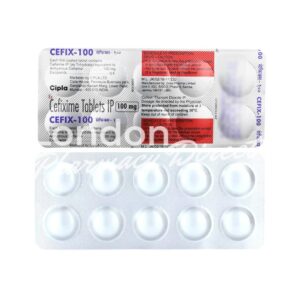
In brief
- In our pharmacy, you can buy Suprax without a prescription, with delivery available across the United Kingdom in 9–21 days and discreet, anonymous packaging.
- Suprax (cefixime) is used to treat a range of bacterial infections including uncomplicated urinary tract infections, otitis media, pharyngitis/tonsillitis, and acute bronchitis; it is a third‑generation cephalosporin that inhibits bacterial cell‑wall synthesis by binding to penicillin‑binding proteins, producing bactericidal activity.
- Usual dose: adults 400 mg once daily or 200 mg every 12 hours; children (from 6 months) 8 mg/kg once daily or 4 mg/kg every 12 hours; reduce dose by 50% if creatinine clearance <60 mL/min; not recommended for infants under 6 months.
- Form of administration: oral only — tablets (commonly 400 mg), chewable tablets (100 mg, 200 mg) and oral suspension (100 mg/5 mL, 200 mg/5 mL).
- Onset time: bactericidal activity begins once adequate blood levels are reached within a few hours; symptomatic improvement is often noticed within 24–48 hours.
- Duration of action: plasma half‑life is about 3–4 hours, but the drug’s activity supports once‑daily dosing for many infections; typical treatment courses last 5–10 days.
- Alcohol warning: no specific disulfiram‑like interaction is reported, but avoid alcohol as it may worsen side effects such as dizziness, nausea or stomach upset and can delay recovery.
- The most common side effect is diarrhoea.
- Would you like to try Suprax without a prescription?
Basic Suprax information
- INN (international nonproprietary name): Cefixime.
- Brand names available in the United Kingdom: Suprax; generic cefixime.
- ATC code: J01DD08.
- Forms and dosages: Tablets 400 mg; chewable tablets 100 mg and 200 mg; oral suspension 100 mg/5 mL and 200 mg/5 mL.
- Registration status in the United Kingdom: Prescription-only medicine (POM); supply is controlled under MHRA rules.
- OTC / Rx classification: Prescription-only medicine (POM)
Follow your NHS prescriber or pharmacist advice first.
Suprax is prescription-only in the UK; do not self-prescribe.
- Keep a written record: note dose times, allergies and any side effects to report at GP or pharmacy visits.
- Checklist suggestion: medicine name, dose, time taken, allergy status, any new symptoms.
- Storage: store tablets at room temperature (15–30°C) and refrigerate reconstituted suspension; discard after 14 days.
- Allergy warning: if you have severe penicillin or cephalosporin allergy, do not take Suprax and seek urgent care for breathing difficulty or facial swelling.
If you develop severe diarrhoea, especially with blood or fever, contact NHS 111 or your GP because of the risk of Clostridioides difficile.
What to do:
- New severe diarrhoea with fever or blood → contact NHS 111 / GP urgently.
- Mild diarrhoea only → stay hydrated and report at next GP or pharmacy visit.
- Any rash, swelling or breathlessness → call 999 immediately.
Everyday use and best practices
Morning versus evening dosing
Patients often wonder whether to take suprax in the morning or evening.
For once‑daily regimens, a 400 mg dose taken with breakfast is convenient for many people in the UK and helps adherence.
When prescribed 200 mg twice daily, choose two stable anchors such as breakfast and bedtime to avoid missed doses.
Use a daily pillbox or phone alarm to keep a written record of dose times.
For a single‑dose treatment for gonorrhoea, take the dose exactly as directed by the clinic.
Taking with or without meals (UK diet habits)
Suprax can be taken with or without food, so meals do not usually affect absorption significantly.
If you get a sensitive stomach after a typical UK breakfast like tea and toast, take the tablet with food to reduce nausea.
Children’s suspension should be measured with the supplied spoon or oral syringe and never a kitchen teaspoon.
Do not drink heavily while on antibiotics as alcohol can worsen dizziness or stomach upset.
- Do: set alarms, use pillboxes, measure paediatric doses precisely.
- Don’t: substitute kitchen teaspoons for supplied measuring devices or double up if you miss a dose.
Safety priorities
Who should avoid it (MHRA warnings)
Do not take suprax if you have a known severe hypersensitivity to cefixime, other cephalosporins or any excipient in the product.
If you have a history of severe penicillin allergy, tell your prescriber because cross‑reactivity is possible.
Renal impairment requires caution and dose adjustment; reduce dose by about 50% when creatinine clearance is under 60 mL/min.
Pregnant or breastfeeding women should discuss risks and benefits with their prescriber before starting cefixime.
Activities to limit (driving, work safety)
Suprax does not commonly cause sedation, but dizziness and headache are reported by some patients.
Avoid driving or operating heavy machinery until you know how the antibiotic affects you.
If you develop severe diarrhoea or dehydration, avoid work involving physical exertion until recovered.
- Red flags: rash, facial swelling, breathlessness → seek urgent care or call 999.
- Contraindications: severe cephalosporin allergy; history of Stevens‑Johnson or severe reactions to antibiotics.
Dosage and adjustments
General regimen (NHS guidance)
Standard adult regimens include 400 mg once daily or 200 mg every 12 hours depending on the infection.
Typical treatment durations range from 5 to 10 days, (a single dose was historically used for uncomplicated gonorrhoea but is rarely recommended now).
Follow the written prescription label exactly and clarify any uncertainty with your GP or pharmacist.
Special cases (elderly, comorbidities)
Reduce the dose by 50% when creatinine clearance is less than 60 mL/min; discuss specific adjustments with your prescriber.
Elderly patients do not require a formal standard dose change but need renal monitoring because kidney function often declines with age.
Paediatric dosing is weight‑based: about 8 mg/kg once daily or 4 mg/kg every 12 hours, and suspension or chewables should be used accordingly.
| Category | Typical dose |
|---|---|
| Adult | 400 mg once daily or 200 mg q12h |
| Paediatric (≥6 months) | 8 mg/kg once daily or 4 mg/kg q12h |
| Renal impairment | Reduce dose by ≈50% if CrCl <60 mL/min |
Legal status and availability in the UK
Suprax (cefixime) is a prescription-only medicine (POM) in the UK.
In our online pharmacy, Suprax is available without a prescription, with discreet delivery to the United Kingdom in 9–21 days.
What’s inside and how it works
Ingredients overview
The active ingredient is cefixime, a third‑generation cephalosporin antibiotic.
Common forms include 400 mg tablets, chewables at 100 mg and 200 mg, and oral suspensions 100 mg/5 mL or 200 mg/5 mL for children.
Excipients depend on the manufacturer; always check the patient information leaflet or ask your pharmacist for excipient lists if you have sensitivities.
Mechanism basics explained simply
Cefixime interferes with bacterial cell wall synthesis, causing susceptible bacteria to die, which controls infection.
It is active against a range of community pathogens but not effective for viral infections such as colds or influenza.
Common side effects are diarrhoea, abdominal pain and rash; serious allergic reactions and C. difficile colitis are rare but important.
Main indications
Approved uses (MHRA listing)
Typical indications include uncomplicated urinary tract infections, acute otitis media, pharyngitis/tonsillitis and some bronchial infections.
Cefixime was historically used as a single 400 mg dose for uncomplicated gonorrhoea, but rising resistance has changed this, so current UKHSA and NICE guidance should be checked.
Prescribing follows local NHS and MHRA guidance and antimicrobial stewardship policies.
Off‑label uses in UK clinics
Clinicians may sometimes use cefixime as an oral step‑down from IV therapy or where alternatives are unsuitable, with documented rationale.
Off‑label prescriptions are clinician‑led, with informed patient consent and consideration of local resistance patterns.
| Indication | Usual adult dose | Typical duration |
|---|---|---|
| Uncomplicated UTI | 400 mg once daily or 200 mg q12h | 5–10 days |
| Otitis media | 400 mg once daily | 5–10 days |
| Gonorrhoea | Historical single 400 mg dose; check current guidance | Single dose |
Interaction warnings
Food interactions (alcohol, tea/coffee)
Suprax has no major food interactions; it can be taken with or without food.
Avoid excessive alcohol while taking antibiotics as it can worsen dizziness and gastrointestinal side effects.
Tea and coffee do not cause clinically relevant interactions but keeping well hydrated helps reduce GI upset.
Drug conflicts
There are relatively few major drug interactions, but always tell your pharmacist about all medicines, OTCs and supplements you use.
Co‑administration with nephrotoxic drugs requires renal monitoring and prescriber awareness.
If you suspect an adverse reaction, report it via the MHRA Yellow Card scheme; pharmacists can assist with submissions.
- Medicines to mention: nephrotoxic agents, diuretics, other antibiotics, immunosuppressants.
Alternative choices
NHS prescribing alternatives with pros/cons checklist
Common alternatives include nitrofurantoin, amoxicillin (with or without clavulanate), cefuroxime and macrolides depending on indication and resistance.
Nitrofurantoin is preferred for lower UTIs when appropriate, while amoxicillin/clavulanate offers broader coverage at the cost of more GI upset.
- Cefixime (Suprax): once‑daily option, good oral bioavailability, broader spectrum.
- Nitrofurantoin: narrow‑spectrum for lower UTI; not suitable for pyelonephritis.
- Amoxicillin/clavulanate: broad coverage; higher risk of diarrhoea.
When prescribers choose Suprax over others
Prescribers may pick suprax for patients needing an oral third‑generation cephalosporin, for penicillin allergy situations after weighing cross‑reactivity and benefit, or for oral step‑down therapy.
Decisions balance likely pathogen, local resistance, side‑effect profiles and patient convenience.
Regulation snapshot
MHRA approval and labelling
Cefixime products including Suprax and generics are prescription‑only medicines and regulated under MHRA rules in the UK.
Pack sizes, excipients and labelling vary by manufacturer; always check the patient leaflet supplied with your pack.
NHS prescribing framework
GPs and non‑medical prescribers follow local antimicrobial guidelines and stewardship policies when prescribing cefixime.
Electronic prescribing and community pharmacy dispensing are standard; pharmacists can advise on substitutions and report adverse reactions via Yellow Card.
- What to bring to the pharmacy: prescription, list of current medicines, allergy history and any recent blood or kidney tests.
Frequently asked questions
Can I stop Suprax when I feel better?
No, finish the prescribed course unless advised otherwise by your prescriber.
Stopping early risks relapse and promotes resistance; exceptions are severe adverse reactions when you should contact NHS 111 or your GP immediately.
Is Suprax safe during pregnancy or breastfeeding?
Discuss with your prescriber; cefixime is sometimes used in pregnancy when clearly indicated but is clinician‑directed.
Breastfeeding is generally acceptable but confirm with the patient leaflet and pharmacist advice for your specific product.
What if I miss a dose?
Take a missed dose as soon as you remember unless the next dose is near, in which case skip the missed dose and do not double up.
Can children take Suprax?
Yes, paediatric dosing is weight‑based (approximately 8 mg/kg once daily or 4 mg/kg q12h) using suspension or chewables.
Not recommended under six months; seek GP advice for persistent vomiting or if dosing is interrupted.
- When to call GP/111: severe diarrhoea with blood/fever, allergic reaction, persistent high fever or no improvement after 48–72 hours.
Guidelines for proper use
UK pharmacist counselling style
Expect your pharmacist to confirm the indication, dosing schedule and allergy history before dispensing suprax.
They will explain administration, storage for reconstituted suspension (refrigerate and use within 14 days) and common side effects to expect.
Pharmacists can provide adherence aids such as labels, sticker calendars and can submit Yellow Card reports if required.
NHS patient support advice
Use NHS 111 online or phone for urgent, non‑life‑threatening concerns and contact your GP if symptoms persist beyond expected improvement.
For sexual health infections, attend designated clinics for follow‑up and partner notification as advised by local services.
Keep a simple action plan: name of medicine, dose times, expected improvement timeline and emergency contacts.
Delivery across the United Kingdom
| City | Region | Delivery Time |
|---|---|---|
| London | Greater London | 9–21 days |
| Birmingham | West Midlands | 9–21 days |
| Manchester | Greater Manchester | 9–21 days |
| Glasgow | Scotland | 9–21 days |
| Leeds | West Yorkshire | 9–21 days |
| Liverpool | Merseyside | 9–21 days |
| Edinburgh | Scotland | 9–21 days |
| Bristol | South West | 9–21 days |
| Sheffield | South Yorkshire | 9–21 days |
| Newcastle | Tyne and Wear | 9–21 days |
| Nottingham | Nottinghamshire | 9–21 days |
| Leicester | Leicestershire | 9–21 days |
| Coventry | West Midlands | 9–21 days |
| Brighton | East Sussex | 9–21 days |