Motilium
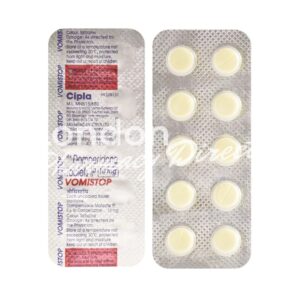
In brief
- Motilium (domperidone) is a prescription-only medicine (POM) in the UK.
- Motilium is used to relieve nausea and vomiting and to help with delayed stomach emptying (gastroparesis). It is a prokinetic and antiemetic medicine that works mainly by blocking dopamine D2 receptors in the gut, which helps increase stomach and intestinal movement and reduces the feeling of sickness.
- The usual dose for adults and adolescents aged 12 years and over is 10 mg up to 3 times a day. For children, dosing is based on body weight, commonly 0.25 mg/kg up to 3 times a day, with specialist advice for more complex cases.
- Motilium is available as tablets, orally disintegrating tablets and oral suspension, with the suspension often used for children.
- The effect usually begins within about 30 to 60 minutes after taking a dose.
- The duration of action is generally around 4 to 6 hours, which is why it may be taken up to 3 times daily when prescribed.
- Alcohol is best avoided, as it may increase drowsiness and stomach irritation and can make side effects less predictable.
- The most common side effects are headache, dry mouth, abdominal cramps, diarrhoea, and sometimes drowsiness or raised prolactin-related effects such as breast tenderness or menstrual changes.
- Would you like to try Motilium without a prescription?
Basic Motilium information
- INN (international nonproprietary name): Domperidone
- Brand names available in the United Kingdom: Motilium
- ATC code: A03FA03
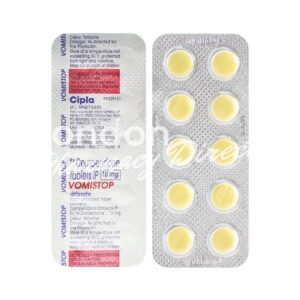
- Forms and dosages: 10 mg tablets; oral suspension 1 mg/mL (5 mg/5 mL); orally disintegrating tablets 10 mg
- Manufacturers in the United Kingdom: Janssen-Cilag (originator) and generic domperidone suppliers
- Registration status in the United Kingdom: Prescription-only medicine
- OTC / Rx classification: Prescription-only medicine (POM)
- Motilium 10mg is the standard adult tablet strength, usually used short term for nausea and vomiting up to 7 days
Everyday use and best practices
Morning vs evening dosing
Thinking about when to take Motilium so it fits around breakfast, school runs, and a late tea?
Motilium, which contains domperidone, is usually taken before meals so it can support gastric emptying and help settle nausea.
For many UK patients, that means taking Motilium tablets before breakfast, before lunch, and before tea if it has been prescribed up to three times daily.
The standard adult tablet strength is 10 mg, and it is generally used as a short-term anti-sickness medication domperidone, usually for up to 7 days for nausea and vomiting.
- Take it before meals if your prescriber has advised that routine.
- If a dose is missed, do not double the next one.
- Keep doses spaced out through the day if you are taking it more than once.
- Set a reminder for busy mornings or when you are out for work.
Taking with or without meals
For most people, taking domperidone 15 to 30 minutes before food works best.
That can be useful if breakfast is light, if lunch is eaten at a desk, or if supper tends to be late after work.
If reflux is part of the picture, small frequent meals and avoiding heavy late meals can help alongside the medicine.
A practical routine often works better than trying to remember it after nausea has already built up.
Safety priorities
Who should avoid it
Motilium is a prescription-only medicine in the UK because domperidone carries a cardiac risk profile that needs careful screening.
The MHRA-style advice is clear: extra caution is needed in older adults, especially those over 60, and in anyone with electrolyte problems or interacting medicines.
- Do not use if you have a prolonged QT interval.
- Do not use if you have a known arrhythmia or a history of cardiac rhythm problems.
- Do not use if you have severe hepatic impairment.
- Do not use if you have prolactinoma.
- Do not use if you are allergic to domperidone or any excipients.
- Do not use with QT-prolonging drugs or potent CYP3A4 inhibitors.
Compared with metoclopramide, Motilium has minimal central nervous system side effects because it does not easily cross the blood-brain barrier.
Activities to limit
Drowsiness, dizziness, palpitations, or feeling faint can affect driving, machinery use, and safety-critical work.
| Symptom | Action |
|---|---|
| Drowsiness or dizziness | Avoid driving or operating machinery until you feel clear-headed. |
| Chest palpitations or fainting | Seek urgent medical help. |
| Severe dizziness | Stop activity and get medical advice promptly. |
Before starting, a pharmacist or the NHS should check for interactions, especially if you already take heart medicines or antibiotics.
Dosage and adjustments
General regimen
The usual adult dose is 10 mg up to three times daily for nausea and vomiting.
For short-term use, treatment is usually limited to 7 days, and symptoms that continue beyond that should be reviewed rather than simply treated again and again.
If domperidone is used for gastroparesis, the shortest effective duration should be kept, with specialist review at 4 weeks.
Special cases
Older adults should use the lowest effective dose because the risk of cardiac problems is higher with age.
Children usually need the oral suspension and weight-based dosing rather than standard tablets.
| Group | Usual approach | Key point |
|---|---|---|
| Adults and adolescents 12+ | 10 mg up to 3 times daily | Short-term use only for nausea and vomiting |
| Children | 0.25 mg/kg up to 3 times daily | Max 30 mg/day if above 35 kg |
| Elderly | Lowest effective dose | Higher cardiac risk |
| Moderate to severe liver impairment | Do not use | Contraindicated |
| Severe kidney disease | Use caution or avoid | Needs clinical judgement |
Domperidone oral suspension is 1 mg/mL (5 mg/5 mL), while Motilium 10mg tablets are the standard adult form.
Legal status and availability in the UK
Motilium is a prescription-only medicine (POM) in the UK.
In our online pharmacy, Motilium is available without a prescription, with discreet delivery to the United Kingdom in 9–21 days.
What is inside and how it works
Ingredients overview
The INN is domperidone.
In the UK, Motilium is available as 10 mg tablets, orally disintegrating tablets and oral suspension.
Mechanism basics explained simply
Domperidone is a prokinetic and antiemetic medicine, listed under ATC code A03FA03.
Put simply, it helps the gut empty more smoothly and reduces nausea signals.
- It helps food move on from the stomach more efficiently.
- It can ease nausea and vomiting.
- It has minimal central nervous system side effects compared with metoclopramide.
That lower brain penetration is one reason some people find it easier to tolerate than other nausea tablets.
Main indications
Approved uses
The main UK use is short-term relief of nausea and vomiting.
A prescriber should confirm that Motilium is suitable, because the benefit is usually symptomatic rather than curative.
It can help settle the feeling of sickness while the underlying trigger, such as a stomach bug or medication-related nausea, is addressed.
Off-label uses in UK clinics
Some clinics use domperidone off label for gastroparesis or for increased lactation, but only under clinical supervision.
In selected settings, Parkinson’s-related symptoms may also be treated, although this is not a general self-care use.
Off label does not mean unsafe, but it does mean the prescriber must think carefully about heart risk, dose, and follow-up.
| Indication | Usual dose | On label or off label |
|---|---|---|
| Nausea and vomiting | 10 mg up to 3 times daily | On label |
| Gastroparesis | 10 mg up to 3 times daily | Off label |
| Increased lactation | Variable | Off label |
| Parkinson’s-related symptoms | 10 mg 3 to 4 times daily | Specialist use |
Interaction warnings
Food interactions
There is no major direct interaction with tea or coffee, but caffeine can worsen nausea or palpitations in some people.
If you are feeling unwell, it is usually sensible to limit alcohol and take the tablet with water.
Rich meals can aggravate nausea, so keeping food light is often the better plan while symptoms settle.
- Tell your pharmacist if you take alcohol regularly.
- Tell your pharmacist if tea, coffee, or energy drinks make your symptoms worse.
- Tell your pharmacist if you are already struggling with reflux or palpitations.
Drug conflicts
Domperidone can become riskier when it is used with QT-prolonging medicines or potent CYP3A4 inhibitors.
That includes some antibiotics, antifungals, antidepressants, and heart medicines, so interaction checks matter before starting.
Side effects can also be reported through the Yellow Card scheme if anything concerning happens.
Alternative choices
NHS prescribing alternatives
If Motilium is not suitable, metoclopramide or ondansetron may be considered depending on the cause of the nausea.
Metoclopramide acts centrally as well as peripherally, so neurological side effects can be more of a concern.
Ondansetron works differently as a 5-HT3 antagonist antiemetic and is often used when nausea has a different trigger.
- Consider metoclopramide if a prescriber thinks a different prokinetic is better suited.
- Consider ondansetron if the cause of nausea fits that medicine better.
- Consider Motilium if minimal CNS side effects matter and cardiac risk is acceptable.
- Consider an alternative if you take QT-prolonging drugs or potent CYP3A4 inhibitors.
The best option depends on the symptom cause, other medicines, and heart risk rather than brand preference alone.
Regulation snapshot
MHRA approval and NHS prescribing framework
Motilium is prescription-only in the UK and is subject to safety restrictions because of cardiac risk.
It is normally supplied through a GP, a hospital prescriber, or specialist advice rather than routine sale without a prescription.
Pharmacists play an important role in checking interactions and making sure the right strength and duration are used.
- Who can prescribe: GP, hospital prescriber, or specialist.
- Where to obtain: NHS pharmacy or registered private pharmacy.
Frequently asked questions
Is Motilium the same as domperidone?
Yes.
Motilium is the brand name, and domperidone is the INN.
How quickly does it work?
It often works within a short time when taken before meals, although exact timing varies from person to person.
Can I take it with other medicines?
Only after checking for interactions, especially QT-prolonging drugs, antibiotics, antifungals, antidepressants, and heart medicines.
Is it available on the NHS or privately?
Both are possible, but it is prescription-only medicine in the UK and should be supplied through a lawful route.
Guidelines for proper use
UK pharmacist counselling style
Take Motilium exactly as prescribed and, if advised, before meals.
Do not exceed the dose, and tell the pharmacist about heart problems, liver disease, kidney disease, or any medicine that affects heart rhythm.
If you miss a dose, take it when you remember unless it is nearly time for the next one, and never double up.
If too much is taken, ECG monitoring and symptomatic treatment may be needed, so seek help quickly rather than waiting it out.
Store tablets below 25°C, keep them dry, and leave them in the original blister pack where possible.
NHS patient support advice
Speak to a GP or pharmacist if symptoms last more than a few days, if you become dehydrated, or if vomiting means you cannot keep fluids down.
NHS 111 is the right place for urgent advice when you are unsure what to do next.
Delivery across the United Kingdom
| City | Region | Delivery Time |
|---|---|---|
| London | Greater London | 9–21 days |
| Birmingham | West Midlands | 9–21 days |
| Manchester | North West England | 9–21 days |
| Glasgow | Scotland | 9–21 days |
| Edinburgh | Scotland | 9–21 days |
| Leeds | West Yorkshire | 9–21 days |
| Liverpool | Merseyside | 9–21 days |
| Bristol | South West England | 9–21 days |
| Sheffield | South Yorkshire | 9–21 days |
| Newcastle upon Tyne | North East England | 9–21 days |
| Nottingham | East Midlands | 9–21 days |
| Cardiff | Wales | 9–21 days |
| Belfast | Northern Ireland | 9–21 days |
| Aberdeen | Scotland | 9–21 days |
Additional practical points
Motilium should be kept below 25°C, protected from moisture and light, and usually remains usable for 2 to 3 years in factory-sealed blisters.
If nausea and vomiting are linked to dehydration, severe abdominal pain, blood in vomit, or a fever that is not settling, the issue needs medical review rather than just another dose.
That is especially important if the medicine has been taken with other tablets that can affect heart rhythm.
Used sensibly, domperidone can be a helpful short-term antiemetic and prokinetic option for the right patient.