Wellbutrin
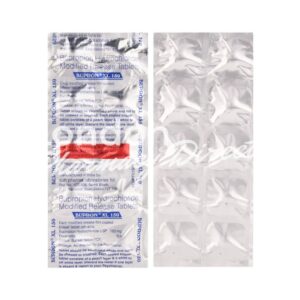
In brief
- Wellbutrin (bupropion) is not licensed in the UK; bupropion products such as Zyban and Elontril are prescription-only medicines (POM).
- Bupropion is used to treat depression, and for smoking cessation under the brand Zyban. It works as a noradrenaline and dopamine reuptake inhibitor, helping to increase the levels of these neurotransmitters in the brain.
- The usual adult dose is 150 mg once daily to start; for depression this may be increased to 300 mg once daily after 4 weeks (maximum 300 mg daily), and lower doses are needed in liver or kidney impairment.
- The form of administration is an oral prolonged-release tablet.
- Wellbutrin may start to improve symptoms within 1–2 weeks, although the full antidepressant effect may take several weeks of regular use.
- Prolonged-release tablets release the medicine gradually over the day, so one or two doses daily are used, depending on the product.
- Alcohol should be avoided or limited, as it can increase the risk of seizures and may worsen side effects, especially if alcohol use is stopped abruptly.
- The most common side effects are dry mouth, insomnia, nausea, headache, dizziness and sweating.
- Would you like to try Wellbutrin without a prescription?
Basic Wellbutrin information
- INN (international nonproprietary name): Bupropion
- Brand names available in the United Kingdom: Zyban (smoking cessation), Elontril (depression), Mysimba (with naltrexone, weight management); the brand Wellbutrin is not licensed in the UK
- ATC code: N06AX12
- Forms and dosages: Prolonged-release tablets 150 mg (Zyban, Elontril) and 300 mg (Elontril)
- Manufacturers in the United Kingdom: GlaxoSmithKline (Zyban) and other suppliers
- Registration status in the United Kingdom: Wellbutrin is not licensed in the UK; bupropion products (Zyban, Elontril) are prescription-only
- OTC / Rx classification: Prescription-only medicine (POM) for bupropion products
Everyday use and best practices
Starting a new smoking cessation tablet or antidepressant can feel awkward at first, especially when you are trying to fit it around work, school runs, or shift patterns.
With bupropion UK prescriptions, the safest routine is the one that matches the exact formulation your prescriber has chosen.
Daily routine:
- Take it at the same time each day.
- Keep the blister pack in the same place so you do not forget a dose.
- Use a phone reminder if your day is busy.
- Do not change the timing without pharmacist or prescriber advice.
- If a missed dose is close to the next one, skip it rather than doubling up.
Morning vs evening dosing
Bupropion is often taken in the morning because it can feel activating and may worsen insomnia.
That said, bupropion products are not interchangeable, and the timing can differ depending on the formulation and the reason it has been prescribed.
For example, a patient taking bupropion for depression may be told something different from someone using Zyban for quitting smoking.
If a dose is missed and the next one is nearly due, the safer option is usually to leave the missed dose out, because taking extra can raise seizure risk.
Taking with or without meals
Tablets can usually be taken with or without food, which makes them easier to fit around British breakfast, lunch, or late evening meals.
Some people find that taking the dose with breakfast helps reduce nausea.
For everyday use, keep the medicine below room temperature, in a dry place, and in the original packaging until it is needed.
Do not alter the time of dosing just because a weekend routine is different, and do not split the dose pattern unless the prescriber has told you to do so.
Safety priorities
Before starting bupropion, the main question is not whether it suits your routine, but whether it is safe for you.
There are some clear MHRA warnings that matter for UK patients, and they should be taken seriously before any prescription is issued.
Who should avoid it
| Situation | Why it matters |
|---|---|
| Seizure disorder or history of seizures | Raises seizure risk further. |
| Current or recent MAOI use within 14 days | Can cause dangerous interactions. |
| Anorexia nervosa or bulimia nervosa | Seizure risk is increased. |
| Abrupt alcohol or sedative withdrawal | Can make seizures more likely. |
| Allergy to bupropion or ingredients | Do not use if hypersensitive. |
There are also relative cautions, including liver or kidney impairment, head trauma, hypertension, and medicines that lower the seizure threshold.
That is why prescription safety checks matter so much, whether the advice comes from a GP, an NHS clinic, or a community pharmacist.
Activities to limit
| Activity | Practical advice |
|---|---|
| Driving | Be cautious if dizziness, blurred concentration, or agitation appears. |
| Using machinery | Avoid until you know how the medicine affects you. |
| Shift work | Insomnia can make night shifts harder to manage. |
| Heavy caffeine use | Tea or coffee may add to jitteriness in some people. |
Seek urgent help for seizure, hallucinations, severe palpitations, loss of consciousness, or a serious allergic reaction.
Dosage and adjustments
Most people want to know one thing first: how much do I actually take?
The answer depends on whether the medicine is being used for depression or smoking cessation, and on the release form.
General regimen
| Indication | Typical adult dose | Maximum daily dose |
|---|---|---|
| Major depressive disorder | Prolonged-release 150 mg once daily; may be increased to 300 mg once daily after 4 weeks if the response is inadequate | 300 mg |
| Smoking cessation | Zyban 150 mg once daily for 6 days, then 150 mg twice daily (doses at least 8 hours apart) | 300 mg |
In the UK, this is prescription only, so dose changes should only happen through a prescriber.
The dose may be adjusted more slowly in older adults, because they can be more sensitive to side effects.
Special cases
Children are not typically treated with bupropion, because safety and efficacy have not been established in paediatric patients.
People with renal impairment usually need lower starting doses and slower titration.
In severe hepatic impairment, the maximum is much lower, and in moderate impairment the total daily dose may need limiting with longer intervals between doses.
It is sensible to bring a full medication list to the GP or pharmacist, especially if you also take antidepressants, steroids or antipsychotics.
Legal status and availability in the UK
Wellbutrin is not licensed in the UK; bupropion products (Zyban, Elontril) are prescription-only medicines (POM).
In our online pharmacy, Wellbutrin is available without a prescription, with discreet delivery to the United Kingdom in 9–21 days.
What is inside and how it works
People often ask what the tablet actually contains and why it feels different from an SSRI.
Ingredients overview
The active ingredient is bupropion, with ATC code N06AX12.
In the UK, bupropion is supplied as 150 mg (Zyban, Elontril) and 300 mg (Elontril) prolonged-release tablets, usually in blister packs.
Mechanism basics explained simply
Bupropion works as a noradrenaline and dopamine reuptake inhibitor, which can improve mood and help with smoking cessation.
Put simply, it works differently from SSRIs.
That difference is why it can feel more activating, why insomnia can happen, and why it is often linked with a lower risk of sexual side effects and weight gain than many antidepressants.
Main indications
The reason for prescribing matters, because the approved use changes the dose, timing and follow-up plan.
Uses
| Use | UK relevance | Notes |
|---|---|---|
| Depression | Used where licensed and appropriate | Availability may vary by local formulary. |
| Smoking cessation | Zyban is the familiar brand | Typical course is time-limited. |
For depression or smoking cessation, local NHS and formulary checks matter because access is not identical everywhere.
Off-label uses in UK clinics
Bupropion may be used as an add-on to SSRIs in partial responders, or when sexual side effects and weight gain are concerns.
That is a clinician-led decision, not a self-treatment option.
It is not usually first-line if anxiety is prominent, because it may worsen symptoms.
Interaction warnings
Food and medicines can change how well bupropion feels day to day, even when the tablet itself is taken correctly.
Food interactions
| Exposure | Advice |
|---|---|
| Alcohol | Avoid heavy drinking and be especially careful with withdrawal, which is a contraindication. |
| Tea and coffee | May add to jitteriness or insomnia in some people. |
| Meals | Can usually be taken with or without food. |
For some people, cutting back on caffeine helps if sleep becomes worse or anxiety feels more noticeable.
Drug conflicts
| Interaction group | Action |
|---|---|
| MAOIs | Do not use within 14 days. |
| Medicines that lower seizure threshold | Extra caution with antipsychotics, tricyclics and corticosteroids. |
| Medicines that may worsen agitation or blood pressure | Tell the prescriber about antidepressants and other current treatment. |
| Herbal and OTC products | Share the full list with the pharmacist. |
Suspected side effects can be reported through the MHRA Yellow Card scheme.
Alternative choices
If bupropion is not the right fit, there are other NHS options to discuss with a prescriber.
NHS prescribing alternatives with pros and cons
- Sertraline: familiar NHS antidepressant, useful for depression and anxiety, but sexual dysfunction is more common.
- Escitalopram: another familiar SSRI, often better tolerated for anxiety, but less activating.
- Venlafaxine: can help some people with depression and generalised anxiety, but blood pressure may increase.
- Varenicline: often more effective for smoking cessation, and it is not an antidepressant.
Choose alternatives if anxiety is prominent, if seizure risk is a concern, or if insomnia becomes hard to manage.
The right choice depends on whether the main goal is treating depression or stopping tobacco.
Regulation snapshot
UK patients should rely on official pharmacy and regulatory sources, not marketing claims, when checking whether a product is suitable.
MHRA approval and NHS prescribing framework
| Regulator | Status | Brand examples |
|---|---|---|
| MHRA / UK framework | Prescription only | Zyban, Elontril, Mysimba |
Wellbutrin is not licensed in the UK; the exact product and formulation matter just as much as the brand name.
Frequently asked questions
These are the questions that tend to come up most often in UK pharmacy conversations.
Can I take bupropion with breakfast? Yes, it can usually be taken with or without food, and breakfast may help with nausea.
What if I miss a dose? If the next dose is close, skip the missed dose rather than doubling up, because seizure risk rises with extra dosing.
Why does it make me feel awake? It works differently from SSRIs and can be activating, so some people notice more alertness or insomnia.
Is it available on the NHS? Availability depends on the indication, local prescribing decisions and the product, so your GP or pharmacist should check current access.
Guidelines for proper use
Good counselling makes a real difference with bupropion, especially in the first few weeks.
UK pharmacist counselling style
- Take it exactly as prescribed.
- Do not crush, split or chew XL tablets.
- Do not double doses if you miss one.
- Keep follow-up appointments if blood pressure, sleep or mood change.
- Use the treatment for the full prescribed duration, which is often several months for depression or 7 to 9 weeks for smoking cessation.
NHS patient support advice
Speak to the GP or community pharmacist if side effects start, especially sleep problems, agitation, or a rise in blood pressure.
If you are quitting tobacco, smoking cessation services can provide extra support alongside Zyban.
Seek urgent help for seizure symptoms or severe mood changes.
For storage, keep tablets in the original packaging, away from moisture and light.
Delivery across the United Kingdom
| City | Region | Delivery time |
|---|---|---|
| London | Greater London | 9–21 days |
| Birmingham | West Midlands | 9–21 days |
| Manchester | North West England | 9–21 days |
| Glasgow | Scotland | 9–21 days |
| Edinburgh | Scotland | 9–21 days |
| Leeds | West Yorkshire | 9–21 days |
| Liverpool | North West England | 9–21 days |
| Bristol | South West England | 9–21 days |
| Cardiff | Wales | 9–21 days |
| Newcastle upon Tyne | North East England | 9–21 days |
| Nottingham | East Midlands | 9–21 days |
| Sheffield | South Yorkshire | 9–21 days |
| Leicester | East Midlands | 9–21 days |
| Aberdeen | Scotland | 9–21 days |
| Swansea | Wales | 9–21 days |