Voveran SR
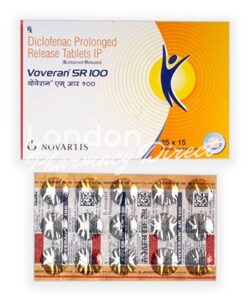
In stock
100mg
from 56,48 £
In brief
- Voveran SR is a modified-release diclofenac tablet taken once a day for arthritis and aching joints and muscles.
- One 100 mg strength is listed, in boxes of 30 to 360 tablets.
- Diclofenac taken by mouth needs a prescription in Britain, so suitability is the prescriber’s decision.
Voveran SR: once-daily diclofenac
Voveran SR lets its diclofenac sodium out slowly over the day from a prolonged-release tablet. Diclofenac is a long-established NSAID; it blocks cyclo-oxygenase enzymes and so reduces the prostaglandins that produce pain, swelling and stiffness in inflamed tissue. British prescribers use it in rheumatoid arthritis, osteoarthritis, ankylosing spondylitis and painful muscle or joint injury. Since the tablet gives up its contents gradually, one dose covers the day, which tends to suit persistent aches better than a short spell of pain. It eases symptoms; it does not treat the cause of the disease.
What the listing includes
The only strength here is 100 mg, and boxes of 30, 60, 90, 120, 180 or 360 are offered. No UK medicines register entry exists for Voveran, which makes the tablet an import without a British marketing authorisation. That said, 100 mg prolonged-release diclofenac is easy to find in the UK in tablet and capsule form, as generics and under other names. As UK guidance asks for the shortest possible course, a very large box of Voveran SR deserves a conversation with your prescriber first.
Taking it as the SmPC directs
Adults take one 100 mg prolonged-release tablet once daily. Swallow Voveran SR whole with water, with or after food, and never crush or chew it, since that would release all the diclofenac in one go. Should a higher daily amount be needed, the SmPC caps the total at 150 mg, usually reached by adding a 25 mg or 50 mg tablet rather than another 100 mg. The lowest dose that controls symptoms, for the briefest time, is the principle. Take extra care in frail older adults and anyone of low body weight; children should not use Voveran SR.
When diclofenac is not safe
Whatever its brand, diclofenac tablets are ruled out by the SmPC where there is an active or recurring stomach or bowel ulcer, bleeding or perforation, including bleeding linked to earlier NSAID treatment. Also barred are established heart failure (NYHA class II to IV), ischaemic heart disease, peripheral arterial disease, cerebrovascular disease, severe liver or kidney failure, and the final three months of pregnancy. If aspirin or another NSAID has brought on asthma, hives or a runny nose, avoid it. Higher doses and longer courses raise the risk of heart attack and stroke, particularly with high blood pressure, raised cholesterol, diabetes or smoking. NSAIDs may also make conceiving harder for some women.
Medicines that do not mix well with it
Mention everything you take, even products bought over the counter. Diclofenac can push up blood levels of lithium, digoxin and methotrexate and can make ciclosporin and tacrolimus harder on the kidneys. The effect of water tablets and of blood pressure treatments can be blunted. Bleeding in the stomach or bowel becomes likelier when diclofenac is taken alongside blood thinners, steroids, SSRI antidepressants or a second NSAID. It may raise phenytoin levels; voriconazole can in turn raise diclofenac levels, and convulsions have been reported when quinolone antibiotics were taken with diclofenac.
Unwanted effects and getting help
Typical complaints include headache, dizziness, indigestion, abdominal pain, nausea, diarrhoea, rash and higher liver enzyme readings. Vomiting blood, passing black or tarry stools, swelling of the face or throat, a blistering skin reaction or chest pain with an allergic reaction calls for prompt medical help: dial 999 or go to A&E. Long-term users are usually monitored with blood tests. Because diclofenac does not suit everyone, the decision to use Voveran SR rests with your doctor or prescriber, who will keep it under regular reassessment.