Lithium
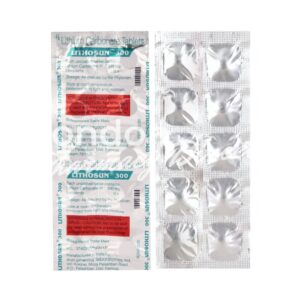
In brief
- Lithium is a prescription-only medicine (POM) in the UK and should be used only in line with medical advice and regular blood-level monitoring.
- Lithium is used mainly for the treatment and prevention of bipolar disorder, especially acute mania and long-term mood stabilisation. It works by altering signalling in the brain, including effects on neurotransmitter activity and second messenger pathways, helping to stabilise mood and reduce the risk of relapse.
- The usual dose for adults is typically 400 mg to 1.2 g per day depending on the product, adjusted according to blood lithium levels. Doses are individualised to keep serum levels within the therapeutic range, usually about 0.6–0.8 mmol/L (up to 1.0 mmol/L in some cases).
- Lithium is available as tablets, prolonged-release tablets and oral solution.
- Lithium usually begins to work gradually; some improvement may be noticed within several days, but full effect for mood stabilisation often takes 1–3 weeks or longer, especially after dose adjustment.
- The duration of action depends on the formulation and dosing schedule, but lithium is generally taken long term for maintenance, and its therapeutic effect is sustained with regular daily use.
- Alcohol is not recommended with lithium, as it can worsen side effects, increase dehydration, and raise the risk of lithium toxicity.
- The most common side effects are nausea, diarrhoea, tremor, increased thirst, increased urination, fatigue, weight gain, and mild hand shakiness.
- Would you like to try lithium without a prescription?
Basic lithium information
- INN (international nonproprietary name): Lithium.
- Brand names available in the United Kingdom: Priadel, Camcolit, Liskonum, Li-Liquid, Priadel Liquid.
- ATC code: N05AN01.
- Forms and dosages: tablets, prolonged-release tablets and oral solution (lithium carbonate and lithium citrate).
- Registration status in the United Kingdom: prescription-only medicine, licensed in the UK.
- OTC / Rx classification: Prescription-only medicine (POM).
Everyday use of lithium in UK daily life
Morning vs evening dosing
Taking lithium at the same time every day helps keep blood levels steady, which is especially important when work, school runs, and shift patterns are already busy.
Some people take lithium once daily, often in the evening, while others take it in divided doses if their prescriber has advised that and the formulation suits it.
A parent may link the dose to the evening kettle boil, while a night-shift worker may find breakfast more reliable than bedtime.
Phone alarms, pill organisers, and pairing the dose with a routine task such as brushing teeth or making tea can make lithium medication much easier to remember.
Taking with or without meals
Lithium can be taken with food if it causes nausea, and many UK patients find that easier alongside a normal breakfast or evening meal.
Steady fluid and salt intake matters, because dehydration can raise the risk of lithium toxicity, particularly in hot weather, after exercise, or if you are unwell with vomiting or diarrhoea.
- Practical daily tips: drink regularly through the day and do not suddenly cut back on salt.
- Practical daily tips: do not skip meals for long periods if that makes nausea worse.
- Practical daily tips: keep a medicine card in your wallet, especially if you use Priadel tablets, Camcolit 400mg, or Li-Liquid.
Available formulations include tablets, prolonged-release tablets, and oral solution, so the routine can be matched to the product that suits you best.
Safety priorities before and during treatment
Who should avoid it
Lithium is prescription only in the UK, and it should be started with renal and thyroid checks, not as a self-management medicine.
It is not suitable for people with severe kidney problems, dehydration, sodium depletion, Addison’s disease, Brugada syndrome, or a known allergy to lithium salts.
Pregnancy and breastfeeding need specialist review, because the balance of benefit and risk has to be discussed properly rather than managed alone.
MHRA-style caution also applies if there is impaired renal function or if other medicines may affect kidney clearance.
Activities to limit
Driving, operating machinery, and safety-sensitive work can be affected if tremor, sleepiness, or poor concentration develops, so the prescriber should be told promptly if that happens.
Students, carers, and UK workers should not try to push through confusion or drowsiness, because performance and safety can both suffer.
- Red flags: vomiting.
- Red flags: diarrhoea.
- Red flags: worsening tremor.
- Red flags: confusion.
- Red flags: severe thirst.
- Red flags: unsteady walking.
Overdose can require hospital care and possible dialysis, and there is no specific antidote, so urgent assessment matters.
Dosage, titration, and special adjustments
General regimen
For adults with acute mania or bipolar disorder, lithium is usually started at a dose between 400 mg and 1.2 g per day, depending on the product used, often in divided doses.
The dose is guided by serum lithium levels rather than a fixed number alone, and products differ in how much lithium they release, so the brand should not be switched without advice.
Most patients are targeted to a serum level of about 0.6–0.8 mmol/L, with up to 1.0 mmol/L in some cases, because lithium has a narrow therapeutic range and UK prescribers usually adjust slowly.
That careful titration is one reason lithium carbonate tablets are not treated like ordinary over-the-counter medicines.
Special cases
Older adults usually start on lower doses, often around 50–75% of adult dosing, because kidney clearance is reduced with age.
Children are not usually first-line and need specialist paediatric guidance with weight-based dosing and level monitoring.
Mild kidney impairment may mean closer monitoring and smaller dose changes, while significant renal dysfunction is a contraindication.
| Patient group | Typical starting approach | Monitoring needs |
|---|---|---|
| Adult | Usually 400 mg to 1.2 g per day, depending on the product | Serum lithium, renal, and thyroid tests |
| Elderly | About 50–75% of adult dose | Closer renal monitoring and slower titration |
| Children | Specialist, weight-based dosing | Paediatric review and level checks |
| Kidney impairment | May need reduction or avoidance | Frequent renal monitoring |
Legal status in the UK
Lithium is a prescription-only medicine (POM) in the UK.
What lithium is and how it works
Ingredients overview
In medicine, lithium usually means lithium carbonate or lithium citrate, both used in prescription forms in the UK.
Common formulations include tablets, modified-release tablets, and oral solutions.
The ATC code is N05AN01, which helps to place it in the nervous system medicines group without getting lost in technical detail.
Mechanism basics explained simply
Lithium is a mood stabiliser, not a sedative, and it is used to reduce extreme mood swings rather than to knock someone out.
Put simply, it helps stop episodes from becoming as severe or as frequent.
Patients usually notice the benefit in everyday life as fewer highs, fewer crashes, and a more manageable routine.
- Lithium carbonate and lithium citrate are the main medical forms.
- Lithium is prescription only.
- Its main job is mood stabilisation in bipolar disorder.
Main uses of lithium in UK practice
Approved uses
The main UK use is mood stabilisation, especially for bipolar disorder and acute mania.
Dose decisions are guided by blood levels, symptoms, and how well the medicine is tolerated.
That approach fits standard NHS and MHRA-style prescribing, where the goal is long-term stability rather than fast, unsupervised dose changes.
Off-label uses
In specialist settings, lithium may also be used as augmentation in treatment-resistant depression.
That use is based on clinical judgement and close monitoring, because the same safety rules still apply.
| Use | Who it may suit | Monitoring needed |
|---|---|---|
| Bipolar disorder | People needing long-term mood stabilisation | Serum lithium, kidney, and thyroid checks |
| Acute mania | Adults needing rapid control with specialist care | Frequent levels during titration |
| Treatment-resistant depression | Specialist assessed cases only | Close review of response and tolerability |
Food, drink, and medicine interactions
Food interactions
Alcohol can worsen dehydration and judgment, which raises the risk of lithium toxicity if intake is heavy or a person becomes unwell afterwards.
Big sudden changes in caffeine or tea and coffee habits can affect hydration and routine, so it is better to keep intake steady rather than switching dramatically.
Regular salt and fluid intake is important, especially during illness, exercise, or hot weather, because lithium levels can rise when the body loses water or sodium.
Drug conflicts
Common interactions include NSAIDs, ACE inhibitors, and diuretics, all of which can affect kidney handling of lithium.
That is why pharmacists in the UK are a key safety check, especially when someone asks for over-the-counter pain relief.
- Always tell your pharmacist if you take ibuprofen or other NSAIDs.
- Always tell your pharmacist if you take ACE inhibitors.
- Always tell your pharmacist if you take any diuretic.
- Always tell your pharmacist about new medicines, including short courses.
Because lithium has a narrow therapeutic index, adverse effects should also be reported through Yellow Card reporting when appropriate.
Alternatives to lithium in NHS care
Main alternatives
If lithium is not suitable, NHS prescribers may consider valproate, lamotrigine, carbamazepine, quetiapine, or olanzapine, depending on the symptom pattern and the person’s history.
The best choice can depend on pregnancy plans, kidney health, and whether a person has responded to one of these before.
Pros and cons
- Valproate: useful for mania, but pregnancy considerations are important.
- Lamotrigine: often used for prevention, especially where depressive episodes are prominent.
- Carbamazepine: can help some people, but blood test and interaction burden is relevant.
- Quetiapine: may help both mood and sleep, but weight gain risk matters.
- Olanzapine: effective for mania, but metabolic side effects can be significant.
- Lithium: still a first-line option for many people, especially when long-term prevention is the goal.
Regulation, approval, and UK prescribing framework
MHRA approval and Rx status
Lithium is a prescription-only medicine (POM) in the UK and is licensed for medical use.
In the UK, initiation is usually specialist-led, with ongoing shared care once the dose is stable.
Brands and formulations can differ, so exact product matching matters when moving between Priadel, Camcolit, Liskonum, or liquid lithium.
NHS system and patient access
Everyday access often relies on NHS GPs and community pharmacists for repeat supply and continuity.
That shared-care approach helps patients stay on the right strength, the right formulation, and the right monitoring schedule.
| Who prescribes | Who monitors | Who dispenses |
|---|---|---|
| Specialist mental health team | Specialist and GP shared care | Community pharmacy |
| GP repeat, once stable | Renal and thyroid testing arranged through NHS care | Community or hospital pharmacy |
Frequently asked questions about lithium
Common UK patient questions
Can I miss a dose? Take it when you remember unless it is nearly time for the next one, and do not double up.
What if I feel ill with vomiting or diarrhoea? Seek advice quickly, because dehydration can affect lithium levels.
Can I travel with lithium? Yes, but keep it in its original packaging and carry prescription evidence if you are flying or crossing borders.
Do I need regular blood tests? Yes, because serum lithium, kidney, and thyroid monitoring is part of safe treatment.
When to seek help
- Seek same-day advice for confusion.
- Seek same-day advice for severe tremor or drowsiness.
- Seek same-day advice for unsteady walking.
- Seek same-day advice for severe gastrointestinal upset.
For urgent concerns, contact your pharmacy, GP, 111, or A&E depending on severity, because overdose is a medical emergency.
Proper use and pharmacist-style counselling
UK counselling points
A UK pharmacist would usually advise taking lithium consistently, keeping hydrated, avoiding sudden diet changes, and attending all monitoring appointments.
Storage should be at room temperature, away from moisture and heat, with the usual guidance being 25°C and excursions between 15–30°C.
For travel, keep lithium in its original packaging, carry prescription evidence, and plan ahead for trips so you do not run out unexpectedly.
- Before leaving the pharmacy: check the brand, strength, and dosage instructions.
- Before leaving the pharmacy: confirm when the next blood test is due.
- Before leaving the pharmacy: ask about any new medicine interactions.
- Before leaving the pharmacy: make sure you know what to do if a dose is missed.
Ongoing NHS support
If side effects change, or a new medicine is started, the GP, mental health team, or pharmacist should be contacted for review.
That regular follow-up is normal in NHS care and helps keep lithium safe and effective over the long term.
- Seek review when tremor worsens.
- Seek review when thirst or urination increases a lot.
- Seek review when a new painkiller, blood pressure medicine, or diuretic is prescribed.
Delivery across the United Kingdom
| City | Region | Delivery time |
|---|---|---|
| London | Greater London | 9–21 days |
| Birmingham | West Midlands | 9–21 days |
| Manchester | North West England | 9–21 days |
| Glasgow | Scotland | 9–21 days |
| Edinburgh | Scotland | 9–21 days |
| Liverpool | North West England | 9–21 days |
| Leeds | Yorkshire and the Humber | 9–21 days |
| Sheffield | Yorkshire and the Humber | 9–21 days |
| Bristol | South West England | 9–21 days |
| Cardiff | Wales | 9–21 days |
| Belfast | Northern Ireland | 9–21 days |
| Nottingham | East Midlands | 9–21 days |
| Newcastle upon Tyne | North East England | 9–21 days |
| Leicester | East Midlands | 9–21 days |
| Aberdeen | Scotland | 9–21 days |