Clonidine
In brief
- In our pharmacy, you can buy clonidine without a prescription, with delivery in 9–21 days throughout the United Kingdom; discreet and anonymous packaging is available.
- Clonidine is used to treat hypertension and, under specialist care, severe cancer pain (epidural) and, off-label, opioid or alcohol withdrawal symptoms; it is a centrally acting α2‑adrenergic (and imidazoline) receptor agonist that reduces sympathetic outflow.
- The usual dose varies by indication: hypertension often starts at 50–100 micrograms two to three times daily and may be titrated up (maximum 1.2 mg/day); injectable/epidural and withdrawal regimens are specialist-led and use microgram dosing.
- The form of administration is oral tablets and, for specialist use, injection/infusion (IV or epidural).
- The effect of the medication begins for oral doses within about 30–60 minutes (peak 2–4 hours); IV/epidural administration produces effects within minutes.
- The duration of action for oral clonidine is typically 6–12 hours; epidural/infusion effects last while the infusion continues.
- Do not consume alcohol or combine clonidine with other central nervous system depressants as alcohol can increase sedation, respiratory depression and hypotensive effects.
- The most common side effect is dry mouth; other frequent effects include drowsiness/sedation, dizziness, constipation, mild hypotension.
- Would you like to try clonidine without a prescription?
Basic clonidine information
- INN (international nonproprietary name): Clonidine.
- Brand names available in the United Kingdom: Catapres; generic clonidine tablets; injectable clonidine for specialist use.
- ATC code: C02AC01 (antihypertensives, imidazoline derivatives).
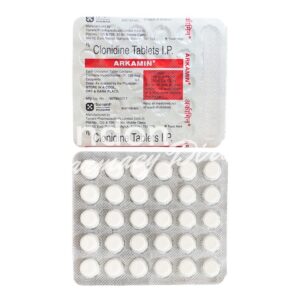
- Forms and dosages: Tablets (for example 25 and 100 micrograms); injectable forms for specialist use.
- Manufacturers in the United Kingdom: Generic supply through companies such as Sandoz, Mylan and Teva.
- Registration status in the United Kingdom: Licensed in the UK for hypertension, with injectable forms used in specialist analgesic settings; prescription-only medicine (POM).
- OTC / Rx classification: Prescription-only medicine (POM).
Everyday use and best practices
Morning vs evening dosing
Worried about dizziness on a busy morning commute or feeling drowsy at work?
For many adults treated for high blood pressure the usual oral starting dose is 50–100 micrograms (0.05–0.1 mg) two to three times daily, increased gradually as directed, up to a maximum of 1.2 mg per day.
If your prescriber chooses a twice‑daily schedule, take one dose in the morning and one in the evening at roughly the same times each day to keep blood levels stable and reduce orthostatic dizziness risk.
If sedation is troublesome, discuss shifting a larger portion of the dose to the evening with your clinician rather than changing timing yourself.
Taking with or without meals (UK diet habits)
Will your tea or breakfast affect clonidine?
Clonidine tablets may be taken with or without food and there is no strict meal interaction.
Because many people in the UK have a strong morning caffeine habit, monitor your blood pressure and symptoms if you change tea or coffee intake when starting clonidine, as caffeine can alter perceived alertness and blood‑pressure control.
Practical dosing checklist:
- Clonidine dose schedules: 50–100 micrograms two to three times daily is a common start for hypertension.
- Take tablets at same times daily to reduce dizziness risk.
- Missed dose: take when remembered but do not double up if the next dose is near.
- Storage: keep tablets in the original packaging at room temperature, away from heat and direct sun.
Safety priorities
Who should avoid it (MHRA warnings)
Are you wondering if clonidine is safe for you?
Absolute contraindications include known hypersensitivity to clonidine or its excipients and significant bradyarrhythmias or advanced atrioventricular block unless a pacemaker is present.
Use with caution in elderly patients, those with severe coronary artery disease, renal impairment or pregnancy — the balance of risks and benefits must be considered by your prescriber.
Common side effects to expect are dry mouth, drowsiness or sedation, dizziness, mild hypotension and constipation.
Report any adverse reactions via the MHRA Yellow Card scheme; your community pharmacist can help you submit a report.
Activities to limit (driving, work safety)
Can you drive or operate machinery while taking clonidine?
Until you know how clonidine affects you, avoid driving, cycling or operating heavy machinery because drowsiness and slowed reactions are common.
Avoid combining clonidine with alcohol or other sedatives such as benzodiazepines or opioids because central nervous system depression can be additive.
If your job is safety‑critical (HGV driver, pilot, working at height), inform occupational health and your prescriber as your fitness to work may be affected and employer guidance or reporting to DVLA may be necessary.
| Contraindication | Notes |
|---|---|
| Hypersensitivity to clonidine | Do not use; check for excipient allergies. |
| Severe bradyarrhythmia / advanced AV block | Contraindicated unless paced; risk of dangerous bradycardia. |
| Recent myocardial infarction | Relative; requires specialist review and monitoring. |
Simple “can I drive?” checklist:
- Have I tried clonidine and not felt drowsy or dizzy after titration?
- Am I free of sudden fainting or severe lightheadedness?
- Have I discussed my role with occupational health if safety critical?
Dosage and adjustments
General regimen (NHS guidance)
What dose will my GP usually start with?
For adult hypertension the typical oral starting dose is 50–100 micrograms two to three times daily, with upward titration every few days according to response, up to a maximum of 1.2 mg per day.
Off-label use for withdrawal symptoms is specialist-led and uses short regimens such as 0.1–0.2 mg every 4–6 hours as required under clinical supervision.
Always document baseline blood pressure and heart rate and check them again after dose changes.
Special cases (elderly, comorbidities)
Do I need a lower dose because of age or kidney disease?
Start lower and titrate more slowly in older adults — for example an initial dose of 0.05 mg twice daily is a commonly used approach with careful monitoring for orthostatic hypotension and falls.
Renal impairment requires dose reduction because clonidine is partly renally excreted and the risk of central nervous system depression increases with reduced clearance.
Liver impairment also needs cautious titration due to hepatic metabolism and potential altered plasma levels.
Dosing summary:
- Hypertension adults: start 50–100 micrograms two to three times daily, titrate every few days, max 1.2 mg/day.
- Elderly: consider 0.05 mg twice daily start and slow titration.
Monitoring checklist: BP and HR at baseline, after each dose change, and regular review for sedation and falls risk.
Legal status and availability in the UK
Clonidine is a prescription-only medicine (POM) in the UK.
In our online pharmacy, clonidine is available without a prescription, with discreet delivery to the United Kingdom in 9–21 days.
What’s inside and how it works
Ingredients overview
What is clonidine made of?
The active ingredient is clonidine hydrochloride in tablets and injectable forms, with tablet strengths of 25 and 100 micrograms.
Excipients vary by manufacturer and you should check the product label or patient information leaflet for allergens and other components specific to the brand dispensed to you.
Mechanism basics explained simply
How does clonidine lower blood pressure?
Clonidine is an alpha‑2 adrenergic agonist and imidazoline derivative that acts in the brainstem to reduce sympathetic nervous system output, which lowers heart rate and blood pressure and can reduce autonomic symptoms in withdrawal states.
Main indications
Approved uses (MHRA listing)
What is clonidine licensed for in practice?
Clonidine’s main licensed use is the treatment of hypertension.
Injections are used in specialist settings for some pain management indications, and clonidine may be used as an adjunct in severe cancer pain under specialist supervision.
Off‑label uses in UK clinics
Are there other reasons a clinician may prescribe clonidine?
UK clinicians sometimes use clonidine off‑label for opioid or alcohol withdrawal symptom control, for hot flushes, for ADHD in children, or as an adjunct in certain neuropathic pain situations; these uses are typically specialist‑led and require careful monitoring.
| Indication | Common form | Monitoring |
|---|---|---|
| Hypertension | Oral tablets | BP and HR checks during titration |
| ADHD (selected cases, off-label) | Oral tablets (specialist-led) | Sleep and daytime sedation monitoring |
| Withdrawal management | Oral as needed or specialist regimen | Autonomic symptom and BP monitoring |
Interaction warnings
Food interactions (alcohol, tea/coffee)
Can I drink alcohol or my usual tea while on clonidine?
Avoid heavy alcohol consumption while taking clonidine because alcohol increases central nervous system depression and can worsen drowsiness or respiratory depression when combined with clonidine.
Caffeine from tea or coffee has no direct contraindication with clonidine, but changes in caffeine intake may alter perceived blood‑pressure control and anxiety, so monitor symptoms and BP if you change habits.
Drug conflicts
Which medicines should my prescriber beware of?
Combining clonidine with other antihypertensives (for example beta‑blockers, ACE inhibitors) may increase hypotension and bradycardia risk and requires close monitoring and possible dose adjustments.
Stopping clonidine abruptly can cause rebound hypertension, particularly when paired with other antihypertensives; a gradual taper under medical supervision is recommended.
Avoid strong sedatives such as benzodiazepines or opioids without a prescriber’s advice due to additive sedation and respiratory depression risk.
Report any unexpected interactions via the MHRA Yellow Card scheme to help collect safety data.
Alternative choices
NHS prescribing alternatives
What else might my GP offer instead of clonidine?
For hypertension the NHS commonly uses ACE inhibitors (ramipril, enalapril), beta‑blockers (atenolol, metoprolol) or methyldopa in pregnancy where appropriate.
For ADHD alternatives include guanfacine (Intuniv), methylphenidate and atomoxetine depending on clinical need and age.
For withdrawal management, agents such as lofexidine are an alternative in opioid withdrawal depending on local protocols and symptom profile.
Pros/cons checklist
How to choose between options?
- Clonidine pros: useful when other agents are not tolerated, helpful for withdrawal symptom control.
- Clonidine cons: sedation, orthostatic hypotension, renal dosing considerations.
- Alternatives pros: often fewer sedative effects (e.g. ACE inhibitors) or greater ADHD effect size (stimulants).
- Alternatives cons: different side‑effect profiles, pregnancy restrictions or monitoring needs.
Simple decision table for discussions with clinicians should include expected efficacy, likely side effects, monitoring needs and formulation convenience.
Regulation snapshot
MHRA approval and safety updates
Is clonidine regulated in the UK?
Clonidine is a prescription-only medicine (POM) and safety is monitored through national systems such as the MHRA Yellow Card reporting process for adverse events.
Prescribers should keep up to date with MHRA alerts and report safety issues to support national pharmacovigilance.
NHS prescribing framework
How do GPs usually manage clonidine prescribing?
GPs commonly prescribe clonidine for hypertension and any use for ADHD is specialist-led.
Prescribers must document the indication, discuss side effects, and plan safe titration and tapering to reduce the risk of rebound hypertension on discontinuation.
Frequently asked questions
Common questions from UK patients
What practical questions do patients ask most often?
Q1: Can I drive on clonidine?
A1: Not until you know how it affects you; drowsiness and dizziness are common and you must inform DVLA or occupational health if your role is safety‑critical.
Q2: What if I miss a dose?
A2: Take the missed dose when you remember unless the next dose is due soon; do not double up to make up a missed dose.
Q3: Is clonidine safe in pregnancy?
A3: Risks and benefits vary; discuss with your clinician as alternatives may be preferred in pregnancy depending on the indication.
Q4: How do I stop clonidine?
A4: Do not stop abruptly; taper slowly under medical supervision to avoid rebound hypertension and other withdrawal effects.
Short answers and when to seek help
When should I contact my GP or A&E?
- Call your GP promptly for persistent or worsening dizziness, excessive sedation that affects daily life, or signs of significant hypotension.
- Attend A&E for fainting, severe bradycardia (very slow pulse), difficulty breathing or loss of consciousness.
- Report severe or unexpected side effects via the MHRA Yellow Card and ask your pharmacist for help with reporting.
Guidelines for proper use
UK pharmacist counselling style
What will your pharmacist tell you when dispensing clonidine?
A pharmacist will confirm the indication, explain the dosing schedule and titration plan, warn about sedation and orthostatic hypotension, and advise on safe storage and disposal.
They will remind you about missed‑dose rules, advise not to double doses, and encourage reporting side effects via the MHRA Yellow Card scheme.
If sedation or falls risk is a concern they will arrange medication review and liaise with the prescribing GP.
NHS patient support advice
What support is available through the NHS?
For long‑term clonidine use schedule regular BP and pulse checks, renal function monitoring if indicated, and consider a falls assessment for older adults.
For children on ADHD regimens coordinate with school staff about possible daytime drowsiness and provide clear contact details for the specialist team.
Delivery across the United Kingdom
| City | Region | Delivery Time |
|---|---|---|
| London | England | 9–21 days |
| Birmingham | England | 9–21 days |
| Manchester | England | 9–21 days |
| Glasgow | Scotland | 9–21 days |
| Leeds | England | 9–21 days |
| Edinburgh | Scotland | 9–21 days |
| Liverpool | England | 9–21 days |
| Bristol | England | 9–21 days |
| Sheffield | England | 9–21 days |
| Newcastle Upon Tyne | England | 9–21 days |
| Nottingham | England | 9–21 days |
| Belfast | Northern Ireland | 9–21 days |
| Cardiff | Wales | 9–21 days |