Atenolol
In stock
25mg · 50mg · 100mg
from 18,31 £
In brief
- Atenolol is a heart-selective beta-blocker, taken for high blood pressure, angina, certain rhythm disorders and after a heart attack.
- Three strengths (25, 50, 100 mg) in packs of 14 to 350 tablets; the 50 mg tablet also comes in 98.
- A prescription-only medicine in Britain, available as generics and under the brand name Tenormin.
How atenolol steadies the heart
Atenolol sits on the beta-1 receptors in the heart and prevents adrenaline from whipping them up. With the signal dampened, the heart rate falls, each beat is gentler, and the organ uses less oxygen, which in turn brings blood pressure down. UK product information gives its uses as hypertension, angina, abnormal heart rhythms, and treatment both soon after and long after a heart attack. It manages these conditions rather than curing them, which is why most people stay on it every day for years.
Choosing between 25, 50 and 100 mg
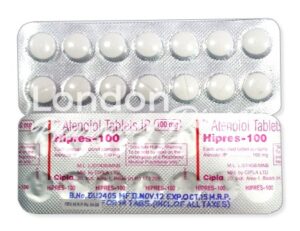
Three tablet sizes are offered: 25 mg, 50 mg and 100 mg. For every one of them there are packs of 14, 28, 56, 84, 140 and 350, and the 50 mg tablet has an extra pack of 98. Since the stock is imported, the packaging may be intended for a different country, so read the strength and expiry date on the strip before taking a tablet. Keep the blisters dry and out of reach of children.
What the SmPC says about dosing
For high blood pressure most adults take 100 mg once daily; some manage on 50 mg, and the full benefit takes a week or two to appear. Angina is controlled with either 100 mg in a single dose or 50 mg twice a day, and heart rhythm problems usually settle on 50 to 100 mg daily. As the kidneys clear atenolol, the daily maximum falls to 50 mg when creatinine clearance is between 15 and 35 ml/min, and to 25 mg daily or 50 mg on alternate days below 15 ml/min. Elderly patients commonly need lower amounts. Children are not advised to take it.
Heart and lung conditions that rule atenolol out
The list of conditions that bar its use starts with cardiogenic shock and heart failure that is not under control, then moves through second- or third-degree heart block, sick sinus syndrome and a pulse that is extremely slow. Low blood pressure, severe peripheral arterial disease, metabolic acidosis and an untreated phaeochromocytoma complete it. Beta-blockers may narrow the airways, so anyone with asthma or a history of wheeze needs particular care. A further point is that the thudding heartbeat usually felt during a low blood sugar may be blunted, and signs of an overactive thyroid can go unnoticed. If you are due an anaesthetic, tell the anaesthetist about your tablets.
Why you should never just stop
Coming off a beta-blocker suddenly can set off worse angina, a racing heart rate or a heart attack. If the treatment is to end, the doctor will reduce the dose gradually, usually over one to two weeks. Missed a dose? Take it as soon as you remember, unless the next one is nearly due. In that case skip the missed tablet; doubling up is not the answer.
Other drugs and everyday effects
With verapamil or diltiazem the pulse may become too slow. Clonidine requires special sequencing: if it is being withdrawn too, atenolol is stopped several days beforehand, since otherwise blood pressure may rebound sharply. Disopyramide, a class I antiarrhythmic, can alter rhythm and conduction, as can amiodarone and digoxin, which are different kinds of heart medicine. Anti-inflammatory painkillers may blunt atenolol’s pressure-lowering action. Among common complaints are a slow pulse, chilly hands and feet, digestive upset and tiredness; poor sleep is occasional, and dizziness, headache, mood changes, dry eyes and worsening heart failure turn up less often.
Settling in
Tiredness or light-headedness may be noticeable in the first weeks, particularly when you stand up quickly, and alcohol can deepen the dip in blood pressure. Contact your doctor if your pulse is persistently very slow, if you become short of breath or start to wheeze, or if your ankles swell. Check the labelled strength before taking a tablet and bring your medicines list to every appointment. Your doctor decides the dose and follows your pulse and blood pressure.