Uniphyllin
In brief
- In our pharmacy you can buy Uniphyllin without a prescription, with delivery in 9–21 days throughout the United Kingdom. Discreet and anonymous packaging.
- Uniphyllin (theophylline) is used for long‑term control of asthma and COPD/chronic bronchitis as a bronchodilator; it is a methylxanthine that increases intracellular cAMP by phosphodiesterase inhibition and antagonises adenosine receptors, producing smooth muscle relaxation in the airways.
- The usual dose for adults (extended‑release) is 300–400 mg once daily to start; doses above 400 mg/day generally require serum theophylline monitoring. Paediatric dosing is weight‑based and specialist supervised; some formulations are not recommended for children.
- Administer orally — modified‑release tablets swallowed whole (do not crush or chew). Take on an empty stomach (about 1 hour before or 2 hours after food) as directed.
- Onset of effect for extended‑release preparations is typically around 1–2 hours (immediate‑release forms work faster, but are not commonly used for once‑daily maintenance).
- Duration of action for once‑daily extended‑release formulations (e.g. 24‑hour SR products) is up to 24 hours; immediate‑release forms have a shorter duration.
- Avoid excessive alcohol while taking Uniphyllin — alcohol can alter the drug’s metabolism and increase the risk of side effects; large amounts are not recommended.
- The most common side effect is nausea.
- Would you like to try Uniphyllin without a prescription?
Basic Uniphyllin information
- INN (international nonproprietary name): theophylline
- Brand names available in the United Kingdom: Uniphyllin Continus; generic theophylline
- ATC code: R03DA04
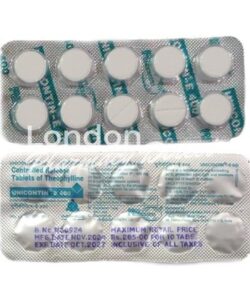
- Forms and dosages: Modified-release tablets 200 mg, 300 mg and 400 mg (Uniphyllin Continus)
- Manufacturers in the United Kingdom: Napp Pharmaceuticals (Uniphyllin Continus)
- Registration status in the United Kingdom: Licensed in the UK; prescription-only medicine (POM)
- OTC / Rx classification: Prescription-only medicine (POM)
Instructions, warnings and daily-life integration for UK patients
Starting Uniphyllin raises practical questions: is it a rescue drug and how will it fit into my day?
- Checklist for safe initiation:
- Confirm with your GP or pharmacist that Uniphyllin (theophylline) is the right maintenance choice for you.
- Remember Uniphyllin is a slow‑release theophylline product for long‑term control, not a rescue inhaler.
- Check your current medicines, liver and heart history, and tell your prescriber about any seizure disorder.
- Plan baseline and follow‑up blood tests as advised; do not stop treatment abruptly.
- Watch for common side effects such as nausea, tremor, insomnia and palpitations and report them.
Important safety notes
Uniphyllin is the brand name for the INN theophylline and is intended for maintenance therapy in asthma and COPD.
It is a prescription bronchodilator and should only be started after clinical review and a monitoring plan is agreed.
Do not use it for sudden breathlessness or as a substitute for a rescue inhaler.
If you experience persistent vomiting, seizures or an irregular heartbeat seek urgent medical attention.
Everyday use and best practices
Morning vs evening dosing
Deciding whether to take Uniphyllin in the morning or evening depends on how the drug affects your sleep and daytime symptoms.
Most people taking extended‑release theophylline take one dose each day to maintain steady blood levels.
Typical adult starting regimens are 300–400 mg once daily for extended‑release preparations, though your prescriber will individualise this.
If Uniphyllin causes insomnia, a morning dose is usually best.
If you have symptoms mainly on waking, discuss a morning dose with your clinician.
| Timing | Pros | Cons |
|---|---|---|
| Morning | Less likely to disturb sleep; matches daytime symptom control. | May cause daytime tremor or palpitations in some patients. |
| Evening | May help overnight breathlessness for some patients. | Can worsen insomnia and night‑time restlessness. |
Taking with or without meals (UK diet habits)
Take extended‑release Uniphyllin on an empty stomach where possible, ideally one hour before or two hours after food.
Fatty or very large breakfasts such as a traditional English breakfast can slow absorption and change the timing of peak levels, so avoid taking within an hour of a heavy meal.
If nausea is a problem, try taking the dose with a light snack after checking with your clinician.
- Do: Swallow the tablets whole and take at the same time each day to steady levels.
- Don’t: Crush or chew extended‑release tablets, and don’t use Uniphyllin for relief of sudden breathlessness.
Safety priorities
Who should avoid it (MHRA warnings)
Absolute contraindications include known hypersensitivity to theophylline or other xanthines, uncontrolled arrhythmias and active peptic ulcer disease.
Exercise caution and arrange dose adjustments and monitoring for people with liver impairment, congestive heart failure, severe renal impairment, seizure disorders or hyperthyroidism.
MHRA guidance treats theophylline products as prescription medicines and recommends reporting adverse effects via the Yellow Card scheme.
Activities to limit (driving, work safety)
Do not drive or operate heavy machinery if you develop tremor, dizziness, palpitations or significant sleep disturbance after starting treatment.
If symptoms affect concentration discuss temporary workplace adjustments and inform your employer where applicable.
Alcohol can worsen side effects and may impair sleep; limit intake while stabilising on therapy.
- Contraindications checklist:
- Known xanthine hypersensitivity — avoid Uniphyllin.
- Uncontrolled arrhythmia — avoid Uniphyllin until cardio review.
- Active peptic ulcer disease — avoid use until treated.
- Inform prescriber of liver disease, heart failure, seizures or thyroid disease.
What to do if you get side effects
If you notice persistent vomiting, severe palpitations, fainting or seizures, seek emergency care and tell staff you are taking theophylline.
For milder effects such as headaches, nausea or tremor, contact your GP or pharmacist for advice about dose review or monitoring.
Dosage and adjustments
General regimen (NHS guidance)
For adults a common starter dose for extended‑release theophylline is 300–400 mg once daily by mouth.
The exact dose is individualised and usually adjusted according to symptoms and serum theophylline concentrations where appropriate.
For patients aged 16 and over many services consider 400 mg/day as the maximum without routine serum monitoring, but local practice varies and clinicians may request levels.
Uniphyllin is intended as maintenance therapy and is not suitable for use as a reliever medicine.
Special cases (elderly, comorbidities)
Elderly patients usually start at a lower dose such as 300 mg daily with cautious titration and routine serum checks because clearance can fall with age.
People with liver or kidney impairment require dose reduction and closer monitoring due to slower clearance and higher toxicity risk.
Children require specialist paediatric dosing and some slow‑release products are not recommended for paediatric use.
| Patient group | Typical start dose | Monitoring triggers |
|---|---|---|
| Adults (≥16 years) | 300–400 mg once daily | Symptom control, interacting drugs, or suspected toxicity |
| Elderly | Start lower (e.g., 300 mg/day) | Routine serum theophylline levels, signs of side effects |
| Liver / kidney impairment | Reduced dose; individualised | Frequent serum checks and specialist review |
Legal status and availability in the UK
Uniphyllin (theophylline) is a prescription-only medicine (POM) in the UK.
In our online pharmacy, Uniphyllin is available without a prescription, with discreet delivery to the United Kingdom in 9–21 days.
What’s inside and how it works
Ingredients overview
The active substance in Uniphyllin is theophylline, a methylxanthine.
Extended‑release formulations contain theophylline in a matrix or coated form to release the drug slowly over about 24 hours.
Excipients vary by brand; always check the product leaflet for a full excipient list if you have allergies.
Mechanism basics explained simply
Theophylline relaxes airway muscles producing modest bronchodilation and may have mild anti‑inflammatory effects which reduce breathlessness over time.
It is metabolised in the liver via CYP1A2, so other medicines and personal factors such as smoking and liver disease affect levels.
- Labelled points:
- Active ingredient: Theophylline (methylxanthine).
- Excipients: Brand dependent — see leaflet.
- How it works: Slow bronchodilation and maintenance control, metabolised by CYP1A2.
Main indications
Approved uses (MHRA listing)
Extended‑release theophylline products are indicated for maintenance treatment of asthma and chronic obstructive pulmonary disease, including chronic bronchitis and emphysema, when inhaled therapies are insufficient or unsuitable.
The agents fall under ATC code R03DA04 and are prescribed by clinicians as part of a broader treatment plan.
Off‑label uses in UK clinics
Some respiratory teams consider theophylline as an add‑on in difficult‑to‑control asthma or where inhaler access and technique are problematic.
Paediatric use is specialist‑led and some MR products are not recommended for children; always confirm indication and agreed goals with your prescriber.
| Condition | Typical rationale |
|---|---|
| Asthma | Add‑on maintenance when inhaled therapy is inadequate or poorly tolerated |
| COPD (chronic bronchitis / emphysema) | Oral option for maintenance where inhalers are insufficient |
- Approved vs off‑label checklist:
- Approved: Maintenance asthma and COPD under prescription-only status.
- Off‑label: Specialist use in some paediatric or complex adult cases — confirm with prescriber.
Interaction warnings
Food interactions (alcohol, tea/coffee)
Caffeine from tea, coffee and cola can add stimulant effects to theophylline, increasing tremor and insomnia.
Alcohol can worsen side effects and impair sleep, so limit alcohol while stabilising on treatment.
Avoid taking Uniphyllin within one hour of a large, fatty meal as absorption timing may change.
Drug conflicts
Theophylline is metabolised by CYP1A2 and many drugs alter its levels, so always report new medicines and supplements to your prescriber.
Examples include ciprofloxacin, which can raise theophylline levels, and phenytoin, which may lower levels; manage co‑medication under clinician advice and with blood monitoring where needed.
| High‑risk interaction | Effect |
|---|---|
| Ciprofloxacin | Can increase theophylline concentration; risk of toxicity |
| Phenytoin | Can decrease theophylline concentration; reduced efficacy |
- Printable checklist to show prescriber:
- All current prescription medicines and over‑the‑counter remedies, including antibiotics.
- Any herbal products, especially St John’s wort or caffeine supplements.
Alternative choices
Before starting Uniphyllin most NHS pathways recommend optimising inhaled corticosteroids, long‑acting β2‑agonists, and combining inhaled agents where needed.
For COPD, long‑acting muscarinic antagonists and combination inhalers are standard alternatives to consider in clinic discussions.
- Pros and cons checklist:
- Inhalers — targeted action with lower systemic side effects but require technique and adherence.
- Theophylline — oral once‑daily option useful where inhalers are impractical but requires plasma monitoring.
- Aminophylline — often used intravenously or as immediate release and is less convenient for long‑term maintenance.
Decision prompt for clinic: If inhalers have failed or adherence is a problem, discuss whether theophylline MR is appropriate and request a clear monitoring plan.
Regulation snapshot
Theophylline MR products such as Uniphyllin‑style formulations are prescription‑only medicines (POM) subject to MHRA oversight in the UK.
NHS prescribing is typically by GP or respiratory clinic with shared‑care arrangements for long‑term monitoring including blood tests and dose review.
Confirm the exact product name and formulation on your prescription because different brands may have different dosing and monitoring instructions.
- Practical steps:
- Keep clinic letters and monitoring schedules with your repeat prescriptions.
- Ask the pharmacist to confirm formulation and counselling points at each supply.
Frequently asked questions
- Can I drive on Uniphyllin?
- If you experience dizziness, tremor or palpitations do not drive until assessed by your GP or pharmacist.
- How often are blood levels needed?
- Typical checks occur when starting or changing dose, and periodically thereafter, especially for elderly people or those on interacting drugs.
- Can I drink coffee or tea?
- Limit caffeine because it may worsen tremor and insomnia while taking theophylline.
- Is it available on the NHS?
- Yes, theophylline is supplied on prescription through NHS formularies, though availability and brand vary locally.
Guidelines for proper use
UK pharmacist counselling style
At dispensing the pharmacist should confirm the indication, explain once‑daily MR dosing and safe storage, and go through missed‑dose rules.
Advise patients to swallow the tablets whole, not to crush or chew them, and to store at 15–30°C in the original packaging.
NHS patient support advice
Ask for written information about the monitoring schedule and request appointment reminders for blood tests where available.
Community pharmacy repeat dispensing can help with adherence and patients should keep a symptom and side‑effect diary for clinic review.
- Pharmacist counselling checklist:
- Confirm indication, dosing time, empty stomach rules and what to do if a dose is missed.
- Advise on interactions, alcohol and caffeine limits, and when to seek urgent care.
Patient support action plan: Book blood tests promptly, bring a list of medicines to each review and ask for a pharmacist‑led medicines review if needed.
Delivery across the United Kingdom
| City | Region | Delivery time |
|---|---|---|
| London | Greater London | 9–21 days |
| Birmingham | West Midlands | 9–21 days |
| Manchester | Greater Manchester | 9–21 days |
| Glasgow | Scotland | 9–21 days |
| Leeds | West Yorkshire | 9–21 days |
| Liverpool | Merseyside | 9–21 days |
| Bristol | South West England | 9–21 days |
| Sheffield | South Yorkshire | 9–21 days |
| Edinburgh | Scotland | 9–21 days |
| Newcastle Upon Tyne | North East England | 9–21 days |
| Nottingham | Nottinghamshire | 9–21 days |
| Leicester | Leicestershire | 9–21 days |
| Coventry | West Midlands | 9–21 days |
| Plymouth | Devon | 9–21 days |
Final checklist before you start Uniphyllin
- Confirm the diagnosis and documented treatment goals with your GP or respiratory clinic.
- Bring a full list of medicines, including over‑the‑counter and herbal remedies, to your appointment.
- Arrange baseline blood tests and agree follow‑up frequency for serum theophylline levels where indicated.
- Plan dosing time to minimise sleep disruption and note any heavy meals that might change absorption.
- Know the signs of overdose: persistent vomiting, seizures or irregular heartbeat, and seek urgent care if these occur.