Propecia
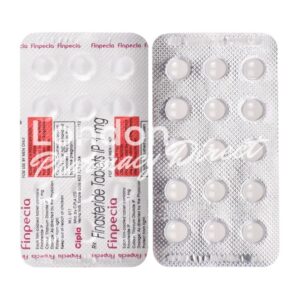
In brief
- Propecia (finasteride 1 mg) is a prescription-only medicine (POM) in the UK.
- Propecia is used for male pattern hair loss (androgenetic alopecia). It works by inhibiting type II 5-alpha-reductase, which lowers dihydrotestosterone (DHT) levels in the scalp and helps slow hair loss.
- The usual dose is 1 mg once daily for hair loss. It is not used for women or children, and the 5 mg tablet strength is for benign prostatic hyperplasia, not hair loss.
- The form of administration is an oral film-coated tablet, swallowed whole with water.
- It usually starts to work gradually; a minimum trial of about 3 months is needed, with visible improvement often taking 6–12 months.
- The effect only lasts while treatment is continued, and hair loss commonly returns within about 12 months after stopping.
- Alcohol does not have a specific direct interaction with finasteride, but excessive drinking is best avoided as it may worsen overall health and can affect hair loss and sexual function.
- The most common side effects are decreased libido, erectile dysfunction, and ejaculation disorders; some men may also notice breast tenderness or enlargement.
- Would you like to try Propecia without a prescription?
Basic Propecia information
- INN (international nonproprietary name): Finasteride
- Brand names available in the United Kingdom: Propecia (1 mg tablets); generic finasteride 1 mg tablets
- ATC code: D11AX10
- Forms and dosages: Film-coated tablets 1 mg for androgenetic alopecia; finasteride 5 mg (Proscar) is a separate product for benign prostatic hyperplasia, not for hair loss
- Manufacturers in the United Kingdom: Merck Sharp & Dohme (MSD); generic manufacturers
- Registration status in the United Kingdom: Prescription-only medicine (POM); no OTC finasteride product
- OTC / Rx classification: Prescription-only medicine (POM)
How Propecia fits into everyday hair loss care
Morning vs evening dosing
Taking Propecia is usually easiest when it becomes part of a fixed daily routine.
Finasteride 1 mg is taken once daily at the same time each day, and morning or evening both work well.
For many UK patients, the best approach is to link the tablet to something you already do, such as brushing your teeth or having breakfast.
That small habit helps with adherence, especially when male pattern baldness treatment needs months rather than days to show benefit.
If you take other regular medicines, keep a simple medication list on your phone or by the kettle so nothing gets forgotten.
Taking with or without meals
Propecia can be taken with or without food, so a full English breakfast, a sandwich at lunch, or an evening meal will not usually affect it.
Swallow the tablet whole with water and do not crush it.
Keep finasteride tablets in the original blister pack until use, and store them below 30°C, away from moisture and light.
- Set a phone reminder so the dose does not get missed.
- Keep the pack in one regular place, not rattling about in a bag or car glovebox.
- Use the same daily routine even when your schedule changes, such as on late shifts or weekends.
- If you rely on NHS repeat prescriptions, check your remaining supply before you run short.
Who should avoid it
Who should not take this medicine is just as important as how to take it.
Do not use finasteride if you are allergic to finasteride or any tablet ingredient.
It is not for women or children, and pregnancy exposure matters because finasteride can affect a male fetus.
Women who are or may become pregnant should not handle crushed or broken tablets.
Use extra caution if you have liver problems, a history of breast changes, or are being checked for prostate issues, because finasteride may reduce PSA levels.
- Do not take it if you have a known allergy to finasteride.
- Do not use it in pregnancy, or if pregnancy is possible.
- Do not let children handle the medicine.
- Tell your clinician if you have liver disease or breast symptoms.
- Tell your prescriber if you are due a PSA test or prostate review.
Driving and work safety
Finasteride is not usually considered sedating, but some people feel unwell, dizzy, or mentally off when starting any new medicine.
If that happens, avoid driving until you feel normal again.
For safety-sensitive jobs, such as operating machinery or working at height, it makes sense to watch for finasteride side effects in the first few weeks.
Seek urgent advice if you notice breast lumps, nipple discharge, an allergic rash, or mood changes.
Dosage, timing, and adjustments
General regimen
For male pattern baldness, the standard dose is finasteride 1 mg orally once daily.
There is no special loading dose, and taking more will not make it work faster.
Most men need at least a 3-month trial before judging benefit, and the best results often appear after 6 to 12 months.
If treatment is stopped, hair loss can return within about 12 months.
That is why continuation matters, especially if you have already seen less shedding or slower recession.
Special cases
No routine dose adjustment is listed for mild-to-moderate kidney problems.
Use caution in liver impairment because finasteride is metabolised in the liver.
Efficacy for hair loss is not well established in men over 65 years.
If a dose is missed, take it when remembered unless it is nearly time for the next dose; do not double up.
| Situation | Practical advice |
|---|---|
| Standard use | 1 mg once daily |
| Missed dose | Take when remembered unless the next dose is due soon |
| Children | Not indicated and not recommended |
| Elderly | No specific adjustment, but benefit for alopecia is not established over 65 years |
| Liver impairment | Use with caution |
| Renal impairment | No specific adjustment for mild-to-moderate impairment |
Legal status and availability in the UK
Propecia is a prescription-only medicine (POM) in the UK.
In our online pharmacy, Propecia is available without a prescription, with discreet delivery to the United Kingdom in 9–21 days.
What is inside and how it works
Ingredients overview
The active ingredient in Propecia is finasteride.
Propecia is the 1 mg film-coated tablet brand used for androgenetic alopecia.
Proscar is the 5 mg tablet brand for BPH, and it is not the standard hair-loss dose.
Mechanism basics explained simply
Finasteride is a 5-alpha-reductase inhibitor.
It lowers the conversion of testosterone to DHT, the hormone linked to male pattern hair loss.
Less DHT can help slow thinning and support regrowth in some men.
It does not work instantly, so consistency matters.
- Finasteride blocks 5-alpha-reductase.
- DHT levels fall.
- Hair follicle stress may reduce.
- Hair loss may slow, and some regrowth may occur.
Approved uses and where it is not used
Approved uses
In the UK, Propecia is used for male pattern baldness, also called androgenetic alopecia, in men only.
The standard dose is 1 mg once daily.
It is a prescription medicine and not a true OTC product.
Off-label uses
Some clinicians may discuss finasteride in other contexts, but that should only happen under specialist advice.
Proscar 5 mg is for benign prostatic hyperplasia, not routine hair loss treatment.
It is not indicated for women or children.
- Approved: male pattern baldness in men.
- Not approved: use in women or children.
- Not standard hair-loss use: Proscar 5 mg.
- Specialist advice only: other finasteride discussions.
Food, drink, and medicine checks
Food interactions
No major food interaction is listed for finasteride.
Moderate alcohol, tea, or coffee usually does not directly interfere with it.
If alcohol affects your routine or sleep, it may indirectly reduce adherence, which matters more than a meal clash.
Drug conflicts
Tell your prescriber about all medicines and supplements.
The main issue is not a classic food clash, but safety screening for liver disease, PSA testing, and side effects.
Be particularly careful if you are using other hair-loss treatments, prostate medicines, or supplements marketed for DHT control.
Suspected reactions can be reported through the Yellow Card system.
- Alcohol, tea, and coffee do not usually cause a direct interaction.
- Keep the prescriber updated about all medicines and supplements.
- Check for prostate monitoring and PSA testing before starting.
- Report suspected side effects through Yellow Card.
Other hair loss options to consider
NHS prescribing alternatives
If a tablet does not suit you, minoxidil is a common topical option and is widely available.
Dutasteride is stronger in 5-alpha-reductase inhibition, but it is not licensed for alopecia in the UK.
Saw palmetto is a herbal option, but the evidence is weaker.
Choosing what fits your routine
The best option often depends on how far the hair loss has progressed, how you feel about tablets, and whether you prefer a topical or oral medicine.
Many patients use finasteride plus minoxidil together under clinician advice.
Propecia may suit people who want once-daily dosing and prescription oversight.
| Option | Pros | Cons |
|---|---|---|
| Minoxidil | Topical, widely available, useful for some men | Needs regular application |
| Dutasteride | Stronger enzyme inhibition | Not licensed for alopecia in the UK |
| Saw palmetto | Herbal option | Weaker evidence |
| Propecia | Once-daily tablet with prescription oversight | Requires ongoing use to maintain benefit |
Regulation, safety checks, and UK supply
MHRA approval and NHS framework
Propecia (finasteride 1 mg) is a prescription-only medicine in the UK.
It is regulated by the MHRA and usually prescribed after a clinical review.
NHS prescribing depends on local policy and clinician judgement, and some patients may be directed to private treatment for hair loss.
What UK patients should check
Before starting treatment, it helps to check a few basics.
Confirm the product name and strength.
Make sure the medicine is supplied in original blister packaging with a leaflet.
- Check the name: Propecia or finasteride 1 mg.
- Check the strength: 1 mg for hair loss, not 5 mg Proscar.
- Check the pack: original blister packaging and leaflet.
Frequently asked questions
How long before Propecia works?
Usually at least 3 months.
Best results often take 6 to 12 months.
Can I take it with food?
Yes.
It can be taken with or without food.
Do I need it forever?
To maintain benefit, treatment usually has to continue.
If you stop, hair loss can return over time.
Is it available on the NHS?
It depends on local prescribing policy and whether you are in England, Scotland, Wales, or Northern Ireland.
Guidance for proper use
Pharmacist counselling points
Take one tablet daily at the same time each day.
If you miss a dose, do not double up.
Store at room temperature, away from moisture and light.
Keep away from children and do not let pregnant people handle broken tablets.
Tell your prescriber about prostate checks, breast changes, liver disease, and any side effects.
NHS support advice
Set a reminder, review progress after a few months, and keep expectations realistic.
Speak to your GP or pharmacist if you are unsure whether to continue.
If side effects worry you, do not stop abruptly without advice; get a review first.
For ongoing supply, use repeat prescriptions and approved pharmacies.
- Take one tablet daily.
- Do not double up after a missed dose.
- Store correctly in the original blister pack.
- Seek advice if side effects or breast changes appear.
- Use repeat prescriptions and registered pharmacies for ongoing treatment.
Delivery across the United Kingdom
| City | Region | Delivery time |
|---|---|---|
| London | England | 9–21 days |
| Birmingham | England | 9–21 days |
| Manchester | England | 9–21 days |
| Leeds | England | 9–21 days |
| Liverpool | England | 9–21 days |
| Newcastle upon Tyne | England | 9–21 days |
| Sheffield | England | 9–21 days |
| Glasgow | Scotland | 9–21 days |
| Edinburgh | Scotland | 9–21 days |
| Cardiff | Wales | 9–21 days |
| Swansea | Wales | 9–21 days |
| Belfast | Northern Ireland | 9–21 days |
| Aberdeen | Scotland | 9–21 days |
| Exeter | England | 9–21 days |