Zenegra
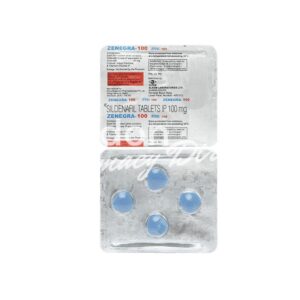
In brief
- Zenegra is not licensed in the UK; sildenafil is a prescription-only medicine (POM) in the UK.
- Zenegra (sildenafil) is used to treat erectile dysfunction; it is a phosphodiesterase type 5 (PDE5) inhibitor that increases cGMP in penile tissue, producing vasodilation and facilitating erection in response to sexual stimulation.
- The usual dose for erectile dysfunction is 50 mg taken about 30–60 minutes before sexual activity; doses may be reduced to 25 mg or increased to 100 mg depending on efficacy and tolerability (maximum 100 mg per 24 hours).
- Zenegra is administered orally as a film‑coated tablet (25 mg, 50 mg and 100 mg strengths); take whole with water.
- The onset of action is typically 30–60 minutes, though some men may notice effects sooner, especially on an empty stomach.
- The duration of action is generally about 4–5 hours, with variable individual response.
- Avoid excessive alcohol when taking Zenegra; alcohol can increase side effects (dizziness, low blood pressure) and reduce the drug’s effectiveness.
- The most common side effect is headache.
- Would you like to try Zenegra without a prescription?
Basic Zenegra information
- INN (international nonproprietary name): Sildenafil (often labelled as sildenafil citrate).
- Brand names available in the United Kingdom: Zenegra (not a UK-licensed brand); licensed sildenafil in the UK is supplied as generic sildenafil tablets.
- ATC code: G04BE03.
- Forms and dosages: Tablets in 25 mg, 50 mg and 100 mg strengths.
- Manufacturers in the United Kingdom: Zenegra is manufactured by Alkem Laboratories Ltd.
- Registration status in the United Kingdom: Zenegra is not licensed in the UK; sildenafil is a prescription-only medicine, with a pharmacy (P) exception for sildenafil 50 mg.
- OTC / Rx classification: Prescription-only medicine (POM); sildenafil 50 mg is also available as a pharmacy medicine after a pharmacist consultation.
Initial practical instructions and daily-life integration
Worried about safety and how sildenafil fits into your day-to-day life?
Do not take Zenegra (sildenafil) with nitrates or recreational drugs containing nitrates because of a risk of life‑threatening low blood pressure.
If you develop chest pain after taking sildenafil, call 999 immediately.
Report side effects to the MHRA Yellow Card scheme and tell your GP or pharmacist if anything unusual occurs.
Sildenafil is usually taken 30–60 minutes before sexual activity and the maximum recommended dose is 100 mg in 24 hours.
Store tablets below 25°C and keep them in the original blister until use.
Plan dosing around social and work life by testing the effect at home first, and bring a full list of current medicines to your pharmacist.
Practical checklist:
- Current medications list including nitrates and recreational drug use.
- Any history of heart disease, recent stroke or myocardial infarction.
- Liver or kidney problems that may need dose adjustment.
- Driving or safety-sensitive work concerns — discuss dizziness or visual effects.
Everyday use and best practices
Morning vs evening dosing
Which time of day works best for sildenafil for most people?
Sildenafil is an on‑demand medicine taken 30–60 minutes before sex rather than a daily morning tablet.
Many people in the UK prefer taking it in the evening or late afternoon to suit social life and reduce the chance of daytime dizziness affecting work.
If you find performance anxiety affects effectiveness, trying sildenafil at home on a calm evening can help build confidence.
Taking with or without meals (UK diet habits)
Will a full roast dinner or takeaway slow down the tablet?
High‑fat meals such as a traditional UK roast or a heavy takeaway can delay absorption and therefore slow the onset of effect.
Taking sildenafil after a lighter meal or fasting for an hour gives a quicker onset for many patients taking Zenegra 50 mg or similar sildenafil tablets.
Timing tips:
- Try your first dose at home during a relaxed evening to assess response.
- Do not exceed 100 mg in 24 hours and avoid taking another 100 mg dose within 24 hours.
- Use an alarm reminder for dosing, keep the blister in the original pack below 25°C, and carry a medication card when travelling.
Safety priorities
Who should avoid it (MHRA warnings)
Are there people who must not take sildenafil?
Do not use sildenafil with nitrates such as nitroglycerin or isosorbide mononitrate; this is an absolute contraindication because of the risk of severe hypotension.
Avoid sildenafil if you have had a recent stroke or heart attack, unstable angina, severe liver or kidney impairment without specialist advice, retinitis pigmentosa or known hypersensitivity to the drug.
Sildenafil is not indicated for women or children and is contraindicated under 18 years of age.
Activities to limit (driving, work safety)
Should you be careful with driving or operating machinery?
Sildenafil can cause dizziness and visual changes such as blue‑tinted vision in some people.
Do not drive or operate heavy machinery until you know how sildenafil affects you.
If your job involves working at heights or with complex machinery, discuss safety with your employer, GP or pharmacist before starting sildenafil.
Contraindications checklist:
- Current nitrate use — do not take sildenafil.
- Recent stroke, myocardial infarction or unstable angina.
- Severe liver or kidney impairment without specialist oversight.
- Known hypersensitivity to sildenafil or tablet excipients.
Emergency signs:
- Priapism — an erection lasting longer than four hours requires emergency care.
- Sudden vision loss or sudden hearing loss — seek immediate medical attention.
- Severe dizziness, fainting or chest pain — call 999.
Dosage and adjustments
General regimen (NHS guidance)
What dose should most adult men start on?
The usual adult starting dose for erectile dysfunction is 50 mg taken about one hour before sexual activity.
Depending on effect and tolerability this may be reduced to 25 mg or increased to 100 mg with a maximum of 100 mg in any 24‑hour period.
Sildenafil for pulmonary arterial hypertension uses different dosing regimens and is not the typical Zenegra ED dosing.
Special cases (elderly, comorbidities)
Do older patients or those with other illnesses need a different approach?
In elderly people or those with liver or kidney impairment start at 25 mg and titrate carefully while monitoring blood pressure and side effects.
Avoid use in children and adolescents under 18 years.
Use with alpha‑blockers or multiple antihypertensives requires caution because of additive hypotensive effects and may need specialist review.
Dosing table:
| Dose | Timing | When to seek review |
|---|---|---|
| 25 mg | About 1 hour before sex; start here if elderly or with comorbidities | If side effects limit activity or blood pressure falls |
| 50 mg | Typical starting dose for most adults | Review if inadequate response after several attempts |
| 100 mg | Increase only if 50 mg ineffective and tolerated; max 100 mg/24 hrs | Seek GP/urology review if still ineffective or side effects troublesome |
Legal status and availability in the UK
Zenegra is not licensed in the UK; sildenafil is a prescription-only medicine (POM) in the UK.
In our online pharmacy, Zenegra is available without a prescription, with discreet delivery to the United Kingdom in 9–21 days.
What’s inside and how it works
Ingredients overview
What exactly is in a Zenegra tablet?
The active ingredient is sildenafil (INN), usually shown as sildenafil citrate on the label.
Tablets commonly come in 25 mg, 50 mg and 100 mg strengths and are blue film‑coated and marked for dosage in many markets.
Excipients vary by manufacturer, so check the patient leaflet for potential allergens or intolerances.
Mechanism basics explained simply
How does sildenafil improve erections?
Sildenafil is a phosphodiesterase type 5 (PDE5) inhibitor which increases nitric oxide‑mediated blood flow to the penis during sexual stimulation.
Sildenafil requires sexual stimulation to work and does not cause spontaneous erections in the absence of arousal.
Patient leaflet checklist:
- Look for sildenafil citrate and tablet strength on the blister.
- Check excipients for known allergies.
- Follow storage advice: keep below 25°C and in original pack.
Main indications
Uses
What is sildenafil licensed for?
Sildenafil is approved for erectile dysfunction in adult men under standard tablet regimens such as 25–100 mg as clinically indicated.
Sildenafil is also used for pulmonary arterial hypertension (PAH) in different formulations and dosing schedules, but that use is distinct from Zenegra ED tablets. Zenegra itself is not licensed in the UK.
Off-label uses in UK clinics
Are there situations where clinicians may use sildenafil differently?
Some clinicians may explore low‑dose trials or specialist strategies for complex sexual dysfunction cases, but off‑label approaches should only be used under specialist supervision.
Women and children are not approved recipients of sildenafil for ED.
| Indication | Typical dose | Prescribing route |
|---|---|---|
| Erectile dysfunction | 25–100 mg as needed; usual start 50 mg | GP, sexual health clinic, or pharmacy for sildenafil 50 mg (where appropriate) |
| Pulmonary arterial hypertension | 20 mg three times daily (different formulation/regimen) | Specialist clinic prescription |
Interaction warnings
Food interactions (alcohol, tea/coffee)
What should you avoid eating or drinking when you take sildenafil?
Alcohol may reduce sildenafil’s effectiveness and increases the risk of dizziness.
High‑fat meals can delay absorption and postpone onset, so avoid taking sildenafil immediately after a large fatty meal.
Caffeine in tea or coffee has no major direct interaction but stimulant effects may change how you perceive benefits or side effects.
Drug conflicts
Which medicines clash badly with sildenafil?
Do not combine sildenafil with nitrates under any circumstances because of severe hypotension risk.
Exercise caution with alpha‑blockers, some protease inhibitors used for HIV, macrolide antibiotics and certain azole antifungals as these can raise sildenafil levels.
If you are on multiple antihypertensives, monitor for symptomatic low blood pressure.
Drug interaction checklist:
- If you accidentally take nitrates with sildenafil, seek urgent medical attention.
- For suspected overdose — severe hypotension, prolonged erection or visual changes — go to A&E.
- Report serious interactions or adverse events to the MHRA Yellow Card scheme.
Alternative choices
NHS prescribing alternatives
What other medicines could my GP prescribe if sildenafil is unsuitable?
Tadalafil and vardenafil (Levitra) are common NHS alternatives and other PDE5 inhibitors may be tried if sildenafil is not tolerated or effective.
Tadalafil lasts longer (up to 36 hours) and may suit those who want more spontaneity, while vardenafil can have a faster onset for some men.
Pros and cons:
- Tadalafil — longer duration, may suit weekend spontaneity, but different interaction and side‑effect profile.
- Vardenafil — potentially faster onset for some users but similar contraindications with nitrates.
- If drug interactions or cardiovascular disease make PDE5 inhibitors unsuitable, referral to a specialist clinic is appropriate.
When to ask for a referral
When should you ask your GP for specialist input?
Ask for urology or sexual health referral if there is poor response despite optimal dosing, recurrent priapism, structural penile issues or when ED predates other medications and suggests vascular or neurological causes.
Referral is also needed when underlying endocrine or systemic disease is suspected as the cause of erectile dysfunction.
Regulation snapshot
MHRA approval and NHS prescribing framework
How is sildenafil regulated in the UK?
Sildenafil is a prescription-only medicine (POM) in the UK, with a pharmacy-medicine option (Viagra Connect, sildenafil 50 mg) supplied after pharmacist assessment. Zenegra is not licensed in the UK.
MHRA and NHS guidance set the standards for safe supply, and registered pharmacists play a key role in screening for contraindications such as nitrate use or recent cardiac events.
Frequently asked questions
How long before sex should I take Zenegra?
Generally take sildenafil 30–60 minutes before sexual activity; heavy fatty meals can delay onset and in some people onset may take up to two hours.
What if I get side effects or no response?
Mild side effects like headache and flushing usually pass and do not require stopping treatment unless severe.
If you experience sudden vision or hearing loss or an erection lasting longer than four hours seek immediate medical care.
If there is no response after dose optimisation, review other causes such as psychological factors, medications or vascular disease with your GP and consider referral to urology or sexual health services.
Short additional questions:
- Can I drink alcohol? Limit alcohol as it can reduce effectiveness and increase dizziness.
- Can I take nitrates? Never take nitrates with sildenafil.
- Can women take it? Sildenafil is not indicated for female sexual dysfunction and is not suitable for women or children.
Guidelines for proper use
UK pharmacist counselling style
What will a pharmacist ask before supplying sildenafil?
Expect a private consultation covering cardiac history, current medicines, nitrate use and sexual health background.
The pharmacist will advise on dose, likely side effects, timing, what to do in an emergency and when GP review or referral is needed.
NHS patient support advice
Where can patients get ongoing support for erectile dysfunction?
Use your GP and local sexual health clinics for long‑term management, investigation of underlying causes and specialist interventions.
Keep an up‑to‑date medication record, report adverse drug reactions to the MHRA Yellow Card scheme and request printed or online leaflets to take away from the pharmacy or clinic.
Counselling checklist:
- Private pharmacist consultation or GP review before starting treatment.
- Keep medication details and pharmacy contact information with you.
- Report side effects to the MHRA Yellow Card and seek urgent care for emergency signs.
Delivery across the United Kingdom
| City | Region | Delivery time |
|---|---|---|
| London | England | 9–21 days |
| Birmingham | England | 9–21 days |
| Manchester | England | 9–21 days |
| Glasgow | Scotland | 9–21 days |
| Leeds | England | 9–21 days |
| Liverpool | England | 9–21 days |
| Edinburgh | Scotland | 9–21 days |
| Bristol | England | 9–21 days |
| Cardiff | Wales | 9–21 days |
| Belfast | Northern Ireland | 9–21 days |
| Newcastle | England | 9–21 days |
| Nottingham | England | 9–21 days |
| Southampton | England | 9–21 days |
| Plymouth | England | 9–21 days |
| Sunderland | England | 9–21 days |