Atomoxetine
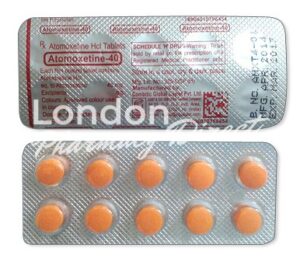
In stock
10mg · 18mg · 25mg
from 31,29 £
In brief
- Atomoxetine treats ADHD without being a stimulant, and holds a UK licence for children aged six and over, teenagers and adults.
- Three strengths are listed: 10 mg and 18 mg in 30 to 360, and 25 mg in 30 to 180.
- In Britain it is prescription-only, is not a controlled drug, and is available as generic atomoxetine.
Atomoxetine: ADHD treatment without a stimulant
Atomoxetine stops nerve cells in the brain from reabsorbing noradrenaline, and the extra noradrenaline is thought to improve attention and curb impulsive behaviour. UK licensing covers ADHD in children of six and over, in teenagers, and in adults whose symptoms were already present in childhood. It is meant to sit inside a broader programme that also offers psychological, educational and social help. Stimulant ADHD medicines such as methylphenidate and lisdexamfetamine are a different class, whereas atomoxetine is neither a stimulant nor a controlled drug. Expect a wait of several weeks before the full effect shows.
Strengths, counts and the form of the product
You can choose between 10 mg, 18 mg and 25 mg. The two lower strengths are sold in numbers from 30 to 360, and 25 mg from 30 to 180. Licensed UK atomoxetine is available as hard capsules and an oral solution; confirm the imported product’s formulation and follow its dispensing instructions. The carton may be printed for another country, so read the strength every time before a dose.
Starting treatment and working up the dose
A paediatrician, a child and adolescent psychiatrist or an adult psychiatrist starts atomoxetine treatment in the UK. A child or teenager up to 70 kg starts on 0.5 mg per kg each day and, after at least a week, moves to the usual target of roughly 1.2 mg per kg. Above 70 kg, and in adults, the start is 40 mg a day for a week or longer, then 80 mg as maintenance, with 100 mg the highest dose. The daily amount can be swallowed once in the morning or split between morning and late afternoon or early evening, and meals make no difference. In moderate liver impairment the dose is halved, and in severe impairment it falls to a quarter.
Checks while taking it
A heart and circulation assessment is carried out first. After that, pulse and blood pressure are measured whenever the dose changes and at least every six months, and the need for treatment is considered afresh after a year. Atomoxetine must not be used within two weeks of an MAO inhibitor, nor with narrow-angle glaucoma, phaeochromocytoma or severe heart and vascular disease. Report promptly any low mood, thoughts of suicide, aggression or signs of liver trouble such as dark urine, yellow skin or abdominal pain. In children, growth is tracked too.
Other medicines that matter
Fluoxetine, paroxetine and other strong CYP2D6 inhibitors raise atomoxetine levels, so a lower dose may be called for. High doses of salbutamol can increase the effect on pulse and blood pressure. Medicines acting on serotonin or noradrenaline, and anything else that changes blood pressure, should be discussed with the prescriber, as should herbal remedies.
Side effects
In younger patients the usual complaints are poor appetite, tummy ache, feeling or being sick, tiredness and sleepiness. In adults, a dry mouth, nausea, difficulty sleeping, headache, a faster pulse, higher blood pressure and sexual problems are described. Some people feel dizzy on standing or faint. If you feel drowsy, do not drive. How much to take, and for how long, is the prescriber’s call.
Day-to-day advice for families and adults
Medicine is only one strand of ADHD care, and routines at home, school or work do much of the heavy lifting. A short diary covering mood, sleep and appetite makes follow-up appointments more useful. Because aggression and suicidal thoughts are listed warnings, parents should pass on any sudden change in a child’s behaviour. Keep the strips out of reach of children and never share them. Do not open a capsule: the contents irritate the eyes, and if any gets into one, rinse it straight away and seek advice.