Dapsone
In brief
- In our pharmacy, you can buy dapsone without a prescription, with delivery in 9–21 days throughout the United Kingdom. Discreet and anonymous packaging is available.
- Dapsone tablets are licensed in the UK for leprosy (as part of multidrug therapy) and dermatitis herpetiformis, and are used off-label for Pneumocystis jirovecii pneumonia prophylaxis in some patients; it is a sulfone antibiotic that inhibits bacterial folate synthesis (dihydropteroate synthase) and also has anti‑inflammatory effects via inhibition of neutrophil activity.
- Usual doses: oral 100 mg once daily for leprosy; 50–100 mg daily for dermatitis herpetiformis (titrated to effect); PCP prophylaxis (off-label) often 100 mg daily.
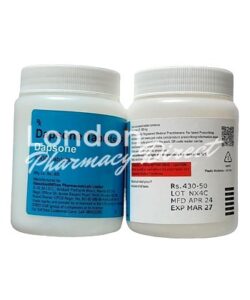
- Form of administration: oral tablets (50 mg, 100 mg), also included in multidrug leprosy kits.
- Onset: dermatitis herpetiformis symptoms often improve within 24–48 hours; for leprosy and systemic infections clinical benefit develops over weeks to months.
- Duration of action: the plasma half‑life is approximately 20–30 hours so once‑daily dosing is usual; treatment courses vary by indication (leprosy commonly 6–24 months as part of MDT).
- Alcohol warning: avoid excessive alcohol—alcohol may increase the risk of liver toxicity and can exacerbate haematological risks; exercise caution with liver disease and discuss alcohol use with a clinician.
- The most common side effect is nausea; other important adverse effects include haemolysis and methaemoglobinaemia (especially in patients with G6PD deficiency), headache, rash and mild hepatic enzyme elevations.
- Would you like to try dapsone without a prescription?
Basic dapsone information
- INN (international nonproprietary name): Dapsone (also known as 4,4′-sulfonyldianiline, diaminodiphenyl sulfone, DDS).
- Brand names available in the United Kingdom: generic dapsone tablets
- ATC code: J04BA02 (antimycobacterials, drugs for treatment of lepra)
- Forms and dosages: Oral tablets 50 mg and 100 mg; multidrug therapy (MDT) packs for leprosy include dapsone (topical dapsone gel is not licensed in the UK)
- Registration status in the United Kingdom: authorised by the MHRA; prescription-only medicine (POM)
- OTC / Rx classification: Prescription-only medicine (POM)
Everyday use and best practices
Morning vs evening dosing
Which time of day should you take dapsone?
Oral dapsone is commonly prescribed once daily with tablet strengths of 50mg and 100mg.
For leprosy the standard is 100mg once daily as part of multidrug therapy, while dermatitis herpetiformis is often 50–100mg daily, titrated to effect.
Many patients prefer evening dosing because early side effects such as nausea or dizziness occur while asleep.
If dapsone increases alertness, vivid dreams or insomnia, discuss switching to morning dosing with your clinician.
Taking with or without meals (UK diet habits)
Does food matter when you take dapsone?
Absorption of oral dapsone is not strictly dependent on food, but taking it with a light snack can reduce stomach upset.
Common UK examples are a tea and biscuit or a light breakfast before the tablet.
Avoid very high‑fat meals if you notice more gastrointestinal discomfort after dosing.
- Practical aids: daily pill box, phone reminders for blood tests, and a medication checklist aligned with NHS monitoring.
- Storage: keep tablets at room temperature and away from heat or moisture.
Safety priorities
Who should avoid it (MHRA warnings)
Who must not take dapsone?
Absolute contraindications include known hypersensitivity to dapsone or the sulfone group and severe G6PD deficiency because of the high risk of haemolysis.
Do not use dapsone in patients with acute anaemia or a history of severe methaemoglobinaemia.
Severe hepatic impairment is also a reason to avoid systemic dapsone.
Mild to moderate G6PD deficiency, chronic anaemia, or significant renal or hepatic impairment require specialist advice and close monitoring.
Activities to limit (driving, work safety)
Can dapsone affect driving or work?
Dizziness, headache and unusual tiredness may occur, especially when treatment starts.
Until you know how dapsone affects you, avoid driving heavy goods vehicles, operating machinery or work at height.
Alcohol can worsen dizziness and may increase liver strain, so keep intake moderate and discuss use with your prescriber.
- Red flags: dark urine, breathlessness, pale or blue‑tinged skin or lips — seek urgent medical review.
- Monitoring: baseline full blood count and G6PD test, then regular FBC and liver function tests per clinic protocol.
Dosage and adjustments
General regimen (NHS guidance)
What doses are commonly used?
Oral dapsone tablets are available as 50mg and 100mg strengths.
For leprosy the common systemic dose is 100mg once daily as part of WHO multi‑drug therapy combining rifampicin and clofazimine.
Dermatitis herpetiformis is typically treated with 50–100mg daily, titrated down for maintenance when possible.
Special cases (elderly, comorbidities)
How are doses adjusted for special patients?
Renal impairment requires caution because of risk of accumulation and methaemoglobinaemia; consider dose reduction or alternatives.
Significant hepatic impairment may need dose reduction or avoidance and specialist hepatology input.
Elderly patients do not have a universal dose adjustment but should have closer monitoring for anaemia and interactions.
Children for leprosy are dosed by weight (approximately 1mg/kg up to a 50mg maximum) under paediatric specialist care.
- Missed dose advice: take as soon as remembered unless it is close to the next dose; do not double up.
- Overdose management: supportive care and methylene blue for methaemoglobinaemia in hospital settings.
Legal status and availability in the UK
Dapsone is a prescription-only medicine (POM) in the UK.
In our online pharmacy, dapsone is available without a prescription, with discreet delivery to the United Kingdom in 9–21 days.
What’s inside and how it works
Ingredients overview
What is dapsone made of?
Systemic dapsone is diaminodiphenyl sulfone (DDS) and is supplied as oral tablets in 50mg and 100mg strengths.
Mechanism basics explained simply
How does dapsone work?
Dapsone has antimicrobial activity against mycobacteria and anti‑inflammatory effects that reduce neutrophil‑driven skin inflammation.
This explains its role in leprosy as an antimycobacterial (ATC J04BA02) and in dermatitis herpetiformis.
The same oxidative action on red blood cells that helps its efficacy also underlies risks such as haemolysis and methaemoglobinaemia, particularly in G6PD deficiency.
- Quick note: the mechanism accounts for both benefit and some key adverse effects, which is why baseline blood testing is required.
Main indications
Approved uses (MHRA listing)
What is dapsone licensed to treat?
Dapsone tablets are licensed in the UK for leprosy and dermatitis herpetiformis.
Oral dapsone is a core drug in multidrug therapy for leprosy, typically given at 100mg daily alongside rifampicin and clofazimine.
Off-label uses in UK clinics
When do specialists use dapsone off‑label?
Dermatologists sometimes prescribe oral dapsone off-label for acne, other neutrophilic dermatoses, autoimmune blistering disorders or where alternatives are unsuitable.
Dapsone can also be an option for PCP prophylaxis when trimethoprim‑sulfamethoxazole is contraindicated, but G6PD clearance is essential.
- Off‑label use should have specialist oversight, documented informed consent and clear monitoring (FBC, LFTs).
Interaction warnings
Food interactions (alcohol, tea/coffee)
Any food to avoid with dapsone?
There are no major food interactions known, but alcohol may increase dizziness and add liver strain, so keep intake moderate.
High caffeine intake from tea or coffee is not known to change dapsone metabolism but may exacerbate sleep disturbances if dosed at night.
Drug conflicts
Which drugs interact with dapsone?
Dapsone interacts with other oxidant drugs that increase the risk of haemolysis or methaemoglobinaemia and with drugs that alter hepatic metabolism.
Rifampicin, used in leprosy MDT, is an enzyme inducer and can alter dapsone plasma levels, so specialist regimens account for this interaction.
Haemolytic anaemia, methaemoglobinaemia and hypersensitivity reactions are important risks; report suspected adverse reactions via the Yellow Card scheme.
- Practical step: always provide a complete medicines list to your pharmacist and check OTC remedies before starting dapsone.
- Red‑flag co‑medications: sulfonamides, certain antimalarials and strong enzyme inducers — discuss with your clinician.
Alternative choices
What alternatives are available on the NHS?
Choice of alternative depends on the indication for which dapsone was intended.
For dermatitis herpetiformis and neutrophilic dermatoses, a gluten-free diet (for dermatitis herpetiformis) and other specialist-led treatments, including immunosuppressants, are dapsone‑sparing options.
For PCP prophylaxis, trimethoprim‑sulfamethoxazole is preferred; dapsone is a second‑line option when TMP‑SMX cannot be used but requires G6PD testing.
- Pros/cons checklist: TMP‑SMX is effective for PCP prophylaxis but can cause allergic reactions; dapsone needs G6PD testing and blood monitoring.
Regulation snapshot
How is dapsone regulated in the UK setting?
Dapsone is a prescription‑only medicine (POM) in the UK, authorised by the MHRA.
MHRA safety updates focus on haemolysis and methaemoglobinaemia and encourage Yellow Card reporting for adverse events.
Systemic dapsone is often started by specialists such as dermatology or infectious diseases, with GPs continuing repeat prescribing under agreed monitoring plans.
Pharmacists should check G6PD status before dispensing systemic dapsone and counsel patients about baseline tests and follow‑up blood work.
Frequently asked questions
Do I need a blood test before starting dapsone?
Yes; a baseline full blood count and a G6PD test are recommended to reduce the risk of haemolysis and methaemoglobinaemia.
Can I take dapsone while pregnant or breastfeeding?
Pregnancy decisions are specialist‑led; dapsone may be used if benefits outweigh risks but requires careful discussion with the treating clinician.
What if I miss a dose?
Take the missed dose as soon as you remember unless it is close to the next dose; do not double up.
Guidelines for proper use
What should a pharmacist tell patients starting dapsone?
Confirm the indication and check that baseline FBC and G6PD results are available before dispensing systemic dapsone.
Explain the dose, dosing time, likely common side‑effects such as nausea or headache, and signs of haemolysis or methaemoglobinaemia that require urgent review.
Ask about pregnancy plans and current medications to identify interactions such as rifampicin or sulfonamides.
- Provide written information, set phone reminders for blood tests and advise on Yellow Card reporting for suspected adverse reactions.
Delivery across the United Kingdom
| City | Region | Delivery Time |
|---|---|---|
| London | England | 9–21 days |
| Birmingham | England | 9–21 days |
| Manchester | England | 9–21 days |
| Glasgow | Scotland | 9–21 days |
| Leeds | England | 9–21 days |
| Liverpool | England | 9–21 days |
| Sheffield | England | 9–21 days |
| Edinburgh | Scotland | 9–21 days |
| Bristol | England | 9–21 days |
| Cardiff | Wales | 9–21 days |
| Belfast | Northern Ireland | 9–21 days |
| Newcastle Upon Tyne | England | 9–21 days |
| Nottingham | England | 9–21 days |
| Leicester | England | 9–21 days |
| Plymouth | England | 9–21 days |
Final safety checklist
Before starting dapsone ensure there is a baseline full blood count and a G6PD test documented.
Keep a weekly pill organiser and set phone reminders for blood tests and repeat prescriptions.
Store the tablets at room temperature, away from direct heat and moisture.
Avoid doubling missed doses and seek immediate A&E care for cyanosis, severe breathlessness or dark urine, which can indicate methaemoglobinaemia or haemolysis.
Prefer in‑person pharmacist counselling when beginning systemic therapy and carry contact details for your GP or dermatology clinic.