Augmentin
In brief
- Augmentin (amoxicillin and clavulanic acid) is a prescription-only medicine (POM) in the UK.
- Augmentin is used to treat bacterial infections such as sinusitis, otitis media, bronchitis, skin and soft tissue infections, urinary tract infections, and more severe infections. It works by combining amoxicillin, a penicillin antibiotic, with clavulanic acid, which inhibits beta-lactamase enzymes and helps the antibiotic overcome resistant bacteria.
- The usual adult dose is 500/125 mg every 8–12 hours or 875/125 mg every 12 hours for common infections; for more severe infections, IV dosing may be 1.2 g every 8 hours. Children are dosed by weight, usually based on the amoxicillin component.
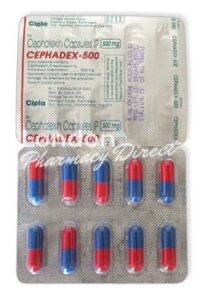
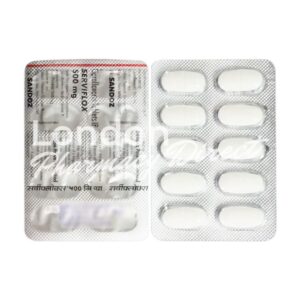
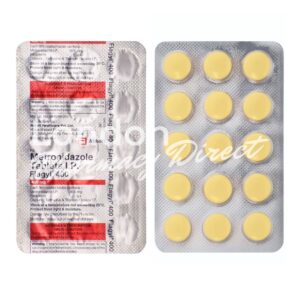
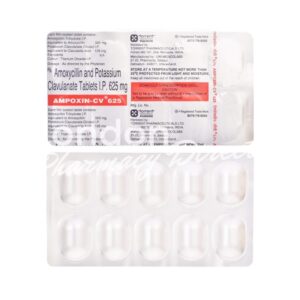
- It is available as tablets or film-coated tablets, oral suspension, dry syrup for children, and injectable vials for IV use.
- Augmentin usually starts working within 1–2 hours, although you may feel clinical improvement after 24–48 hours as the infection begins to settle.
- The duration of action is roughly 8–12 hours per dose, which is why it is commonly taken two to three times daily.
- Alcohol is best avoided or kept to a minimum during treatment, as it may worsen stomach upset, dizziness, and dehydration, and it can make it harder for your body to recover.
- The most common side effects are diarrhoea, nausea, vomiting, mild stomach discomfort, and skin rash; some people may also develop oral or vaginal thrush.
- Would you like to try Augmentin without a prescription?
Basic Augmentin information
- INN (international nonproprietary name): Amoxicillin and clavulanic acid
- Brand names available in the United Kingdom: Augmentin
- ATC code: J01CR02 — Amoxicillin and beta-lactamase inhibitor
- Forms and dosages: Tablets 250/125 mg, 500/125 mg, 875/125 mg; film-coated tablets; oral suspension 125 mg/31.25 mg per 5 ml and 250 mg/62.5 mg per 5 ml; injectable vial 500 mg/100 mg and 1000 mg/200 mg
- Manufacturers in the United Kingdom: GlaxoSmithKline (GSK) and generic manufacturers
- Registration status in the United Kingdom: Prescription-only medicine (POM)
- OTC / Rx classification: Prescription-only medicine (POM)
Everyday use and best practices
Taking Augmentin properly starts with the prescription label and the pharmacist’s advice.
It is a prescription-only antibiotic, usually supplied on an NHS or private prescription, so the dosing schedule should be followed exactly as written.
Most people are told to space doses evenly through the day so the medicine level stays steadier in the body.
For many UK patients, that means fitting a dose around breakfast before work, another after the school run, or one with the evening meal.
Taking it with food can help reduce stomach upset, which matters if you have a busy commute, shift work, or late finishes.
If you are using the oral suspension, check whether it needs refrigeration after reconstitution and keep it away from heat on the journey home.
When travelling or working long hours, set phone reminders and keep the pack in your bag so a missed dose does not become a forgotten dose.
- Tips for routine use: take doses at the same times each day.
- Take with food if your stomach feels unsettled.
- Keep tablets at room temperature and reconstituted suspension in the fridge if the label says so.
- Carry doses with you on long shifts, commutes, or overnight stays.
- Do not leave the course half-finished just because symptoms improve.
Safety priorities
The most important warning is allergy.
Anyone with a known allergy to penicillins or other beta-lactam antibiotics should not take Augmentin.
It should also be avoided in people who previously had cholestatic jaundice or liver problems linked to co-amoxiclav.
Caution is needed in liver disease, severe renal impairment, and in people with multiple drug allergies.
Augmentin is a prescription-only medicine, so it should not be started from leftover tablets without a valid prescription.
Driving and safety-critical work can be affected if you feel dizzy, poorly, or unwell with diarrhoea or tummy upset.
- Stop and seek advice if you get: swelling of the lips, face, tongue, or throat.
- Breathing difficulty or wheezing.
- A serious rash, blistering, or peeling skin.
- Yellowing of the skin or eyes, dark urine, or pale stools.
- Severe diarrhoea, especially if it is persistent or contains blood.
These are the sort of red flags that need urgent help from NHS 111, your GP, or emergency services if symptoms are severe.
Dosage and adjustments
How much Augmentin is prescribed depends on the infection, how severe it is, and whether kidney or liver function needs extra caution.
NHS prescribers commonly use 500/125 mg every 8 to 12 hours, or 875/125 mg every 12 hours, for straightforward infections in adults.
Children are dosed by weight, not age alone, and the oral suspension is often used for that reason.
Older adults usually follow adult dosing if renal function is normal, but dose changes are common when kidney function is reduced.
Courses are often 5 to 7 days for mild to moderate infection, and can run up to 14 days when needed, with treatment continued for at least 48 hours after symptoms improve.
| Indication | Typical dose | Route | Usual duration |
|---|---|---|---|
| Sinusitis, otitis media, bronchitis | 500/125 mg every 8-12 hours or 875/125 mg every 12 hours | Oral | 5-10 days |
| Skin and soft tissue infection | 500/125 mg every 8-12 hours | Oral | 7-14 days |
| Urinary tract infection | 500/125 mg every 12 hours | Oral | 7-10 days |
| Severe infection | 1.2 g every 8 hours | IV | As directed |
Legal status and availability in the UK
Augmentin (co-amoxiclav) is a prescription-only medicine (POM) in the UK.
In our online pharmacy, Augmentin is available without a prescription, with discreet delivery to the United Kingdom in 9–21 days.
What is inside and how it works
Augmentin contains two ingredients: amoxicillin and clavulanic acid.
The product is also called co-amoxiclav and is classified under ATC code J01CR02.
It belongs to the penicillin family of antibacterials for systemic use.
Amoxicillin attacks susceptible bacteria.
Clavulanic acid helps protect amoxicillin from beta-lactamase enzymes made by some bacteria.
That combination is why it can work when plain amoxicillin may not be enough.
- Amoxicillin: the antibacterial ingredient.
- Clavulanic acid: the beta-lactamase inhibitor.
- Tablets, suspension, IV vials: common UK formulations.
- 250/125 mg, 500/125 mg, 875/125 mg: standard strengths.
It is used for bacterial infection, not for colds, flu, or other viral illness.
Main indications
Why would a prescriber choose Augmentin instead of a simpler antibiotic?
Usually because a bacterial infection is confirmed or strongly suspected, and beta-lactamase-producing bacteria are a concern.
It is commonly used in UK clinics for sinusitis, otitis media, bronchitis, skin and soft tissue infection, urinary tract infection, and some severe infections needing IV treatment.
Prescribers may choose it when resistance to plain amoxicillin is more likely.
Antibiotics are not helpful for viral symptoms, so there is no benefit in pressuring a GP for one when the illness looks like a virus.
| Condition | Typical form | Usual duration |
|---|---|---|
| Sinus infection | Oral tablets | 5-10 days |
| Respiratory tract infection | Oral tablets | 5-10 days |
| Skin infection | Oral tablets | 7-14 days |
| More serious infection | IV treatment | As directed |
Interaction warnings
Can you take Augmentin with everyday drinks and other medicines?
Food is fine and often helps tolerance, but alcohol is best limited if you feel unwell, have diarrhoea, or have liver concerns.
Tea and coffee do not have a major direct interaction, although they may feel harsher on a sensitive stomach.
It is also sensible to tell your pharmacist or GP about all regular medicines, especially if you take anticoagulants, methotrexate, or medicines for kidney or liver problems.
Allopurinol may increase the risk of rash.
If you think you have had an unusual reaction, it can be reported through the MHRA Yellow Card scheme.
- Check before you take: alcohol if you feel sick or have diarrhoea.
- Allopurinol because of rash risk.
- Anticoagulants, methotrexate, and regular prescription medicines.
- Any history of liver or kidney problems.
Alternative choices
What if Augmentin is not suitable because of allergy, side effects, or treatment failure?
NHS prescribers may consider other antibiotics, but the best choice depends on the infection, allergy history, and local resistance patterns.
| Option | Why it may be used | Common downside |
|---|---|---|
| Amoxicillin alone | Useful when beta-lactamase coverage is not needed | May be less effective against resistant organisms |
| Cefuroxime | Alternative in some respiratory or urinary infections | Different dosing and suitability rules apply |
| Cefixime | May be considered in selected cases | Not right for every infection |
| Azithromycin | Used when a macrolide is more suitable | Resistance and interaction issues can limit use |
| Clindamycin | Can be used in specific infections or allergy situations | May cause gastrointestinal side effects |
- Consider an alternative if: there is penicillin allergy.
- Side effects are hard to tolerate.
- There is treatment failure and the prescriber wants to change therapy.
- A specialist has recommended a different antibiotic.
Do not switch medicines yourself.
Regulation snapshot
What does the UK regulatory position mean in practice?
Augmentin is a prescription-only medicine (POM) in the UK and is authorised by the MHRA.
It is usually prescribed through NHS GP services, urgent care, or specialists, and then collected from a community pharmacy.
Online pharmacies must follow UK rules and verify prescriptions before supply.
Pack types include tablets, oral suspension, and IV forms, so the exact presentation may vary by pharmacy stock.
- Prescription-only means you need an appropriate prescriber.
- Pharmacies can explain the label, dose, and storage.
- Stock can vary between tablets and suspension.
- Official supply is the safest route.
Frequently asked questions
Can I take Augmentin with food?
Yes, and taking it with food often helps reduce stomach upset.
What if I miss a dose?
Take it as soon as you remember unless it is nearly time for the next dose.
Do not double up.
How long does it take to work?
Many people notice improvement within a few days, but the full course still needs to be finished as prescribed.
Can I drink alcohol on it?
Alcohol is best limited if you feel unwell, have diarrhoea, or have liver concerns.
If symptoms worsen, or if you develop a rash, swelling, breathing trouble, or jaundice, contact a pharmacist, GP, NHS 111, or urgent care.
Guidelines for proper use
What does good pharmacy counselling look like for Augmentin?
Take it exactly as prescribed and finish the course, even if you feel better early.
Store tablets at room temperature and refrigerate the reconstituted suspension if the label says so.
Throw away leftover suspension after the label period, because it does not keep indefinitely once mixed.
Keep all medicines out of the reach of children.
If you vomit soon after a dose, or if diarrhoea becomes troublesome, speak to a pharmacist or GP for advice.
Any rash, swelling, or breathing problem should be treated as a possible allergy and needs urgent help.
Drink enough fluids, especially if you have diarrhoea or are recovering from an infection.
People with renal or liver problems should ask for dose confirmation before starting, and persistent symptoms after treatment may mean the infection is not responding as expected.
- Take each dose at the prescribed time.
- Do not stop early because symptoms are improving.
- Store tablets correctly and keep suspension refrigerated after reconstitution.
- Dispose of leftover suspension after the stated period.
- Get advice quickly if you think you are having a reaction.
Delivery across the United Kingdom
| City | Region | Delivery time |
|---|---|---|
| London | England | 9–21 days |
| Birmingham | England | 9–21 days |
| Manchester | England | 9–21 days |
| Leeds | England | 9–21 days |
| Liverpool | England | 9–21 days |
| Sheffield | England | 9–21 days |
| Bristol | England | 9–21 days |
| Edinburgh | Scotland | 9–21 days |
| Glasgow | Scotland | 9–21 days |
| Cardiff | Wales | 9–21 days |
| Belfast | Northern Ireland | 9–21 days |
| Newcastle upon Tyne | England | 9–21 days |
| Nottingham | England | 9–21 days |
| Aberdeen | Scotland | 9–21 days |
| Swansea | Wales | 9–21 days |