Seroquel
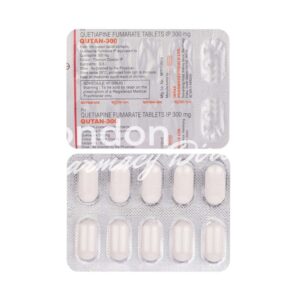
In brief
- In our pharmacy, you can buy Seroquel without a prescription, with delivery in 9–21 days throughout the United Kingdom; discreet and anonymous packaging is available.
- Seroquel (quetiapine) is used for schizophrenia, bipolar disorder (mania and depression) and (as the prolonged‑release tablets) as add‑on treatment in major depressive disorder; it is an atypical antipsychotic that primarily blocks serotonin 5‑HT2 and dopamine D2 receptors, with additional antihistaminic and alpha‑adrenergic effects.
- Usual dosages: schizophrenia (adults) start 25 mg twice daily, target 300–400 mg/day in divided doses (max 750 mg); bipolar mania start 50 mg twice daily, increase to about 400 mg by Day 4 (max 800 mg); bipolar depression start 50 mg once daily and titrate to 300 mg at bedtime (max 300 mg); add‑on in MDD (XL tablets) typically 50 mg at bedtime for two days, then 150–300 mg.
- Form of administration: oral tablets only — immediate‑release tablets (25–400 mg) and prolonged‑release (XL) tablets (50–400 mg); do not crush or chew XL tablets; no injectable or liquid formulations commonly available.
- Onset time: sedative effects often begin within 1–2 hours; antipsychotic and mood‑stabilising effects may take several days to weeks, with noticeable improvement commonly within 1–2 weeks and full effect over several weeks.
- Duration of action: immediate‑release dosing is usually twice daily (covering roughly 12 hours between doses), XR is designed for once‑daily 24‑hour coverage; plasma half‑life is approximately 6–7 hours, so clinical duration depends on formulation and dosing.
- Alcohol warning: avoid alcohol while taking Seroquel — alcohol increases sedation, dizziness and the risk of respiratory depression and orthostatic hypotension.
- The most common side effect is drowsiness/sedation; other frequent effects include dizziness, dry mouth, weight gain/increased appetite, orthostatic hypotension, constipation, mild tachycardia and metabolic changes (raised lipids/glucose).
- Would you like to try Seroquel without a prescription?
Basic Seroquel information
- INN (international nonproprietary name): Quetiapine
- Brand names available in the United Kingdom: Seroquel (immediate‑release tablets) and Seroquel XL (prolonged‑release tablets); generic quetiapine
- ATC code: N05AH04
- Forms and dosages: Immediate‑release tablets 25mg, 50mg, 100mg, 150mg, 200mg, 300mg, 400mg; Prolonged‑release (XL) tablets 50mg, 150mg, 200mg, 300mg, 400mg.
- Manufacturers in the United Kingdom: AstraZeneca (originator) and multiple generic suppliers including Teva, Sandoz and Accord Healthcare.
- Registration status in the United Kingdom: Licensed by the MHRA for schizophrenia and bipolar disorder (and, for the prolonged‑release tablets, as add‑on treatment in major depressive disorder); prescription‑only medicine (POM)
- OTC / Rx classification: Prescription-only medicine (POM)
Important practical instructions, UK warnings and daily‑life notes
Follow your NHS prescriber and local mental health team instructions at all times.
Do not stop quetiapine suddenly — contact NHS 111 or your GP for advice on tapering to avoid withdrawal or relapse.
MHRA: quetiapine (INN: Quetiapine) is a prescription‑only medicine (POM) and is not licensed for dementia‑related psychosis because of an increased mortality risk.
Carry a current repeat‑prescription slip or show the NHS App medication list when collecting or travelling.
Keep tablets in the original blister pack and store between 15–30°C, away from children.
Avoid alcohol while taking quetiapine and be cautious with hot baths or standing quickly because orthostatic hypotension and dizziness are common.
If you drive or operate machinery, discuss timing with your clinician — sedation is a frequent effect and can impair performance.
If you suspect an allergic reaction or experience severe dizziness, fainting or breathing problems, seek urgent care immediately.
Everyday use and best practices
Morning vs evening dosing
Most UK clinicians prescribe quetiapine at night because of its sedative effect, especially when used for bipolar depression or as an adjunct for depression.
Immediate‑release (IR) tablets are often given divided over the day for schizophrenia, while XR formulations are typically once nightly for adjunctive depression.
If your prescription is once‑daily XR, take it at bedtime to match NHS practice and reduce daytime drowsiness.
Taking with or without meals (UK diet habits)
Quetiapine absorption is not strongly food‑dependent, but a heavy evening meal may increase sedation the following morning.
For patients who eat late or have large evening meals, taking quetiapine after dinner or at bedtime can limit daytime grogginess.
Do not crush XR tablets; follow the packaging and “do not crush” advice on Seroquel XL blister packs.
- Daily checklist: Take at prescribed time (note bedtime if XR).
- Note food timing — avoid heavy meals just before daytime doses.
- Keep blister pack intact and labelled.
- Do not drive until you know how quetiapine affects you; discuss timing with prescriber.
Safety priorities
Who should avoid it (MHRA warnings)
People with a known hypersensitivity to quetiapine or to any excipient should not take this medicine.
Do not use quetiapine for dementia‑related psychosis due to an increased risk of mortality in older people, as highlighted by the MHRA.
Extra caution is needed for patients with severe cardiac disease, significant liver impairment, seizure disorders or a history of blood dyscrasias.
Activities to limit (driving, work safety)
Quetiapine commonly causes drowsiness, dizziness and orthostatic hypotension — do not drive, cycle on roads or operate heavy machinery until you know how it affects you.
Shift workers and people in safety‑critical roles (HGV drivers, pilots, certain NHS frontline posts) should discuss alternatives with their prescriber.
| Activity | Risk | Recommended precaution |
|---|---|---|
| Driving | Drowsiness; delayed reaction | Avoid until no sedation; report to DVLA if persistent impairment |
| Manual labour/working at height | Falls due to dizziness | Discuss temporary work adjustments with employer/clinician |
| Alcohol use | Markedly increased sedation and fall risk | Avoid alcohol entirely while taking quetiapine |
| Hot baths/sudden standing | Orthostatic hypotension, fainting | Stand slowly; avoid very hot baths until tolerance established |
Dosage and adjustments
General regimen (NHS guidance)
Titration starts low and is increased to an effective target while monitoring side effects and safety.
For schizophrenia in adults the usual plan begins at low doses (for example 25–50mg) and aims for 300–400mg per day given in two or three divided doses in immediate‑release form.
For acute bipolar mania dosing often rises quickly to around 400mg within days while monitoring for tolerability.
For bipolar depression many clinicians titrate XR at bedtime to 300mg as the typical target dose.
Special cases (elderly, comorbidities)
Older adults start lower, e.g. 25mg daily, and titrate slowly because fall risk and sensitivity to sedation rise with age.
In liver impairment begin at lower doses and increase cautiously because quetiapine is mainly metabolised by the liver.
| Indication / population | Starting dose | Typical target | Maximum |
|---|---|---|---|
| Schizophrenia (adults) | 25mg twice daily | 300–400mg/day (divided) | 750mg |
| Bipolar mania (acute) | 50mg twice daily | Increase to ~400mg by day 4 | 800mg |
| Bipolar depression (adults) | 50mg once daily | Titrate to 300mg at bedtime | 300mg |
| Add-on in major depressive disorder (XL) | 50mg XR at bedtime | 150–300mg XR at bedtime | 300mg |
Legal status and availability in the UK
Seroquel (quetiapine) is a prescription-only medicine (POM) in the UK.
In our online pharmacy, Seroquel is available without a prescription, with discreet delivery to the United Kingdom in 9–21 days.
What’s inside and how it works
Ingredients overview
The active ingredient is quetiapine (INN: Quetiapine).
Seroquel and Seroquel XL come in multiple strengths; excipients vary by manufacturer and are listed on the patient information leaflet.
Packaging is most commonly blister packs of 10, 30, 60 or 100 tablets; XL tablets should not be crushed or chewed.
Mechanism basics explained simply
Quetiapine is an atypical (second‑generation) antipsychotic with ATC code N05AH04.
It acts on several brain receptors, including dopamine and serotonin receptors, to reduce psychotic symptoms and help stabilise mood.
Sedation commonly results from antihistamine effects rather than direct antipsychotic action.
| Feature | Immediate‑release (IR) | Prolonged‑release (XL) |
|---|---|---|
| Dosing frequency | Two to three times daily for schizophrenia | Once nightly for adjunctive depression or bedtime dosing |
| Onset | Faster plasma peaks | Smoother overnight plasma levels |
| Food/administration notes | Can be taken with or without food; follow prescriber timing | Do not crush; best taken at bedtime |
Main indications
Approved uses (MHRA listing)
Quetiapine is licensed by the MHRA for schizophrenia and for bipolar disorder (mania, depression and prevention of recurrence) in adults; it is not recommended under 18 years.
Prolonged‑release quetiapine (Seroquel XL) is also licensed as add‑on treatment in major depressive disorder, taken at bedtime.
Off‑label uses in UK clinics
Some clinicians may use low doses short‑term for insomnia or anxiety symptoms, but this is off‑label and should be discussed carefully with the prescriber because evidence and safety vary.
| Approved (indication + typical dose range) | Common off‑label (discuss with clinician) |
|---|---|
| Schizophrenia — 300–400mg/day (IR in divided doses) | Low‑dose insomnia or anxiety — discuss risks and monitoring |
| Bipolar mania — titrate to ~400mg/day | Short‑term sleep aid at low dose (off‑label, not routinely advised) |
| Bipolar depression — titrate to 300mg at bedtime | Adjunct symptom relief in complex cases — consider alternatives and metabolic monitoring |
| Add-on to antidepressant (XL) — 50–300mg XL at bedtime | Specialist combinations — only under psychiatric supervision |
Always remember quetiapine is a prescription‑only medicine (POM) and MHRA cautions apply.
Interaction warnings
Food interactions (alcohol, tea/coffee)
Alcohol increases sedation and the risk of falls and should be avoided while taking quetiapine.
Caffeine from tea or coffee can mask sedation in some people but may increase anxiety or insomnia; it does not remove the safety risk from drowsiness.
Heavy meals can shift the timing or intensity of sedation; consider taking bedtime doses after the main evening meal if needed.
Drug conflicts
Quetiapine is mainly metabolised by CYP3A4; strong CYP3A4 inhibitors (certain antifungals, some macrolide antibiotics) can raise quetiapine plasma levels and require dose adjustment.
Combining quetiapine with other sedatives (benzodiazepines, opioids) increases the risk of respiratory depression and excessive sedation.
- Common interacting drug classes: CYP3A4 inhibitors and inducers, other CNS depressants, certain macrolide antibiotics, strong antifungals.
- Check with a pharmacist, or consult the BNF, before starting new drugs.
Alternative choices
NHS prescribing alternatives
Several antipsychotics are commonly offered on the NHS as alternatives to quetiapine, each with different side‑effect profiles and monitoring needs.
- Olanzapine: Effective but associated with high metabolic risk and weight gain.
- Risperidone: Useful for psychosis but may raise prolactin levels in some patients.
- Aripiprazole: Often more activating and may cause less sedation and weight gain in some people.
- Clozapine: Reserved for treatment‑resistant schizophrenia and requires intensive blood monitoring.
When to discuss switching
Consider switching when side effects are intolerable (marked weight gain, severe sedation), when symptoms remain uncontrolled after an adequate trial, during pregnancy planning, or if significant drug interactions arise.
Switching should be planned with the psychiatrist and include cross‑tapering schedules, monitoring plans and clear documentation.
Decision checklist for clinic: symptom control, side‑effect burden, monitoring capacity, pregnancy or interaction risks.
Regulation snapshot
MHRA approval and NHS prescribing framework
Quetiapine (INN: Quetiapine) is MHRA‑licensed for schizophrenia, bipolar disorders and (as the prolonged‑release tablets) for add‑on use in depression, and is a prescription‑only medicine (POM) within the NHS framework.
Both brand Seroquel/Seroquel XL and generics are used across trusts, with AstraZeneca the originator and multiple generic manufacturers supplying the UK market.
Reporting side effects (Yellow Card)
Report suspected adverse reactions to the MHRA Yellow Card scheme online or via the app; pharmacies will assist patients who need help reporting.
| Regulatory point | Action |
|---|---|
| Licence | MHRA licence for schizophrenia and bipolar disorders |
| Prescription status | Prescription‑only medicine in the UK |
| Yellow Card reporting | Report new or serious side effects with timing and dose details |
FAQ
-
Can I drink alcohol while on quetiapine?
No. Alcohol increases sedation and the risk of falls; discuss alcohol use with your clinician if you are struggling to abstain.
-
What if I miss a dose?
Take the missed dose as soon as you remember unless it is near the time for your next dose; do not double up to make up a missed dose and seek advice for complex regimens.
-
Will it make me gain weight?
Weight gain is a common effect; baseline and ongoing monitoring of weight, lipids and HbA1c is recommended and lifestyle support should be offered by your GP or practice nurse.
-
Can I drive while taking quetiapine?
Only when you are not sedated and your clinician is satisfied that your reaction times and alertness are safe for driving; persistent drowsiness should be reported to the DVLA if it affects driving safety.
For more NHS resources and to report side effects, see the MHRA Yellow Card scheme and NHS patient information pages.
Guidelines for proper use
UK pharmacist counselling style
Pharmacists should confirm the indication, dose and timing at supply and highlight sedation and orthostatic risks.
They must advise on storage (15–30°C), XR tablet handling (do not crush) and offer adherence aids such as pill boxes or NHS App reminders.
Pharmacists will explain routine monitoring (weight, blood pressure, lipids, liver tests) and when to seek urgent care for severe adverse events.
NHS patient support advice
Patients should book regular reviews with their GP or community mental health team and request written information leaflets (PIL/BNF) and a copy of the treatment plan.
NHS lifestyle supports — smoking cessation, dietician referral or local physical activity programmes — can help manage metabolic risk while on quetiapine.
| Pharmacy counselling checklist | Monitoring schedule |
|---|---|
| Confirm indication, dose, timing | Baseline weight, BP, lipids, HbA1c then regular reviews |
| Warn about sedation and orthostatic hypotension | Weight at 1 month, 3 months and then ongoing as agreed |
| Advise on XR handling and storage | Liver function tests if clinically indicated |
Delivery across the United Kingdom
| City | Region | Delivery Time |
|---|---|---|
| London | Greater London | 9–21 days |
| Birmingham | West Midlands | 9–21 days |
| Manchester | Greater Manchester | 9–21 days |
| Glasgow | Scotland | 9–21 days |
| Edinburgh | Scotland | 9–21 days |
| Leeds | West Yorkshire | 9–21 days |
| Liverpool | Merseyside | 9–21 days |
| Bristol | South West England | 9–21 days |
| Sheffield | South Yorkshire | 9–21 days |
| Newcastle Upon Tyne | North East England | 9–21 days |
| Nottingham | Nottinghamshire | 9–21 days |
| Southampton | South East England | 9–21 days |
| Plymouth | Devon | 9–21 days |