Amitriptyline
In brief
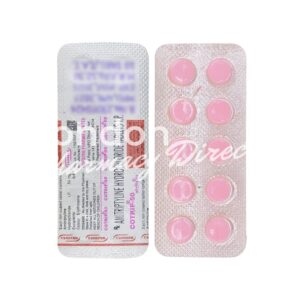
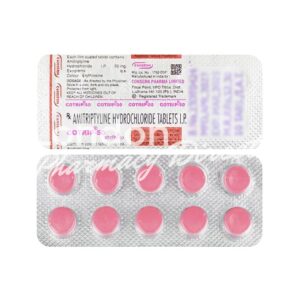
- Amitriptyline from London Pharmacy Direct comes in 10mg, 25mg and 50mg (30 or 60 up to 360 tablets) and 75mg (30 to 180), with UK delivery in 9–21 days.
- This tricyclic antidepressant is licensed for depression, yet low evening doses are widely used for nerve pain and to prevent migraine, and these uses now account for most prescriptions.
- The 10mg, 25mg and 50mg tablets are UK-licensed whereas 75mg is not; relief from pain can take two to four weeks, so persevere through the first few nights of drowsiness.
- It must not be combined with MAOIs, is unsuitable shortly after a heart attack or with heart rhythm problems, and can interact with tramadol and other medicines that affect serotonin.
- Dry mouth and a groggy morning are typical early on; stopping suddenly may cause nausea, restlessness and poor sleep, so the dose is reduced gradually. It is a POM.
Basic amitriptyline information
- INN (international nonproprietary name): Amitriptyline
- Brand names available in the United Kingdom: Amitriptyline tablets are usually supplied as a generic medicine
- ATC code: N06AA09
- Forms and dosages: Tablets 10 mg, 25 mg, 50 mg; oral solution
- Manufacturers in the United Kingdom: Multiple generic manufacturers
- Registration status in the United Kingdom: Prescription-only medicine (POM)
- OTC / Rx classification: Prescription-only medicine (POM)
Everyday use and best practices
Wondering whether amitriptyline should be taken in the morning or at night, especially if you have work, school runs, or early starts to juggle?
- Amitriptyline tablets are often taken at night because drowsiness is common, particularly when it is used for pain, migraine prevention, or sleep-related symptoms.
- For depression, the dose may be once daily at bedtime or split, depending on the prescriber’s plan.
- Try to take your dose at the same time each day, and link it to an existing habit such as brushing your teeth or setting a phone alarm.
- It can usually be taken with or without food.
- If it upsets your stomach, taking it after an evening meal may help, but consistency matters more than meals.
- If it makes you sleepy, plan ahead around the school run, shift work, driving, or any early morning commitments.
That simple routine often makes treatment easier to stick with, and sticking with it matters more than the exact time of the meal.
Safety priorities
Thinking “is this medicine suitable for me” is exactly the right question, because amitriptyline warnings matter.
- Do not use it if you are allergic to amitriptyline, if you have had a recent heart attack, or if you are taking an MAOI.
- Extra caution is needed with glaucoma, urinary retention, prostate enlargement, seizure disorders, heart rhythm problems, or a high suicide risk.
- In the UK, it is a prescription-only medicine (POM) and should be used under GP or specialist supervision.
- Be careful with driving, cycling, ladders, and machinery, especially when starting treatment or after a dose increase.
- Sedation and blurred vision can affect work safety as well as school or college performance.
- Alcohol can increase drowsiness and impair judgement.
- If you feel unusually drowsy, faint, or confused, speak to a pharmacist, GP, or NHS 111.
These amitriptyline side effects are often dose-related, but they should never be ignored if they are affecting day-to-day safety.
Dosage and adjustments
What dose is usually started, and why do some people do better with slower titration than others?
| Use | Typical starting dose | Usual range |
|---|---|---|
| Major depression | 25–50 mg daily, at bedtime or in divided doses | 75–150 mg daily, adjusted as tolerated |
| Neuropathic pain / chronic pain | 10–25 mg at night | 25–75 mg daily |
| Migraine prophylaxis | 10–25 mg at night | Up to 75 mg daily |
| Fibromyalgia and other off-label uses | 10–25 mg at night | 25–75 mg daily |
The 10 mg, 25 mg and 50 mg tablets (and the oral solution) make slow dose changes easier.
Benefit for pain may appear in 2 to 4 weeks, while depression treatment may take 4 to 8 weeks or longer.
Older adults usually start at 10–25 mg at night, because falls, confusion, and anticholinergic effects are more of a concern.
Liver impairment may mean the dose is reduced or avoided, while renal impairment often needs caution rather than an automatic change.
In practice, dose changes should usually be agreed with the prescriber rather than adjusted at home.
Legal status and availability in the UK
Amitriptyline is a prescription-only medicine (POM) in the UK.
In our online pharmacy, amitriptyline is available without a prescription, with discreet delivery to the United Kingdom in 9–21 days.
What’s inside and how it works
Ever wondered what amitriptyline actually is, beyond the tablet packet and the warning leaflet?
| Item | Details |
|---|---|
| Active ingredient | Amitriptyline (as amitriptyline hydrochloride) |
| ATC code | N06AA09 |
| Class | First-generation tricyclic antidepressant |
Amitriptyline hydrochloride changes how certain chemical messengers are handled in the brain and nerves, which can help with mood, pain signals, and migraine prevention.
It is often used at lower doses for pain than for depression, which is why the same medicine can appear in very different dose plans.
Elavil is a historic brand name, although UK patients usually see generic packs.
As a first-generation tricyclic antidepressant, it tends to have more sedative and anticholinergic effects than newer options.
Main indications
Why is amitriptyline prescribed so often in both GP and specialist care?
- Approved use: Depression.
- Common NHS use: Neuropathic pain and migraine prevention.
- Off-label use: Fibromyalgia, chronic tension-type headache, and some sleep-related symptom management when a clinician judges the benefits to outweigh the risks.
- Lower-dose pattern: Pain and headache prevention usually use bedtime doses rather than daytime dosing.
- Practical reality: It is often tried after other treatments have not helped enough, or when symptom control is still incomplete.
Amitriptyline for pain and amitriptyline for depression can follow very different dose schedules, even though the tablet is the same.
That is why a patient may be prescribed 10 mg at night for nerve pain while another person needs a higher depression dose under closer monitoring.
Interaction warnings
Could another medicine, a cold remedy, or even a drink after work make the side effects worse?
| Interaction type | Examples | Why it matters |
|---|---|---|
| Lifestyle | Alcohol | Can intensify sedation and dizziness |
| Lifestyle | Caffeine, tea, coffee | Not usually dangerous, but may make sleep benefits less noticeable |
| Medicines | MAOIs, certain antidepressants, some antipsychotics, opioids, QT-prolonging medicines | Can create serious interaction risks, including heart rhythm problems |
| Over-the-counter products | Some cold remedies, antihistamines, herbal products | May add to drowsiness or anticholinergic effects |
Tell your GP and pharmacist about all medicines, including supplements, before starting amitriptyline.
A medication review through the NHS or a pharmacist is sensible whenever a new medicine is added.
Serious antidepressant interactions should never be guessed at, especially when more than one sedating medicine is being used.
Alternative choices
If amitriptyline does not suit your symptoms or side effects, what else may be offered on the NHS?
- SSRIs such as sertraline or fluoxetine: often better tolerated for depression, but usually less helpful for pain.
- SNRIs such as duloxetine or venlafaxine: useful when pain and low mood overlap.
- Gabapentin and pregabalin: sometimes used for neuropathic pain.
- Other tricyclics such as nortriptyline or imipramine: available, but less commonly used.
Alternatives to amitriptyline are chosen according to symptoms, age, side effects, and what is available on the NHS formulary.
For someone with nerve pain and poor sleep, one medicine may fit better than a standard antidepressant, while for depression alone an SSRI may be the more straightforward start.
Regulation snapshot
How tightly controlled is amitriptyline in the UK, and what should patients know about supply?
- Amitriptyline is licensed by the MHRA and is a prescription-only medicine (POM) in the UK.
- NHS prescribing is common, but private prescriptions are also possible.
- Pharmacists dispense it under normal UK medicine supply rules, and generic amitriptyline is widely available.
- The rules are consistent across England, Scotland, Wales, and Northern Ireland.
- Many UK patients rely on their pharmacist for counselling, side-effect checks, and medicine use advice.
That makes a quick pharmacist conversation a sensible first step if you are unsure about supply, dose strength, or safety.
Frequently asked questions
Short answers help most when you are standing at the kitchen table with the leaflet in your hand.
- How long does amitriptyline take to work? Pain and sleep effects may appear earlier than mood benefits, which can take several weeks.
- Can I take it with alcohol? It is best avoided or kept very limited because alcohol increases drowsiness and can impair coordination.
- What if I miss a dose? Take it when remembered unless it is nearly time for the next dose; do not double up.
- Will it make me gain weight or feel sleepy? Those are common effects, and they may improve, stay stable, or worsen depending on the person.
If side effects are not settling, a pharmacist or GP can help decide whether the dose, timing, or medicine choice needs to change.
Guidelines for proper use
What usually helps people get the best out of treatment without unnecessary problems?
- Follow the exact dose prescribed and do not stop suddenly without medical advice, because withdrawal symptoms can occur.
- Use reminders, keep tablets in the original packaging, and request repeat prescriptions early through the GP surgery or NHS App.
- Store tablets at room temperature, away from heat and moisture, which suits normal UK home storage.
- Older adults should stand up slowly, monitor constipation, and ask about falls risk.
- Seek help if you notice palpitations, severe dizziness, fainting, confusion, urinary retention, rash, or thoughts of self-harm.
- If you are unsure how to take amitriptyline, a community pharmacist can explain the dose, timing, and what to watch for.
Community pharmacies can provide side-effect advice and signpost NHS services.
Delivery across the United Kingdom
| City | Region | Delivery time |
|---|---|---|
| London | England | 9–21 days |
| Birmingham | England | 9–21 days |
| Manchester | England | 9–21 days |
| Leeds | England | 9–21 days |
| Liverpool | England | 9–21 days |
| Glasgow | Scotland | 9–21 days |
| Edinburgh | Scotland | 9–21 days |
| Cardiff | Wales | 9–21 days |
| Belfast | Northern Ireland | 9–21 days |
| Newcastle upon Tyne | England | 9–21 days |
| Nottingham | England | 9–21 days |
| Sheffield | England | 9–21 days |
| Bristol | England | 9–21 days |
| Leicester | England | 9–21 days |