Beloc
In stock
20mg · 40mg
from 19,08 £
In brief
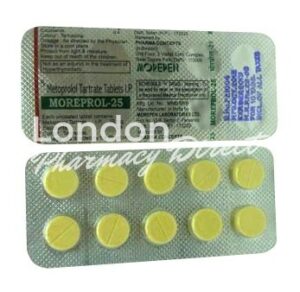
- Beloc is an imported metoprolol product, a cardioselective beta-blocker used for raised blood pressure, angina, rhythm problems after a heart attack and migraine prevention.
- Strengths listed are 20 mg and 40 mg, each in quantities from 30 to 360.
- Legal category POM across the UK, where metoprolol tablets are licensed under other labels and Beloc is not a listed name.
Beloc: metoprolol, adrenaline and a calmer heartbeat
Beloc is sold here as an imported product whose active ingredient is metoprolol, a beta-blocker. The hormone adrenaline normally makes the heart beat faster and harder by binding to beta-1 receptors on the heart muscle, and metoprolol occupies those receptors first. The result is a slower pulse, a lighter workload for the heart and a lower blood pressure. Metoprolol is called cardioselective because it prefers the heart to the lungs and blood vessels, but the preference is only partial, so people with airway disease still need care.
Conditions covered by the SmPC
The UK summary of product characteristics for metoprolol tartrate tablets lists several uses: high blood pressure, angina, fast heart rhythms (supraventricular tachycardia in particular), protection against further heart damage once the acute phase of a heart attack has passed, and the prevention of migraine. None of these is cured by the tablets. They keep the condition in check for as long as they are taken, which is why a prescriber usually expects treatment to carry on indefinitely.
Strengths, pack sizes and the daily dose
Beloc is offered as 20 mg and 40 mg tablets, and either strength can be picked in quantities of 30, 60, 90, 120, 180, 270 or 360. The SmPC states doses in milligrams a day, so the prescriber has to translate that into a number of tablets. For adults the figures given are: hypertension, 100 mg daily at first and up to 200 mg, as one dose or two; angina, 50 to 100 mg two or three times daily; irregular fast rhythms, 100 to 200 mg daily; once the acute phase of a heart attack is over, 100 mg twice daily; migraine, 100 to 200 mg daily. Nobody should exceed 400 mg in a day, whatever the indication, and the SmPC wants the dose taken with the stomach empty. A lower dose is not needed in kidney disease and is considered only for severe liver impairment. The SmPC does not recommend metoprolol for children.
Is Beloc a UK-licensed name?
Under UK law metoprolol is a POM, to be supplied only against a prescription. Tablets in 25 mg, 50 mg and 100 mg strengths are licensed and sold under various labels, yet a search of the electronic medicines compendium finds no tablet called Beloc, and the one Betaloc entry there is an injection. This listing is therefore imported stock under a name that is not on the UK market, and which salt of metoprolol it contains is not stated. Hold on to the box and the leaflet so that a pharmacist or GP can check them if needed.
Who should not take Beloc, and when care is needed
Metoprolol is ruled out in second- or third-degree heart block, sick sinus syndrome, a resting pulse under 50, systolic pressure below 90, cardiogenic shock, unstable or decompensated heart failure, severe peripheral arterial disease, metabolic acidosis, severe asthma or COPD and untreated phaeochromocytoma. Milder asthma, diabetes (the tablets can mask the shakiness that warns of low blood sugar), psoriasis, an overactive thyroid and Prinzmetal angina call for extra caution. Someone booked for surgery should mention the tablets to the anaesthetist. The medicine should never be stopped abruptly; the dose is stepped down across a fortnight at the least, ending on 25 mg for six days.
What else interacts, and what people notice
Verapamil or diltiazem injected into a vein must not accompany metoprolol outside an intensive care setting, and propafenone and barbiturates should be kept apart from it. Other rhythm medicines, digoxin and sulfonylurea drugs may need monitoring or a change of dose. Tiredness is the commonest complaint and tends to fade. Slow pulse, dizziness on standing, cold fingers and toes, headache, disturbed sleep, vivid dreams, low mood, stomach upset, breathlessness and dry eyes are also listed, and psoriasis can flare. Changes in blood cell counts, such as agranulocytosis, are very rare. Whether Beloc is the right treatment, and at what dose, is for the prescriber to decide.